Leave Your Message
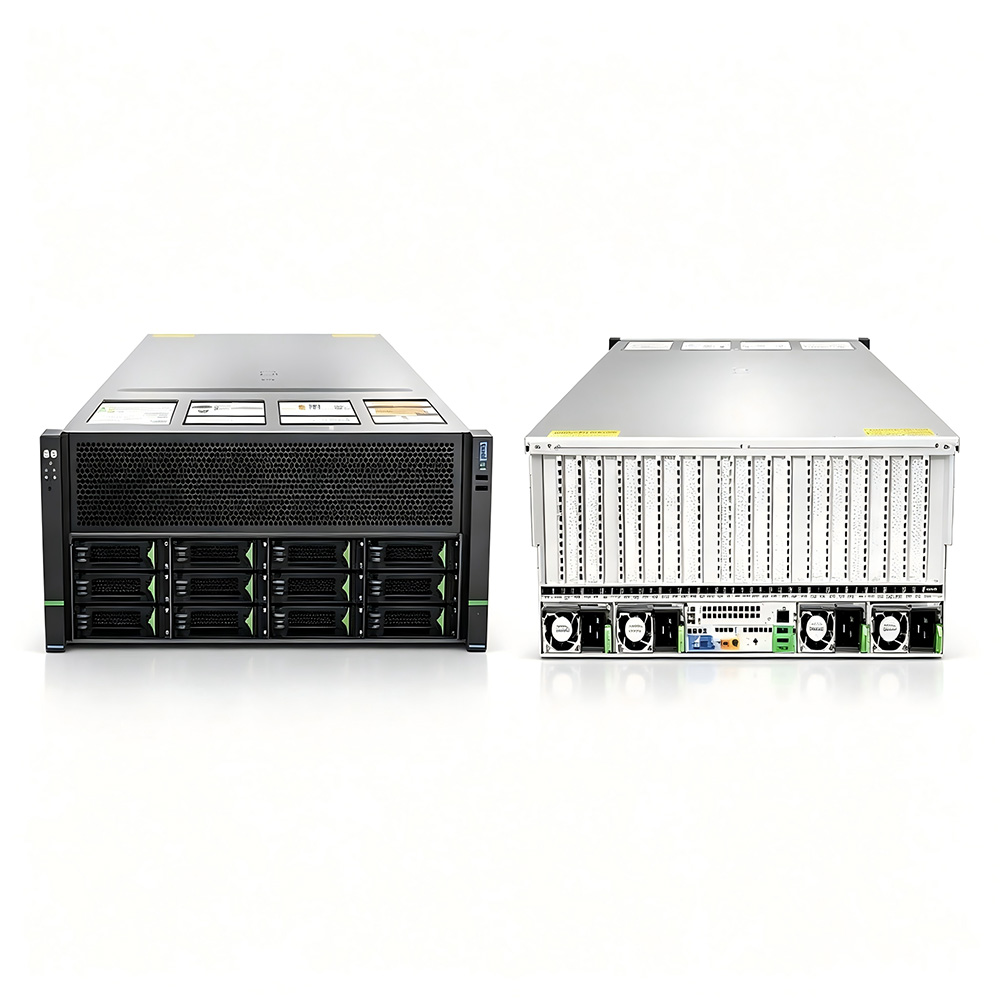
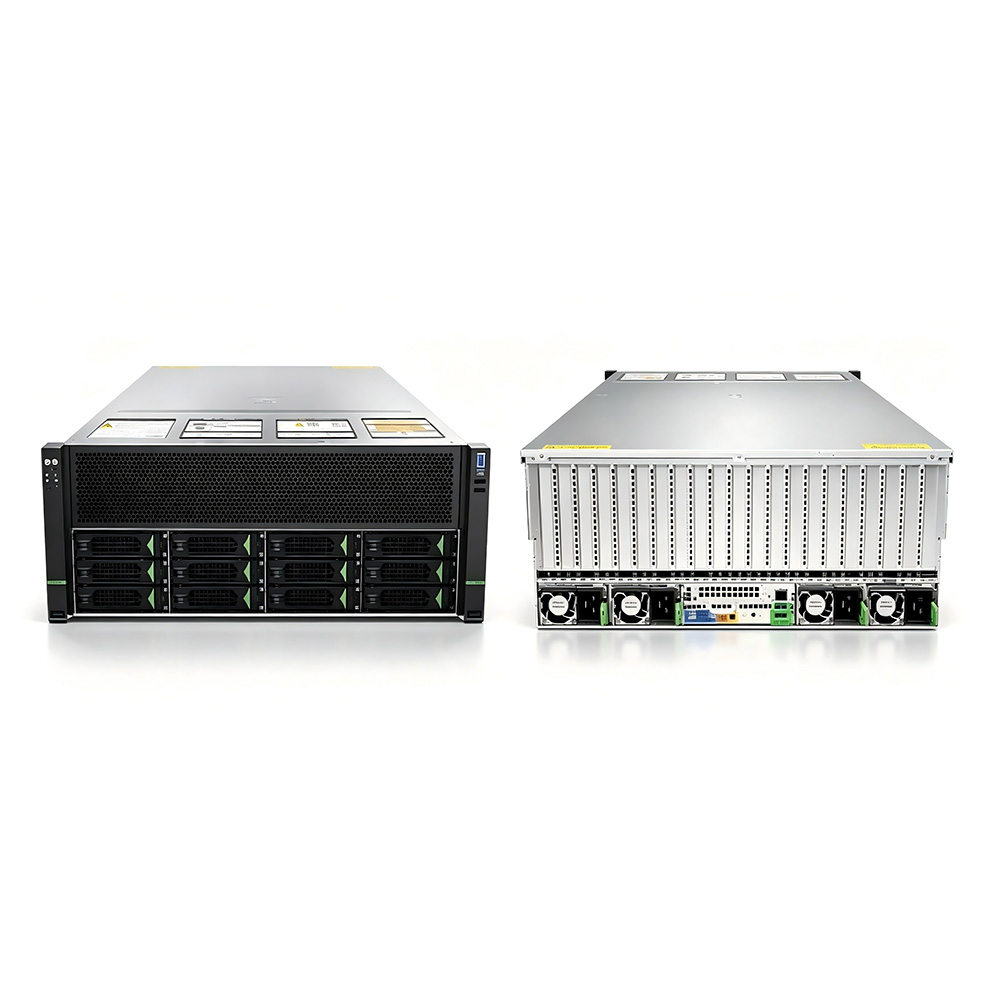
Selected high-efficiency rack configurations engineered for high-IOPS Network Attached Storage and mission-critical cloud compute farms.
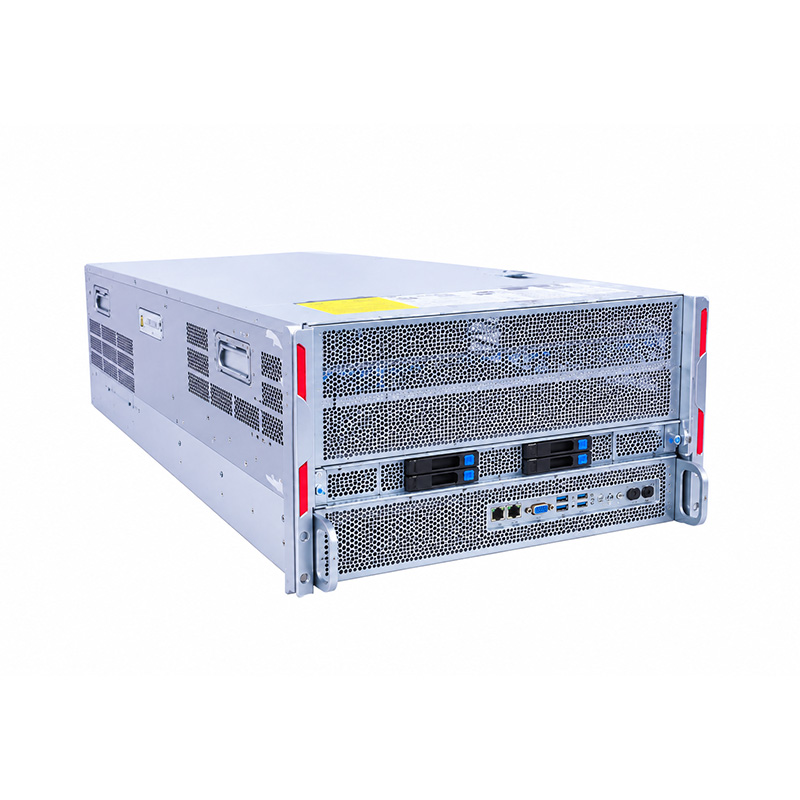
Analyzing how volumetric rack efficiency, thermal dynamics, and bus throughput govern modern Network Attached Storage and enterprise cloud tiers.
The relentless expansion of unstructured digital assets, distributed file systems, artificial intelligence model checkpoints, and enterprise multi-tenant cloud applications has dramatically altered modern data center economics. A standard 19-inch rack enclosure offering 42U to 48U of vertical space must no longer just house generic servers; it must maximize data density per Rack Unit (RU) while remaining strictly within rigorous power consumption, cooling airflow, and physical weight envelopes.
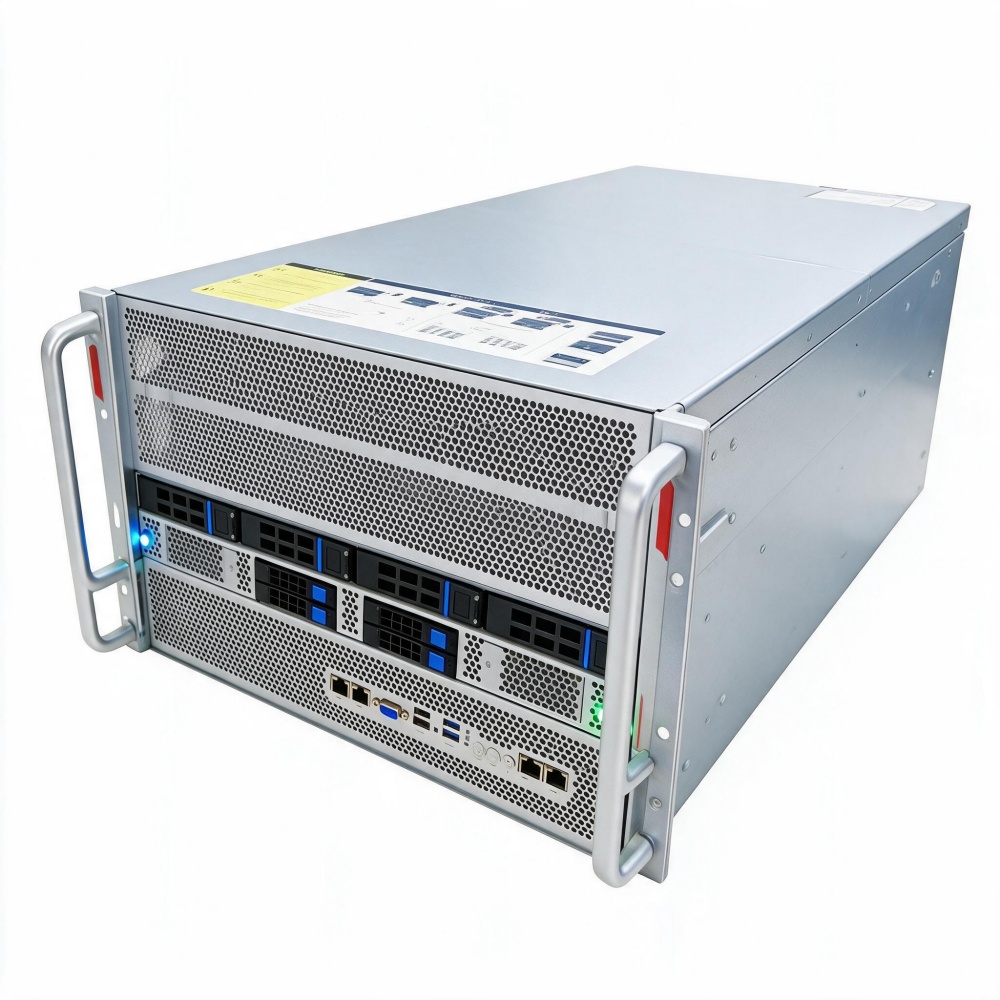
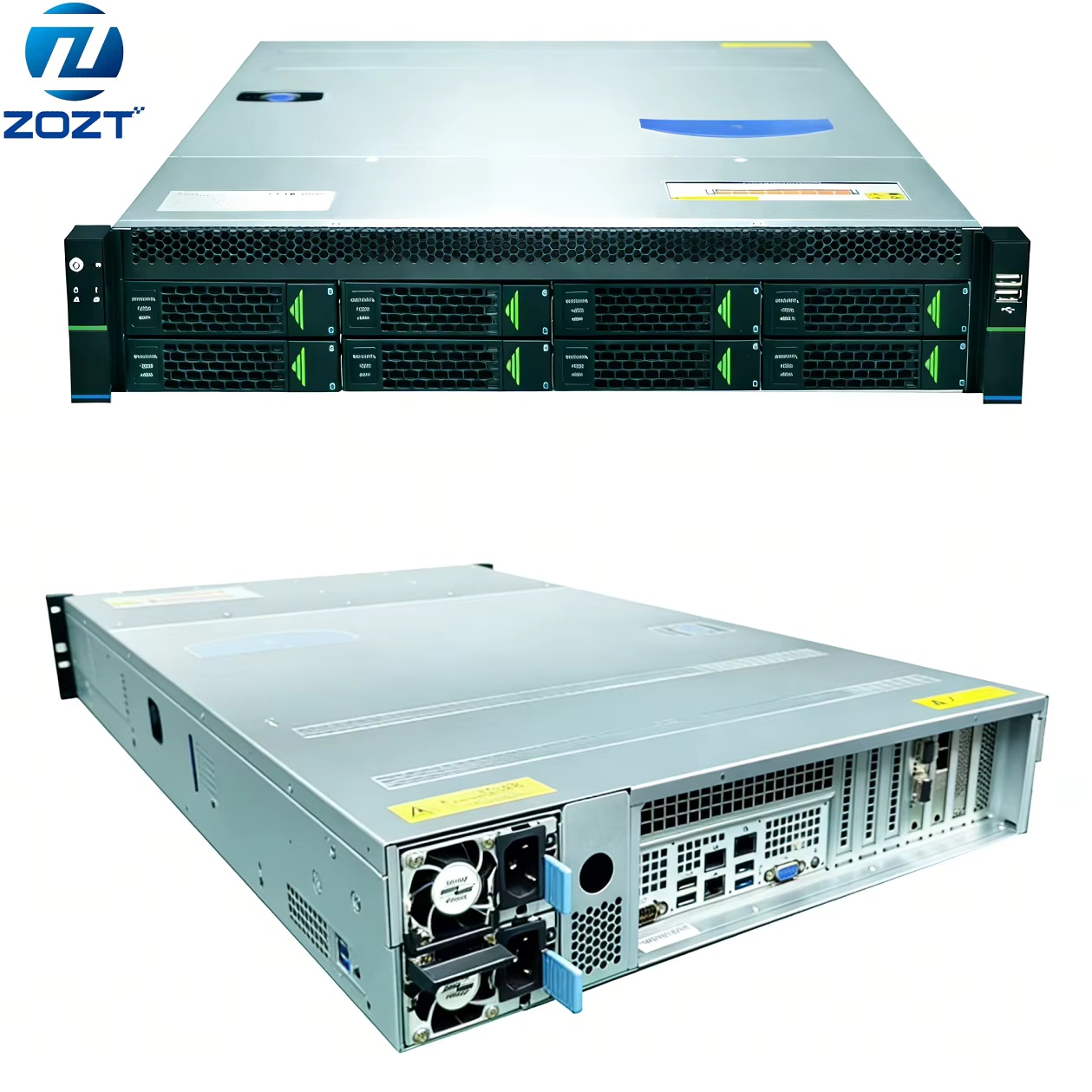
Every single Rack Unit (equivalent to 1.75 inches or 44.45 mm of vertical rack height) represents a crucial metric in Total Cost of Ownership (TCO). Transitioning from legacy 1U/2U low-density disk arrays to specialized high-density 4U, 5U, 7U, and 8U storage servers allows cloud service providers, enterprise IT administrators, and media rendering facilities to concentrate petabytes of raw NVMe, SAS4, and SATA storage capacity within a unified cabinet footprint, mitigating rack rental fees and simplifying inter-chassis fiber patching.
High-density NAS solutions have evolved beyond simple network file shares into ultra-low-latency distributed storage fabrics leveraging NVMe over Fabrics (NVMe-oF), RoCEv2 (RDMA over Converged Ethernet), and InfiniBand connectivity. Modern enterprise storage topologies require hybrid tiers where high-speed 1U and 2U all-flash storage heads handle cache and active input/output operations, while high-capacity 4U and 8U chassis house high-density 3.5-inch helium-filled hard disk drives for cold and warm archival storage.
By balancing storage controllers with high PCIe lane counts (PCIe Gen 4 and Gen 5), modern rack chassis eliminate traditional storage controller bottlenecks. This ensures that parallel compute nodes running demanding AI training pipelines or vast database queries receive sustained multi-gigabyte-per-second read and write bandwidth without data starvation.
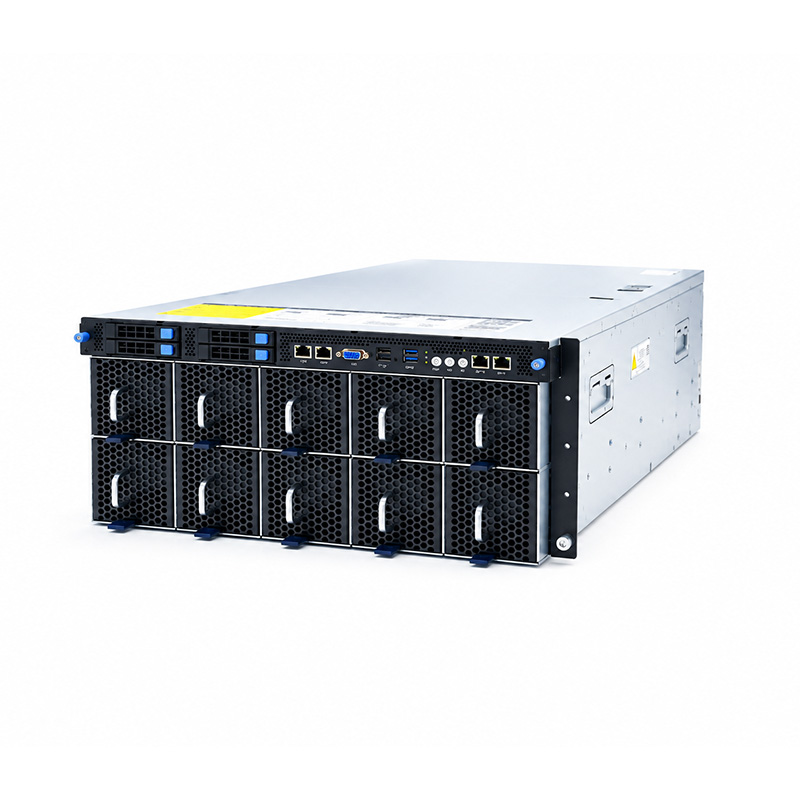
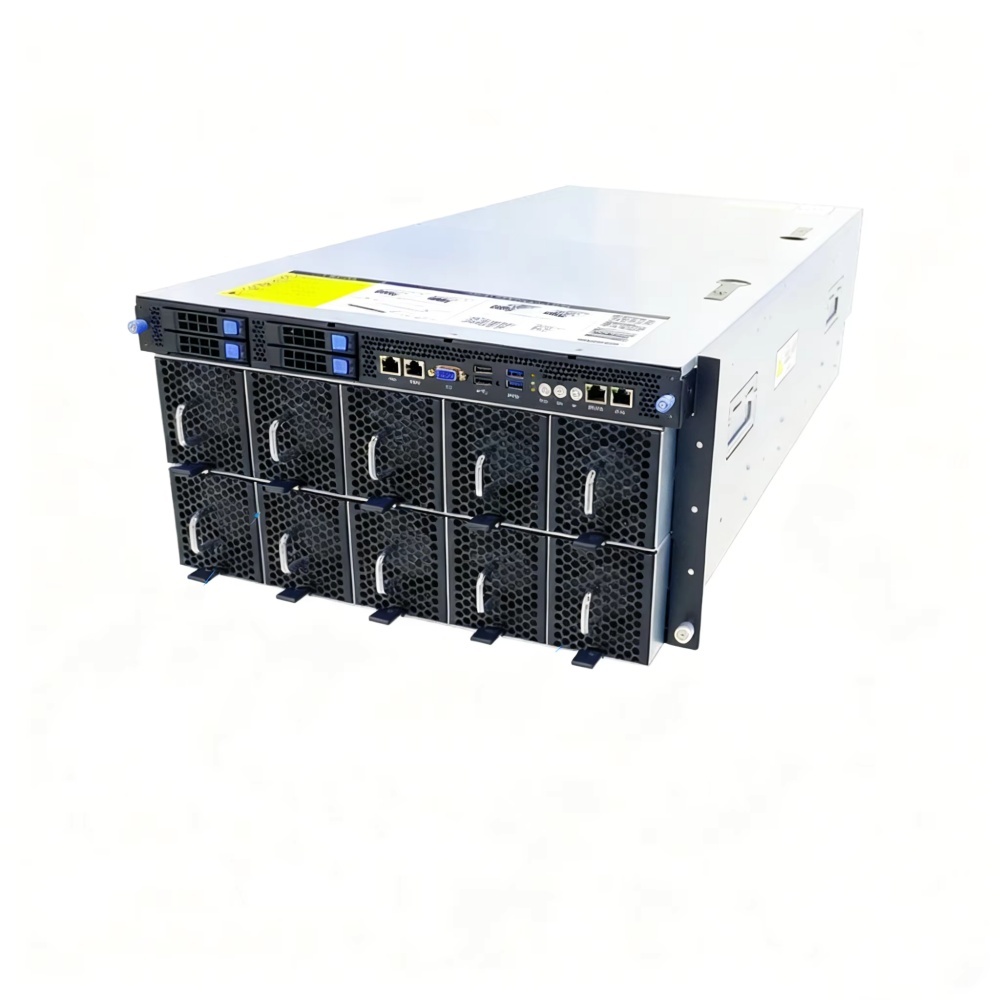
Chassis designed with multi-zone wind-tunnel airflow and high-static-pressure PWM fans to ensure that dense front-loaded drive bays and high-wattage rear motherboards receive uniform thermal cooling without turbulent heat recirculation.
Direct-attach and expander backplanes supporting 12Gb/s SAS and 16GT/s+ PCIe NVMe signals without signal degradation. Built-in SGPIO and SES-2 management protocols ensure instantaneous fault detection and drive hot-swapping.
Integrated (N+1) and (N+N) redundant CRPS (Common Redundant Power Supply) modules boasting 80 PLUS Titanium efficiency (up to 96%), drastically lowering idle power dissipation across multi-node enterprise deployments.
From AI dataset tokenization to distributed disaster recovery, explore how customized rack units empower mission-critical computational workflows.
Large Language Models (LLMs) and multi-modal computer vision architectures consume tens of terabytes of training tokens and raw image batches daily. Feeding clusters of GPU servers requires storage nodes with extraordinary sequential and random IOPS.
High-density 4U and 7U hybrid storage configurations act as direct-attached caching tiers or distributed Ceph/Lustre storage pools. Their high internal drive counts allow massive parallel read streams, preventing multi-million-dollar GPU clusters from stalling during epoch loading phases.
Cloud infrastructure providers (IaaS/PaaS) hosting thousands of virtual machines (VMs) and Kubernetes containers demand multi-tiered storage architectures with strict quality of service (QoS) guarantees.
Utilizing high-density 2U and 4U chassis equipped with dual-socket enterprise processors and up to 24x 2.5-inch NVMe U.2/U.3 SSDs allows providers to deliver microsecond storage access times alongside high data compression ratios, automated deduplication, and instantaneous snapshotting.
Digital broadcast studios, VFX rendering companies, and motion picture post-production facilities deal with gigabytes of uncompressed RAW footage per second. Standard NAS appliances quickly bottleneck when dozens of editing workstations access centralized projects concurrently.
Our high-density rackmount chassis provide the raw internal SAS/NVMe backplane bandwidth and dual 100GbE QSFP28 uplink capabilities needed to sustain smooth multi-stream editing, collaborative timeline scrubbing, and distributed rendering workflows without frame drops.
Smart factories, transportation hubs, and telecommunications points of presence (PoPs) aggregate millions of real-time sensor streams and video feeds. High-density ruggedized rack servers deployed at the edge process and index this telemetry locally, filtering non-essential records before synchronizing aggregated datasets to centralized data centers.
These scenarios benefit immensely from vibration-damped drive trays, dual redundant power supplies, and dust-resistant front bezels engineered for demanding industrial environments.
| Rack Unit (RU) | Typical Drive Capacity | Primary Architecture Role | Cooling & Thermal Envelope | Recommended Scalability Target |
|---|---|---|---|---|
| 1U Rackmount | 4x 3.5" or 10x 2.5" NVMe/SATA | Edge NAS, High-IOPS Metadata Cache, Firewall Storage | Counter-rotating 40mm high-RPM fans (Up to 350W TDP) | Distributed micro-nodes & branch offices |
| 2U Rackmount | 12x 3.5" or 24x 2.5" Hot-Swap | Standard Enterprise Cloud SAN/NAS, Hyperconverged Storage | 4x 80mm redundant PWM hot-swap fans (Up to 600W TDP) | Mid-sized enterprise virtualization & data tiering |
| 4U Rackmount | 24x / 36x / 60x 3.5" Top/Front-Load | High-Capacity Object Storage, Backup Vault, Media Server | 6x 120mm heavy-duty pull-through fans (Up to 1200W TDP) | Petabyte-scale archival & centralized datacenter pools |
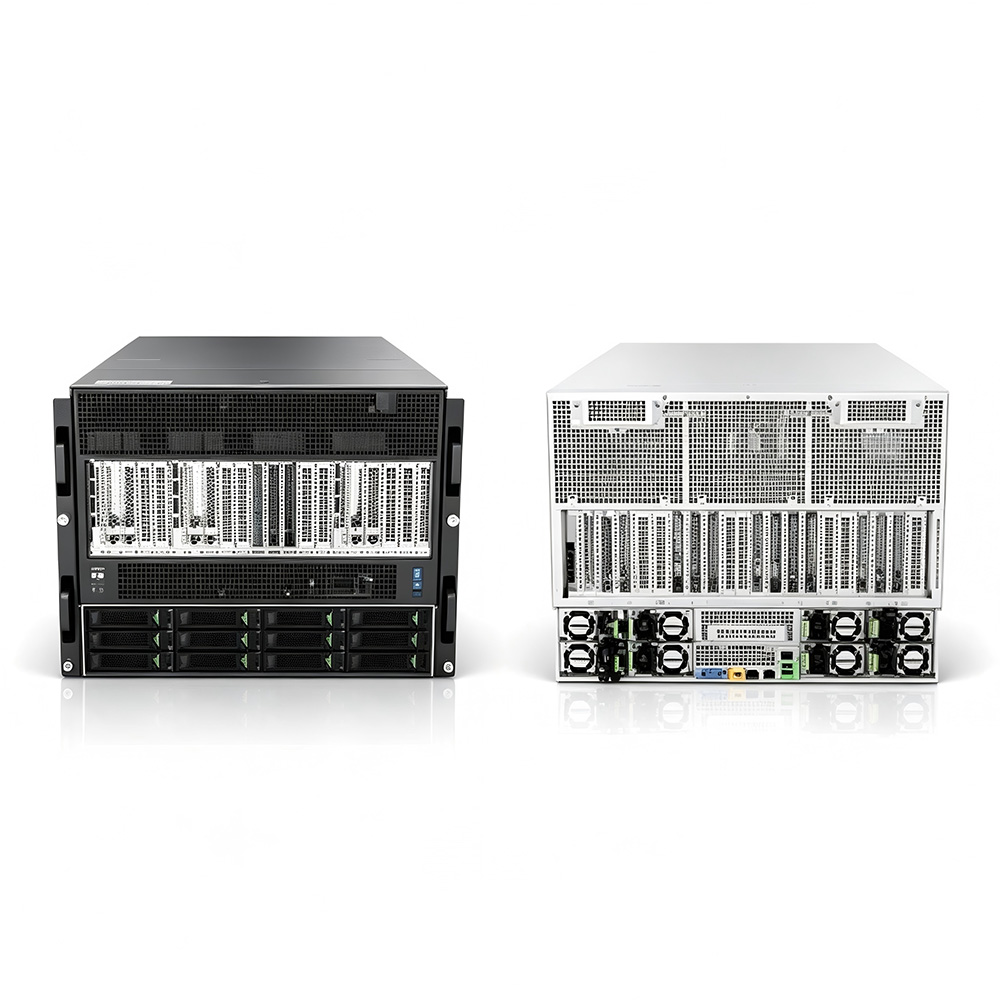
| 5U / 7U / 8U Rackmount | Hybrid Storage + 8~10x Full-Height GPUs | AI Deep Learning Ingestion, Heavy Compute Analytics | Dedicated multi-chamber wind channels, liquid-ready | Hyperscale AI clusters & Supercomputing centers |
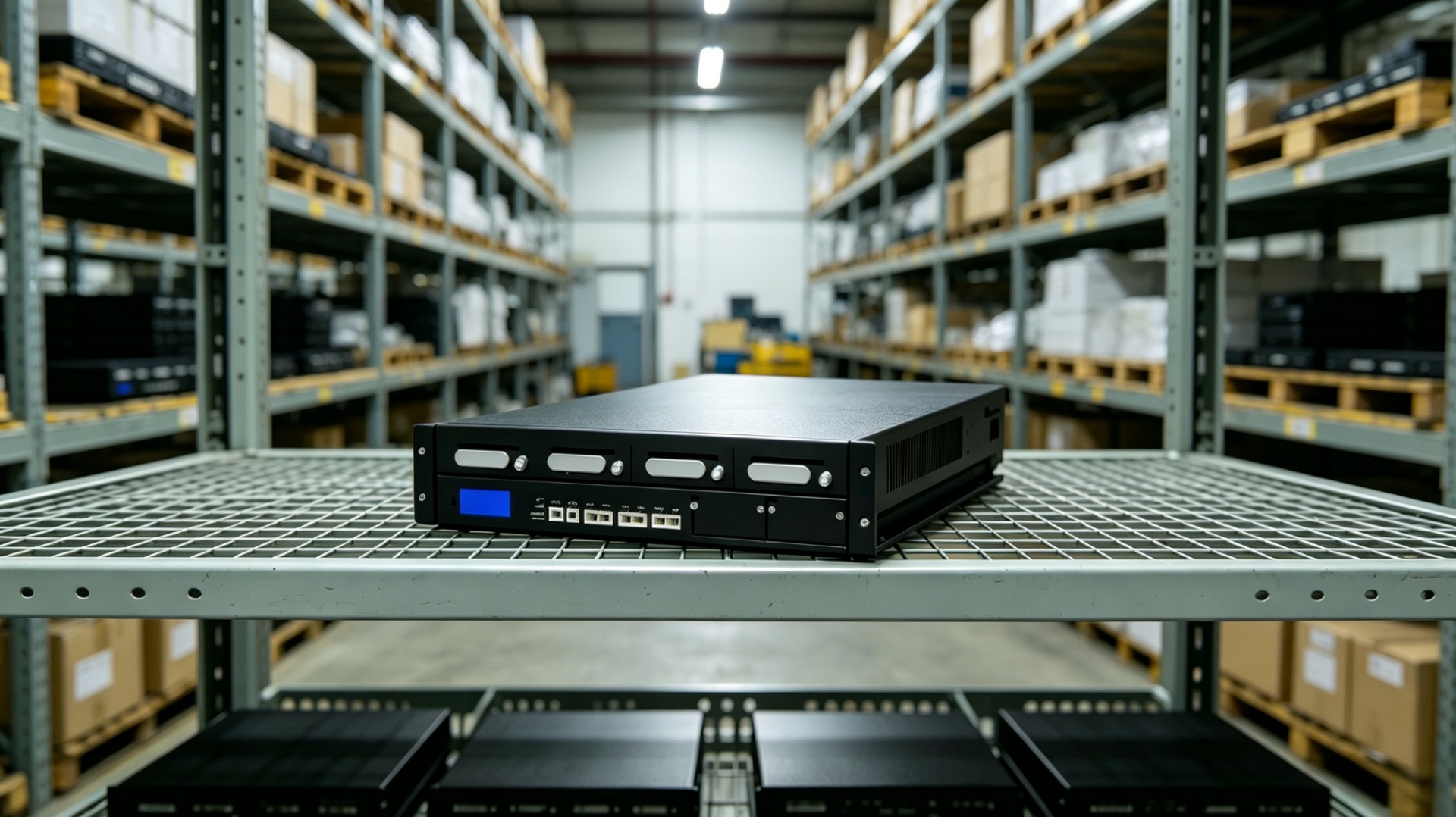
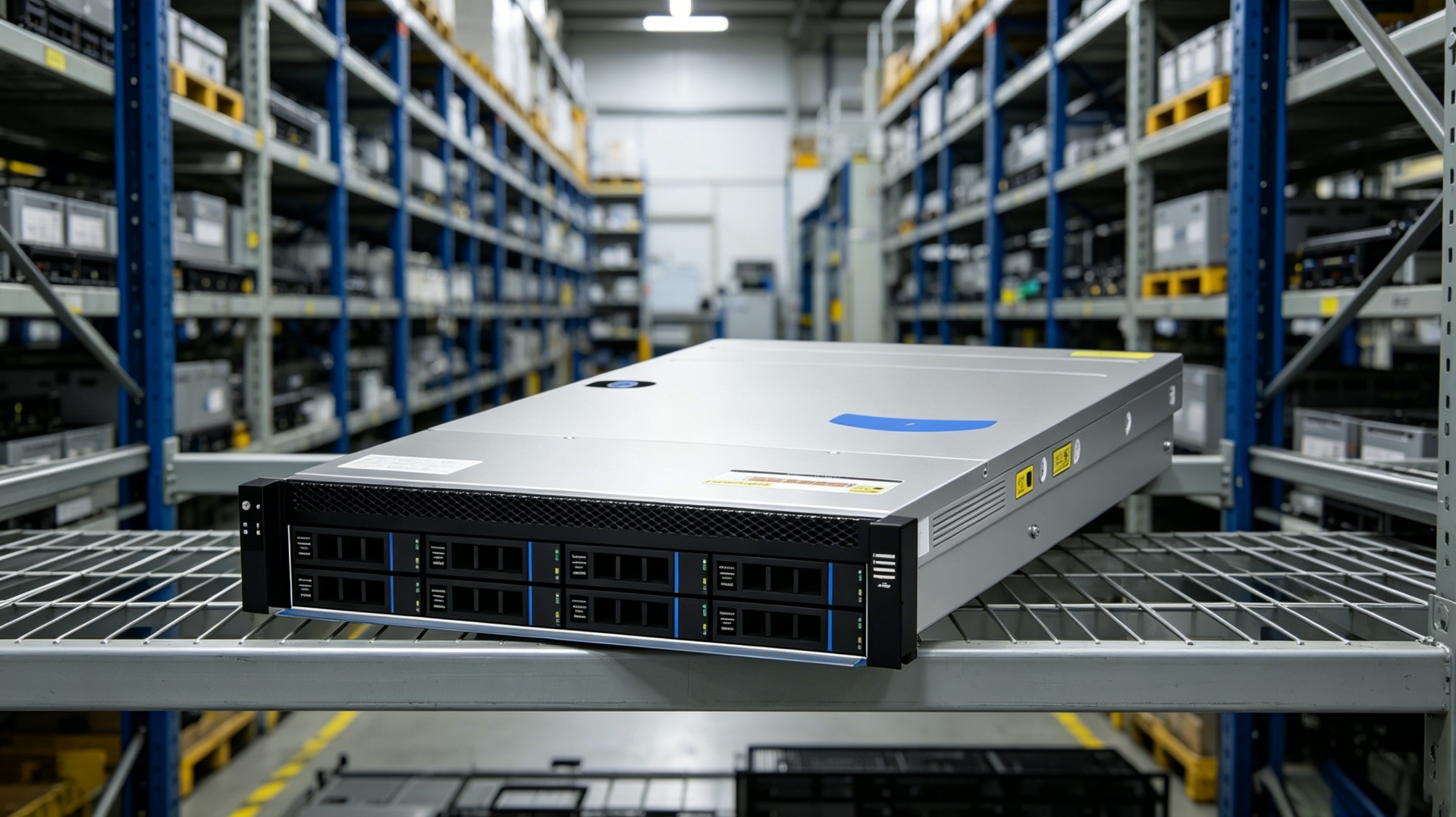
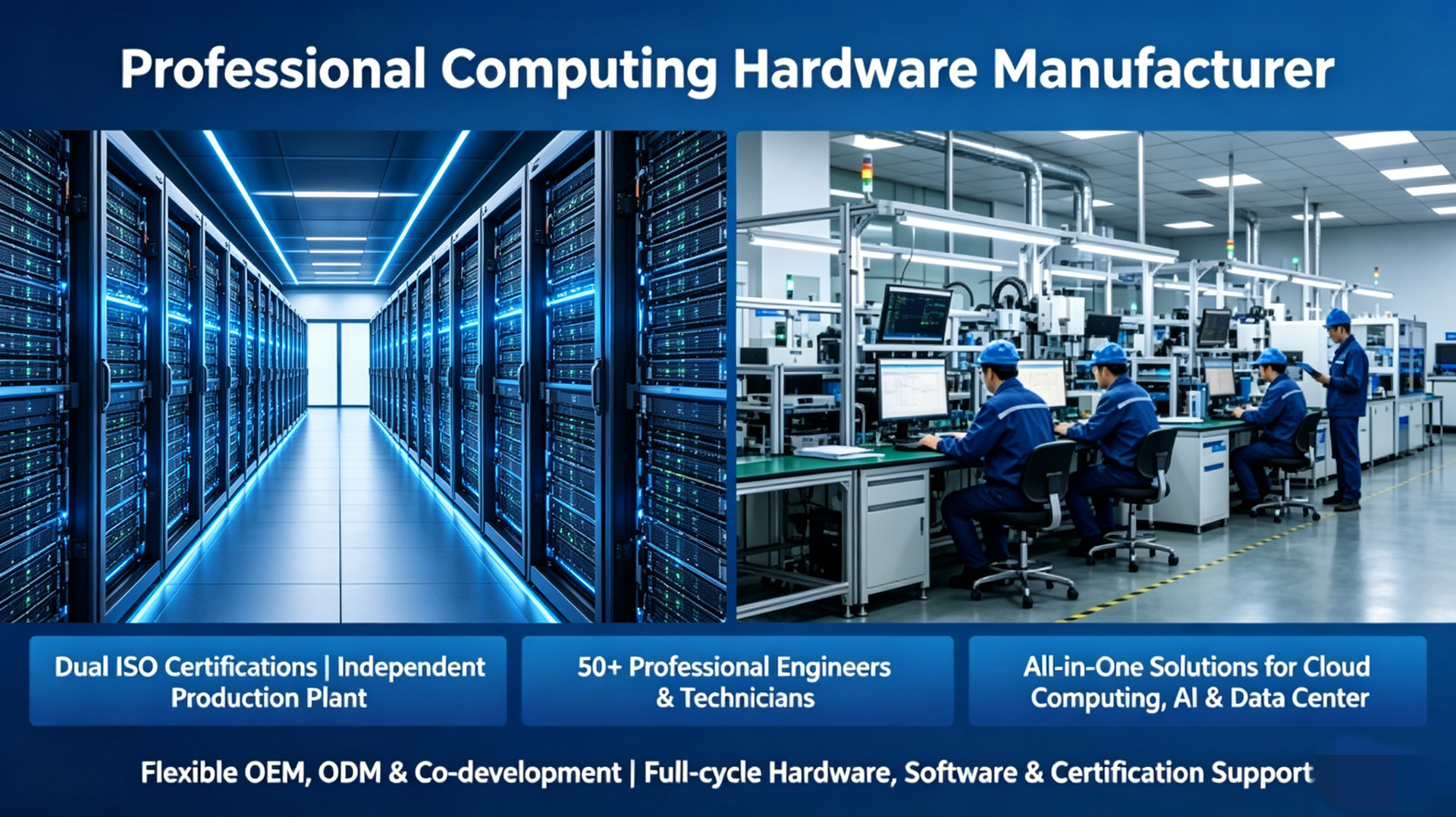
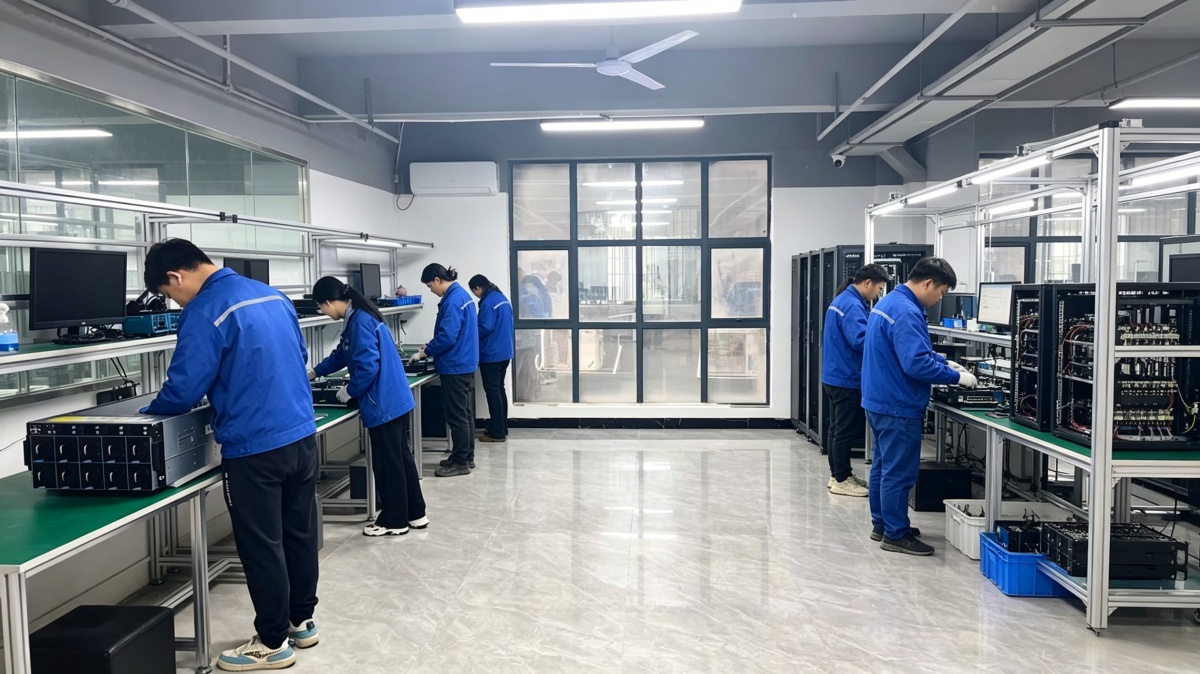
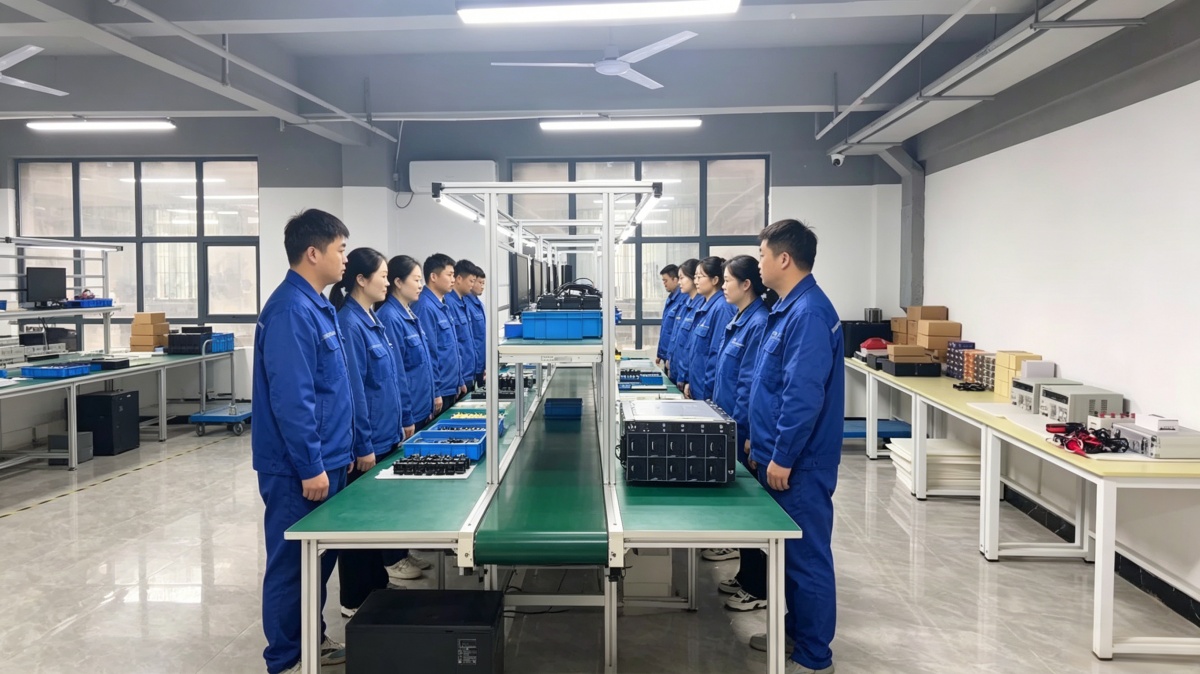
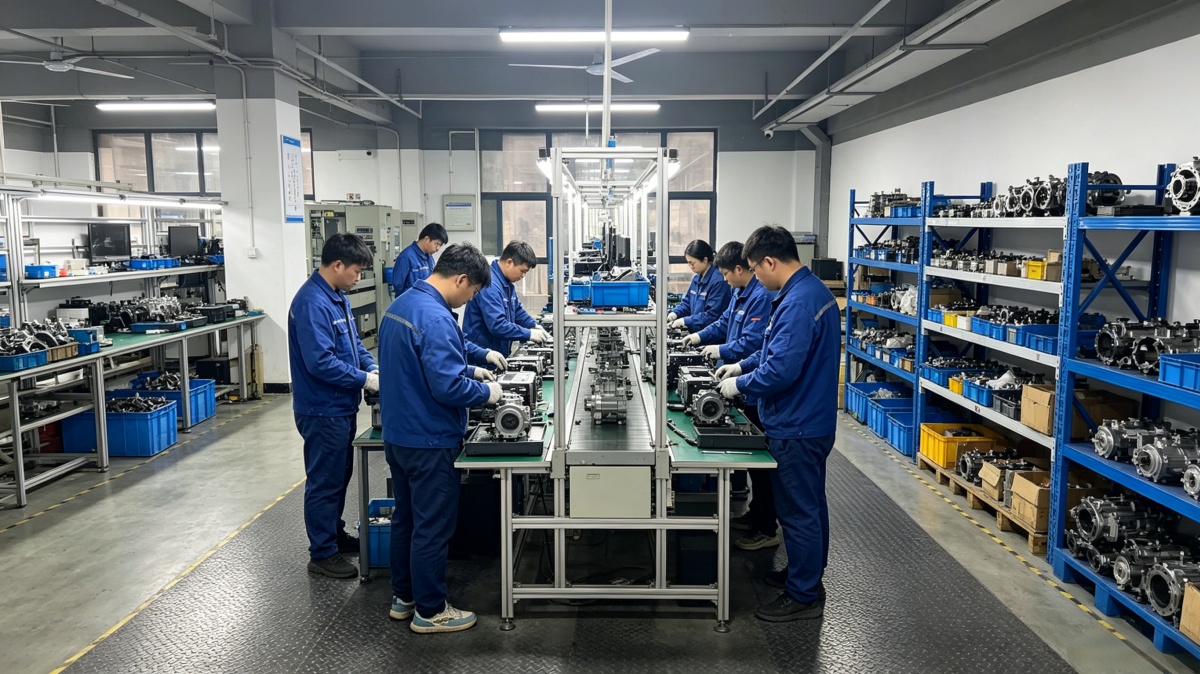
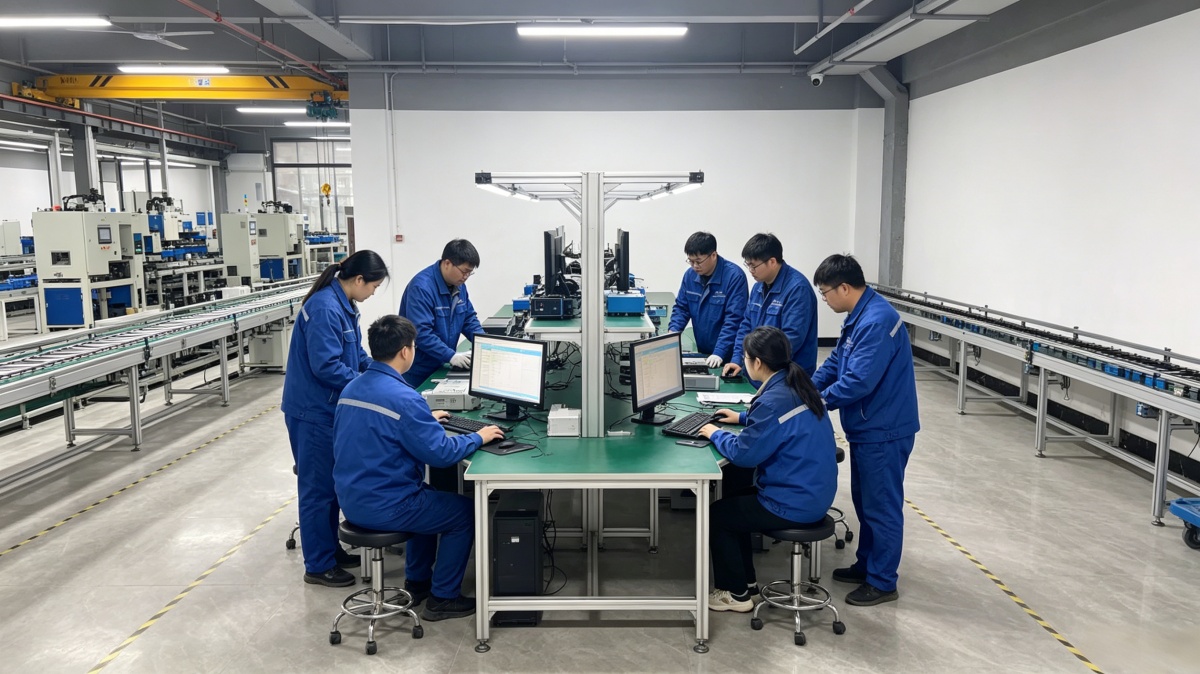
To become the most trustworthy one-stop manufacturer of customized industrial computing hardware for global commercial data scenarios. We will continue to increase investment in R&D and quality control, continuously upgrade our full-process OEM/ODM customization capabilities, and deliver stable and efficient hardware solutions. We aim to help global clients expand their business footprint in the fields of cloud storage, computing power operation, and cybersecurity.

From custom sheet metal chassis stamping to high-frequency PCB backplane routing and bios customization.
Custom 1U to 8U depth specifications (550mm, 650mm, 800mm+), anti-vibration drive cage damping, hot-swap drive carrier design, and optimized front-to-back pressure cooling tunnels tailored to your rack layout.
Development of direct-routed NVMe Gen4/Gen5, 24G SAS4, and dual-expander backplanes with high-layer PCB impedance control, power fail-safe capacitors, and intelligent SES-3 enclosure telemetry integration.
Custom UEFI BIOS splash screens, BMC / OpenBMC remote management configurations, customized fan speed curve programming, and global compliance testing (CE, FCC, RoHS, ISO9001, ISO14001).
Key technical answers to common queries in enterprise cloud architecture and server rack selection.
The optimal RU height depends on your primary performance metric: IOPS density or storage capacity density. For ultra-high IOPS and sub-millisecond latencies, 1U and 2U all-flash NVMe systems provide maximum bus concentration. For raw petabyte capacity (warm/cold archival), 4U and top-loading 4U/8U chassis housing 24 to 60+ 3.5-inch drives offer the lowest storage cost per gigabyte.
High-density PCIe Gen4/Gen5 NVMe SSDs generate substantial concentrated heat (up to 25W per drive). Deployments require counter-rotating, high-static-pressure fans (often exceeding 15,000 RPM in 1U/2U form factors) combined with custom aluminum heat sinks and precision air shrouds to prevent thermal throttling under sustained sequential writes.
Yes. Many modern AI pipelines utilize 5U, 7U, and 8U hybrid servers that combine multiple full-height GPU accelerators with extensive NVMe/SAS drive arrays. This eliminates external network latency during training epochs, allowing datasets to reside on high-speed direct backplanes right alongside AI inference engines.
With our in-house sheet metal processing, CNC milling, precision laser cutting, and certified assembly workshops in Shenzhen, we support rapid 3D prototyping, thermal simulation, DFM (Design for Manufacturing) reviews, and smooth scaling from initial sample verification to thousands of mass-produced units.
Explore our comprehensive lineup of rackmount computing engines, AI training barebones, and enterprise-grade storage server chassis.