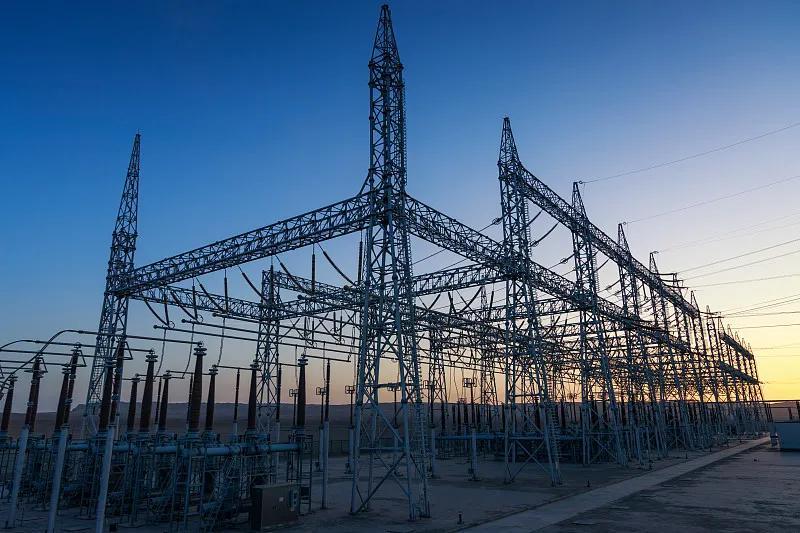
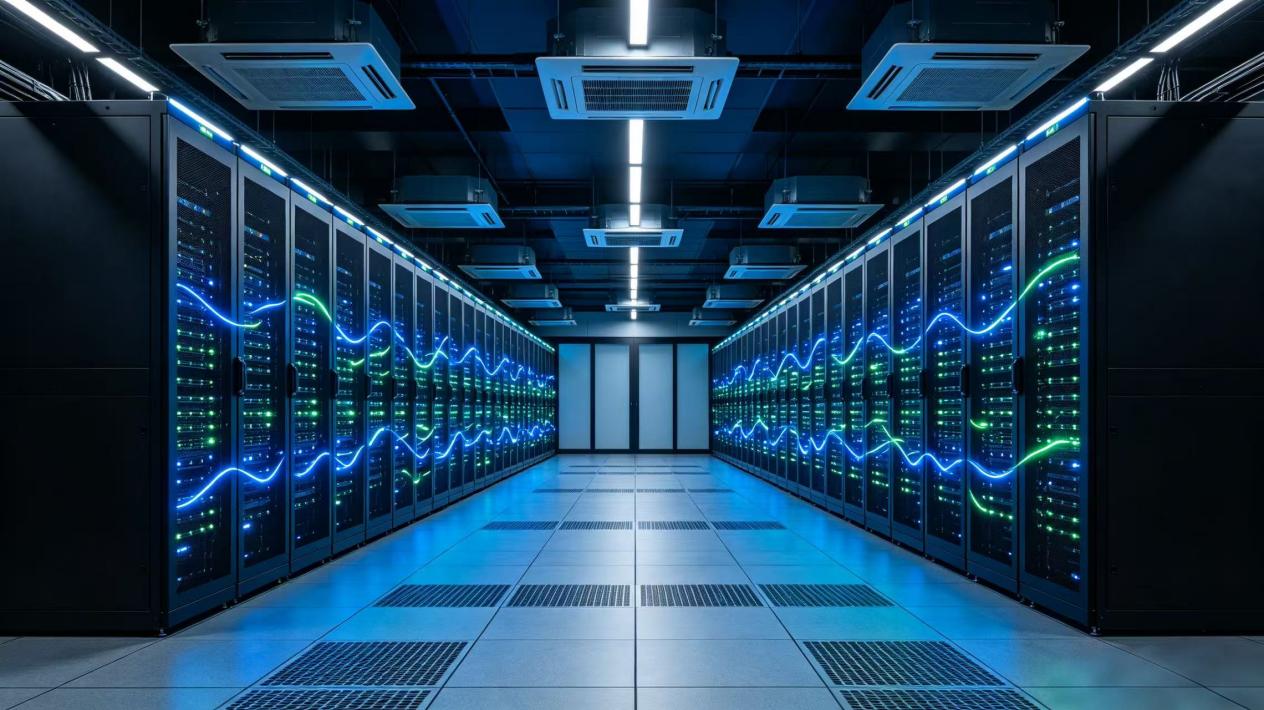
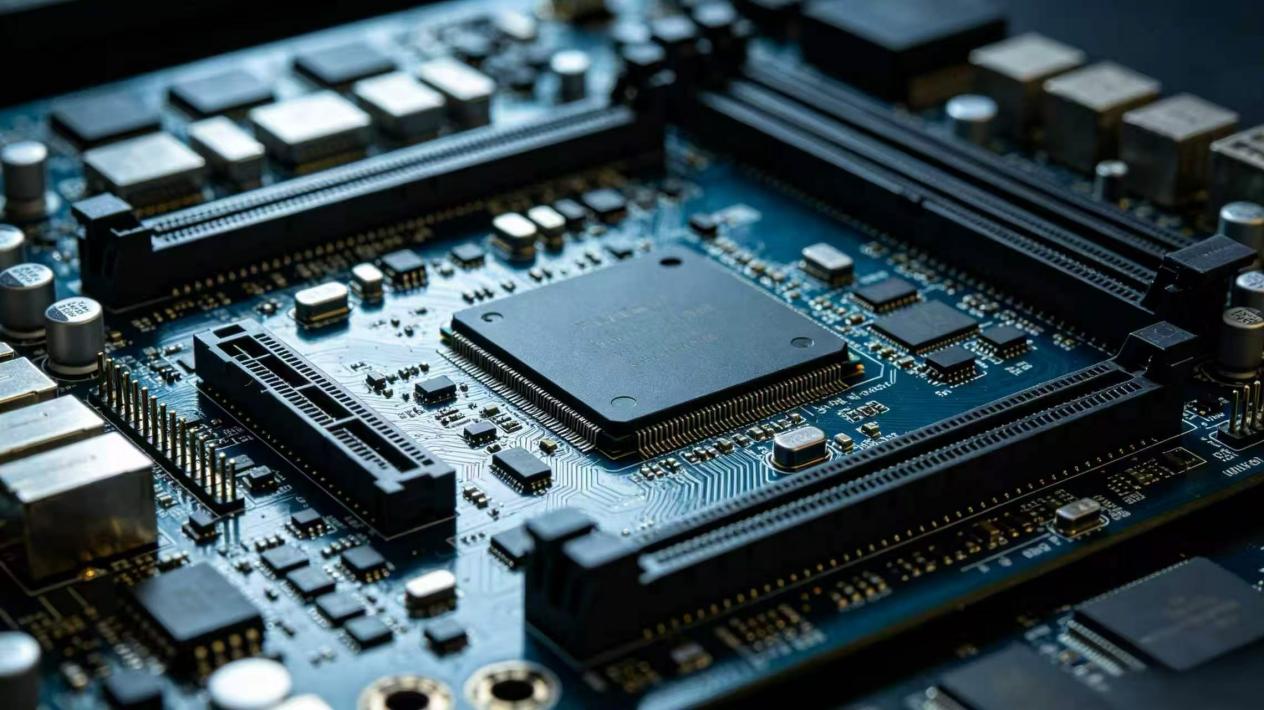
Computing Hardware Empowers Digital Transformation in the Energy Industry
By building an integrated digital foundation with high-performance industrial computing and storage hardware, the energy industry can establish a scalable and highly stable energy digital system, accelerating the digital upgrade of the power and new energy sectors.
Refined Energy Load Management
Utilizing industrial servers and edge computing hardware to collect comprehensive data on energy consumption, environment, and operations and maintenance, real-time intelligent analysis of regional electricity load can be conducted to accurately predict peak electricity demand and balance the supply of new energy power generation with user electricity demand.
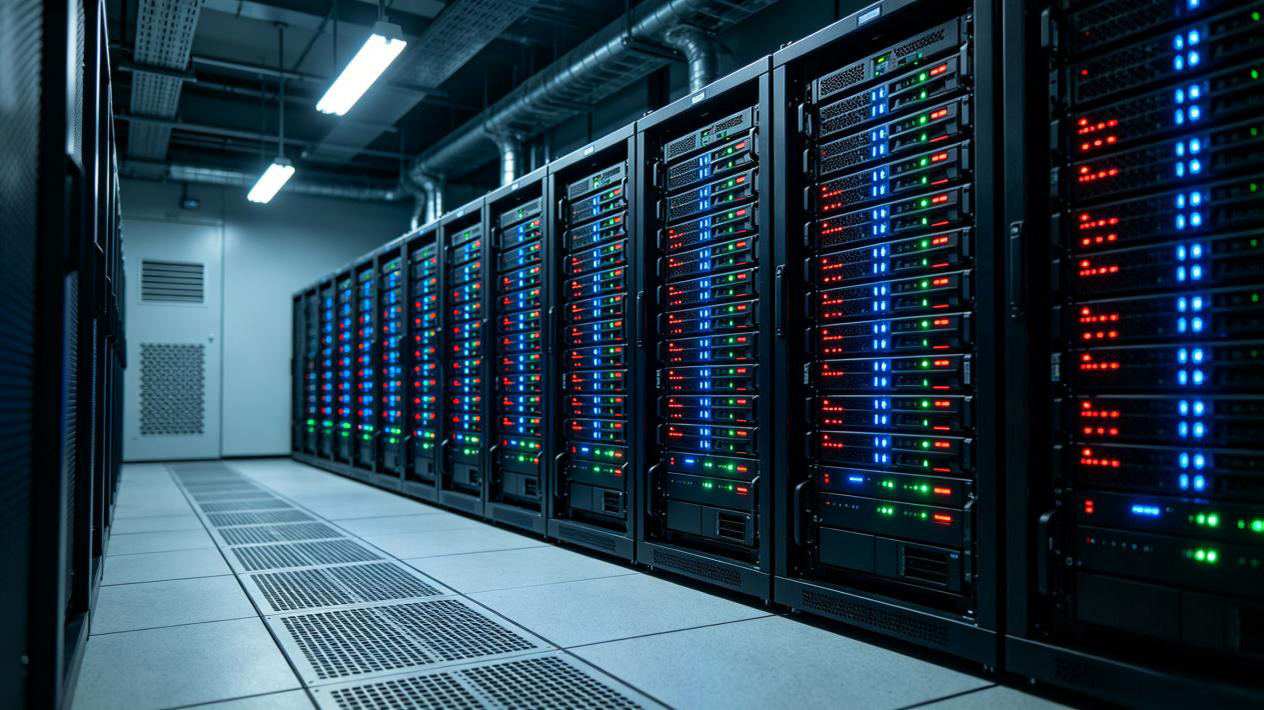
Digital Transformation of Energy Operations and Maintenance
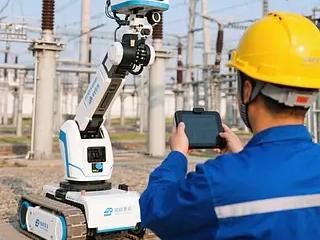
Empowering frontline operations and maintenance teams with computing hardware as the underlying support, coupled with secure industrial control hosts, virtual operations and maintenance terminals, and AR inspection equipment, enables remote digital operations across all scenarios, significantly reducing offline inspection and maintenance costs.
Efficient Energy Transmission and Scheduling
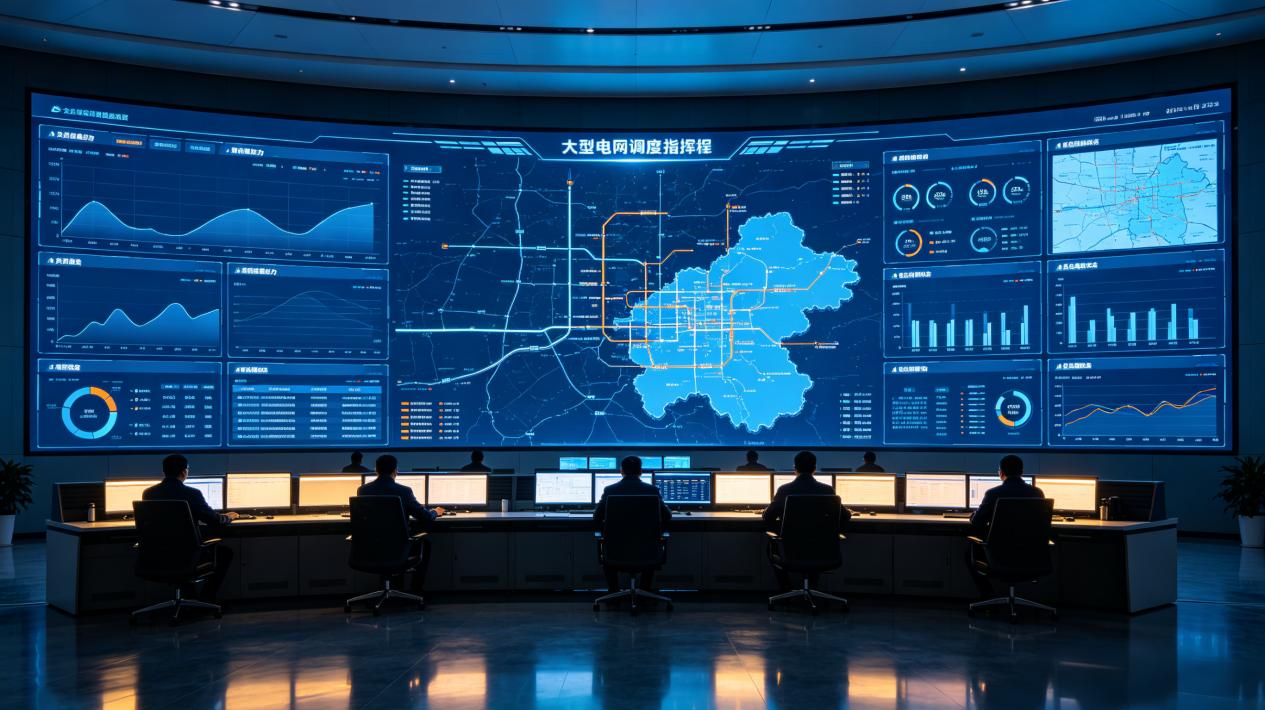
Relying on edge storage hardware, scalable sensor networks, and real-time diagnostic computing equipment, the power grid scheduling process is simplified, energy transmission bottlenecks are broken, and the transmission efficiency of clean energy sources such as photovoltaic and wind power is improved.
Modernizing Energy Infrastructure
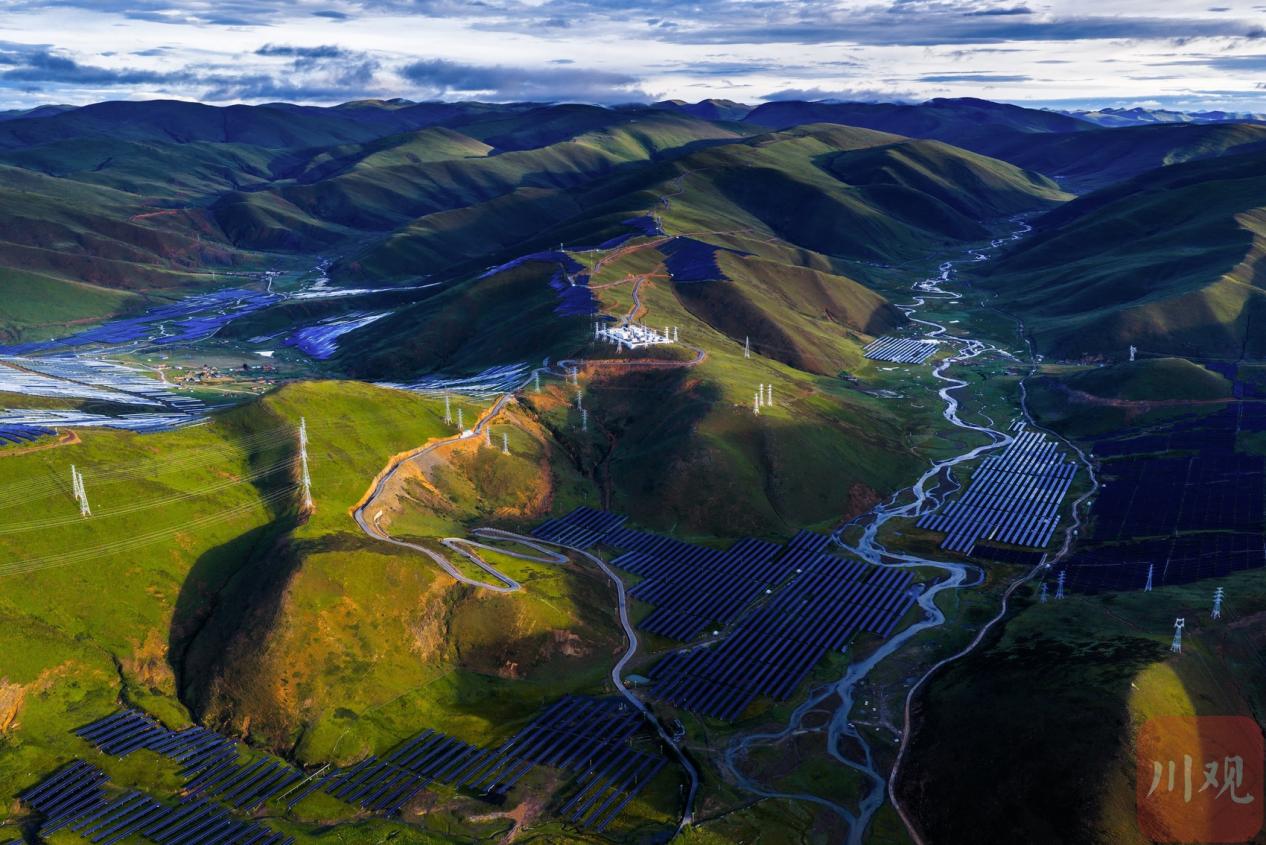
Utilizing standardized industrial computing hardware to build multi-node computing clusters, equipped with intelligent fault prediction algorithms, to quickly locate faults in the power grid and photovoltaic equipment, reducing human error and completing the intelligent transformation of traditional energy infrastructure.
Ensuring Energy Data Security and Disaster Recovery
Building a resilient IT architecture based on highly reliable storage hardware, and protecting core and sensitive power operation data through multiple backup systems, ensuring the continuous and stable operation of the power grid 24/7, achieving rapid fault recovery, and mitigating data security risks in the energy system.