AI Computing Power Drives Comprehensive Digital Transformation in the Energy Industry
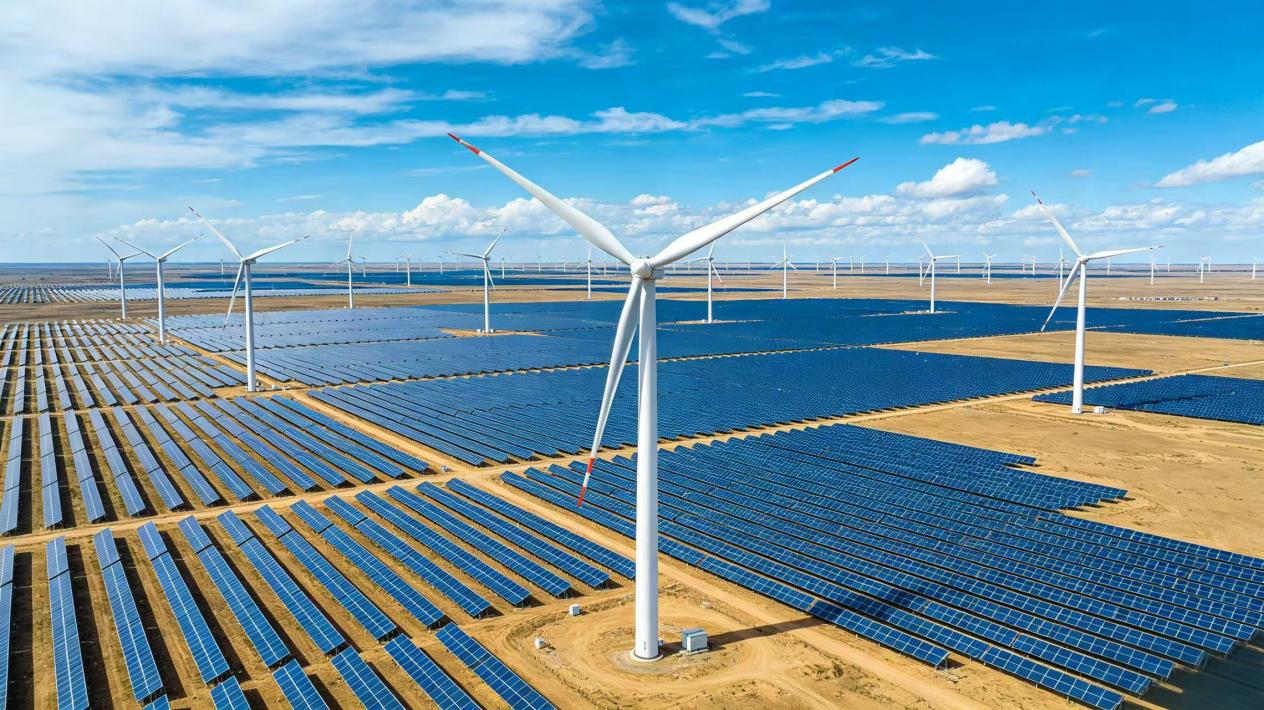
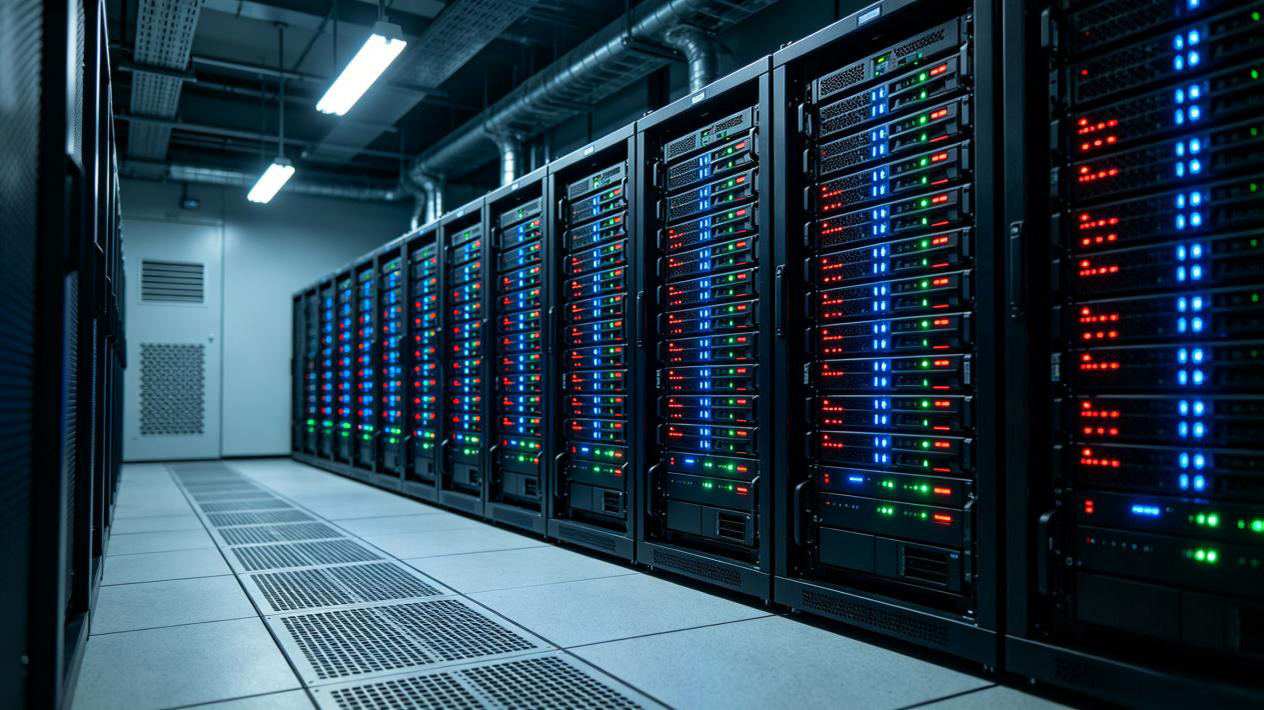
The global energy industry is currently undergoing rapid transformation, with continuously rising energy consumption forcing the entire industry chain to accelerate technological upgrades. Oil and gas companies are increasing investment in digital technologies to improve extraction efficiency and equipment stability while enriching the energy supply structure and balancing production costs with low-carbon emission reduction targets. Meanwhile, power utilities are simultaneously modernizing their infrastructure to cope with the increased electricity load brought about by the explosive growth of artificial intelligence and data centers, optimizing the entire process of electricity forecasting, fault response, and power generation and storage scheduling through computing hardware and AI algorithms.
Key Industry Data Insights
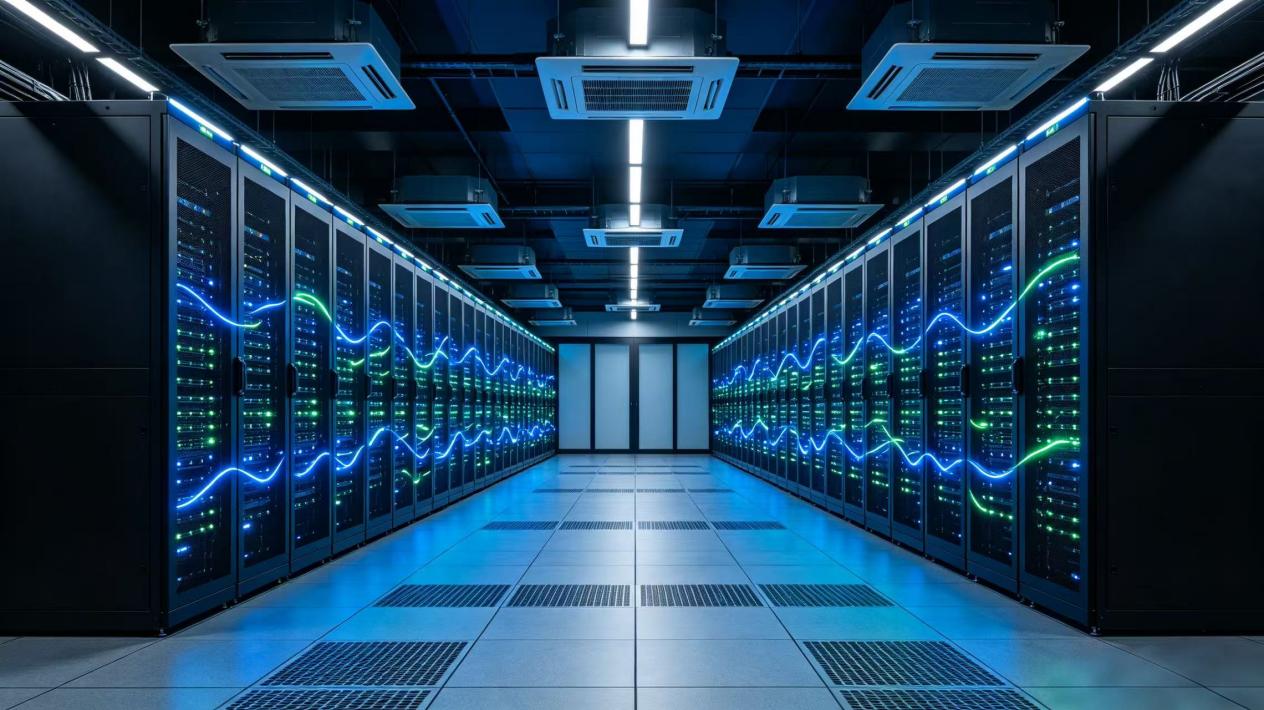
Computing Power Electricity Demand Surges Fourfold
It is predicted that by 2030, driven by the expansion of the AI industry, the total electricity demand from optimized data center operations will increase to four times the current level, posing new challenges to grid capacity and new energy supply.
AI Extends Oil and Gas Equipment Lifespan by 25%
By using intelligent monitoring and computing power analysis technologies to manage oil well conditions, the oil and gas industry can extend the overall production lifespan of oil and gas wells by 25%, significantly reducing equipment replacement and downtime maintenance costs.
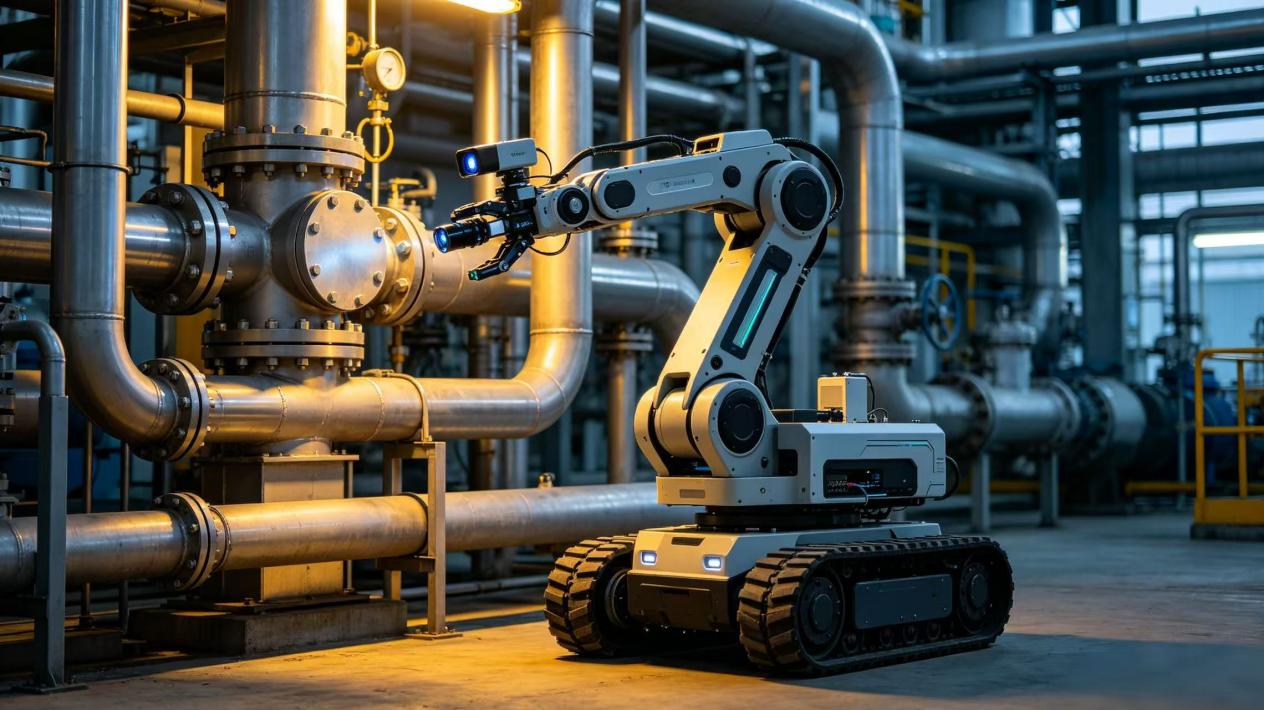
Over 70% of power companies have implemented smart grid systems.
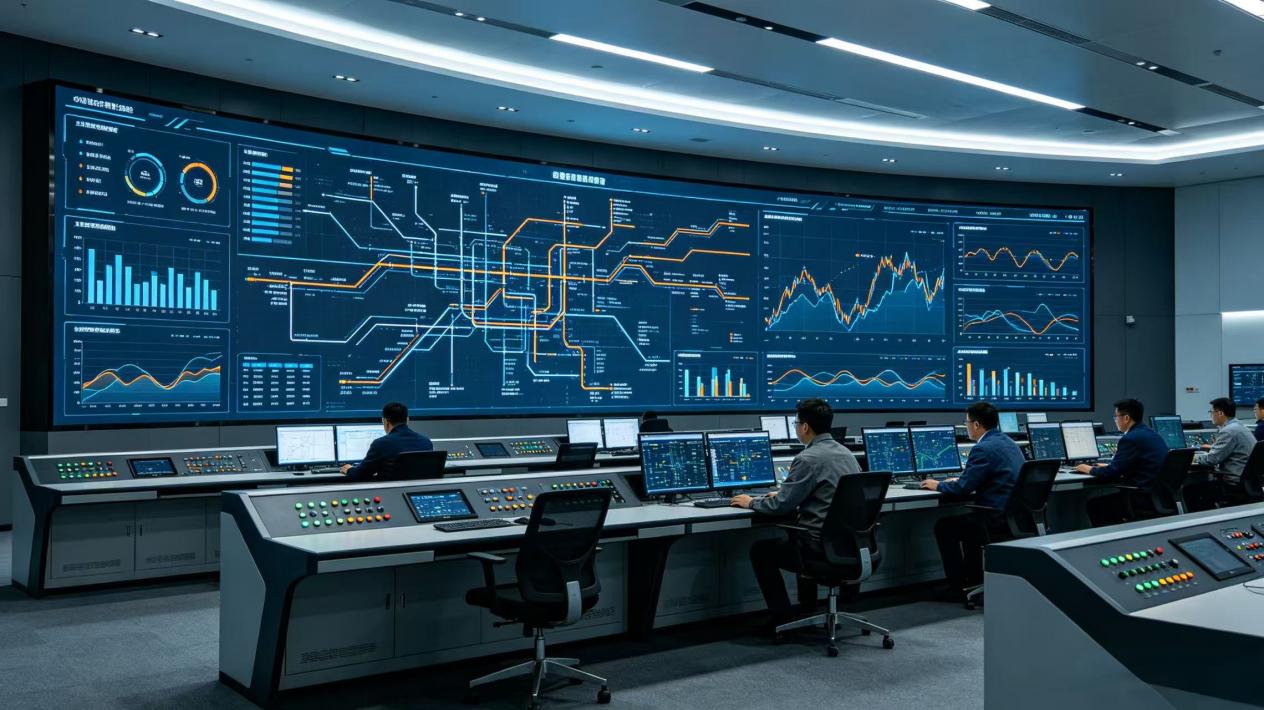
76% of overseas utilities have adopted AI-powered distribution and transmission management platforms for daily grid maintenance and power outage risk simulation and prediction, effectively reducing the probability of large-scale power outages.
Core Value of Digital Transformation
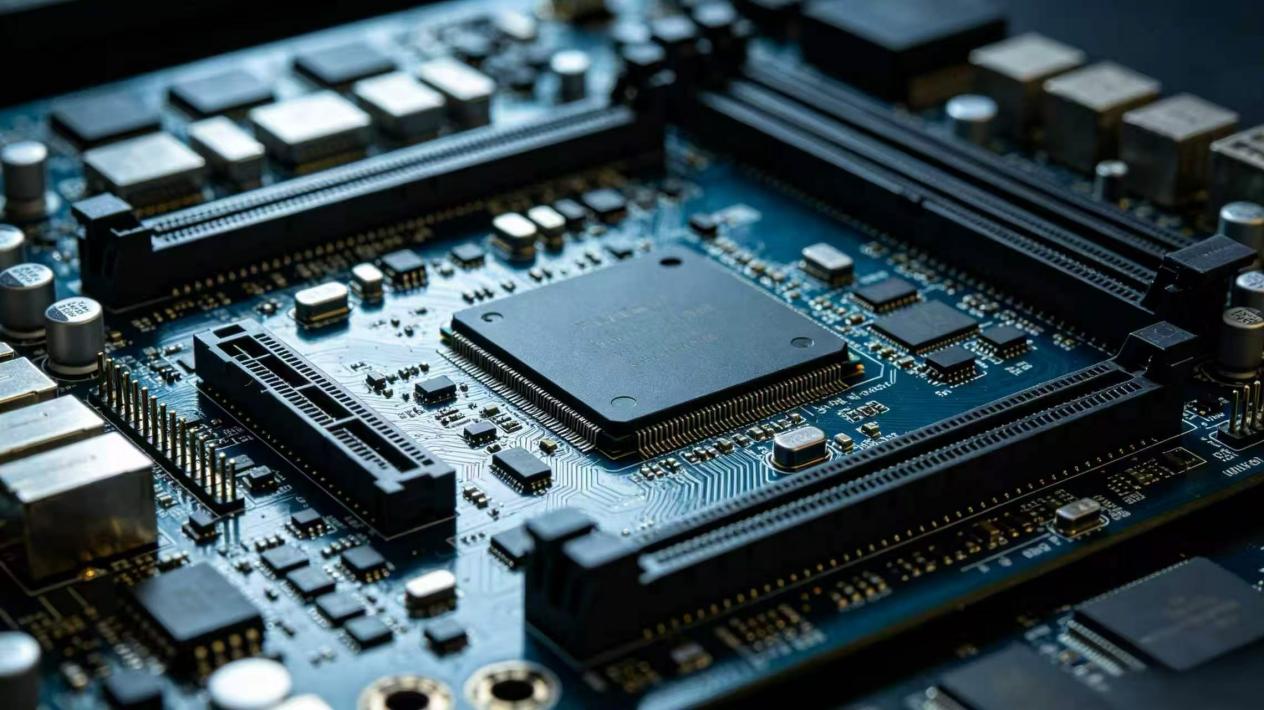
Relying on underlying computing hardware such as industrial servers and edge storage, AI technology connects data across the entire chain of oil and gas extraction, photovoltaic power generation, and urban power transmission and distribution. On the one hand, it accurately predicts regional peak electricity demand and coordinates the output of clean energy sources such as photovoltaics and wind power; on the other hand, it monitors the health status of oil and gas and power equipment in real time, providing early warnings of faults. This entire digital solution alleviates the power supply pressure brought by AI computing power, improves the utilization rate of traditional energy assets, and balances low-carbon development with stable energy supply, becoming a core support for the transformation of the energy industry.