Leave Your Message
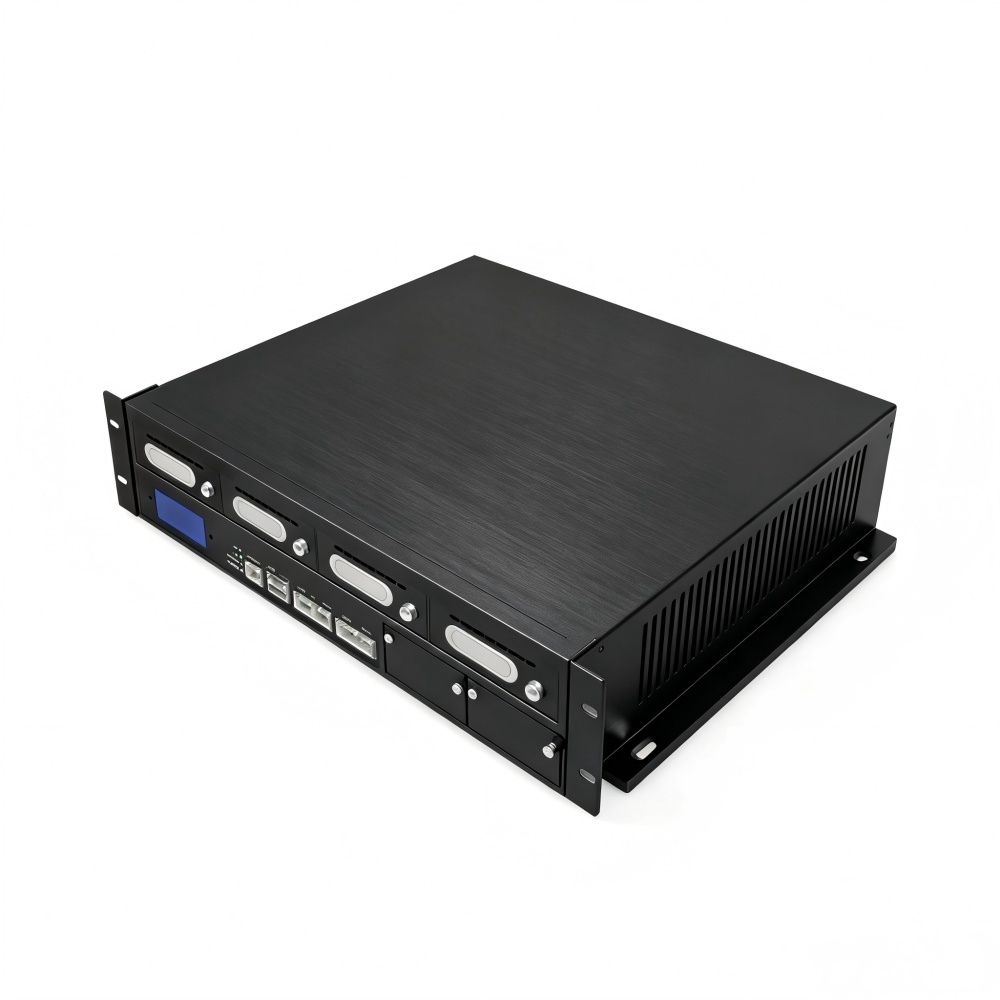
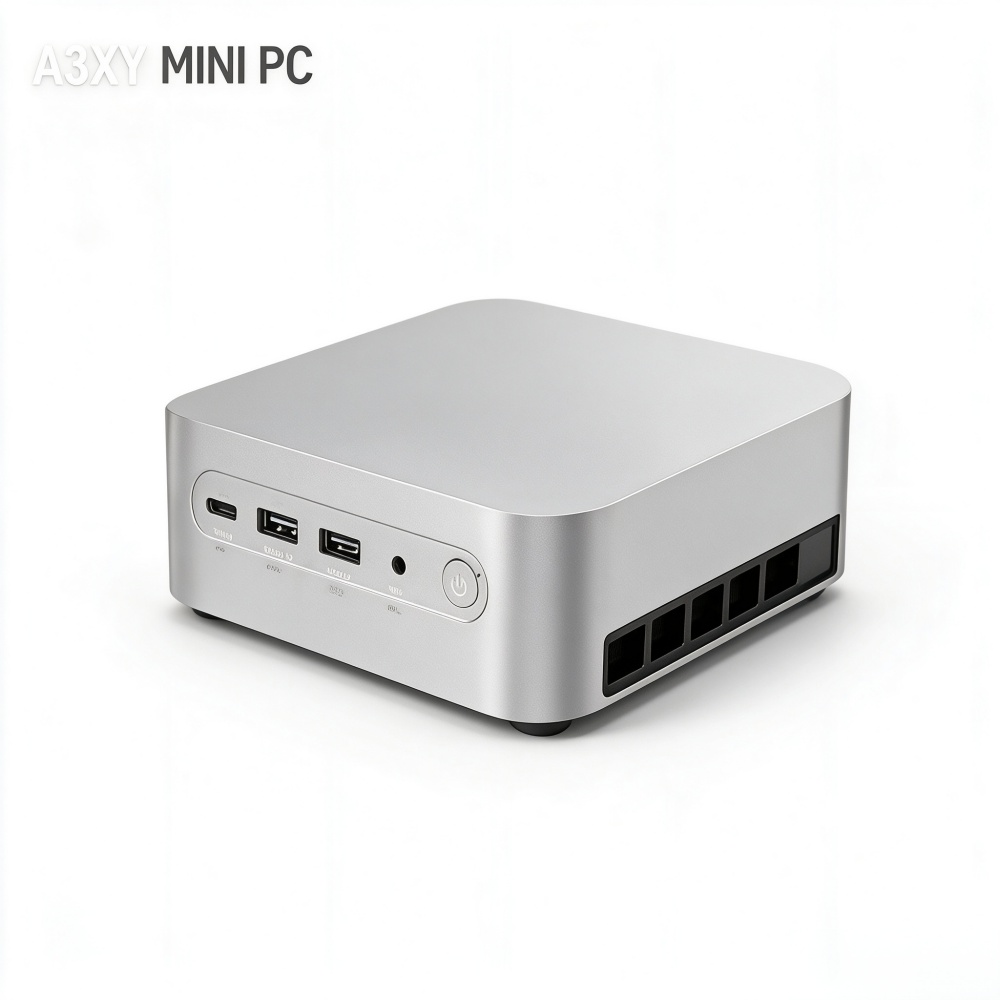
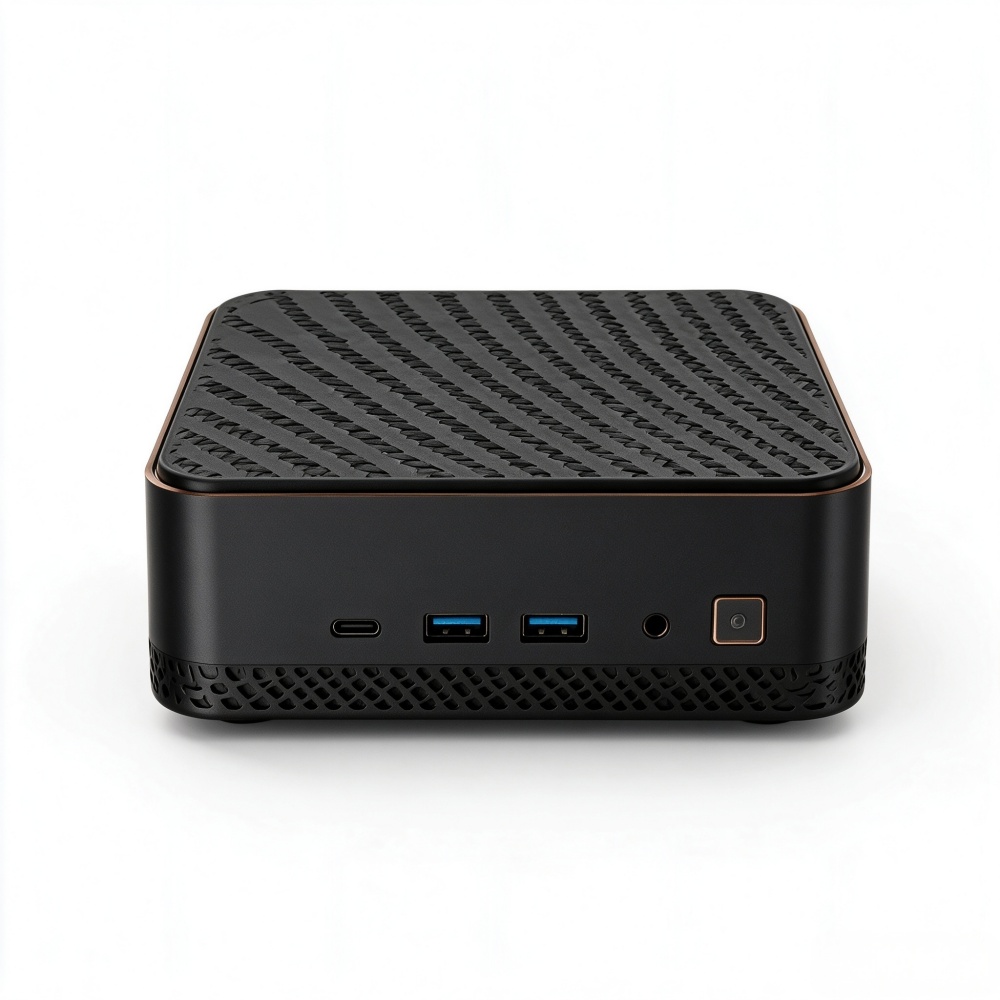
Ultra-compact footprints equipped with multi-core processors, specialized I/O isolation, and fanless heat dissipating enclosures tailored for field deployment.
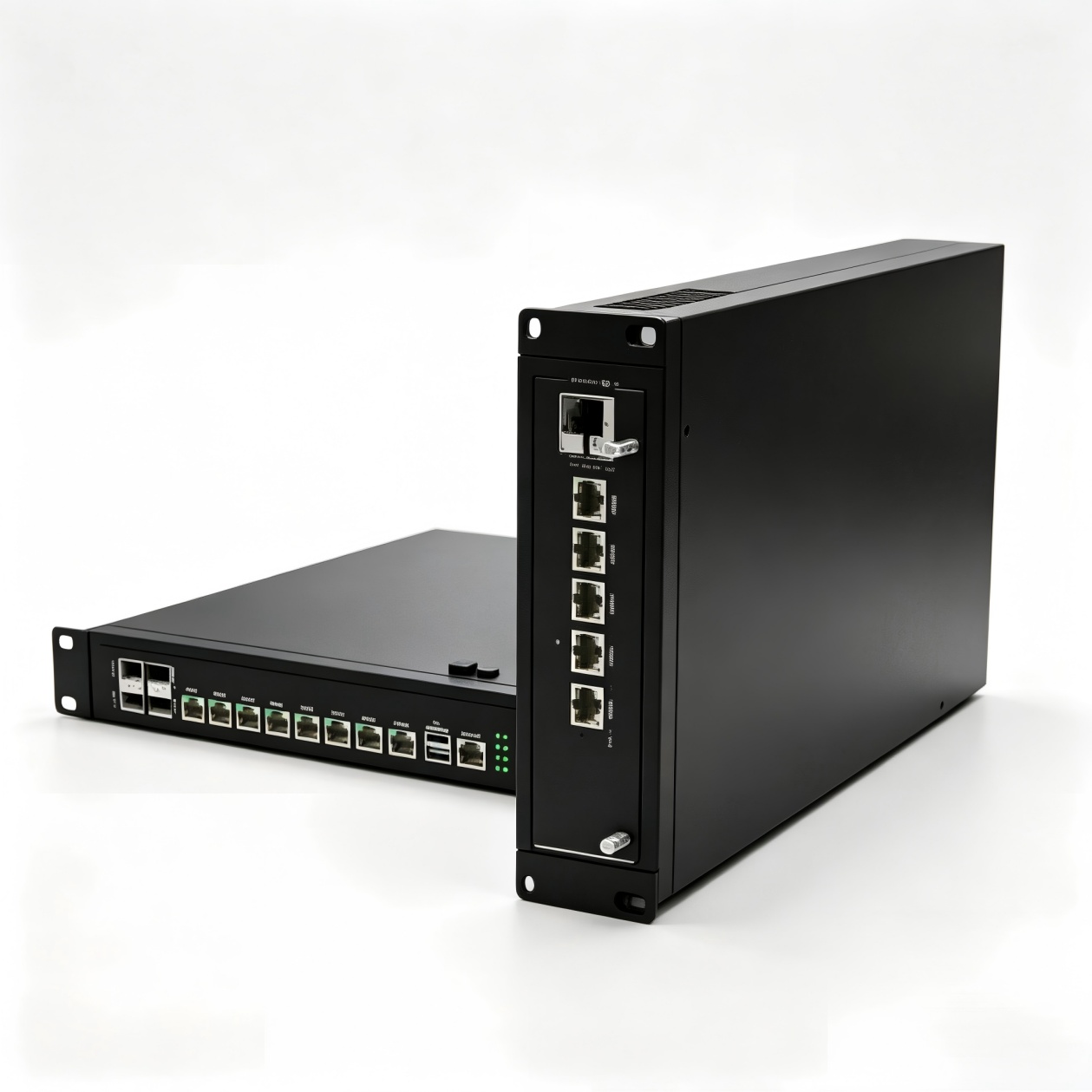
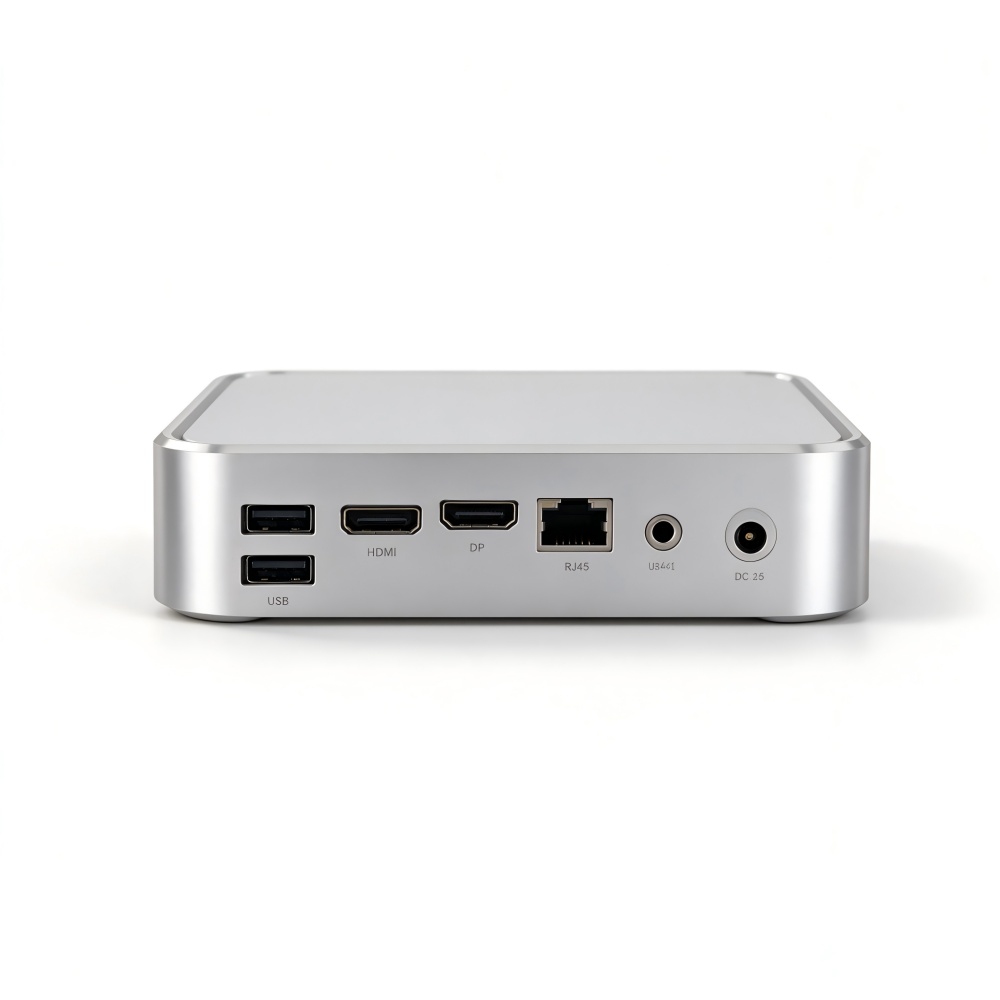
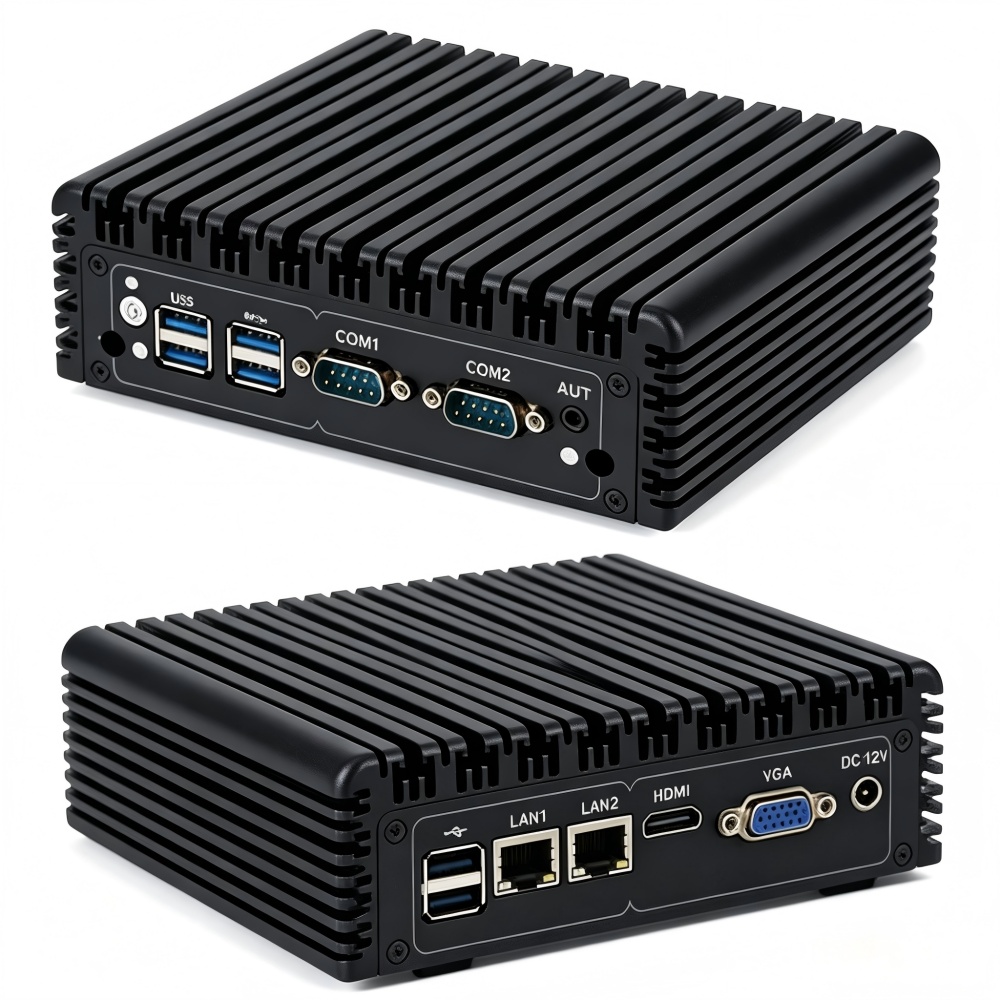
The Fourth Industrial Revolution (Industry 4.0) has radically reorganized how operational technology (OT) interfaces with enterprise information technology (IT). Traditionally, industrial telemetry and sensor feeds were routed either to heavy on-premises server racks or transmitted via cloud infrastructure over cellular and fiber backhauls. However, the unprecedented explosion of high-bandwidth computer vision, real-time closed-loop predictive maintenance, robotic spatial awareness, and decentralized AI inference has rendered purely centralized cloud models inefficient, financially unsustainable, and vulnerable to network latency and outages.
This critical infrastructure gap has catalyzed the widespread adoption of mini portable PCs engineered specifically for edge computing in harsh industrial environments. Unlike standard enterprise minicomputers or consumer-grade mini PCs that quickly succumb to thermal throttling, airborne dust accumulation, and vibration-induced connector fatigue, industrial-grade edge computers deliver localized processing directly at the point of data generation. These ruggedized appliances empower system integrators and automation engineers to process complex neural network algorithms locally, filter terabytes of raw telemetry in microseconds, and enact instantaneous deterministic control without transmitting high-bandwidth raw feeds over congested wide-area networks.
Local decision-making cycles measured in single-digit milliseconds eliminate round-trip network lag, making edge inferencing viable for high-speed robotic guidance and visual quality inspection.
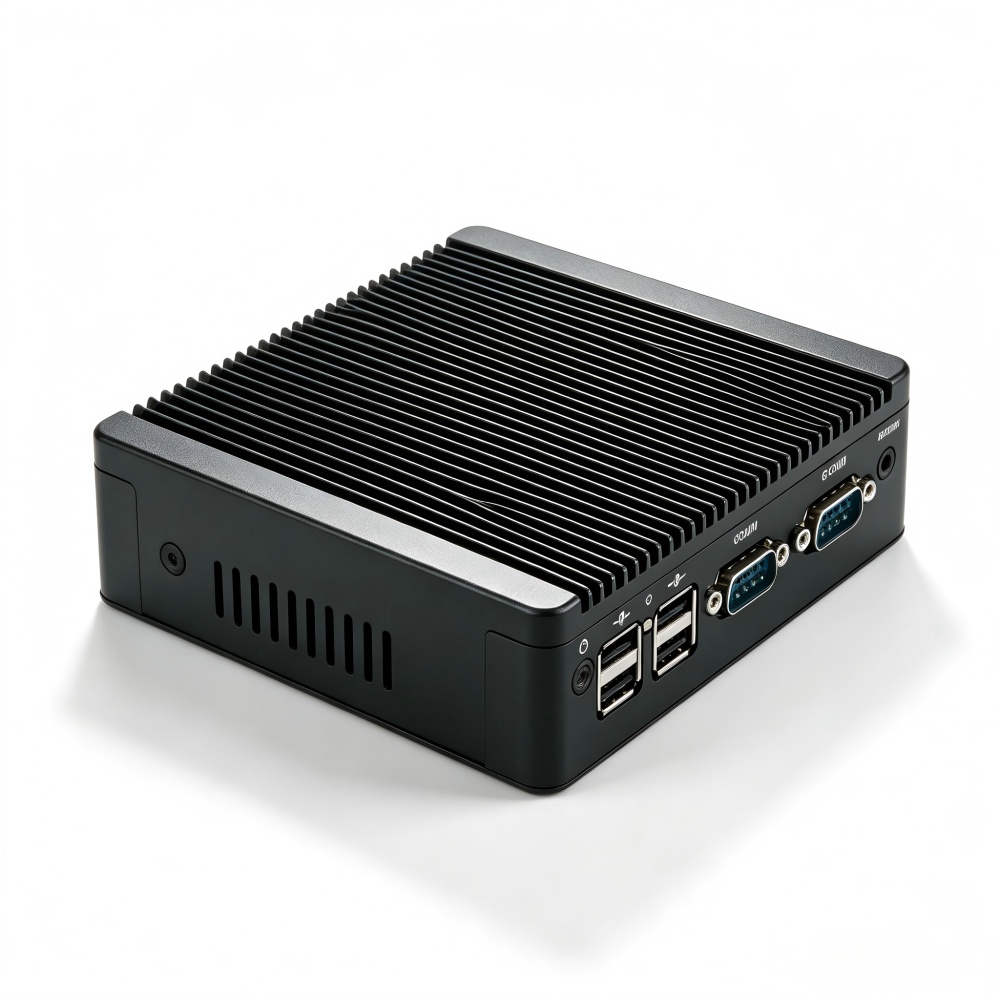
Completely fanless aluminum enclosures sealed against dust, abrasive shavings, and chemical vapors safeguard sensitive motherboards against environmental degradation and mechanical shock.
Rich connectivity ecosystems integrating multi-channel RS-232/422/485 serial buses, isolated GPIO, dual Gigabit/2.5GbE Ethernet with PoE+, and CAN bus protocols for legacy and modern machinery.
According to current market intelligence, the global edge computing hardware sector is expanding at a compound annual growth rate (CAGR) surpassing 25%. This rapid adoption is propelled by heavy industrial sectors such as automated automotive assembly, semiconductor cleanrooms, metallurgical manufacturing, petrochemical refineries, and modern logistics sorting hubs. In these environments, deploying traditional desktop towers or server chassis is functionally impossible due to physical footprint constraints, high ambient heat, presence of conductive airborne particles, and excessive mechanical vibrations.
Consequently, procurement managers and plant engineers are standardizing on mini portable PCs. These modular micro-form-factor devices offer mounting flexibility across standard DIN rails inside crowded electrical control cabinets, direct attachment via VESA brackets behind industrial touch displays, or bolt-down installations inside automated guided vehicles (AGVs) and autonomous mobile robots (AMRs). The convergence of powerful lower-TDP architectures—ranging from high-efficiency ARM Cortex systems (such as the RK3568 with integrated NPU) to performance-hybrid x86 processors (such as Intel Core i3/i5/i7 and Alder Lake N95/N100)—allows hardware designers to deliver enterprise-class compute density within ultra-compact thermal envelopes.
Operating a mini PC in a conditioned commercial office is vastly different from maintaining uninterrupted 24/7 uptime in a harsh industrial plant. In the field, hardware encounters dynamic stressors that rapidly destroy commercial electronics. High-reliability edge engineering relies on five foundational pillars:
Traditional cooling fans draw in dust, conductive metal filings, and moisture that clog bearings and short-circuit silicon. Industrial mini PCs use high-density 6063 aluminum extruded finned chassis as solid-state external heatsinks, conducting thermal energy via copper heat-pipes directly away from the CPU, GPU, and voltage regulators.
Factory floors, rooftop installations, and mining rigs fluctuate between blistering heat and sub-zero chill. Rugged mini PCs employ automotive and industrial-grade capacitors, silicon, and solid-state storage rated for seamless cold boot and continuous thermal cycling across temperatures from -20°C up to +70°C.
Heavy stamping presses, mining excavators, and moving marine vessels generate severe continuous vibration and mechanical shocks. Edge PCs replace legacy spinning hard drives with soldered or locking M.2 NVMe SSDs, cableless internal interconnects, and MIL-STD-810G tested damping brackets.
Industrial power supplies are notoriously dirty, characterized by voltage drops, inductive spikes, and electromagnetic interference (EMI). Industrial edge mini PCs feature wide DC input ranges (such as 9V to 36V DC) equipped with over-voltage, reverse-polarity protection, and optocoupler galvanic isolation.
Whether operating in a washdown food processing facility or a cement quarry shrouded in silica dust, rugged mini PCs utilize precision CNC-machined seams, rubberized gasket seals, and optional M12 industrial circular connectors to guarantee ingress protection against particles and water jets.
Remote edge deployments often run headless without human operators nearby. Integrated dual-tier hardware Watchdog Timers (WDT) continuously monitor operating system kernel states, automatically initiating a clean cold reboot in the rare event of an application deadlock or software fault.
Mini portable edge computers are no longer passive data loggers; they are the intelligent brains powering mission-critical automation across demanding global verticals. Below is an architectural examination of where these rugged hosts generate decisive operational advantages:
In high-speed beverage bottling, precision PCB surface-mount manufacturing, and metal stamping lines, optical inspection cameras capture hundreds of high-resolution image frames every second. Transmitting these multi-gigabyte video streams to cloud servers is unfeasible due to bandwidth costs and latency. A rugged mini PC mounted directly alongside the conveyer line—equipped with dual Intel Gigabit LAN or 2.5GbE ports, multi-core processing, and onboard AI acceleration—runs neural network models (such as YOLO or specialized segmentation algorithms) locally. Defective parts are classified and pneumatically ejected within less than 15 milliseconds, achieving 99.99% quality assurance without slowing the production line.
Extraction fields represent the pinnacle of harsh industrial environments, characterized by corrosive salt-mist atmospheres, combustible vapors (Class I, Div 2 / ATEX zones), and massive kinetic vibrations from rotary drills and reciprocating pumps. Compact fanless industrial PCs act as localized SCADA nodes and edge IoT gateways, collecting telemetry from high-pressure transducers, vibration sensors, and gas detectors. Sealed aluminum enclosures resist salt fog oxidation, running continuous predictive anomaly detection algorithms that predict bearing seizures and pipeline fatigue well before catastrophic failures occur.
Modern fleets of trains, emergency vehicles, municipal buses, and autonomous construction trucks depend on edge computers for in-vehicle surveillance, autonomous vehicle guidance, telematics, and fare collection. These environments present fluctuating vehicle alternator power (such as standard ISO 7637-2 load dump transients) and intense motion. Mini portable PCs featuring wide-voltage DC inputs with ignition delay power management shut down safely with vehicle ignition cycles while enduring continuous road shock, providing dependable localized AI video analytics and multi-carrier 5G/GPS connectivity.
Solar photovoltaic farms and wind turbine nacelles operate in geographically isolated environments subjected to extreme heat in summer, freezing cold in winter, and high electromagnetic interference generated by step-up power inverters. Rugged mini PCs serve as distributed substations running IEC 61850 protocol translation, monitoring solar string efficiency, analyzing harmonic distortions, and commanding motorized blade pitch actuators in real-time to prevent turbine runaway during gale-force storms.
The market for mini portable PCs at the edge is advancing rapidly due to breakthroughs in silicon architecture, containerized software ecosystems, and unified IT/OT security protocols. Analyzing these developmental trends provides industrial buyers and system engineers with long-term strategic clarity:
Historically, industrial edge AI required power-hungry discrete graphics cards that generated unacceptable heat and demanded bulky power bricks. Contemporary architectures—ranging from Rockchip's ARM SoCs (such as the RK3568 with built-in NPU) to Intel’s hybrid architectures (Alder Lake-N, N95, N100, and next-gen Core processors with OpenVINO optimization)—allow mini PCs to execute 1 to 32 TOPS of neural inference within a strict 6W to 25W thermal envelope. This allows high-accuracy facial recognition, perimeter security, and acoustic defect analysis inside completely sealed, palm-sized enclosures.
Industrial software is transitioning from monolithic, single-purpose embedded firmware to lightweight microservices orchestrated via K3s, Docker, and edge runtime platforms. Modern mini PCs feature multi-core x86 and ARM processors with hardware virtualization extensions, allowing engineers to run an Ubuntu Linux or Windows 10/11 IoT Enterprise host alongside isolated containers executing distinct micro-tasks—such as an OPC UA server, a local Node-RED automation workflow, and a cloud telemetry synchronization agent—without cross-contamination or systemic crashes.
Unlike consumer computing, where PC components become obsolete within 12 months, industrial edge investments demand longevity. Leading manufacturers engineer their mini PCs with enterprise-embedded component roadmaps guaranteeing stable pin-to-pin architectural availability, BIOS revisions, and form-factor continuity for 5, 7, to 10 years. This guarantees system integrators can deploy identical computing hardware across multi-year municipal or enterprise rollout schedules without facing driver incompatibilities or costly re-certifications.
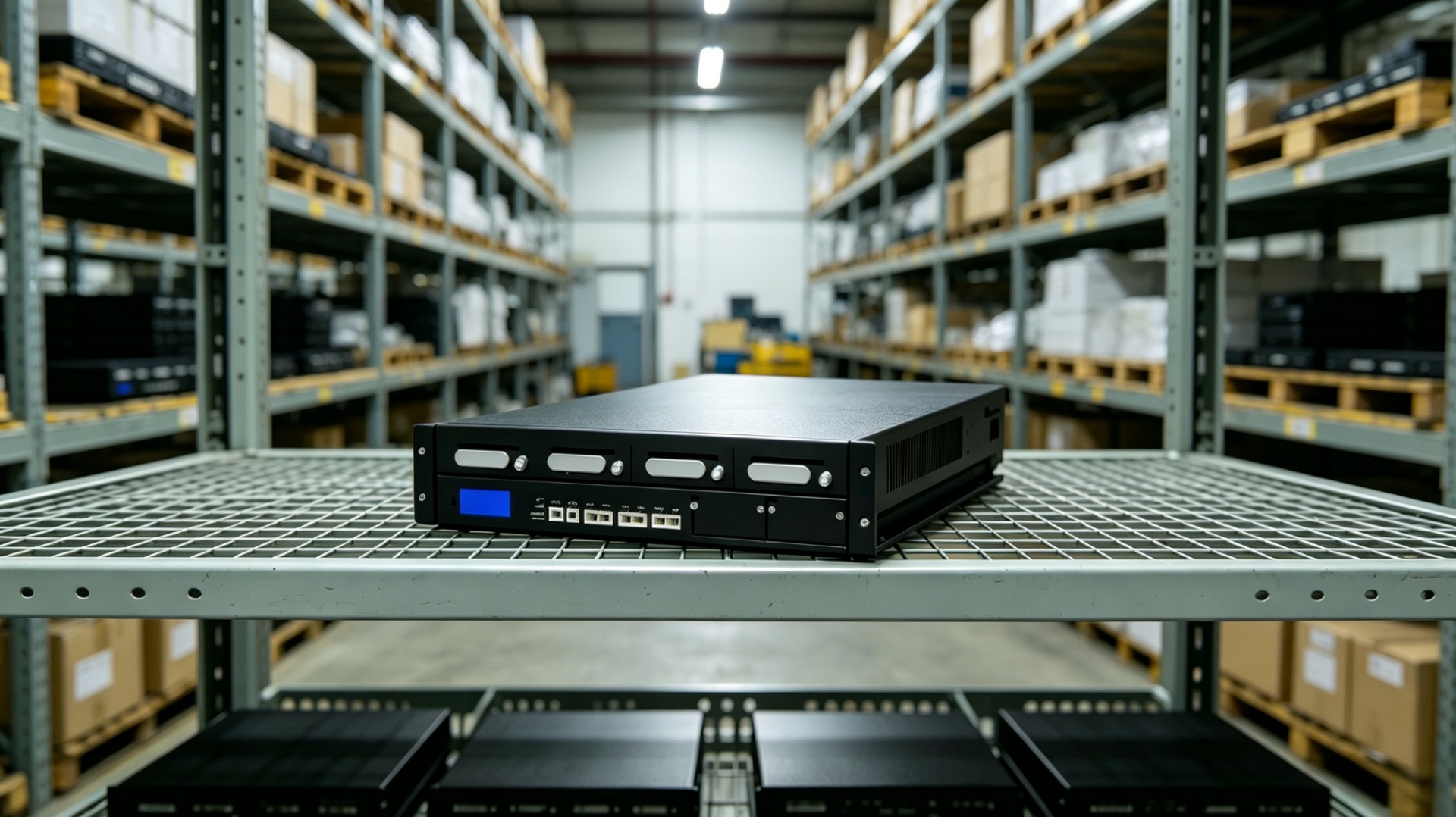
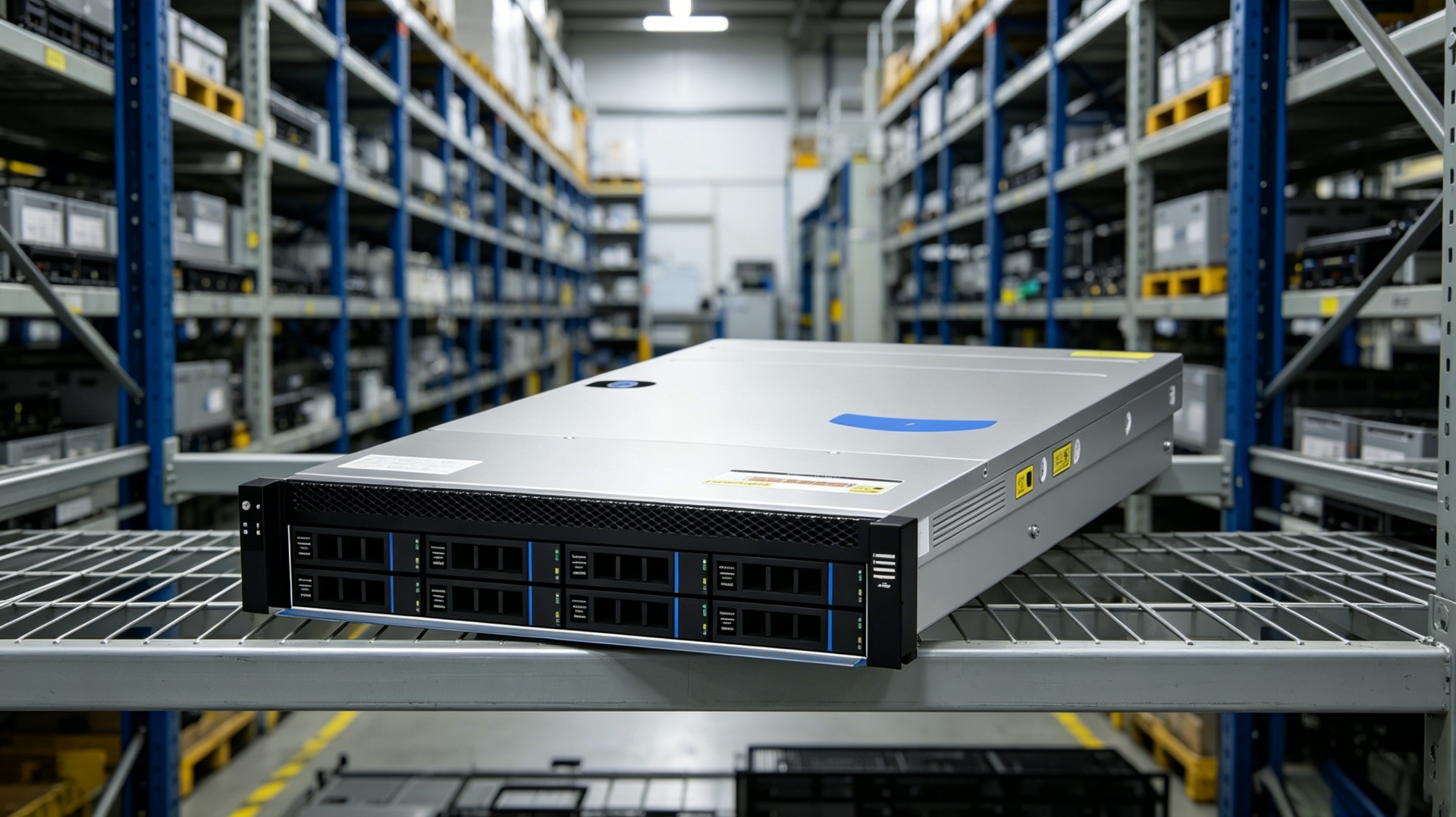
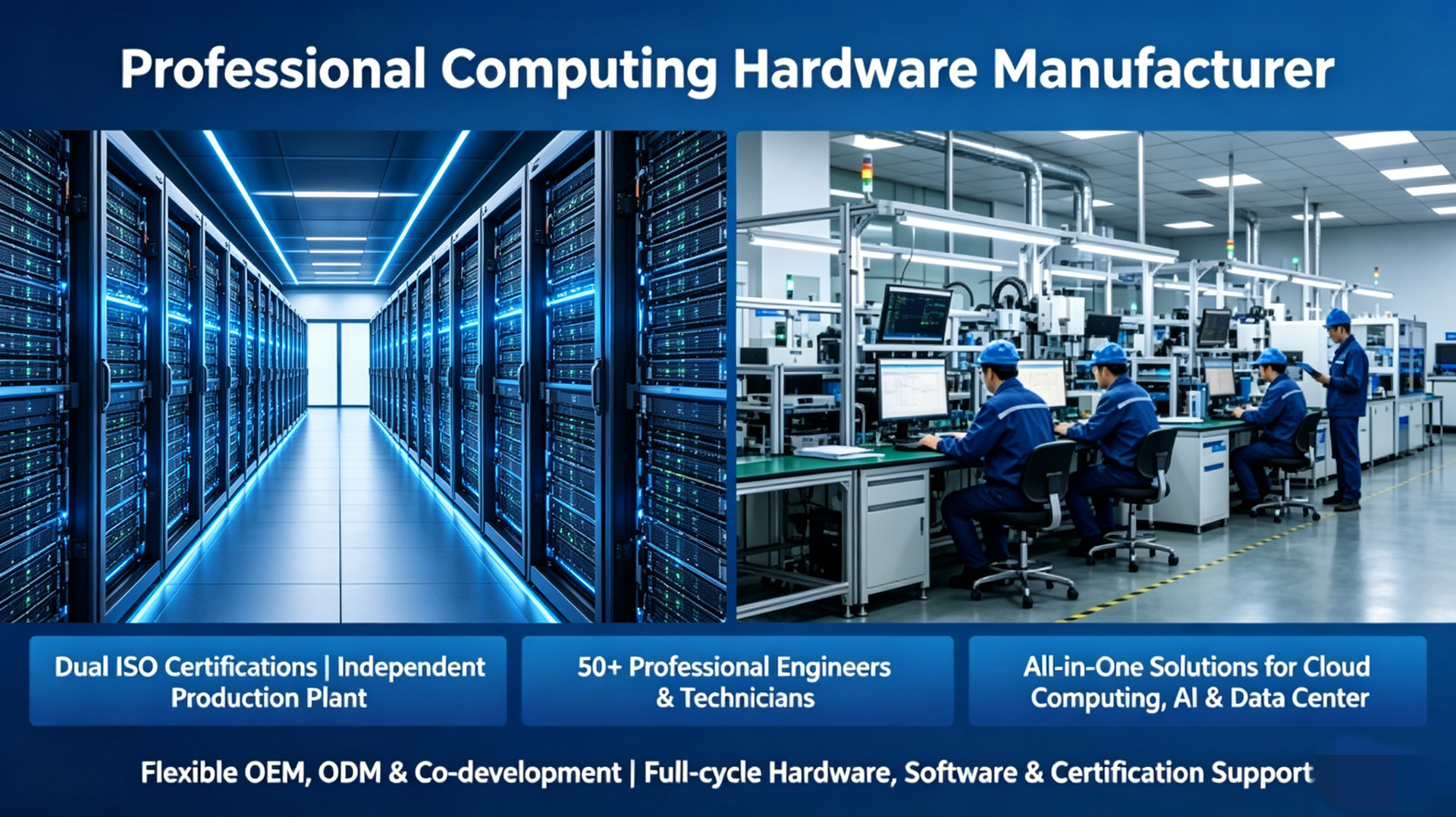
ZOZT (Zhouzhen Intelligent) is rooted in Shenzhen, the core city of China’s electronic industry, founded by a team of senior hardware engineers with a shared industry vision.
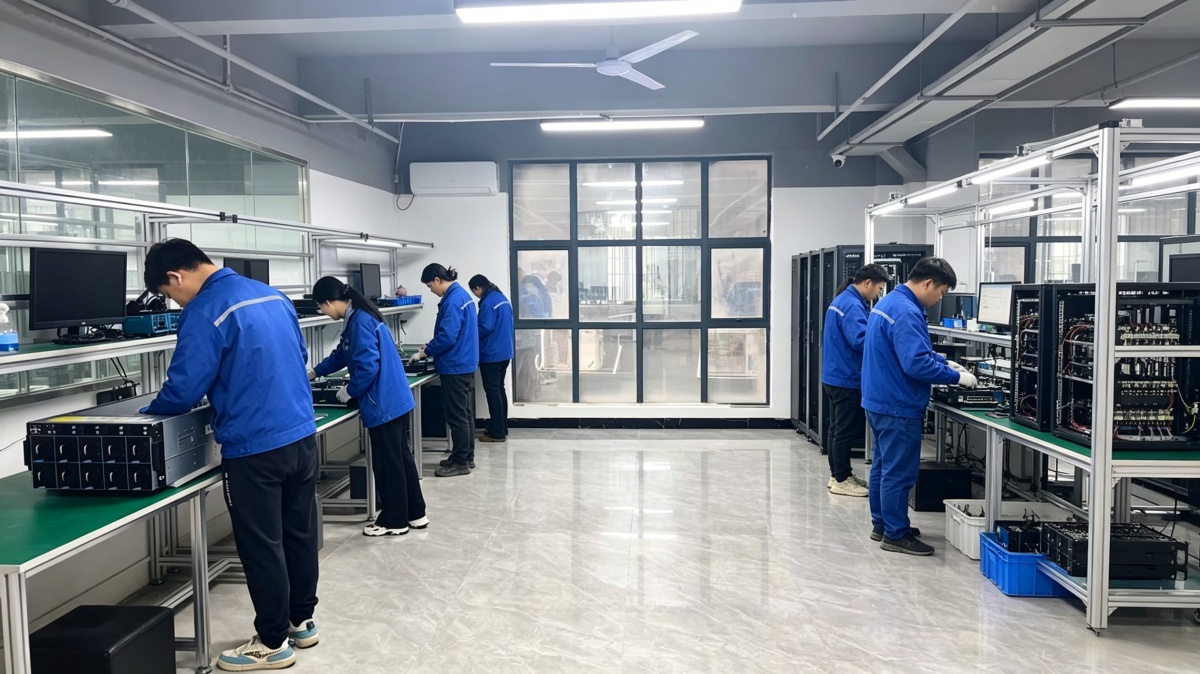
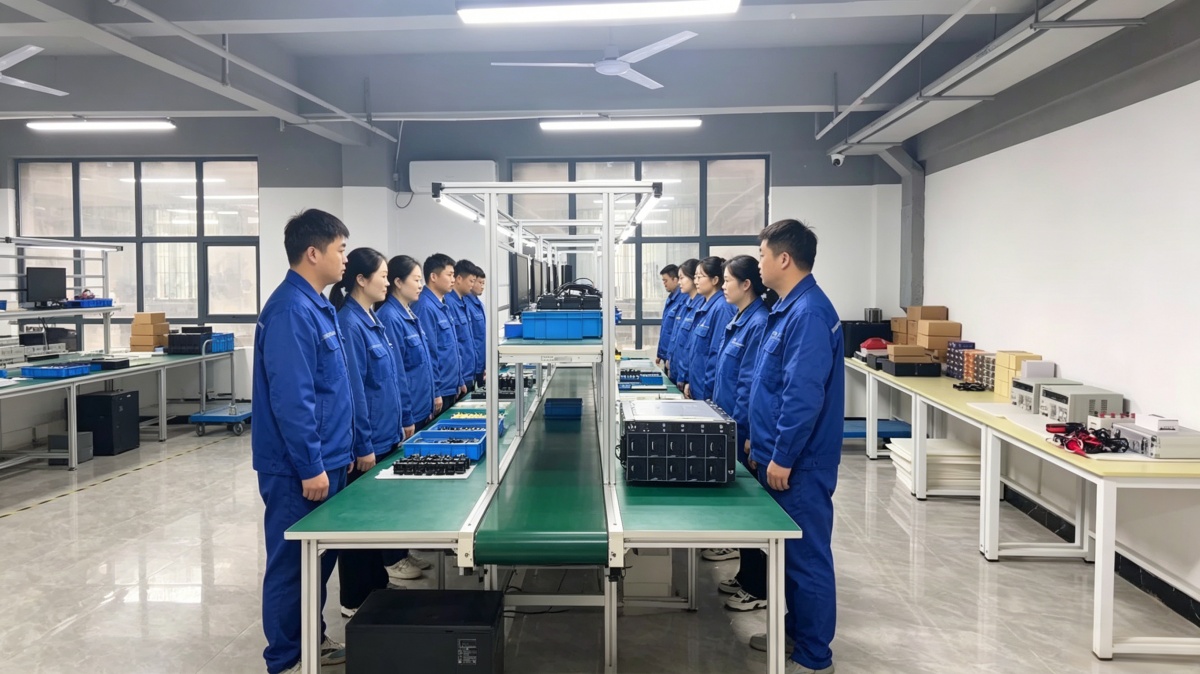
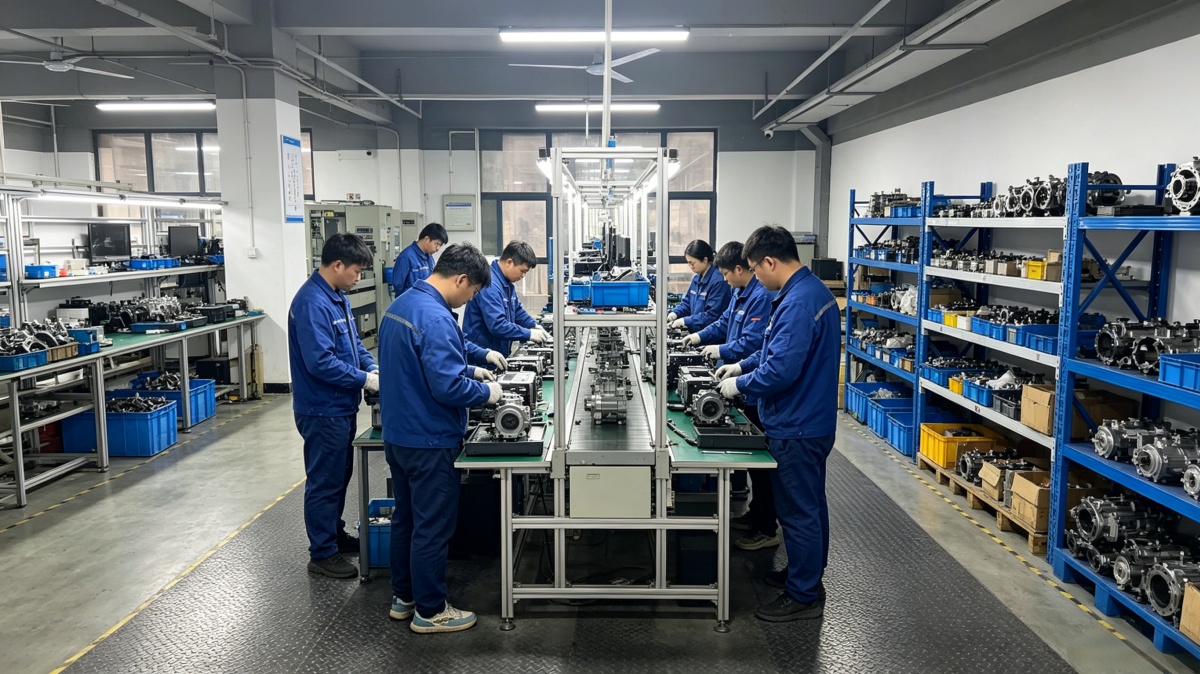
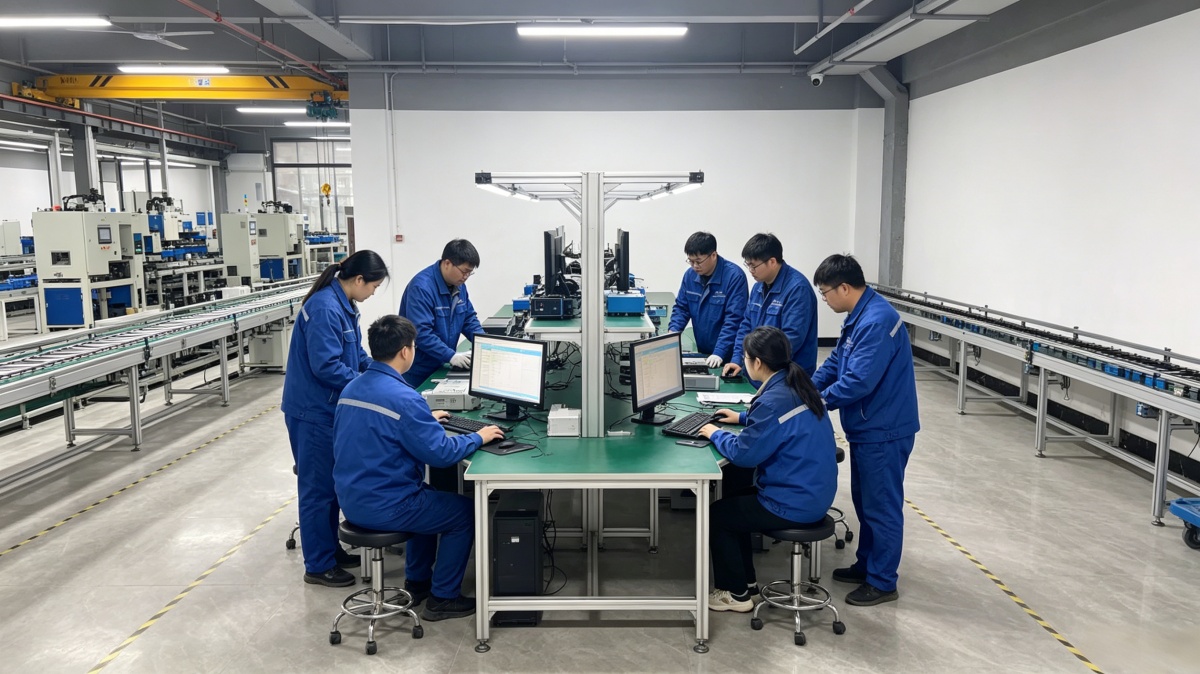
Driven by the continuously growing global demand for customized servers and industrial computer hardware, our team has built our own production factory, independent R&D laboratories and professional testing workshops.
Starting as a small professional R&D team focusing on data computing and storage hardware, we have gradually established a complete industrial chain covering sheet metal processing, finished product assembly and full-process quality inspection.
Our core mission is to provide global partners with durable, cost-effective customized hardware, together with comprehensive and transparent technical support services.
Our business has grown from small-batch customized sampling to long-term bulk cooperation with global system integrators. We keep optimizing our production procedures and personalized customization services year by year.

Engineered for high-durability 24/7 edge computing across challenging thermal, vibrational, and space-constrained industrial deployments.