Leave Your Message
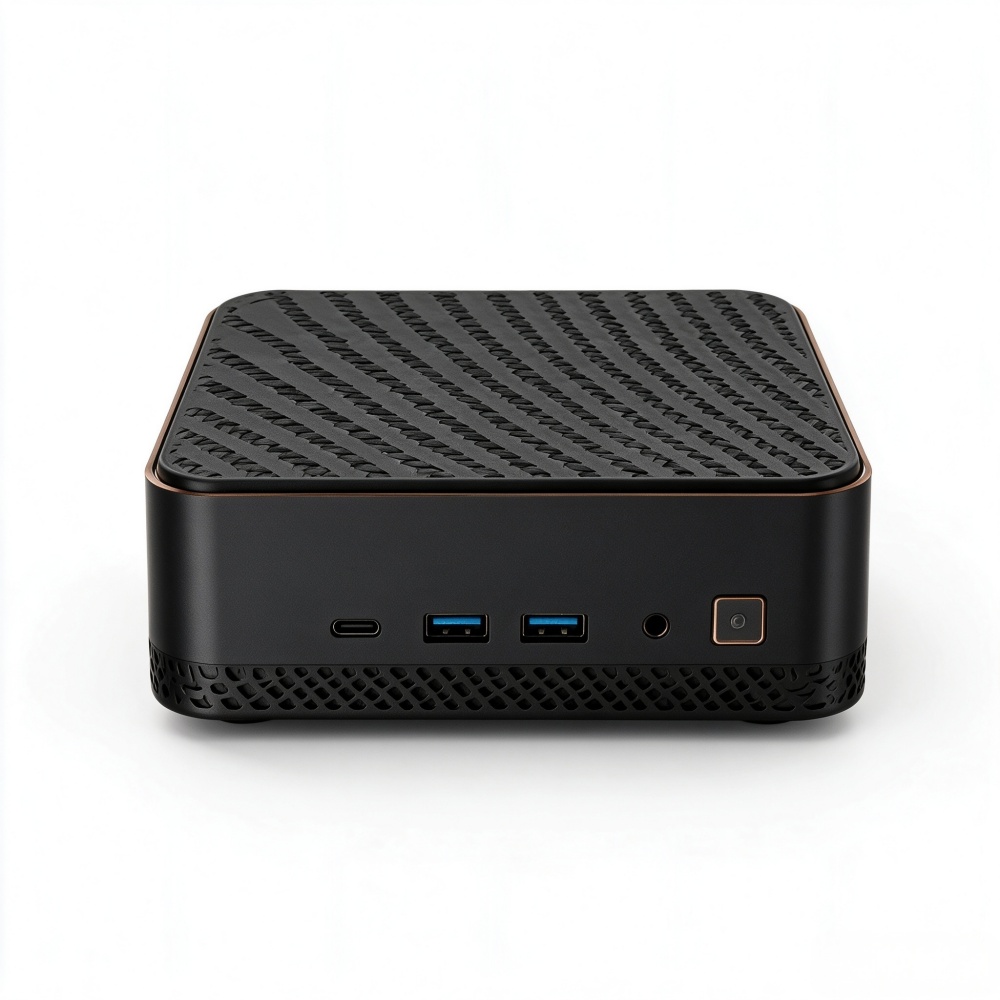
Pre-vetted industrial mini hosts optimized for high packet throughput, multi-WAN load balancing, encrypted VPN tunnels, and perimeter cyber defense.
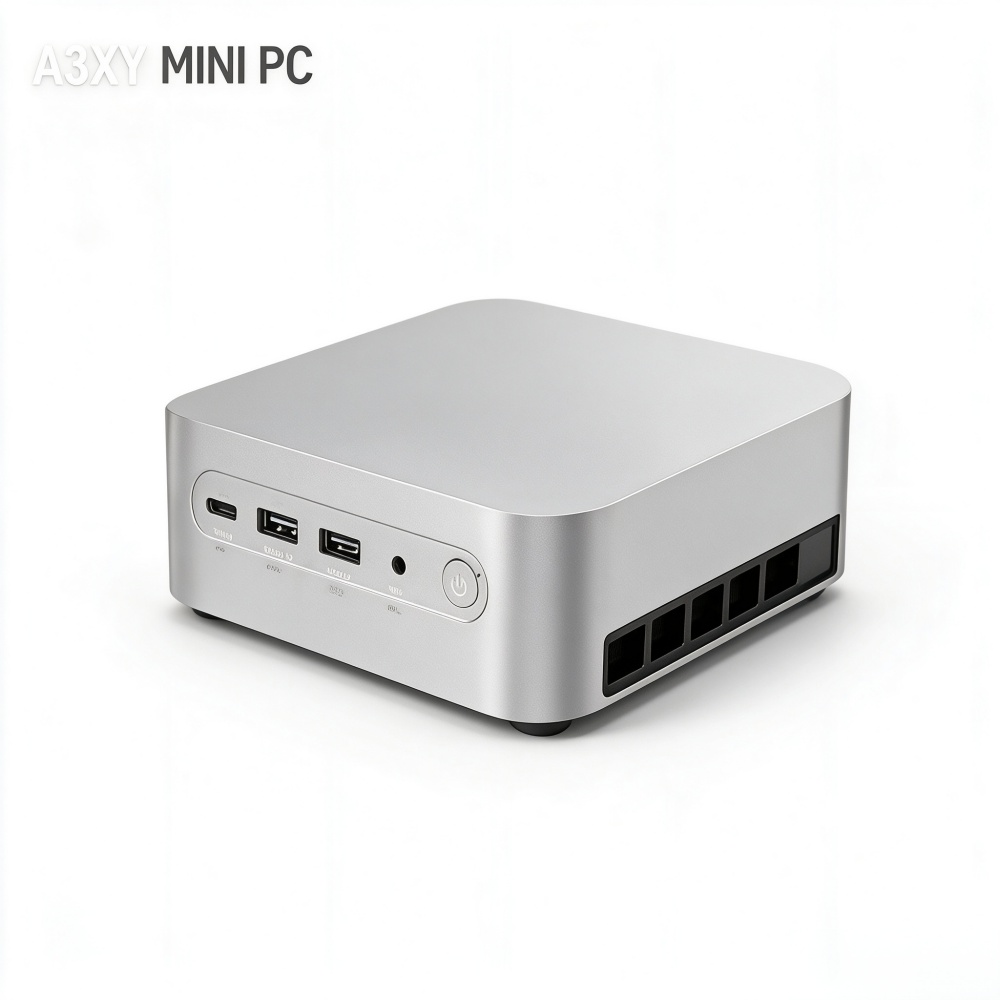
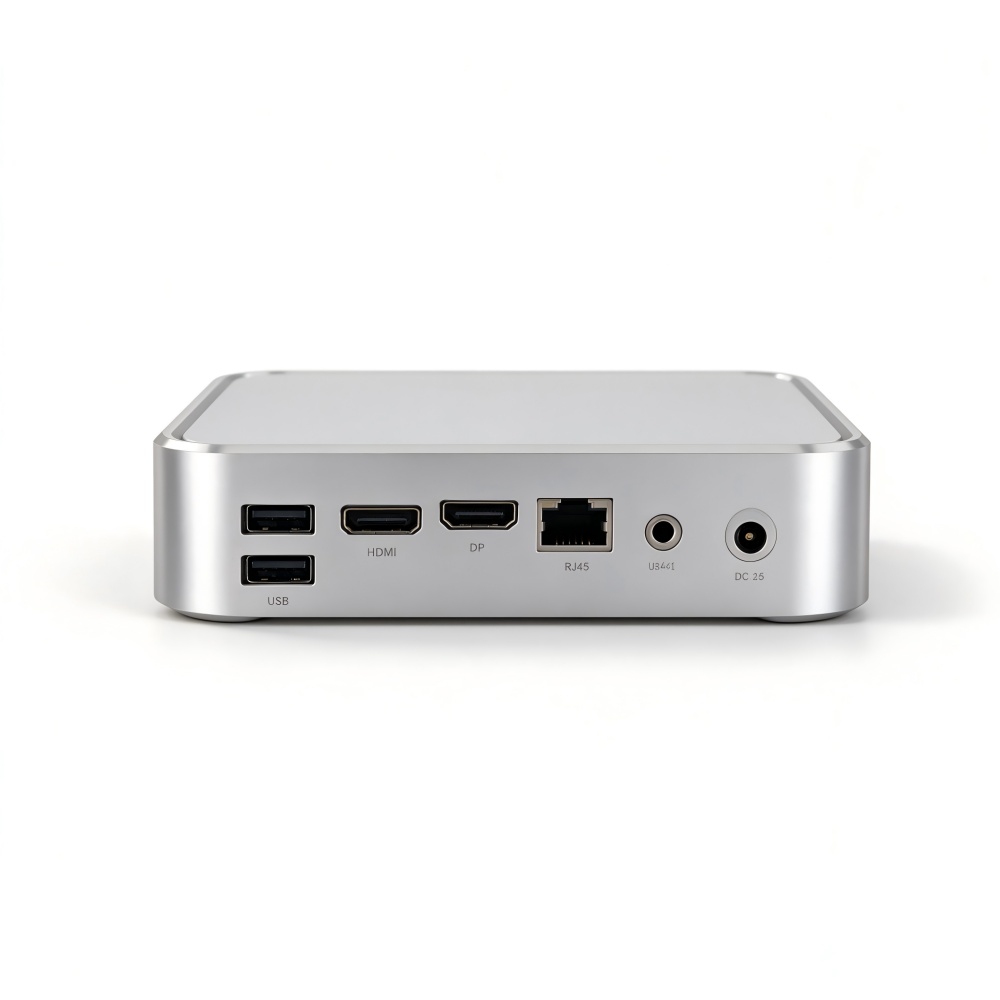
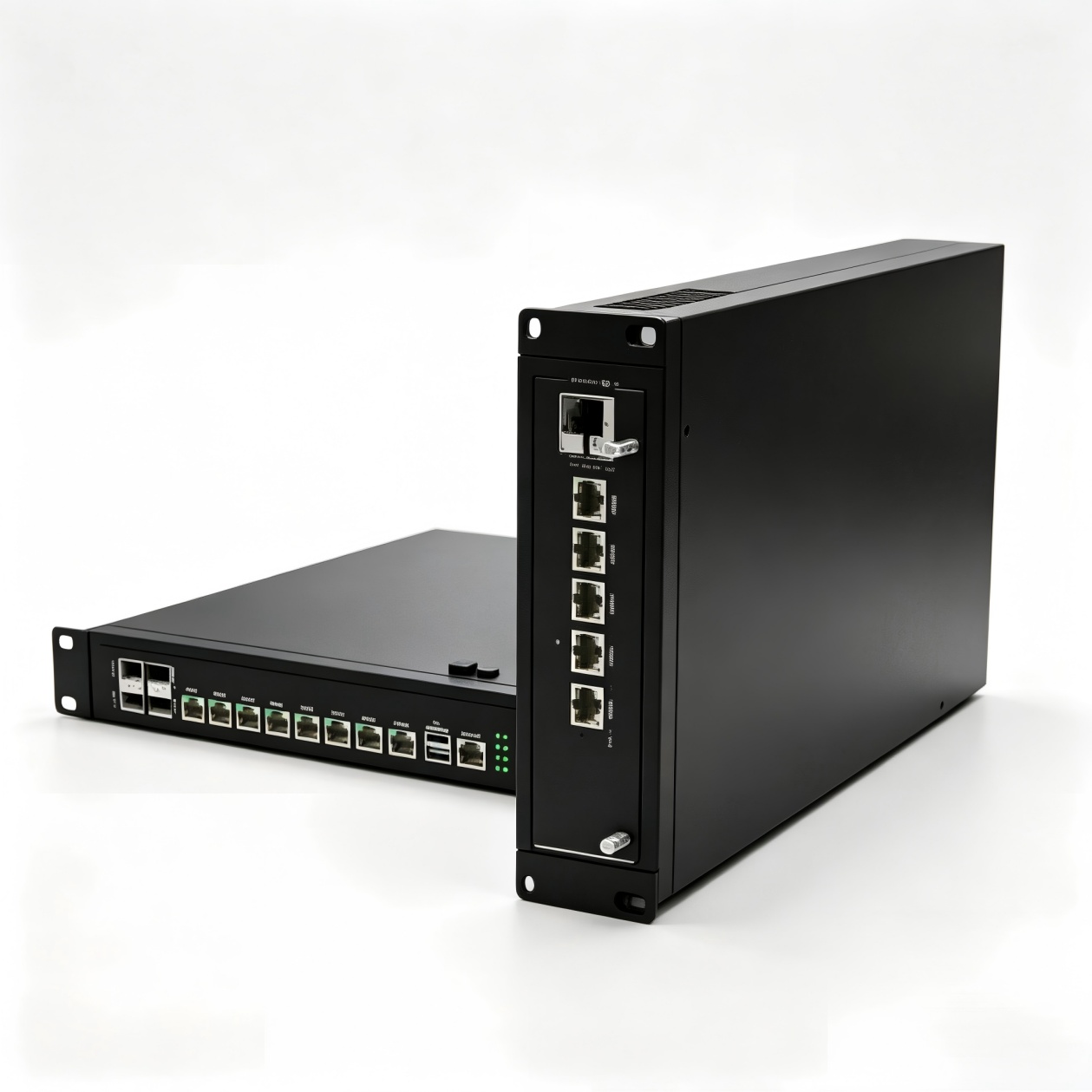
The enterprise cybersecurity and industrial edge routing landscape is undergoing a monumental architectural transformation. Traditionally, small-to-medium enterprises (SMEs), managed service providers (MSPs), and industrial automation operators were locked into proprietary appliances manufactured by legacy enterprise vendors. These locked appliances came with exorbitant multi-year licensing subscriptions, proprietary operating systems, artificial feature gating, and steep hardware replacement costs.
Today, the rise of open-source firewall platforms—most notably pfSense®, OPNsense®, VyOS, OpenWrt, and Linux-based iptables/nftables—alongside modern hypervisors like Proxmox VE and VMware ESXi, has shifted the balance of power toward high-performance x86 and ARM-based Mini PCs. As organizations scramble to protect decentralized branch offices, remote workspaces, smart factories, and edge computing nodes, Black Friday has transformed from a consumer shopping frenzy into a strategically vital procurement window for CTOs, IT directors, and network systems integrators.
Deploying purpose-built mini PCs as dedicated routing and security appliances during the Black Friday procurement season enables organizations to secure cutting-edge silicon—such as 10nm and 7nm low-TDP processors, integrated Intel i226-V 2.5GbE Ethernet controllers, and hardware-accelerated AES-NI encryption engines—at volume pricing that delivers an unprecedented Total Cost of Ownership (TCO) advantage.
According to recent edge computing telemetry reports, enterprise network egress demands have expanded by over 300% due to hybrid cloud synchronizations, high-definition IoT surveillance feeds, and real-time telemetry streaming. Legacy Gigabit firewalls are hitting packet processing ceilings under encrypted WireGuard and IPsec overhead. Deploying high-throughput Mini PC firewall appliances gives organizations the raw CPU headroom required to execute Deep Packet Inspection (DPI), Intrusion Prevention Systems (IPS via Suricata or Snort), and Zero-Trust Network Access (ZTNA) without degrading enterprise throughput.
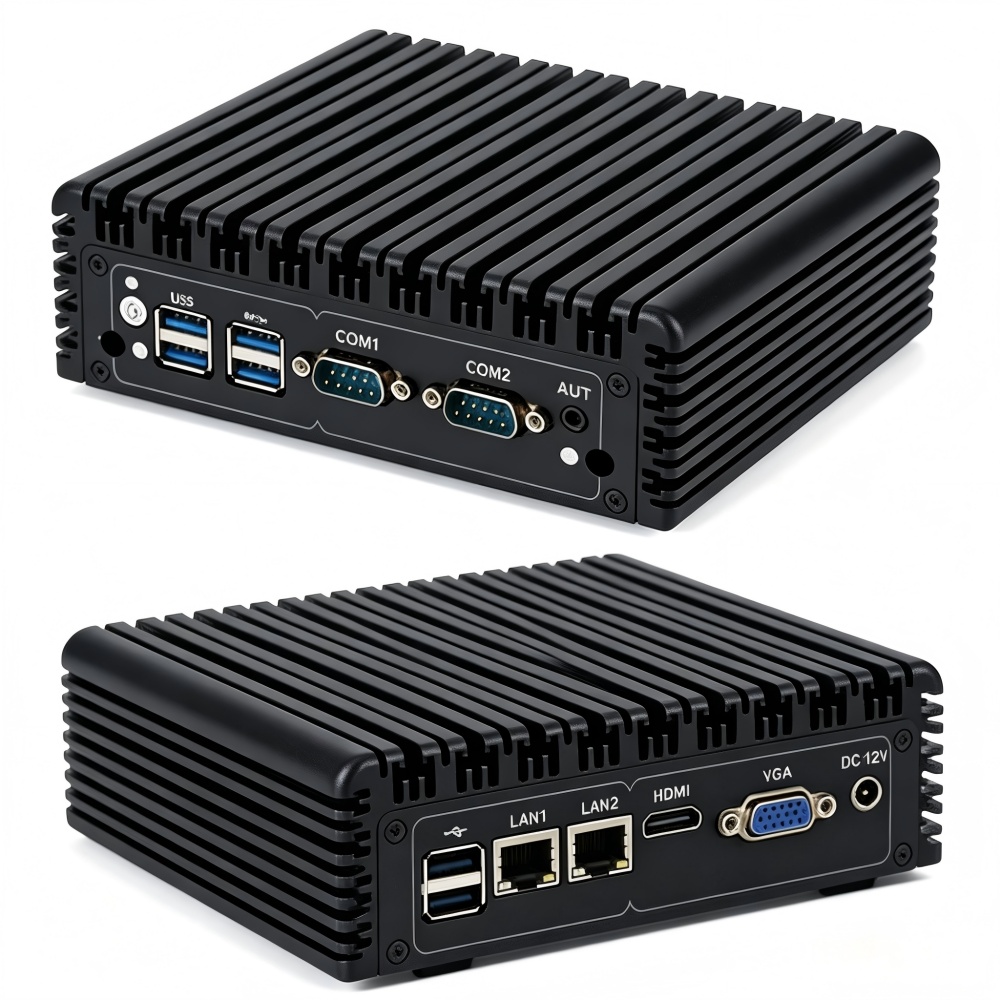
Discrete Intel i225-V/i226-V 2.5GbE or 10G SFP+ optical ports ensure wire-speed routing, VLAN trunking, and WAN failover without PCIe lane starvation.
Native hardware instructions including Intel AES-NI and SHA extensions enable multi-gigabit encrypted VPN tunnels with minimal CPU utilization.
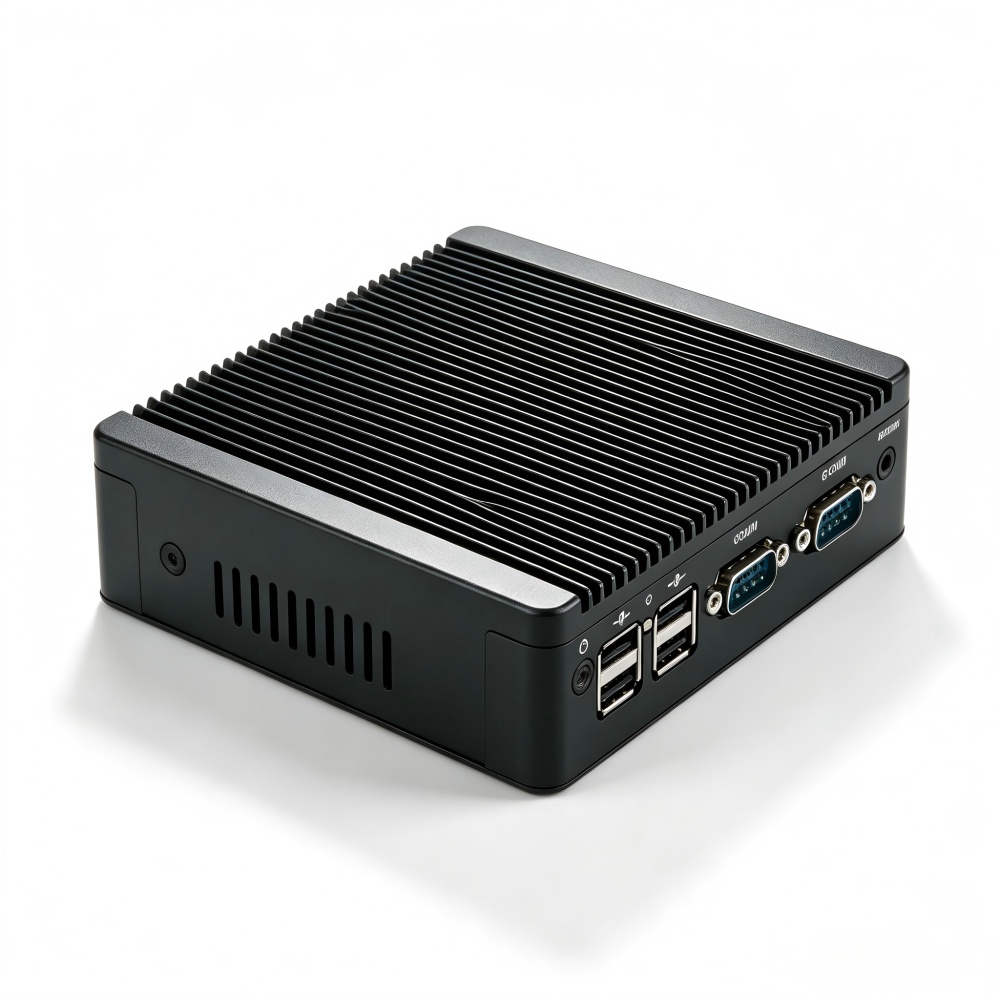
Fin-cooled aluminum alloy chassis conduct heat away from the silicon passively, eliminating mechanical fan failure in dusty, continuous 24/7 operational environments.
Selecting a mini PC for continuous network security and industrial routing demands scrutiny beyond conventional desktop metrics. While desktop PCs prioritize burst frequencies and GPU compute for graphical workloads, a firewall and routing hardware appliance requires sustained I/O determinism, low packet-loss ratios, thermal longevity, and robust bus architectures.
In firewall deployments, the Network Interface Card (NIC) controller is paramount. Consumer-grade Realtek controllers, while adequate for general web browsing, frequently suffer from driver instability under FreeBSD-based kernels like pfSense. Enterprise mini PCs optimized for routing utilize Intel i225-V (B3 stepping) and i226-V 2.5GbE controllers or Intel X540/X553/X710 10GbE SFP+ solutions. These Intel NICs feature large hardware buffers, robust interrupt moderation, and seamless native kernel driver integration in Linux, BSD, and ESXi. This architecture drastically reduces DPC latency and prevents micro-burst packet loss under intensive DDoS scrubbing or multi-tenant traffic routing.
A network appliance that experiences thermal throttling will drop packets, drop established TCP handshakes, and corrupt stateful inspection tables. Industrial mini PCs utilize specialized thermal engineering: the solid aluminum extruded enclosure acts as a massive thermal heat sink. Direct contact copper heat pipes transfer heat from the CPU die and voltage regulation modules (VRMs) directly to the exterior ribbed chassis. With zero moving parts, mechanical fan failure is completely eliminated, mitigating dust buildup and enabling failure-free operation across temperature brackets from -20°C to +70°C.
Modern network routing platforms benefit immensely from recent CPU architecture advancements. Processors like the Intel Alder Lake-N series (such as the quad-core N100 and N95) provide high single-threaded IPC at a modest 6W to 15W TDP. For complex environments demanding virtualization—such as running a virtualized pfSense router alongside an Ubuntu Docker instance for Pi-hole, AdGuard Home, Home Assistant, and Prometheus monitoring—quad-core and octa-core processors like the Intel Core i5/i7 and AMD Ryzen platforms provide the memory bandwidth and core density required to handle multi-gigabit firewall rulesets with zero latency degradation.
| Hardware Specification | Traditional Proprietary Firewalls | Industrial Mini PC Security Appliances | Strategic Benefit |
|---|---|---|---|
| Network Throughput | Artificially capped by subscription tiers (e.g., 500 Mbps max) | Uncapped wire-speed 2.5 Gbps to 10 Gbps native | Maximum utilization of fiber connections |
| Operating System Flexibility | Locked proprietary firmware | pfSense, OPNsense, VyOS, OpenWrt, Linux, Proxmox | Total software sovereignty & auditability |
| Software Licensing | $500 – $2,500 recurring annual license fees | $0 recurring software licensing (Open-source) | Dramatic long-term OPEX savings |
| Hardware Repairability | Closed box, non-standard proprietary parts | Standard M.2 NVMe, SATA, SO-DIMM DDR4/DDR5 | Immediate on-site component upgrades |
| Thermal Design | High-pitched 40mm screamer fans prone to failure | 100% Solid-state fanless thermal convection | Silent, reliable, dust-free 24/7 durability |
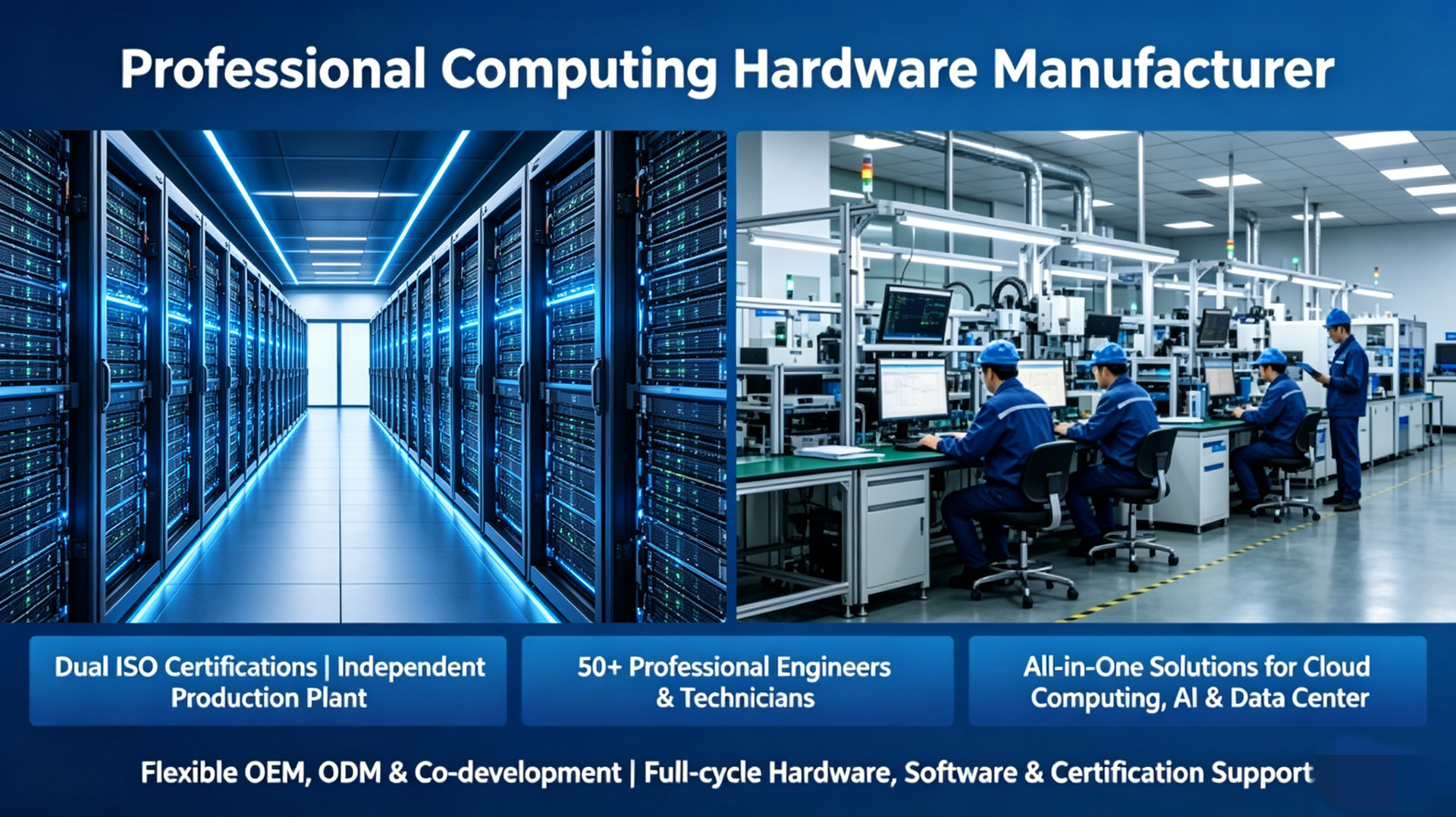
Zhouzhen Intelligent Co., Ltd. is located in Shenzhen, China. We are a professional hardware solution manufacturer integrating independent R&D, production and global sales.
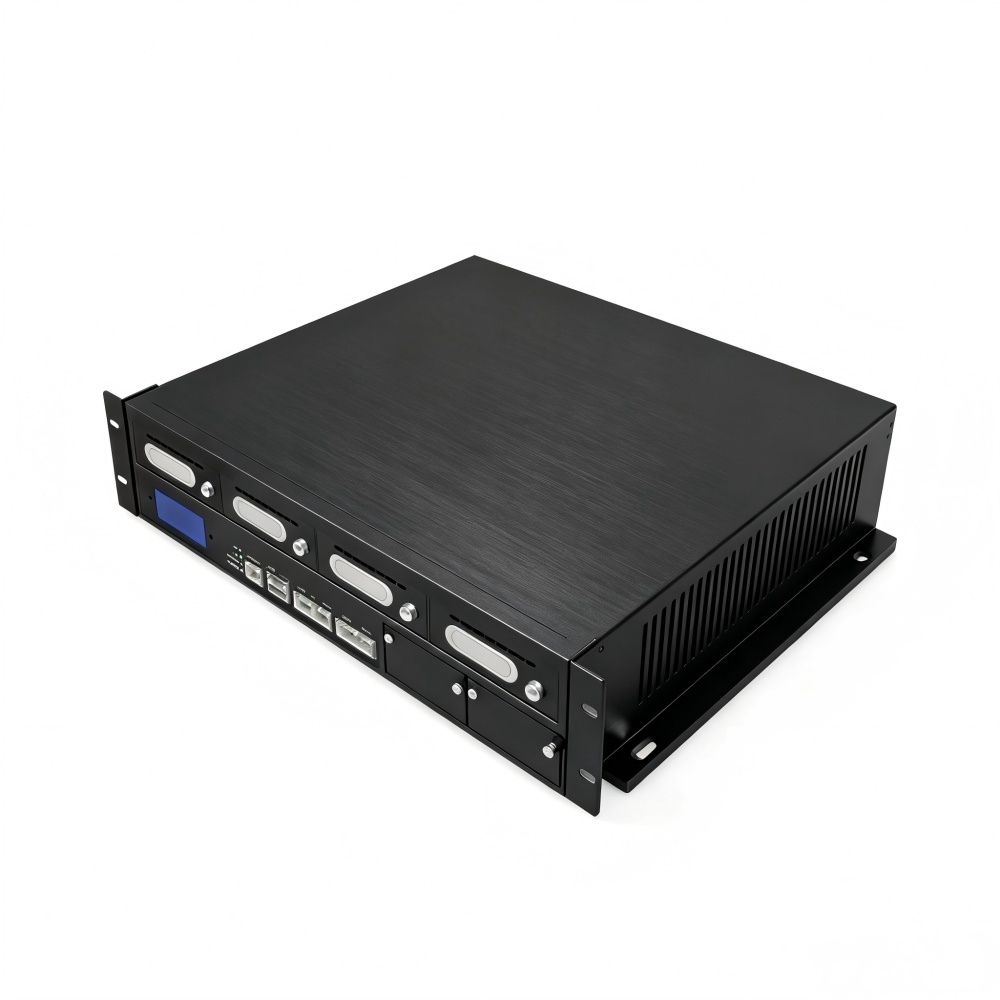
Our main products include rack servers, industrial control computers, mini PCs, network accessories and customized storage hardware. We provide one-stop OEM/ODM customization services covering hardware, software, complete machine testing and product certification.
Our equipment is widely applied in industries such as AI cloud computing, artificial intelligence, data centers, education, radio & television, and AI data inference.
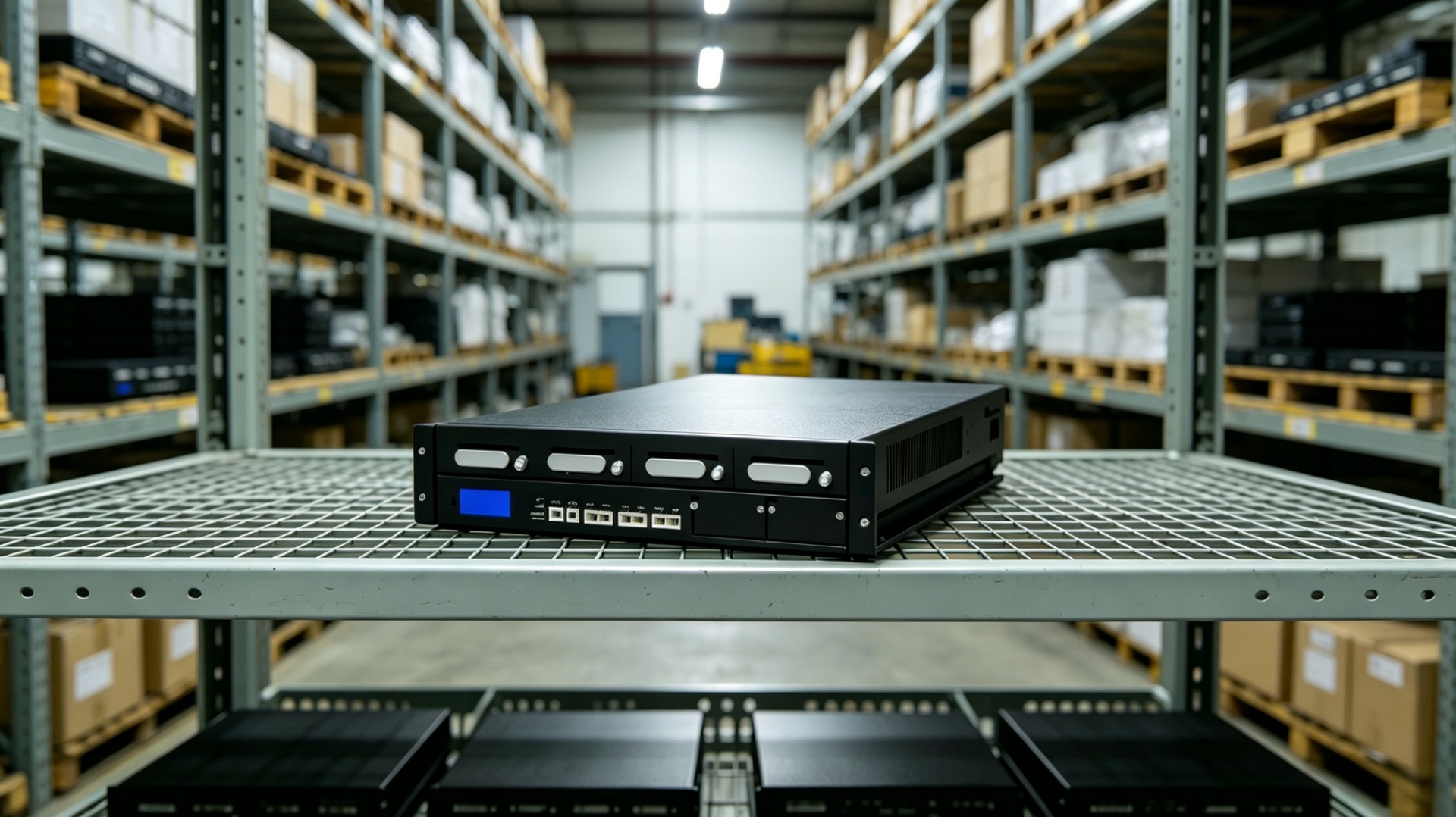
Every network appliance and industrial mini PC leaving our facility undergoes rigorous burn-in protocols, high-temperature environmental chamber stress tests, and 100% full packet inspection across all physical Ethernet ports. We ensure our devices operate at peak stability under harsh deployment conditions, whether installed in high-density telecommunication racks or industrial field enclosures.
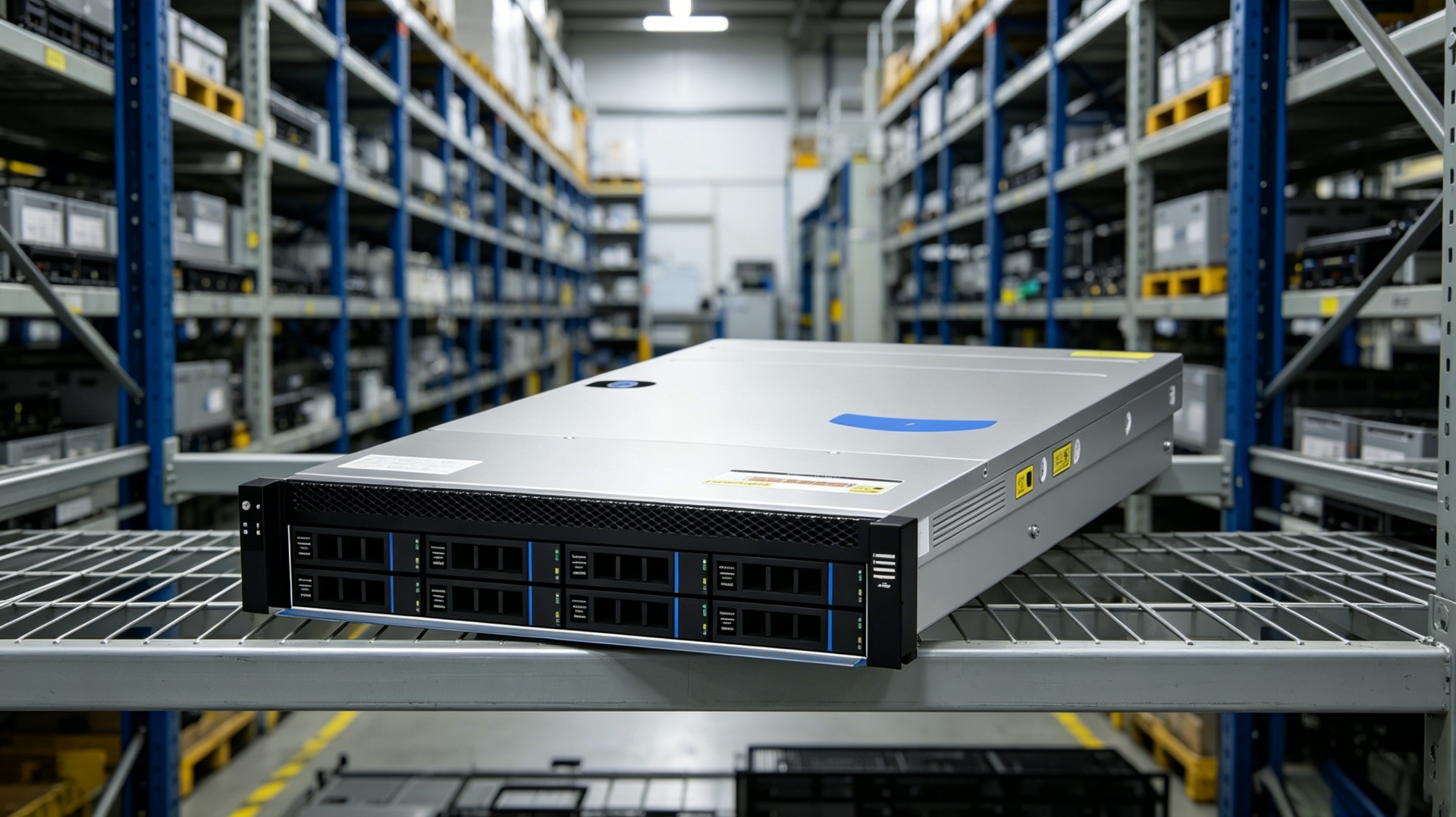
How are systems engineers and enterprise IT architects actually utilizing these mini PCs during network security rollouts? Below are four real-world deployment topologies where compact x86 hardware appliances deliver superior performance over legacy networking gear.
Deploying OPNsense with Zenarmor (Sensei) plugin on an Intel Core or N100 mini PC. Delivers deep packet inspection, TLS traffic inspection, URL filtering, and application control across 50+ concurrent users with zero latency spikes.
Utilizing quad-NIC mini PCs to aggregate multiple fiber WANs, 5G cellular backups, and Starlink satellite connections. Automated health checks ensure millisecond failover without disconnecting live enterprise VoIP or VPN sessions.
Acting as a physical demilitarized zone (DMZ) gateway between corporate IT networks and factory-floor OT equipment. Hardware serial ports and GPIOs monitor telemetry while filtering Modbus, EtherNet/IP, and OPC-UA protocol packets.
A dominant trend among network engineers this Black Friday is consolidating multiple edge appliances into a single high-performance mini PC. By installing a type-1 bare-metal hypervisor such as Proxmox VE on a mini PC equipped with 32GB or 64GB of RAM and dual NVMe drives, an administrator can achieve unprecedented utility:
Virtual Machine 1 (WAN Boundary): Dedicated pfSense/OPNsense instance with PCI pass-through for physical Intel NICs, ensuring bare-metal performance for routing, firewall rules, and WireGuard VPN tunnels.
Container 1 (Network Ad & Threat Blocker): Pi-hole or AdGuard Home running in a lightweight LXC container, performing DNS-level sinkholing of malicious domains, telemetry beacons, and advertisements across the subnet.
Container 2 (Cyber Observability): Telegraf, InfluxDB, and Grafana tracking interface packet throughput, CPU thermal temps, drop counters, and memory saturation in real-time.
Container 3 (Zero Trust Mesh Access): Tailscale or Headscale coordinating secure, encrypted overlay mesh connectivity without opening open inbound ports on the WAN interface.
Navigating Black Friday equipment purchases requires precise hardware sizing to ensure the system satisfies both immediate throughput requirements and future bandwidth expansion over a 5 to 7 year lifecycle. When procuring hardware for firewall, routing, and network defense applications, engineers should prioritize the following matrix:
Network routing engines handle packets on a per-flow basis. In standard stateful firewalls (such as pfSense using FreeBSD pf), a single connection stream is generally handled by a single CPU core. Therefore, high single-core IPC (Instructions Per Clock) is critical for achieving line-rate gigabit and multi-gigabit throughput. Conversely, if you intend to run IDS/IPS systems (Snort or Suricata with multiple worker threads) or handle hundreds of simultaneous WireGuard VPN tunnels, multi-threaded CPU architectures become indispensable.
A pure routing and stateful packet filtering appliance requires very modest memory—frequently 4GB to 8GB is more than adequate. However, if your security profile incorporates GeoIP blocking, extensive Suricata threat signatures, DNS blocklists with millions of records, or ZFS mirrored file systems, memory requirements increase to 16GB or 32GB of DDR4/DDR5. Ensure your chosen hardware platform provides accessible SO-DIMM slots rather than soldered RAM for future scalability.
Firewall installations execute heavy logging, writing thousands of state table entries, DHCP leases, and intrusion alerts every minute. Industrial mini PCs utilizing enterprise NVMe SSDs with wear-leveling algorithms prevent flash memory degradation. Furthermore, pair your edge firewall mini PC with a compact DC mini-UPS to protect file system integrity during transient power brownouts.
ZOZT (Zhouzhen Intelligent) is rooted in Shenzhen, the core city of China’s electronic industry, founded by a team of senior hardware engineers with a shared industry vision.
Driven by the continuously growing global demand for customized servers and industrial computer hardware, our team has built our own production factory, independent R&D laboratories and professional testing workshops.
Starting as a small professional R&D team focusing on data computing and storage hardware, we have gradually established a complete industrial chain covering sheet metal processing, finished product assembly and full-process quality inspection.
Our core mission is to provide global partners with durable, cost-effective customized hardware, together with comprehensive and transparent technical support services.
Our business has grown from small-batch customized sampling to long-term bulk cooperation with global system integrators. We keep optimizing our production procedures and personalized customization services year by year.
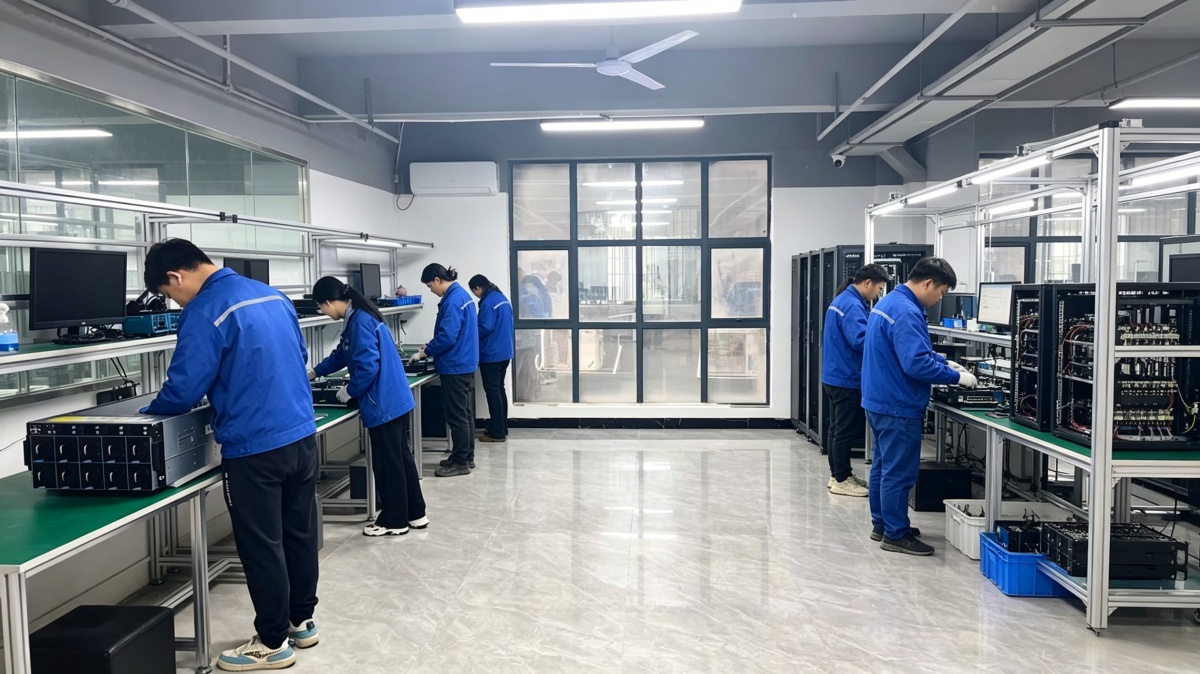
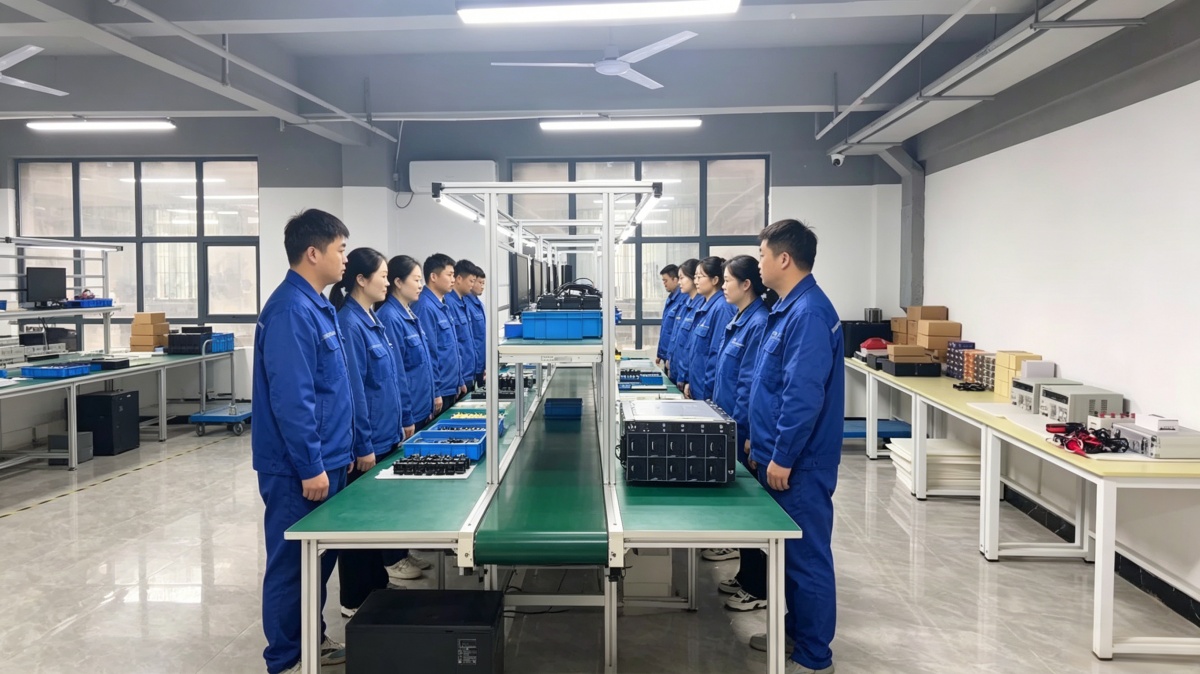
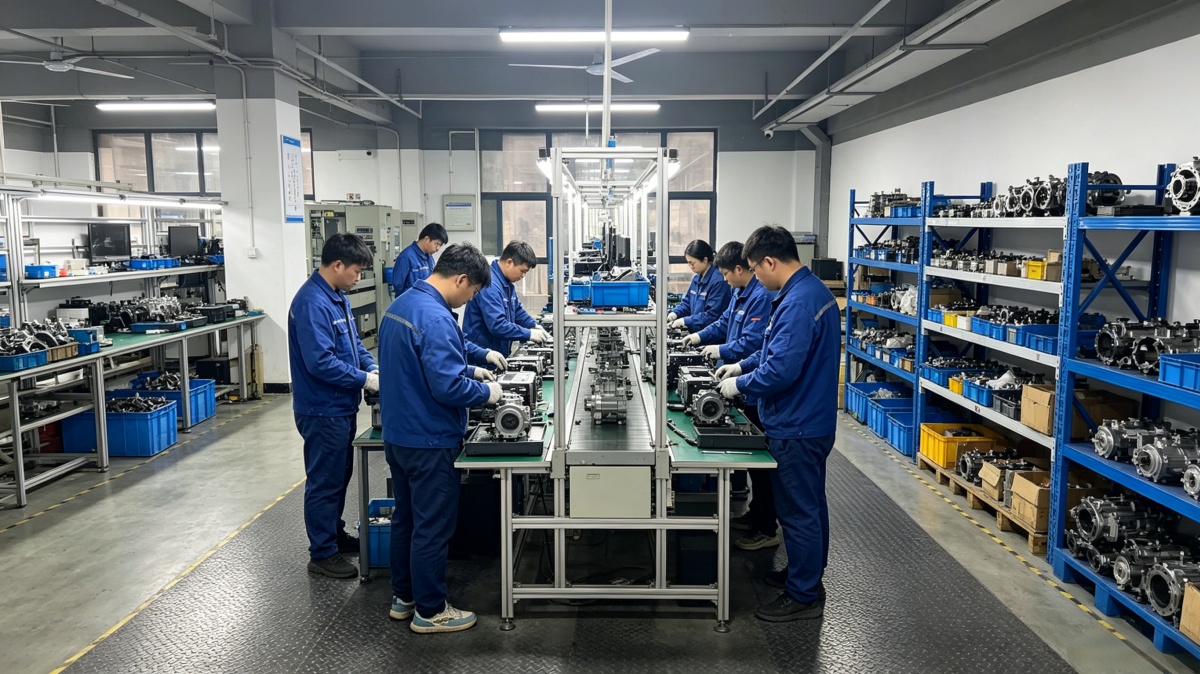
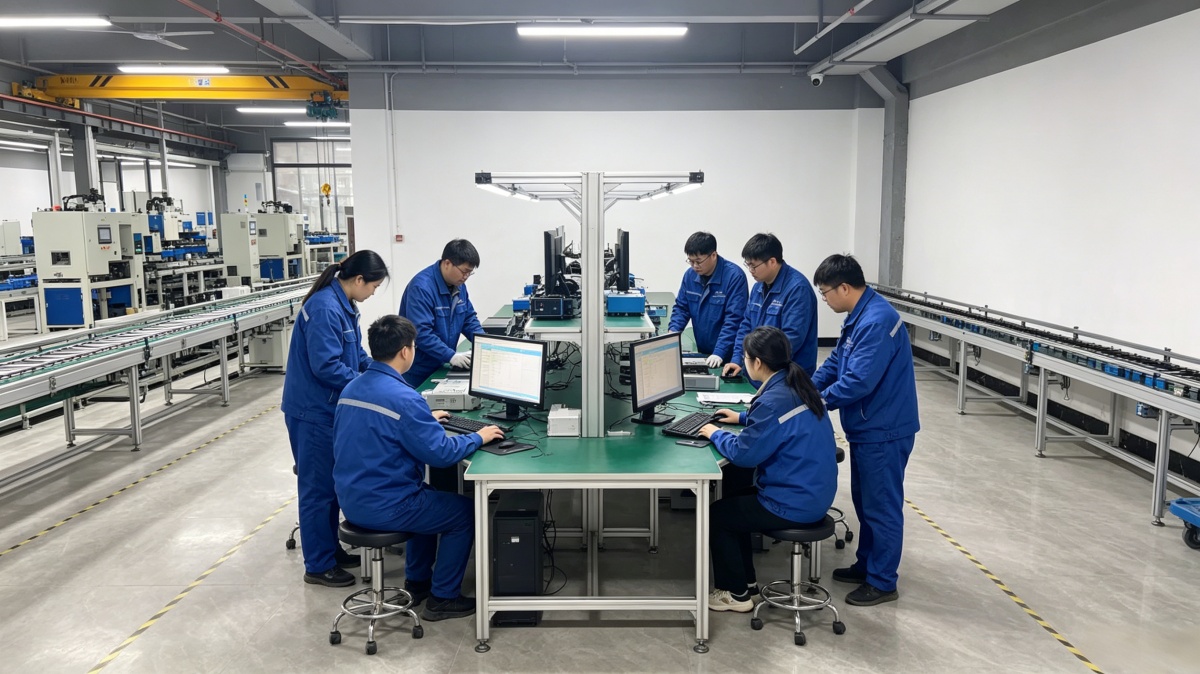
To become the most trustworthy one-stop manufacturer of customized industrial computing hardware for global commercial data scenarios. We will continue to increase investment in R&D and quality control, continuously upgrade our full-process OEM/ODM customization capabilities, and deliver stable and efficient hardware solutions. We aim to help global clients expand their business footprint in the fields of cloud storage, computing power operation, and cybersecurity.

Engineered for long-lifecycle deployment across edge computing, industrial automation, AI workstation processing, and high-availability enterprise firewalls.