Leave Your Message
Accelerate time-to-market with proven industrial computing architectures, high-bandwidth I/O expansions, and custom-engineered fanless thermal chassis designed for high-density commercial deployments.
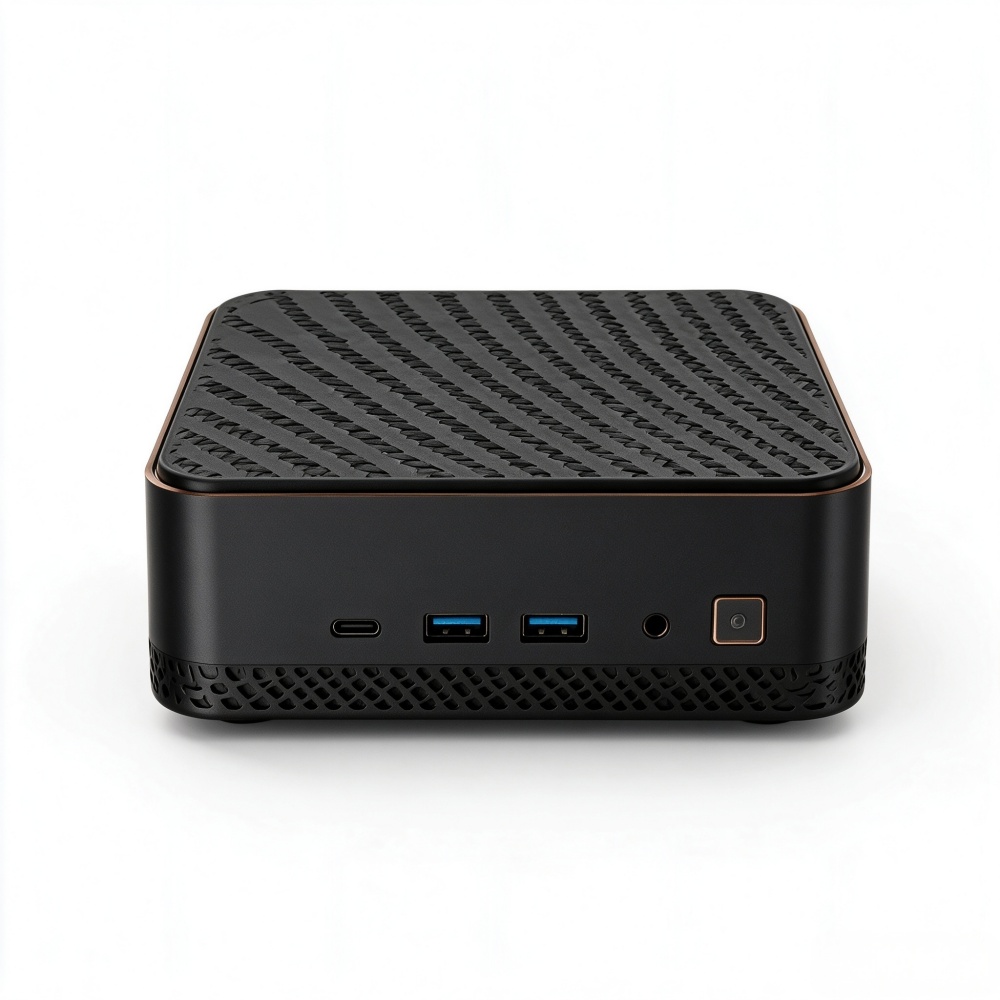
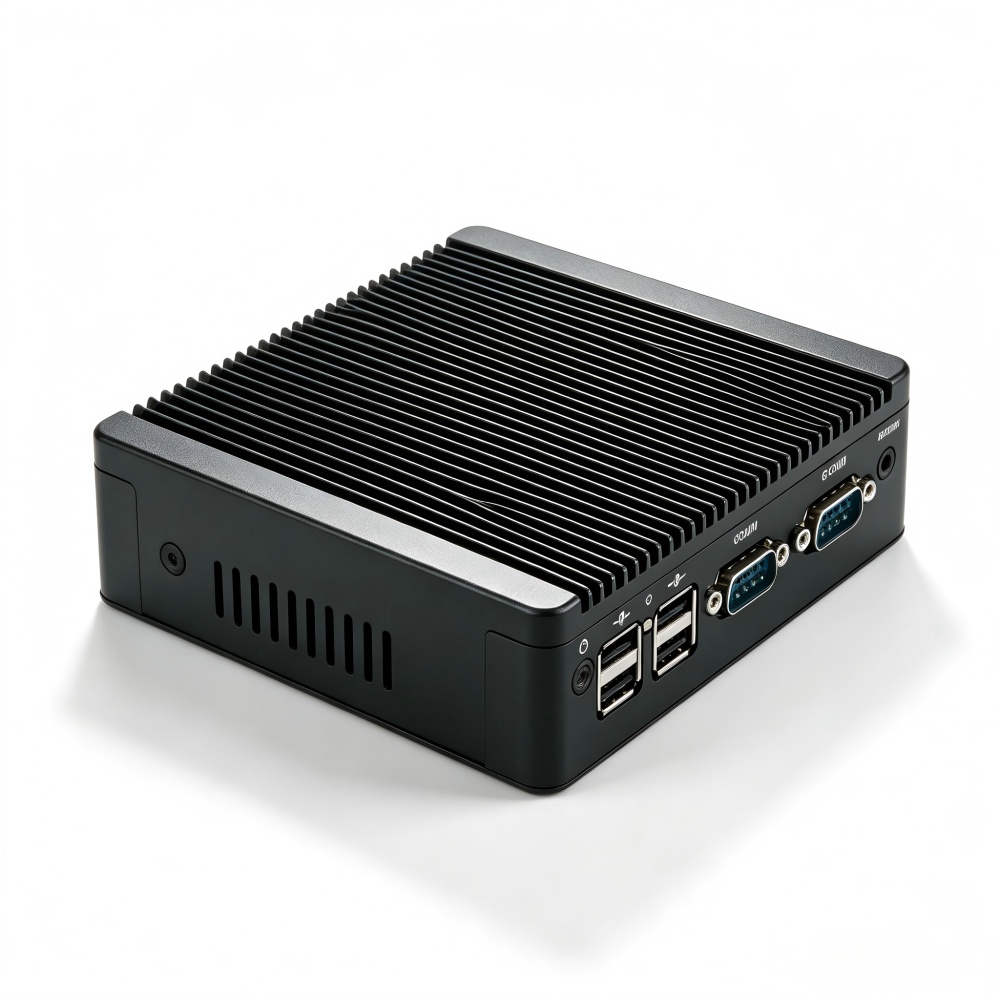
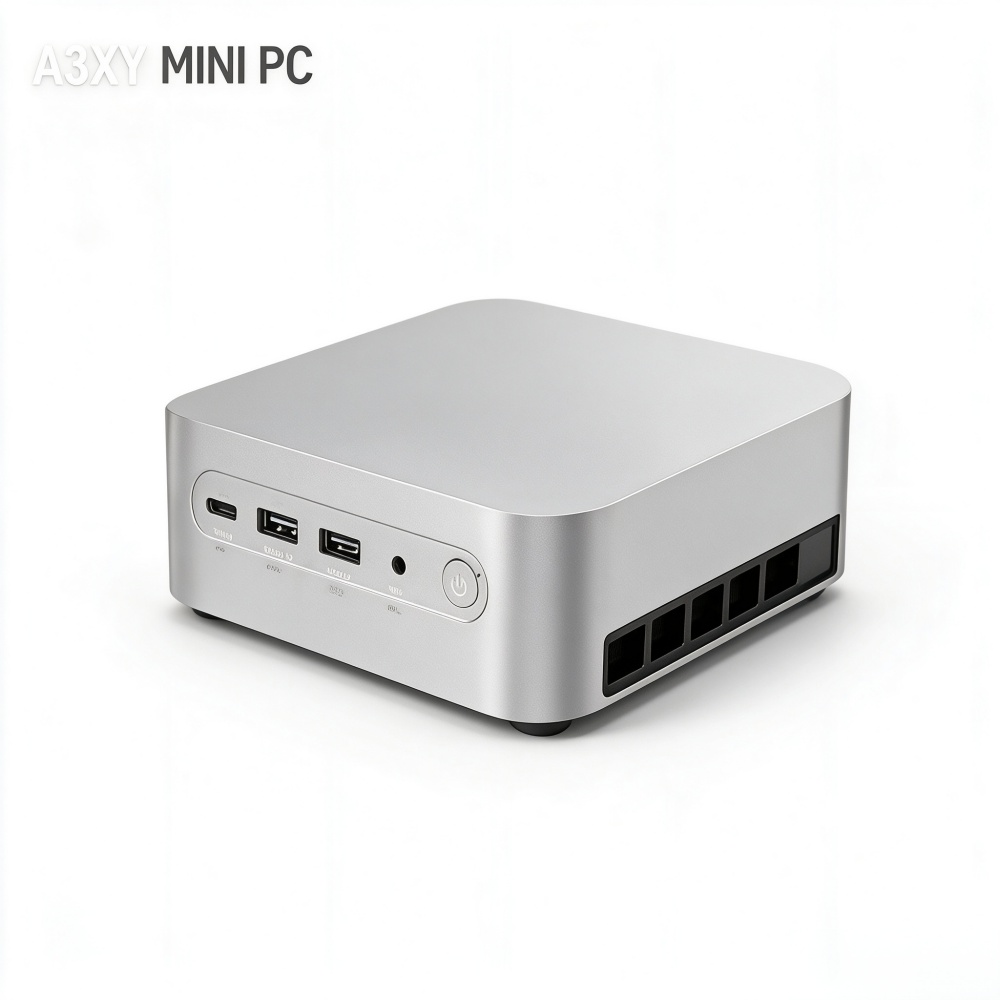
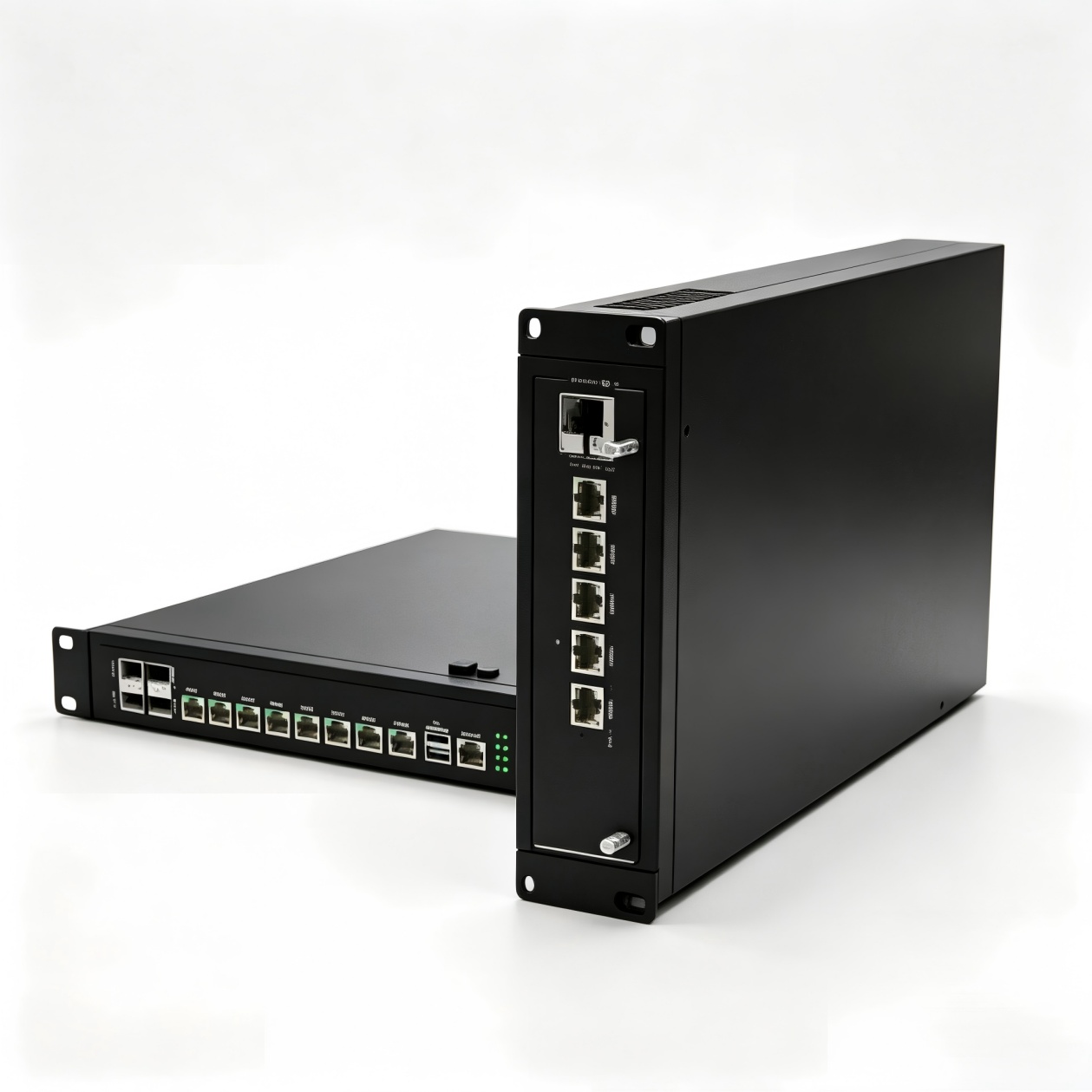
The annual fourth-quarter Black Friday procurement window has transformed from a purely consumer-centric retail phenomenon into an indispensable strategic milestone for global B2B system integrators, automated kiosk developers, smart grid operators, and enterprise hardware engineering teams. In the competitive realm of custom hardware development, securing high-performance embedded motherboards, micro-chassis enclosures, and dedicated edge compute nodes during seasonal volume cycles provides unique margin advantages and guaranteed component pipeline allocation.
Custom Original Equipment Manufacturer (OEM) and Original Design Manufacturer (ODM) projects require more than off-the-shelf retail hardware. They mandate specialized longevity roadmaps, rigorous bill-of-materials (BOM) locking, custom BIOS initialization routines, specialized expansion arrays (Dual/Quad LAN, RS232/RS485 COM ports, isolated GPIO, CAN bus), and custom branded thermal mechanical enclosures capable of operating continuously in demanding environments.
Capitalizing on seasonal production ramp-ups allows hardware system architects to lock in mass tooling commitments, fast-track engineering verification testing (EVT/DVT), and secure multi-year continuous supply agreements with Tier-1 component pricing.
Industrial projects cannot risk silent motherboard revisions. Our OEM/ODM agreements ensure standard 5 to 7-year continuous availability with strict engineering change notification (ECN) procedures.
Leveraging volume Black Friday allocation programs allows procurement managers to amortize custom tooling, NRE (Non-Recurring Engineering) expenses, and safety certification testing across scalable product batches.
The shift toward distributed edge intelligence, autonomous terminal operations, and real-time inference is revolutionizing how system integrators specify custom mini PC hardware.
Modern mini PCs are moving beyond simple x86 data collection. With integrated Neural Processing Units (NPUs), discrete micro-GPUs, and high-speed DDR5 memory controllers, edge mini workstations deliver real-time visual recognition, automated optical inspection (AOI), and localized predictive analysis without cloud latency.
Demanding industrial enclosures require complete elimination of rotating fans to prevent dust ingress, vibration failure, and bearing wear. Extruded aluminum chassis with precision heat-pipe dissipation ensure silent, unthrottled operation under sustained 100% CPU loads across wide operating temperature ranges (-20°C to +70°C).
While Intel Core and AMD Ryzen architectures dominate compute-intensive industrial analytics and multi-display digital workstation setups, ultra-low-power ARM platforms (such as Rockchip RK3568 with Linux and Android 14) provide cost-efficient, compact controller solutions for smart terminals, IoT gateways, and interactive HMI panels.
Explore how bespoke small-form-factor computing units power complex technological infrastructures across diverse vertical sectors.
Self-service ordering kiosks, airport baggage systems, automated ticketing booths, and secure cash registers demand continuous uptime and modular serviceability. Custom mini PCs engineered for kiosk integration feature ultra-thin profiles (such as 128mm and 147mm form factors), multi-display HDMI/DP outputs for synchronized customer-facing advertising screens, and internal pin headers for receipt printers, barcode scanners, and credit card readers.
Equipped with customizable Auto-Power-On (AC back wake), Watchdog Timer timers, and Wake-on-LAN (WoL), retail operators maintain centralized remote fleet control across thousands of distributed franchises.
In smart manufacturing plants, standard consumer PCs fail due to electromagnetic interference (EMI), ambient airborne particulate, and fluctuating power rails. Fanless embedded mini PCs equipped with wide DC voltage input (9V-36V), isolated RS232/RS422/RS485 serial communication, and 4-channel to 16-channel GPIO connect directly to PLCs, optical sensors, robotic arms, and assembly line actuators.
Operating flawlessly alongside heavy machinery, these hardened systems act as local SCADA data concentrators, bridging legacy Modbus equipment with modern cloud-based Industrial IoT (IIoT) platforms.
Mobile medical nursing carts, ultrasound diagnostic stations, and digital pathology analysis stations necessitate silent, fanless operation to prevent air turbulence and maintain sterile surgical environments. High-performance mini PCs deliver dual M.2 NVMe high-speed storage for multi-gigabyte patient imaging files, combined with dual 2.5GbE Ethernet ports for isolated internal and external clinical hospital network security.
From modern transportation command centers to high-end digital out-of-home (DOOH) billboards, mini PCs provide triple and quad independent 4K @ 60Hz display pipelines. Dedicated hardware acceleration enables smooth multi-channel synchronized video decoding, real-time schedule updates via 4G/5G M.2 cellular modules, and hardware watchdog crash protection for zero downtime.
Zhouzhen Intelligent Co., Ltd. is located in Shenzhen, China. We are a professional hardware solution manufacturer integrating independent R&D, production and global sales.
Our main products include rack servers, industrial control computers, mini PCs, network accessories and customized storage hardware. We provide one-stop OEM/ODM customization services covering hardware, software, complete machine testing and product certification.
Our equipment is widely applied in industries such as AI cloud computing, artificial intelligence, data centers, education, radio & television, and AI data inference.
With fully automated SMT production lines, precision CNC chassis machining, environmental burn-in testing chambers, and full-spectrum electromagnetic compatibility labs, we turn complex OEM engineering requirements into certified, field-proven reality.
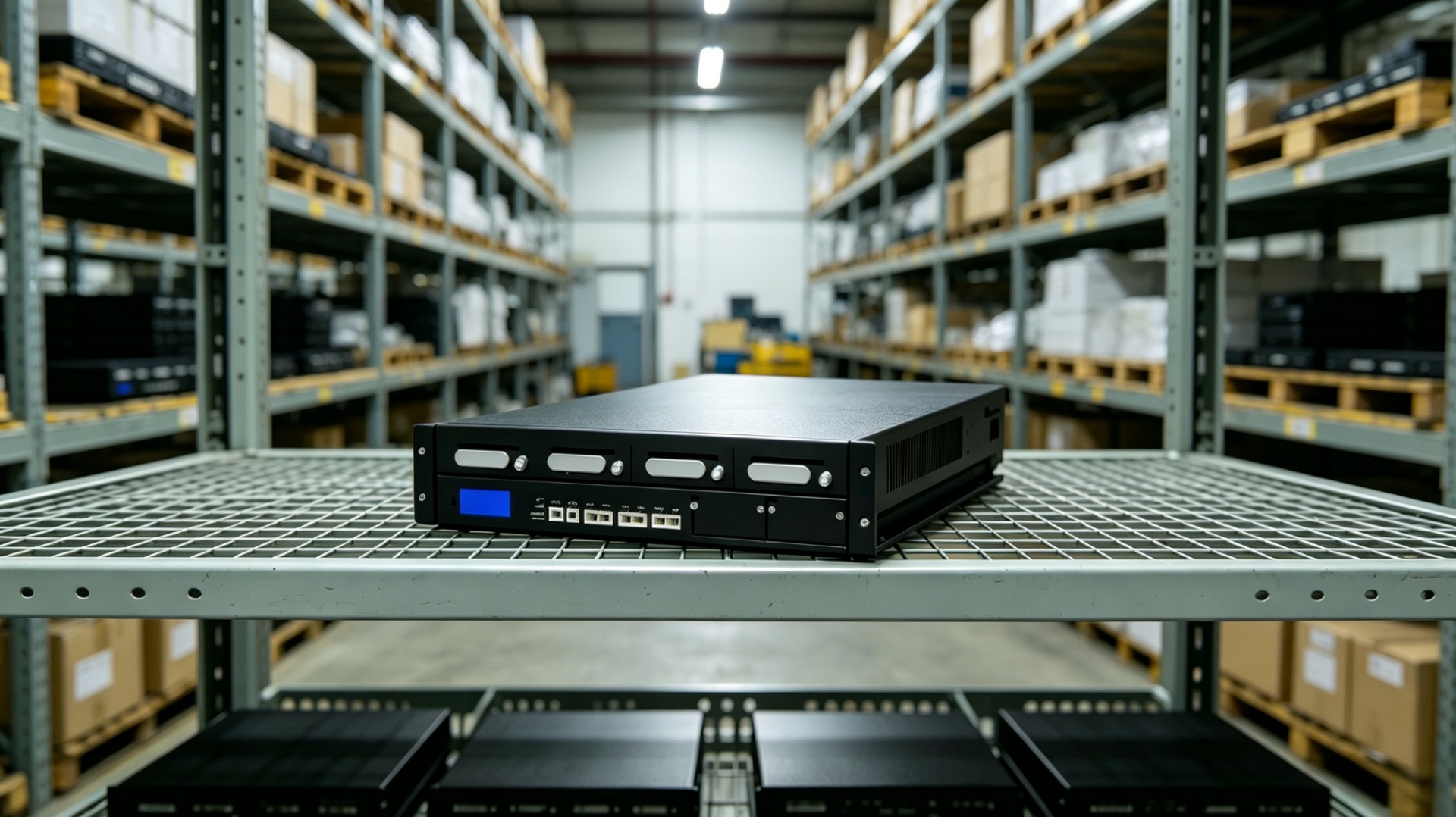
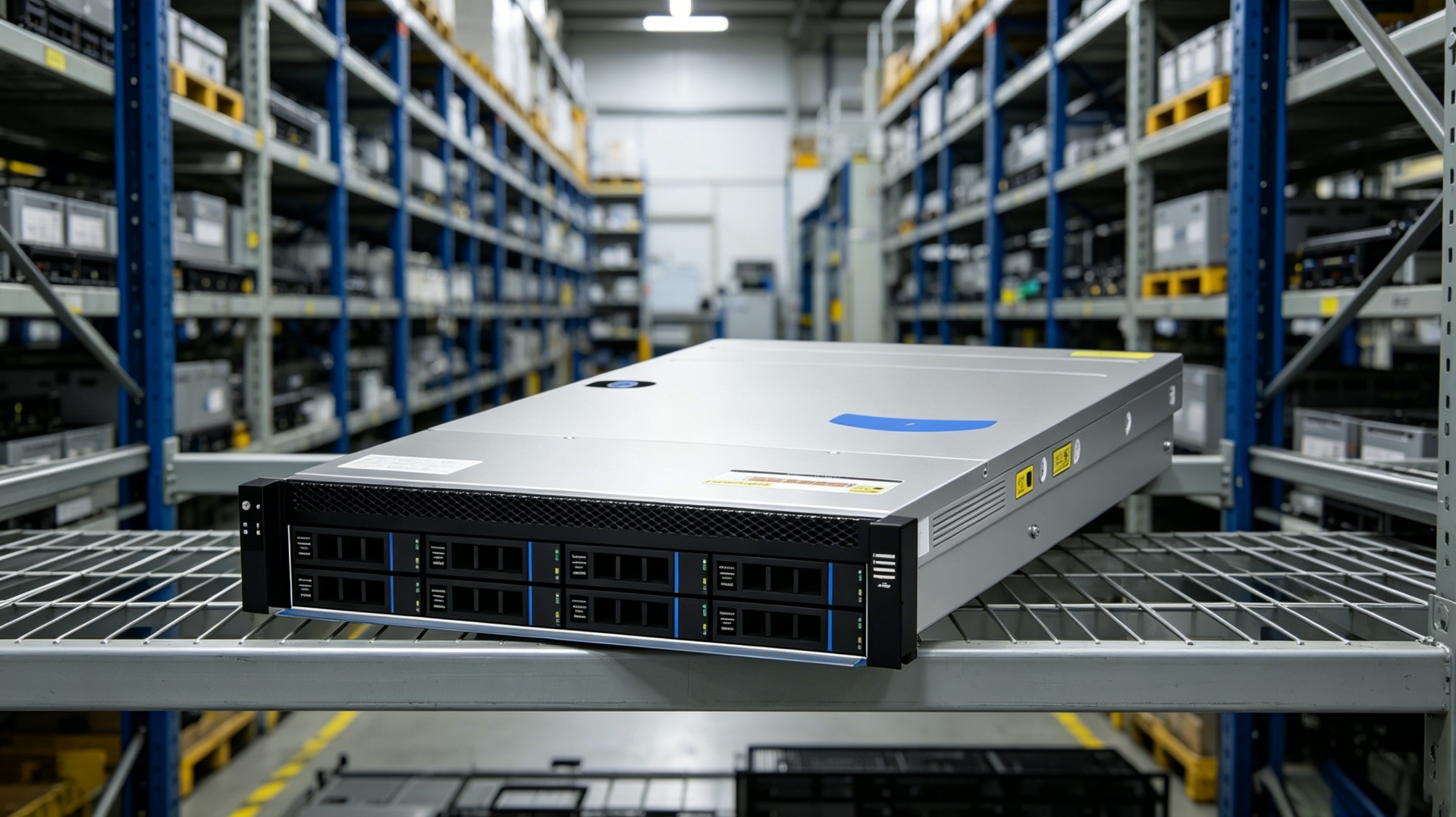
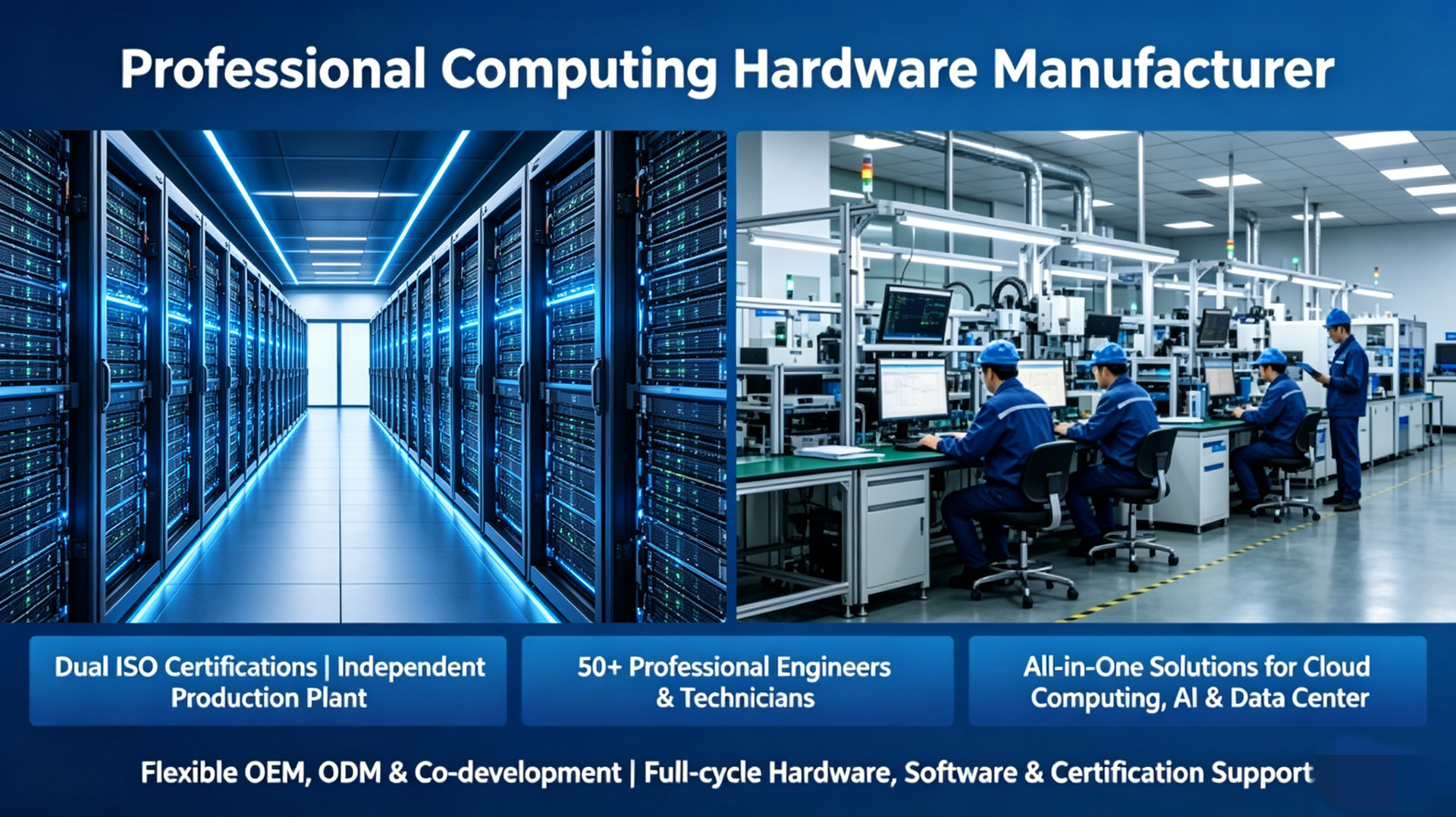
ZOZT (Zhouzhen Intelligent) is rooted in Shenzhen, the core city of China’s electronic industry, founded by a team of senior hardware engineers with a shared industry vision.
Driven by the continuously growing global demand for customized servers and industrial computer hardware, our team has built our own production factory, independent R&D laboratories and professional testing workshops.
Starting as a small professional R&D team focusing on data computing and storage hardware, we have gradually established a complete industrial chain covering sheet metal processing, finished product assembly and full-process quality inspection.
Our core mission is to provide global partners with durable, cost-effective customized hardware, together with comprehensive and transparent technical support services. Our business has grown from small-batch customized sampling to long-term bulk cooperation with global system integrators. We keep optimizing our production procedures and personalized customization services year by year.
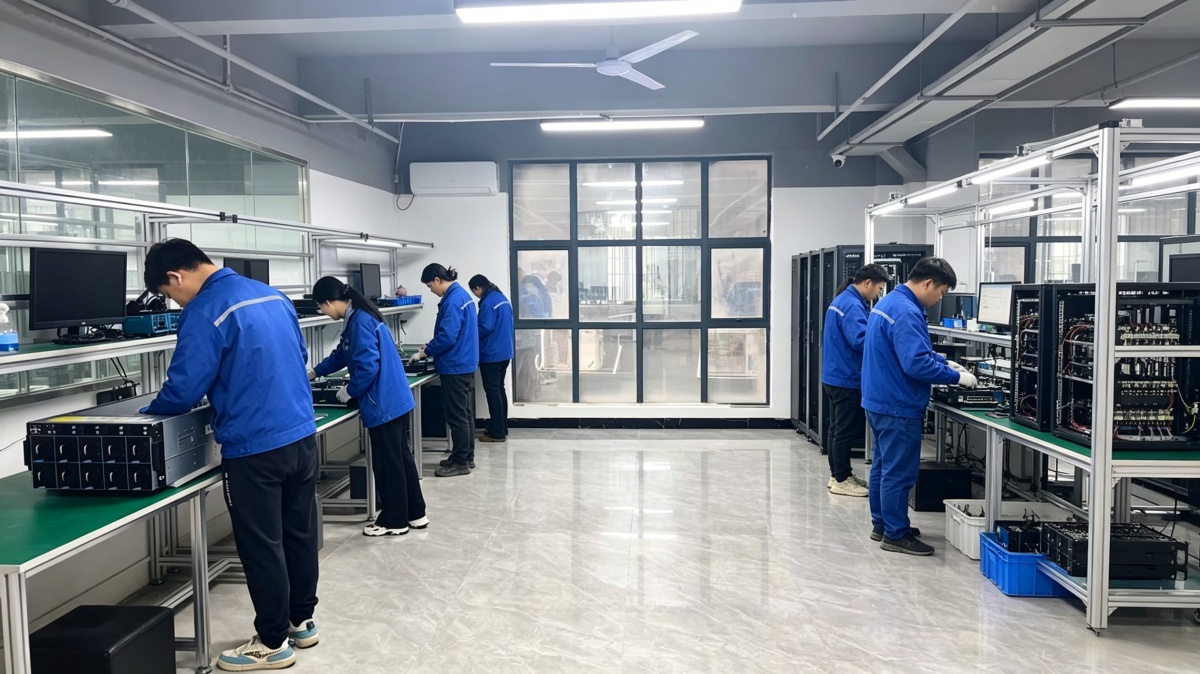
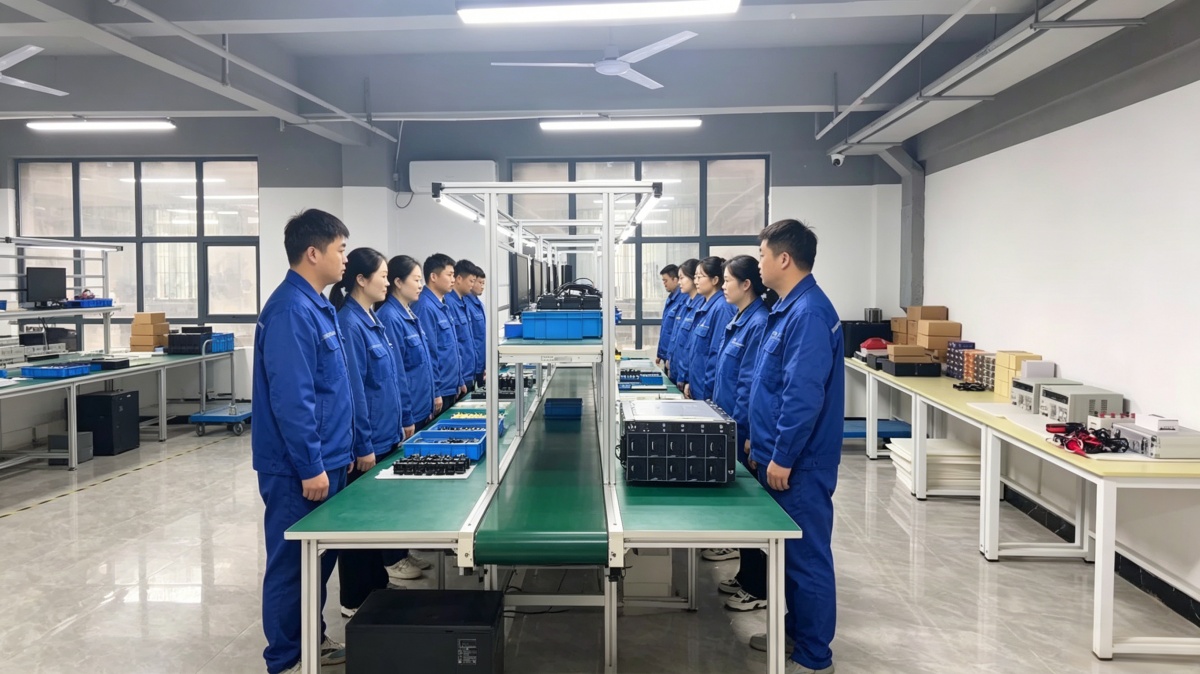
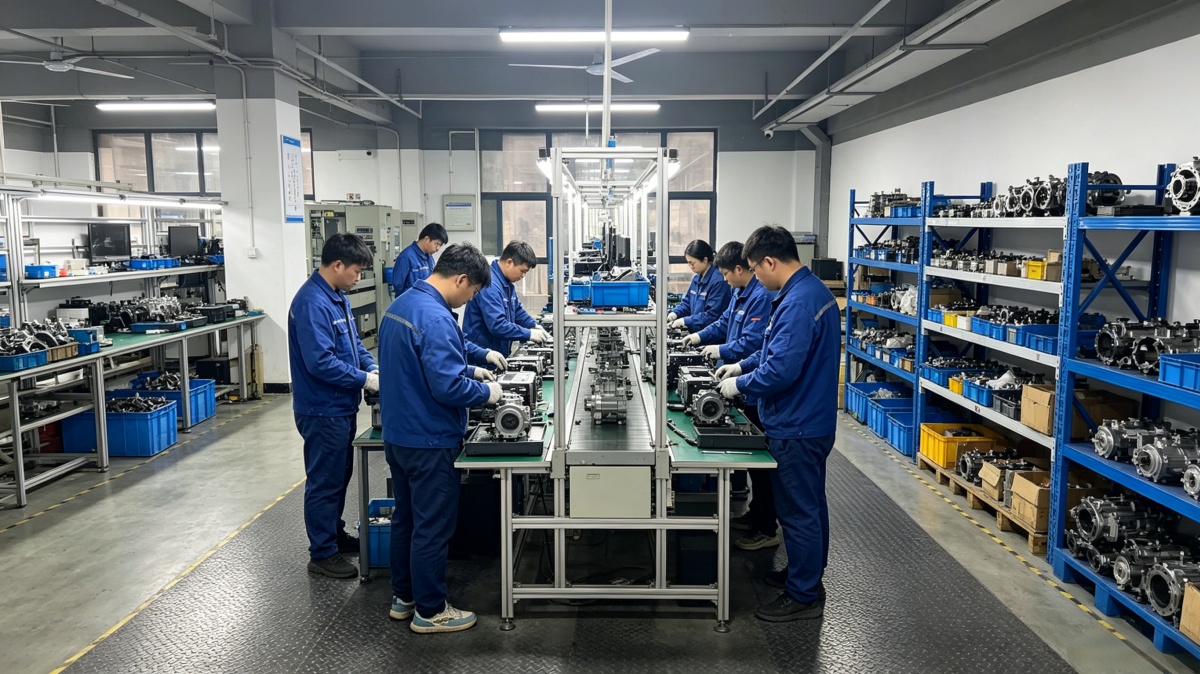
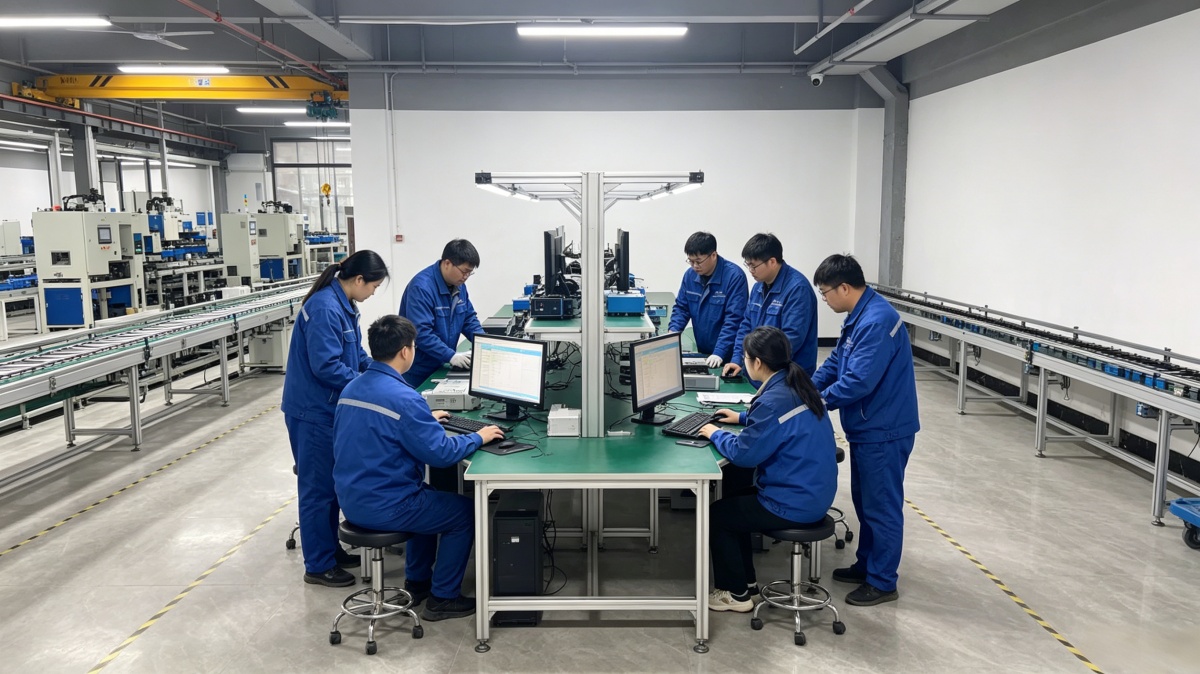
To become the most trustworthy one-stop manufacturer of customized industrial computing hardware for global commercial data scenarios. We will continue to increase investment in R&D and quality control, continuously upgrade our full-process OEM/ODM customization capabilities, and deliver stable and efficient hardware solutions. We aim to help global clients expand their business footprint in the fields of cloud storage, computing power operation, and cybersecurity.
We are continuously architecting next-generation hybrid computing nodes combining multi-core x86 processors, high-performance ARM SOCs, and low-latency PCI Express Gen 4/Gen 5 storage arrays to power future edge AI inference tasks.
From initial concept and electronic schematic development to volume mass production, our rigorous engineering milestones ensure risk-free hardware execution.
Definition of compute tier (Intel, AMD, ARM), power budget, thermal target, multi-display topologies, and custom I/O connector placement.
Multi-layer high-density PCB routing, 3D mechanical CAD modeling of aluminum finned chassis, and finite-element heat simulation.
Custom UEFI BIOS splash screen customization, OS kernel tuning (Win 11 IoT, Ubuntu, Debian, Android), drop/vibration testing, and thermal burn-in.
Automated SMT assembly, laser logo engraving, custom packaging, serial tracking, and reliable worldwide logistics fulfillment.
Select from our field-tested enterprise portfolio, featuring standard models and fully customizable baseboards tailored for your proprietary commercial solutions.
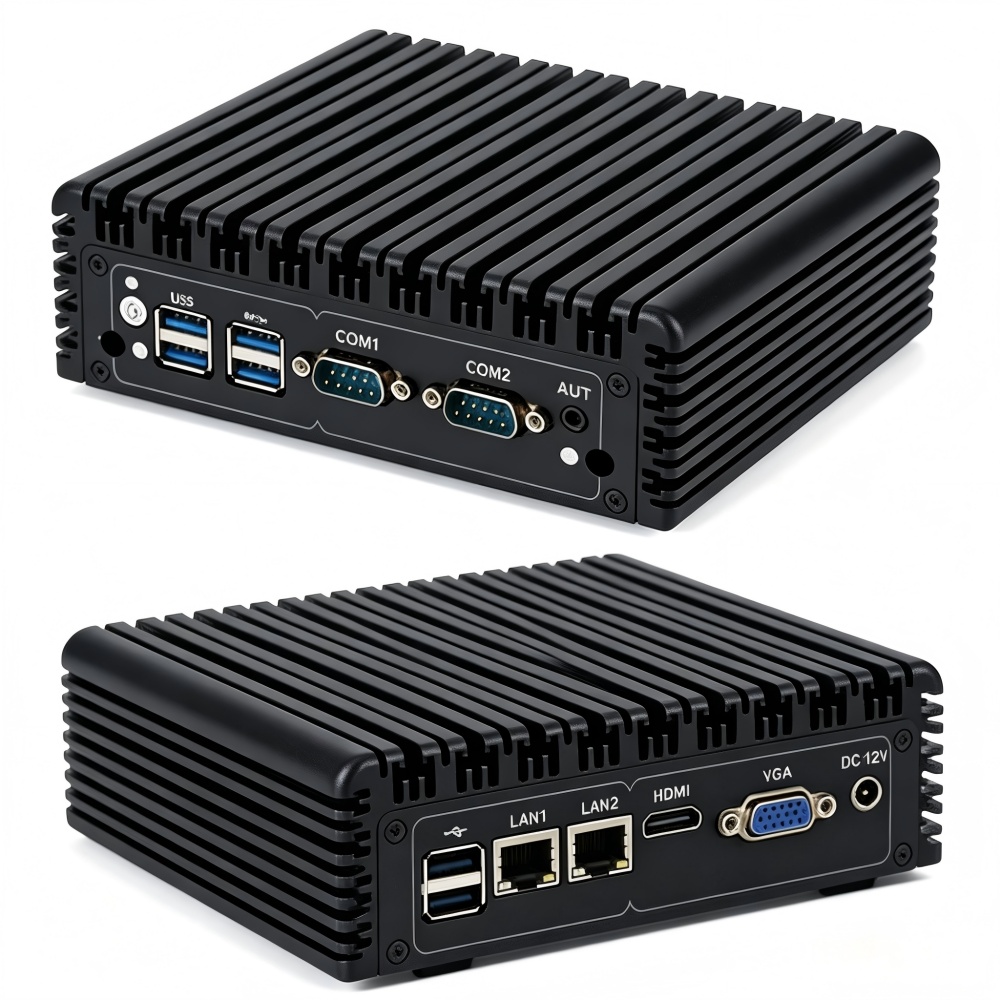
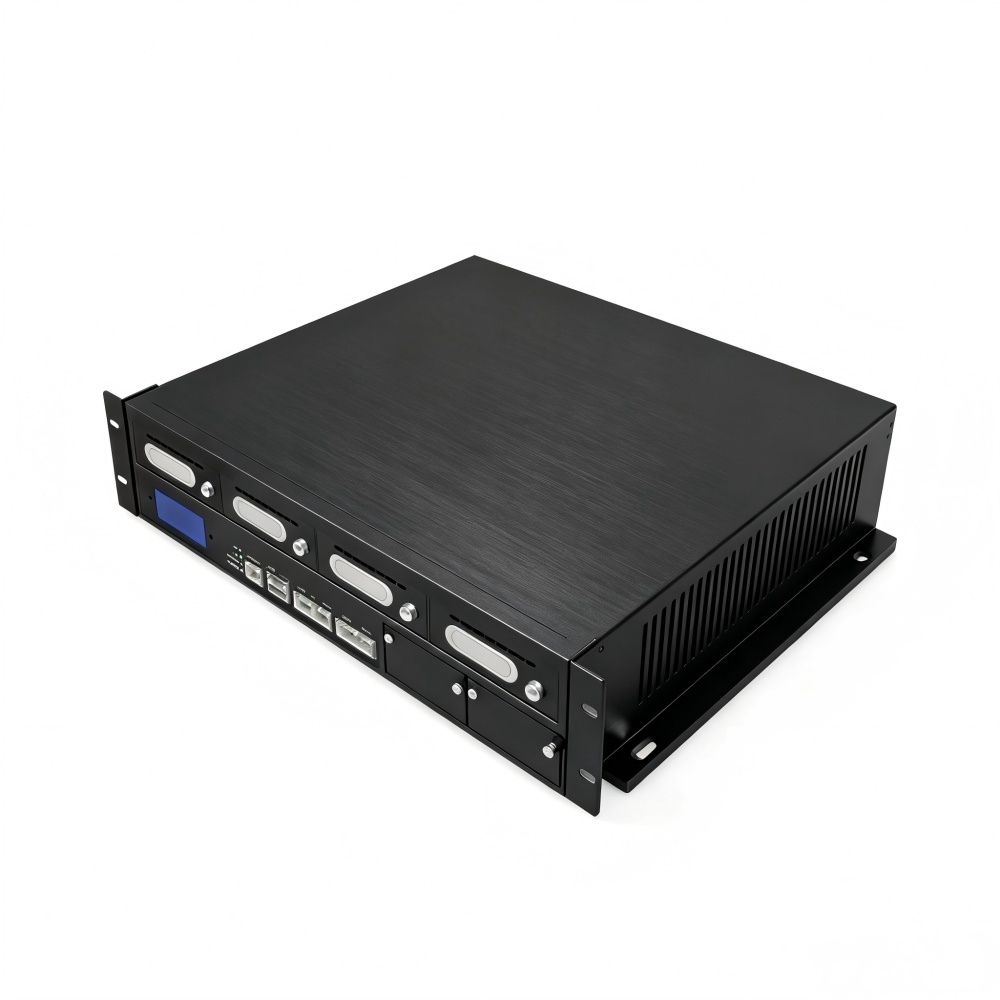
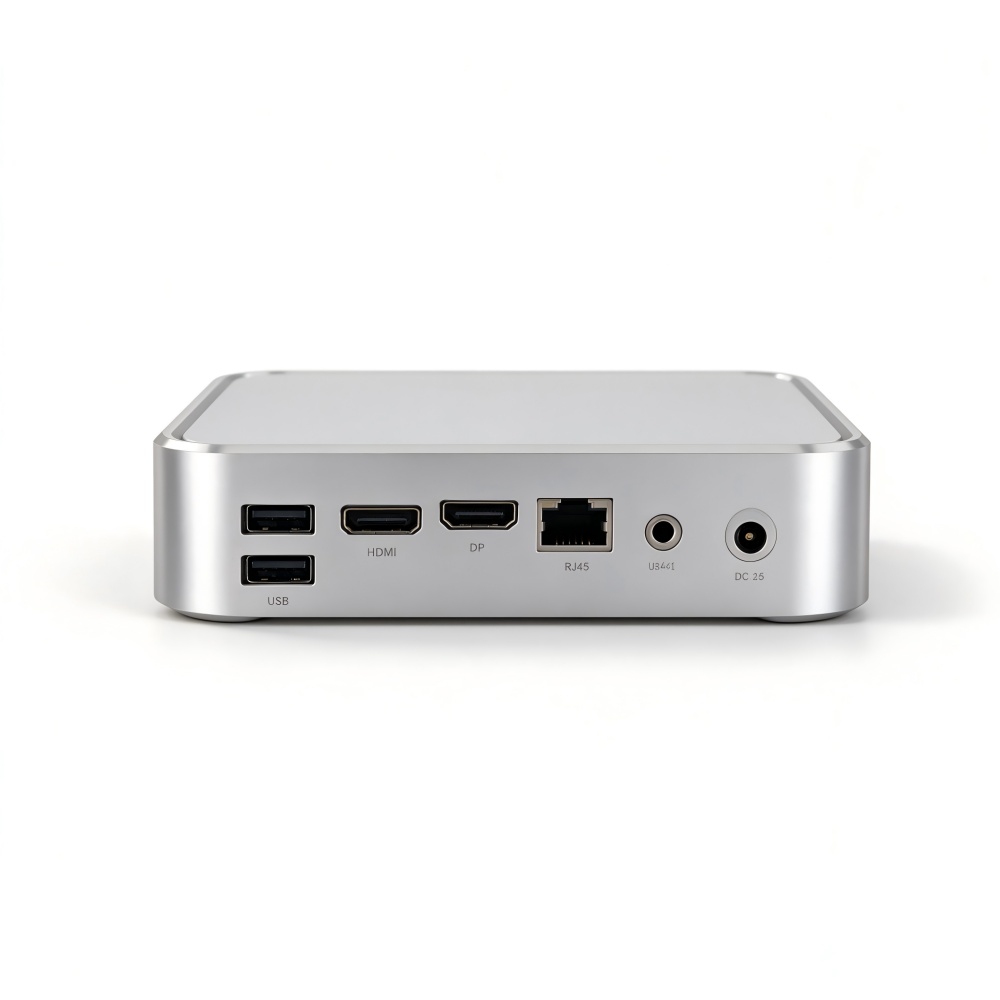
Evaluate architectural benchmarks to select the optimal computing topology for your specific enterprise integration project.
| Hardware Dimension | High-Performance AI Workstations | Fanless Industrial Controllers | Ultra-Low Power ARM Nodes |
|---|---|---|---|
| Primary Processor | Intel Core 12th/13th Gen, AMD Ryzen 7/9 | Intel Celeron J1900, Core i5/i7 U-Series | Rockchip RK3568, Quad-Core Cortex-A55 |
| System Memory | Up to 64GB Dual-Channel DDR5 | Up to 32GB DDR4 / DDR3L SODIMM | 2GB / 4GB / 8GB LPDDR4x Onboard |
| Thermal Solution | Smart Active Hydraulic Low-Noise Fan | 100% Passive Aluminum Extrusion Fin | Ultra-Thin Passive Sealed Metal Case |
| Storage Interface | Dual M.2 PCIe Gen4 NVMe + SATA 3.0 | M.2 NVMe / mSATA + 2.5" SATA Bay | High-Speed eMMC 5.1 + M.2 NVMe Slot |
| I/O & Connectivity | Triple HDMI 2.1, 2.5GbE LAN, Wi-Fi 6E | Dual Intel LAN, RS232/485 COM, 4-GPIO | Dual GbE LAN, Multi-UART, MIPI-CSI, USB 3.0 |
| Target Operating Systems | Windows 11 Pro, Ubuntu 24.04 LTS, RedHat | Win 10 IoT Enterprise, Linux, Android x86 | Android 14, Ubuntu Core, Debian, Buildroot |