Leave Your Message
Engineered to execute complex edge AI analytics, SCADA integration, and multi-node virtualization under rigorous industrial conditions.
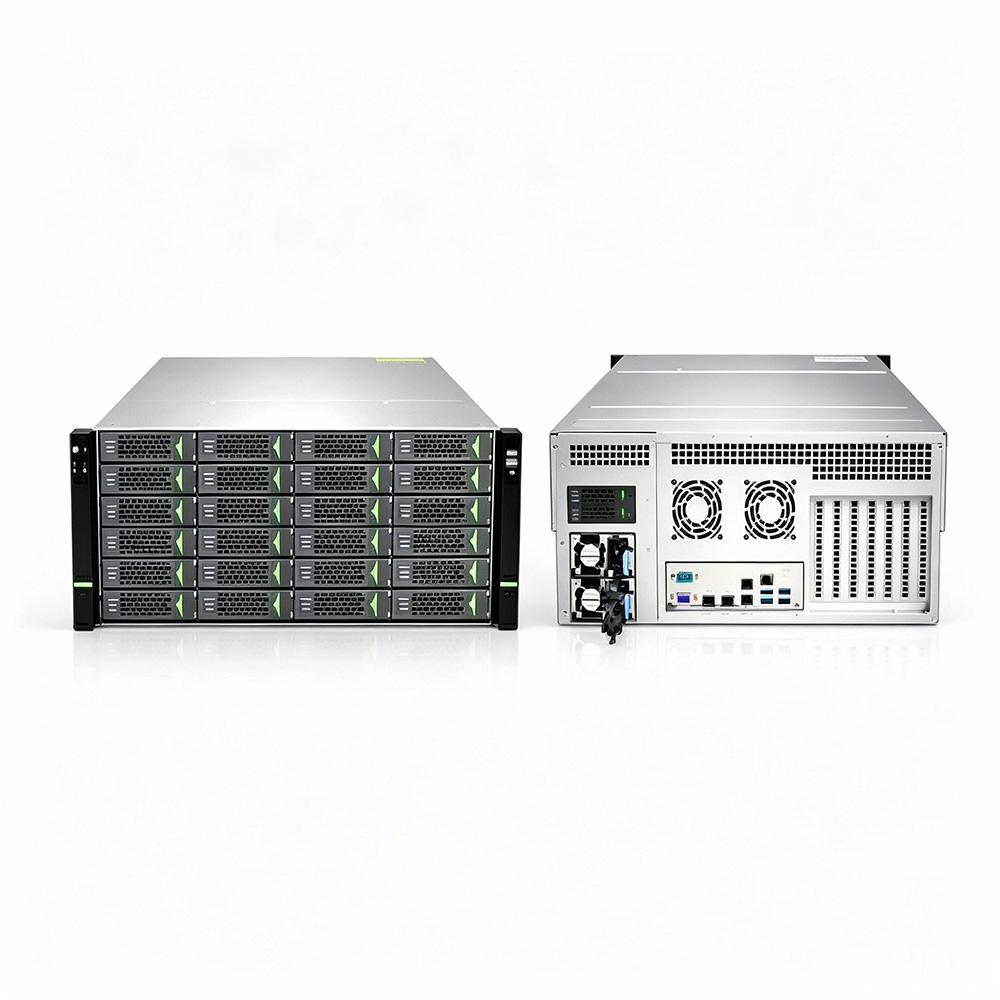
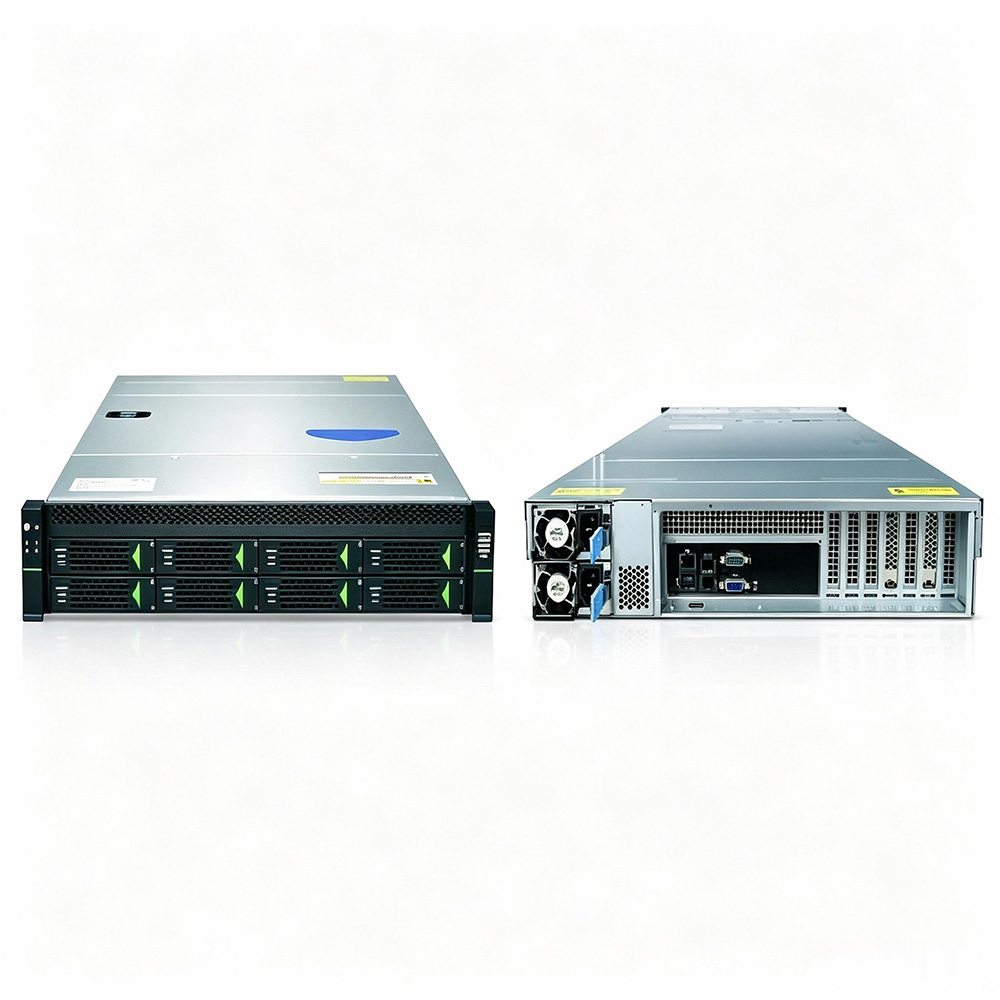
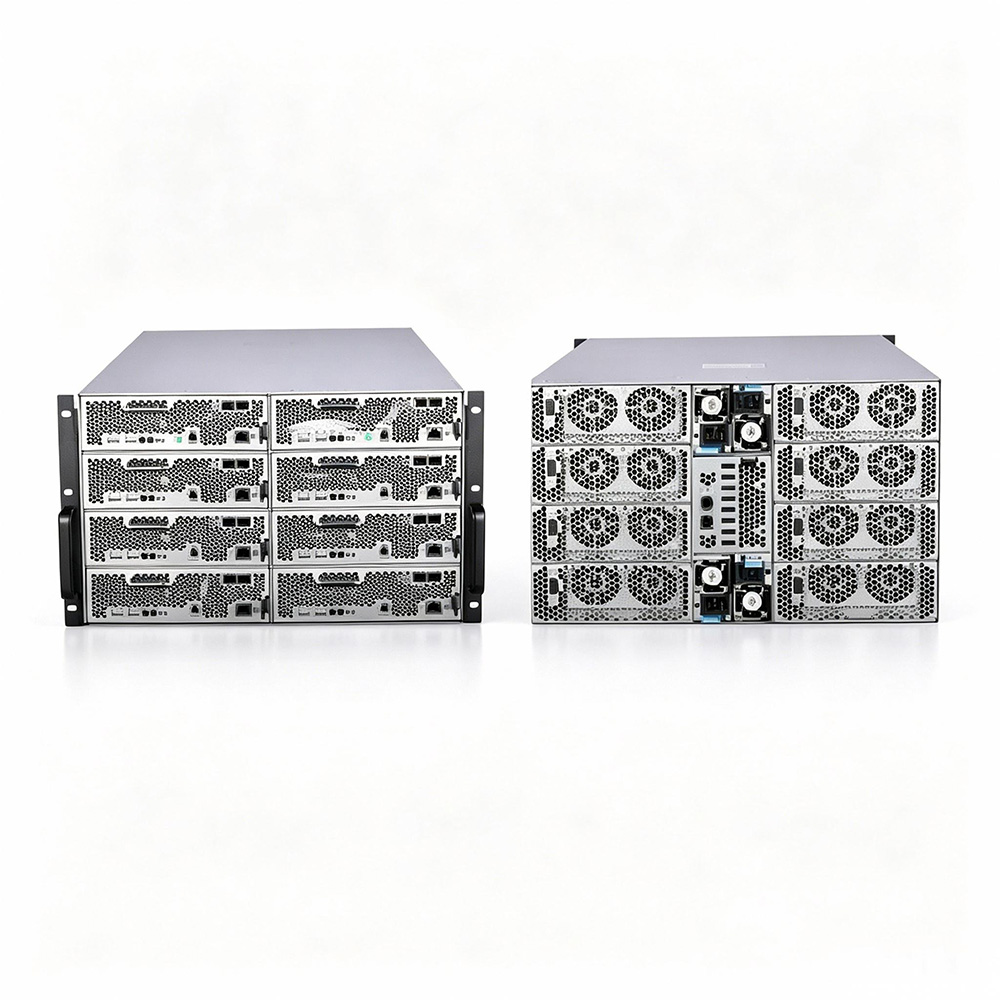
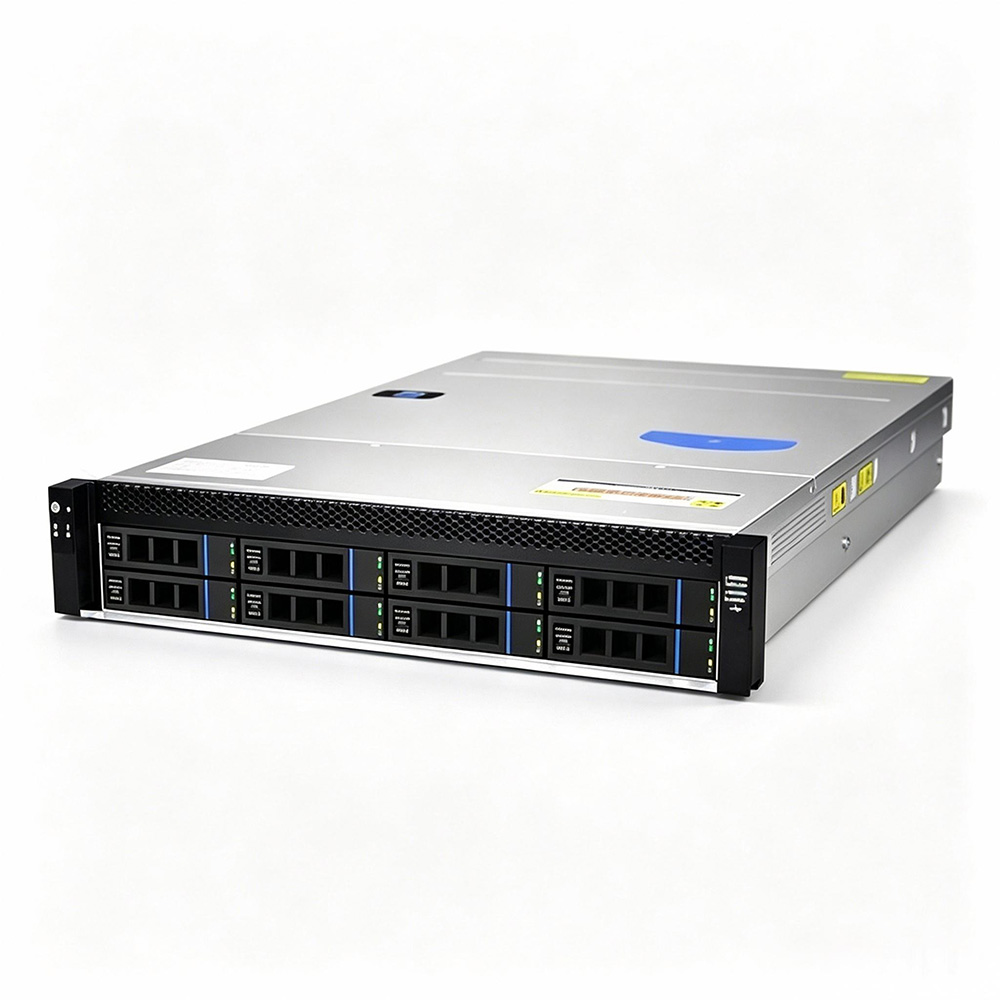
Bridging the architectural chasm between centralized hyperscale cloud facilities and rugged decentralized industrial operational technology (OT).
Industrial digitalization, Industry 4.0, and smart cyber-physical systems have rapidly expanded computational demands beyond climate-controlled, pristine corporate data centers. Today, petabytes of high-frequency sensor telemetry, sub-millisecond machine vision frames, and operational control signals are generated directly on factory workshop floors, maritime transport docks, subterranean mining tunnels, and petrochemical refinery towers. Transmitting this immense data flood across public cloud pipes introduces prohibitive latency, astronomical backhaul bandwidth expenses, and critical cybersecurity exposure vectors.
Consequently, the architecture of choice has pivoted sharply toward Managed Dedicated Servers for Edge Computing in Harsh Industrial Environments. Unlike multi-tenant cloud platforms or virtual machines subject to "noisy-neighbor" jitter, a dedicated edge bare-metal server guarantees deterministic computation, maximum hardware utilization, and direct PCIe interconnect access for AI accelerators and custom industrial fieldbus hardware. Coupled with remote management automation, enterprises achieve centralized oversight while retaining complete local edge autonomy.
Optimized internal aerodynamics, high-static pressure pulse-width modulated (PWM) cooling, and heat dissipation materials engineered to withstand ambient temperature fluctuations from -20°C to +65°C without thermal throttling.
Heavy-gauge zinc-coated steel chassis compliant with industrial electromagnetic immunity standards (IEC 61000-6-2/4) alongside internal drive isolation designed to absorb high mechanical vibration from heavy industrial tooling.
Dedicated out-of-band baseboard management controllers (BMC/IPMI 2.0 and Redfish) allowing zero-touch provisioning, bare-metal telemetry monitoring, secure automated firmware updates, and remote recovery without onsite IT personnel.
Exploring real-world deployments where dedicated processing power guarantees zero unplanned downtime and sub-millisecond execution.
In high-throughput smart manufacturing lines—such as silicon wafer fabrication, automotive stamping, and pharmaceutical packaging—production lines operate at tens of units per second. Line-scan cameras capture 4K/8K uncompressed streams that must be analyzed in real-time to detect microscopic surface micro-cracks, dimensional deviations, or contaminant deposits.
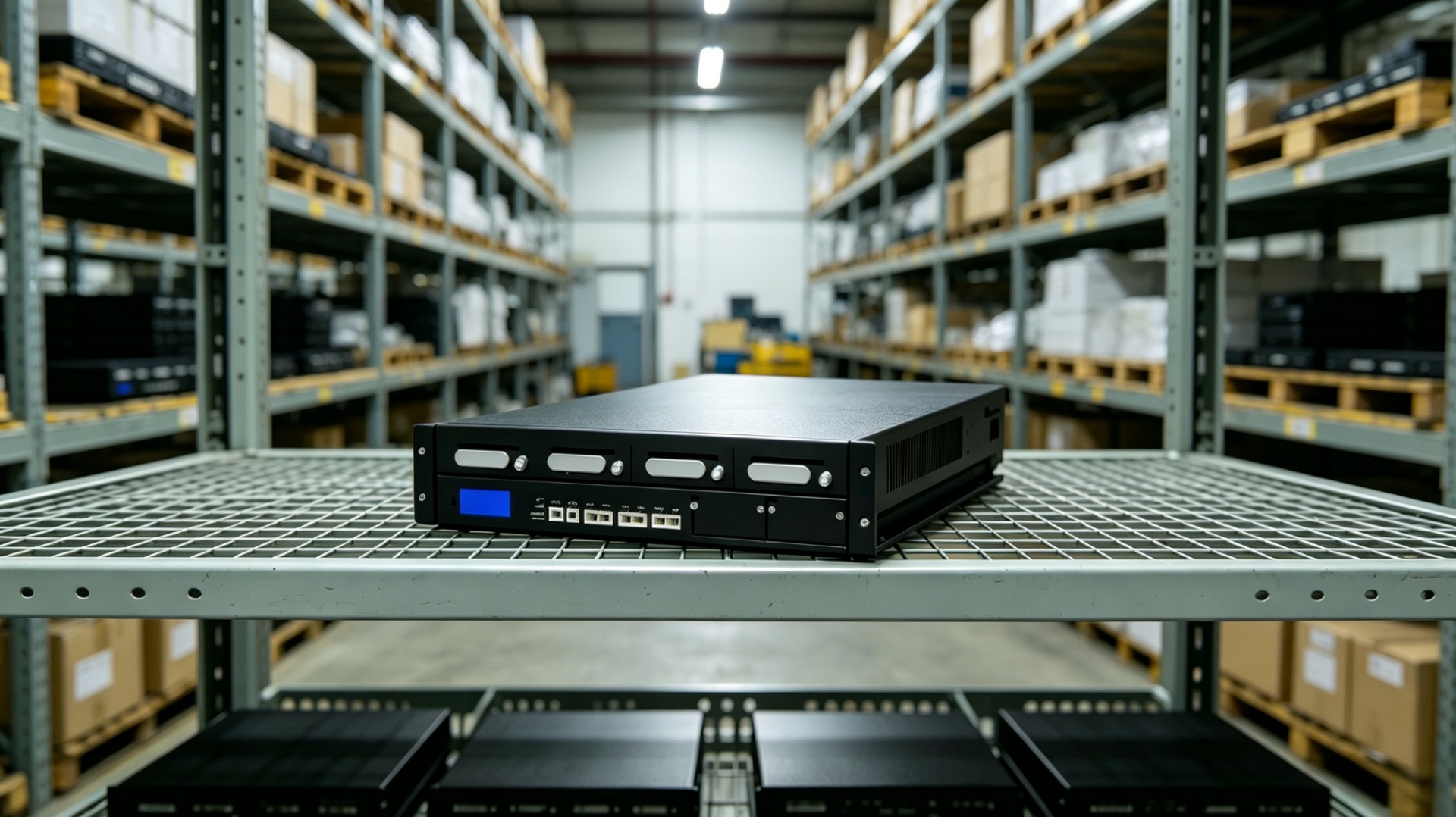
Remote high-voltage electrical substations, oil pumping hubs, and natural gas fractioning facilities present unforgiving operating challenges: corrosive atmospheres, severe electromagnetic spikes from switching gear, and erratic line power quality. At the same time, safety guidelines mandate continuous predictive maintenance of turbine vibration, thermal imaging of pipelines, and rapid tripping of isolation relays.
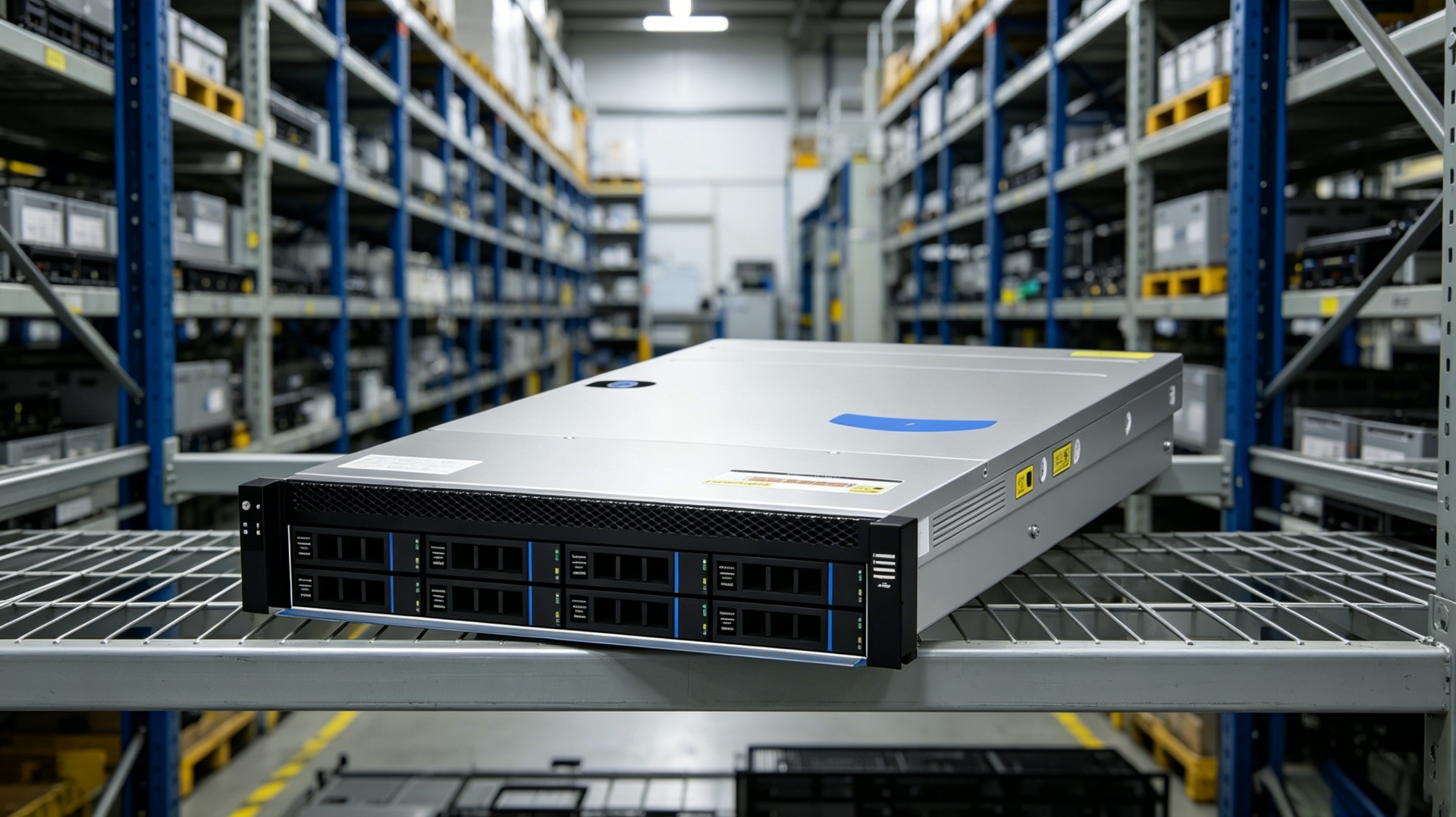
A rigorous engineering contrast demonstrating why commercial off-the-shelf (COTS) IT equipment consistently fails in rugged edge operational environments.
| Parameter | Commercial Office / Cloud Server | Industrial Managed Dedicated Server (Edge) |
|---|---|---|
| Operating Ambient Temperature | +15°C to +35°C (Climate-controlled) | -20°C to +65°C (Extended thermal threshold) |
| Chassis Rigidity & Vibration Resistance | 0.25G basic vibration threshold | MIL-STD-810H rated structural dampening, SSD anti-shock bays |
| Dust & Particulate Filtration | Unfiltered direct air circulation | Washable high-density particulate air filters with fan tachometer failure alarms |
| Management & Recovery | Standard IPMI over local corporate LAN | Zero-Touch Dedicated BMC / Redfish, Hardware Root of Trust (TPM 2.0), OOB Cellular Fallback |
| Power Input & Tolerance | Narrow band 110V/220V AC ±5% | Wide-range AC/DC redundant supplies, transient spike suppression, 48V DC telecommunication option |
| Product Availability & Lifecycle | 12 to 18 months standard lifecycle | 5 to 7+ years fixed BOM (Bill of Materials) longevity for industrial qualification |
Deploying dedicated computing hardware in distributed industrial environments removes the physical security moat typical of centralized data centers. Unauthorized access to server ports, rogue USB insertion, and network interception represent tangible attack vectors. Industrial managed servers address these edge security challenges at the silicon level. With integrated cryptographic coprocessors (TPM 2.0), encrypted NVMe-at-Rest, physical chassis intrusion detection switches, and cryptographically verified bootloaders, the operational hardware stack maintains integrity even in geographically isolated or unmonitored installations.
Delivering end-to-end engineered computing hardware, precision sheet-metal manufacturing, and turnkey ODM/OEM edge solutions worldwide.
Zhouzhen Intelligent Co., Ltd. is located in Shenzhen, China. We are a professional hardware solution manufacturer integrating independent R&D, production and global sales. Our main products include rack servers, industrial control computers, mini PCs, network accessories and customized storage hardware. We provide one-stop OEM/ODM customization services covering hardware, software, complete machine testing and product certification.
Our equipment is widely applied in industries such as AI cloud computing, artificial intelligence, data centers, education, radio & television, and AI data inference. Driven by a dedicated engineering culture, Zhouzhen Intelligent empowers system integrators, edge network operators, and industrial enterprises to realize resilient, ultra-reliable bare-metal computational infrastructures.
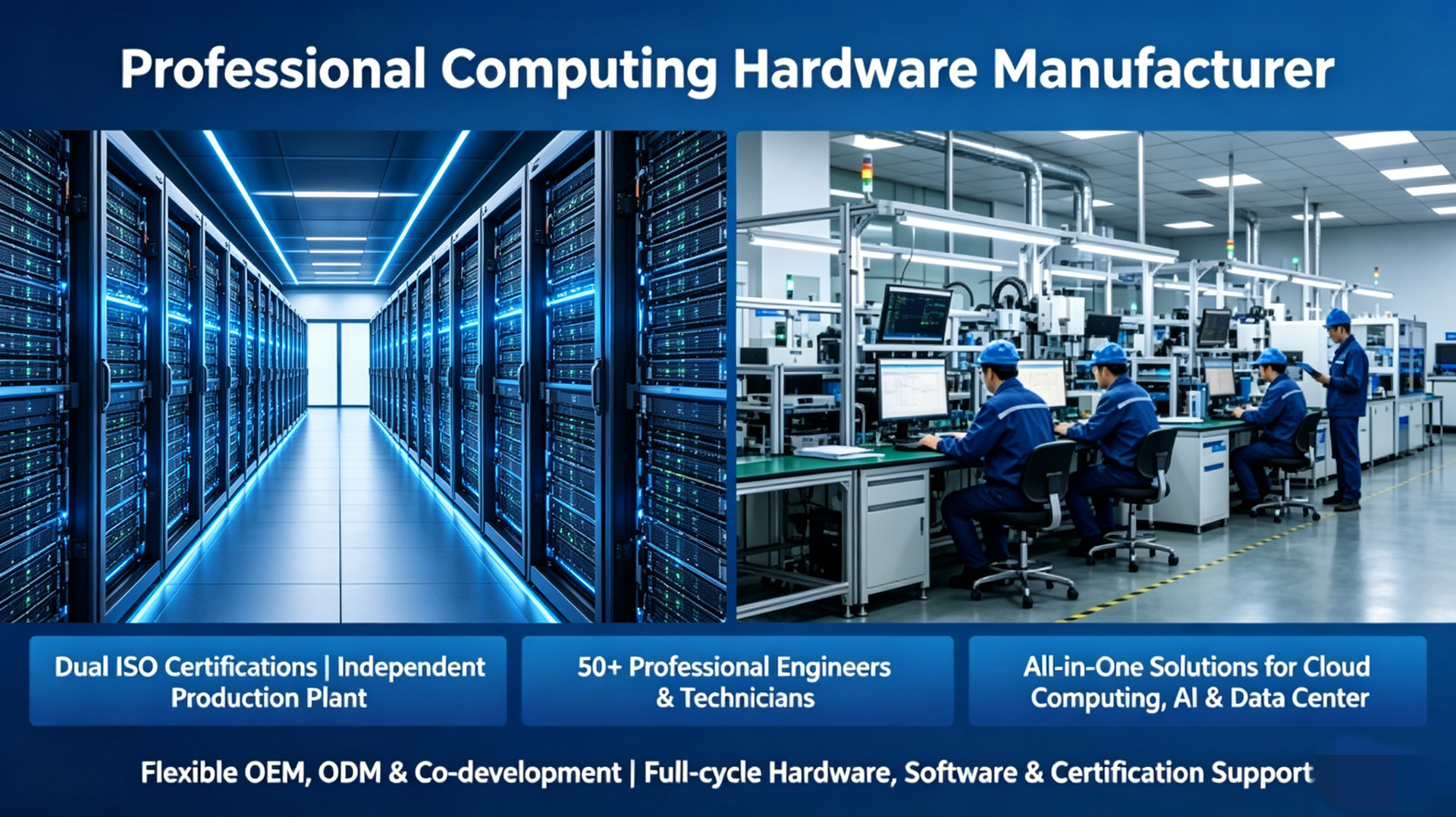
ZOZT (Zhouzhen Intelligent) is rooted in Shenzhen, the core city of China’s electronic industry, founded by a team of senior hardware engineers with a shared industry vision. Driven by the continuously growing global demand for customized servers and industrial computer hardware, our team has built our own production factory, independent R&D laboratories and professional testing workshops. Starting as a small professional R&D team focusing on data computing and storage hardware, we have gradually established a complete industrial chain covering sheet metal processing, finished product assembly and full-process quality inspection.
Our core mission is to provide global partners with durable, cost-effective customized hardware, together with comprehensive and transparent technical support services. Our business has grown from small-batch customized sampling to long-term bulk cooperation with global system integrators. We keep optimizing our production procedures and personalized customization services year by year.
Our Vision: To become the most trustworthy one-stop manufacturer of customized industrial computing hardware for global commercial data scenarios. We will continue to increase investment in R&D and quality control, continuously upgrade our full-process OEM/ODM customization capabilities, and deliver stable and efficient hardware solutions. We aim to help global clients expand their business footprint in the fields of cloud storage, computing power operation, and cybersecurity.
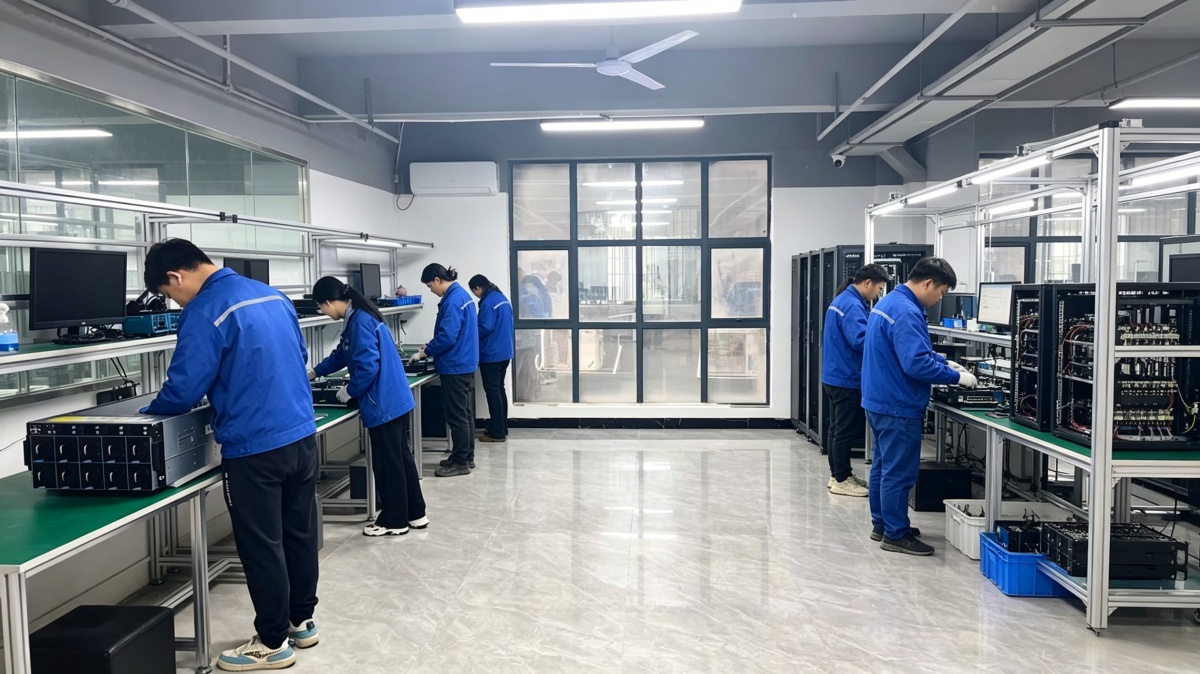
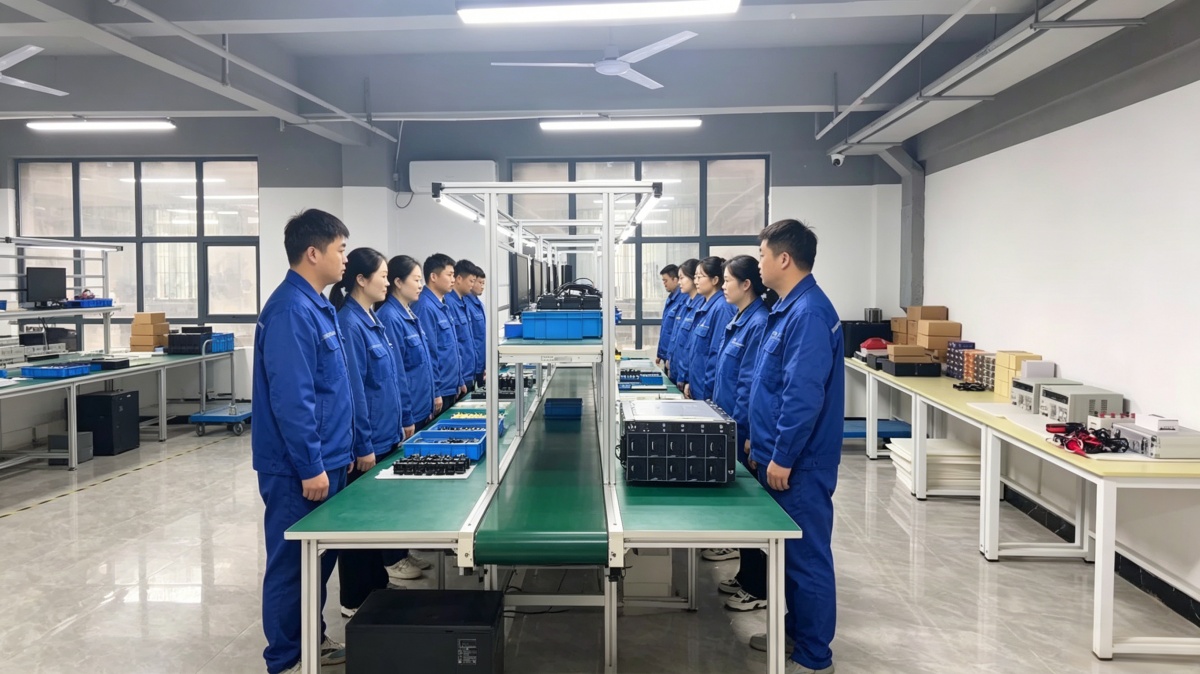
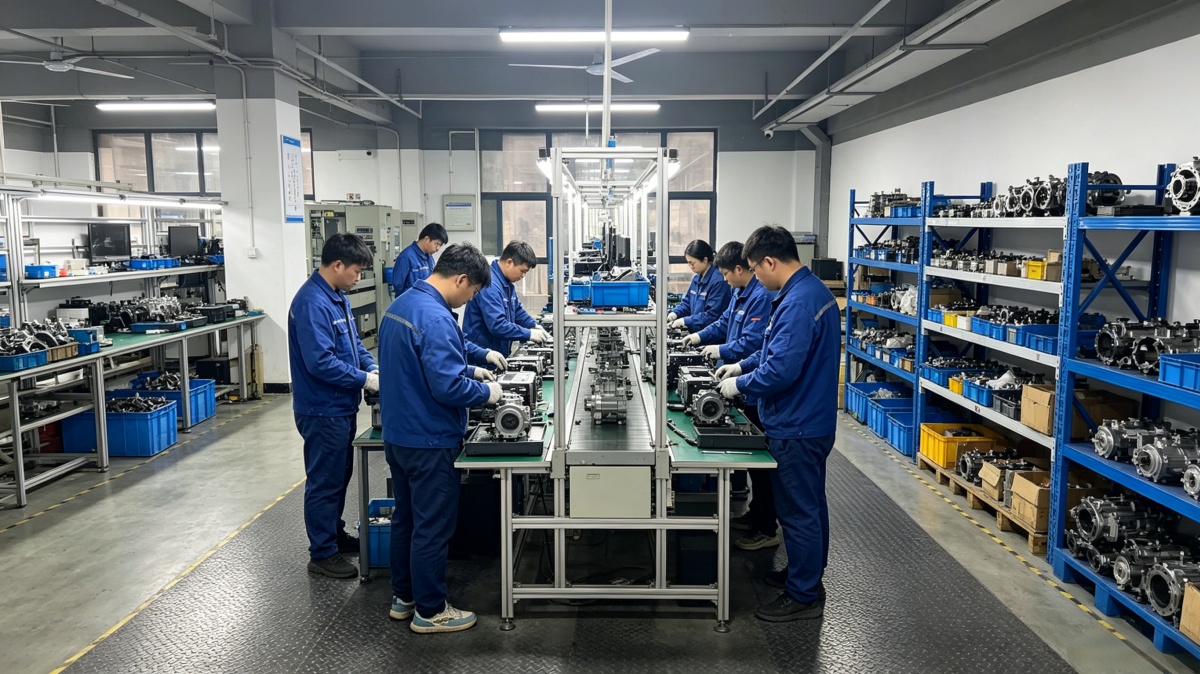
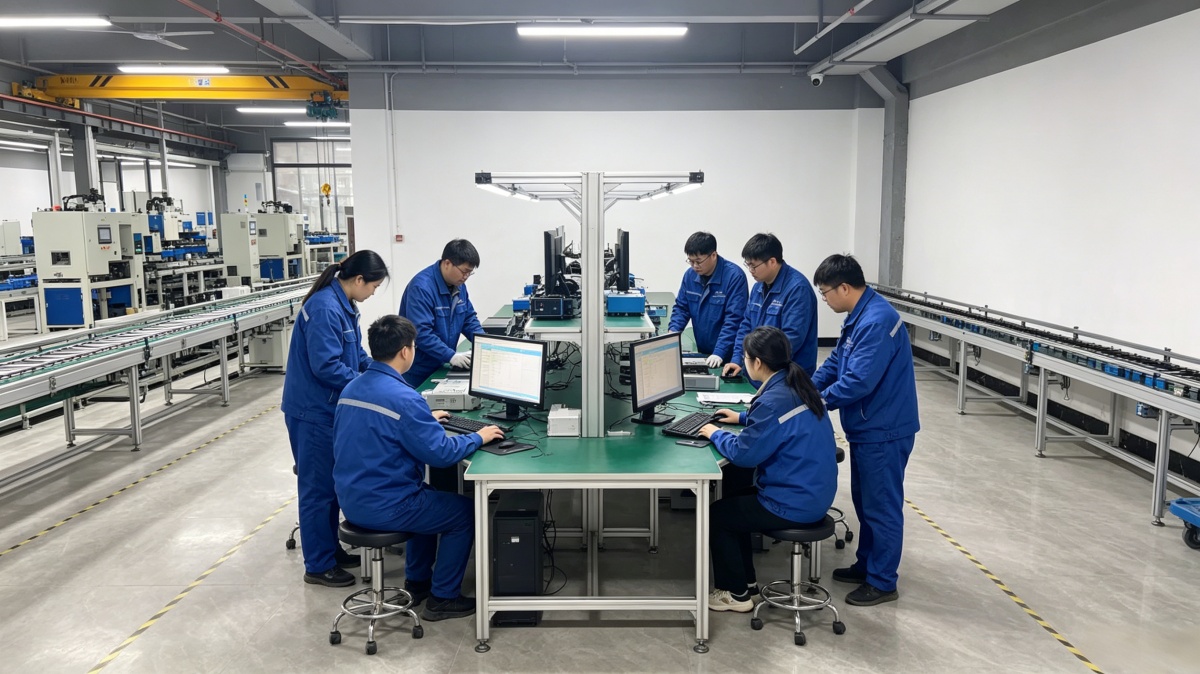

Zhouzhen Intelligent delivers tailored hardware engineering services for clients with highly specialized edge requirements. From customized drive backplanes supporting ultra-fast NVMe/U.2 arrays, specialized chassis depth requirements for telecom racks (less than 500mm), to custom cooling tunnels designed for extreme dusty industrial sites, our 50+ in-house engineers manage every stage from CAD design, thermal flow simulation, rapid sheet-metal CNC prototyping, to full environmental stress screening (ESS).
Explore our comprehensive lineup of bare-metal servers, multi-node modular systems, and GPU compute appliances engineered for edge computing.
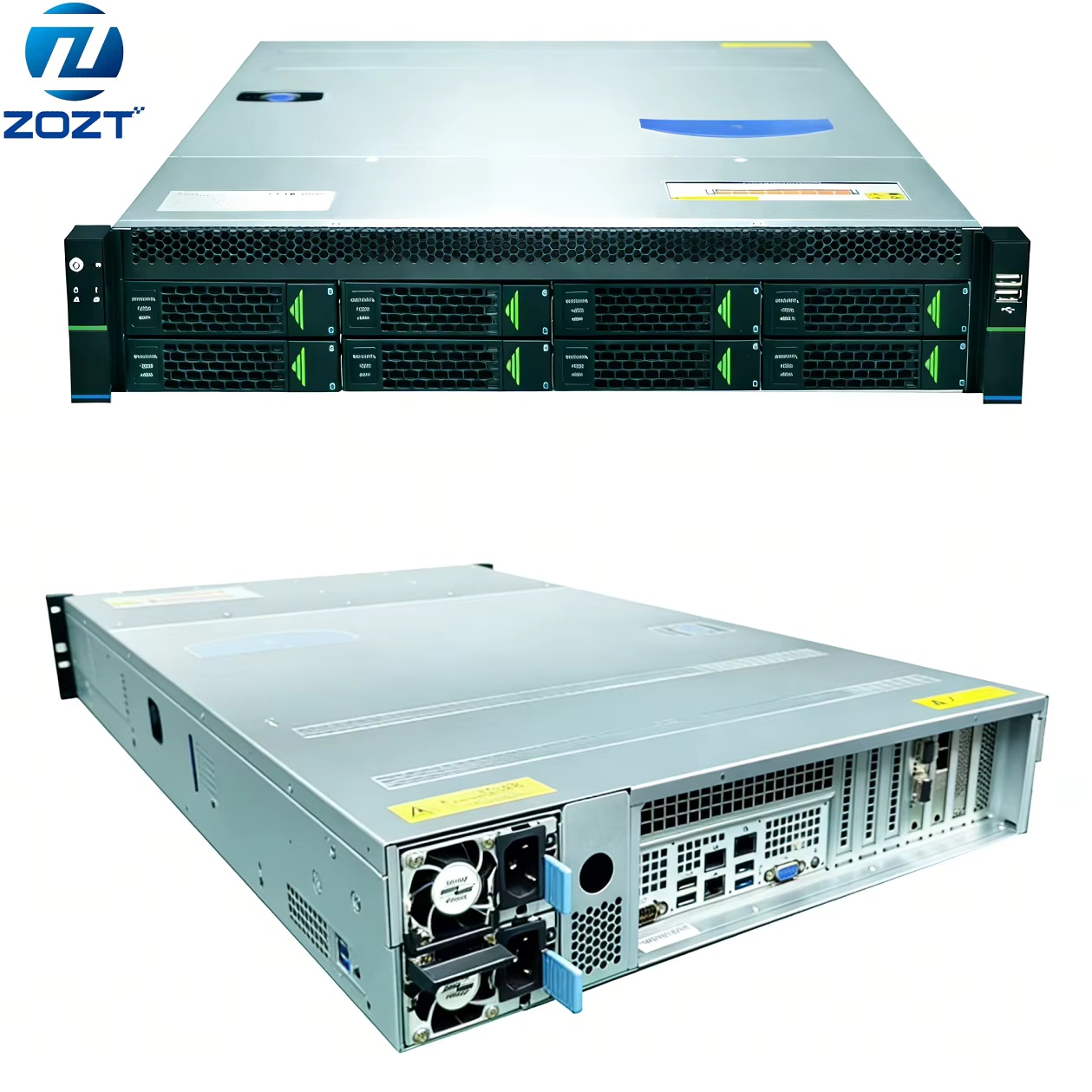
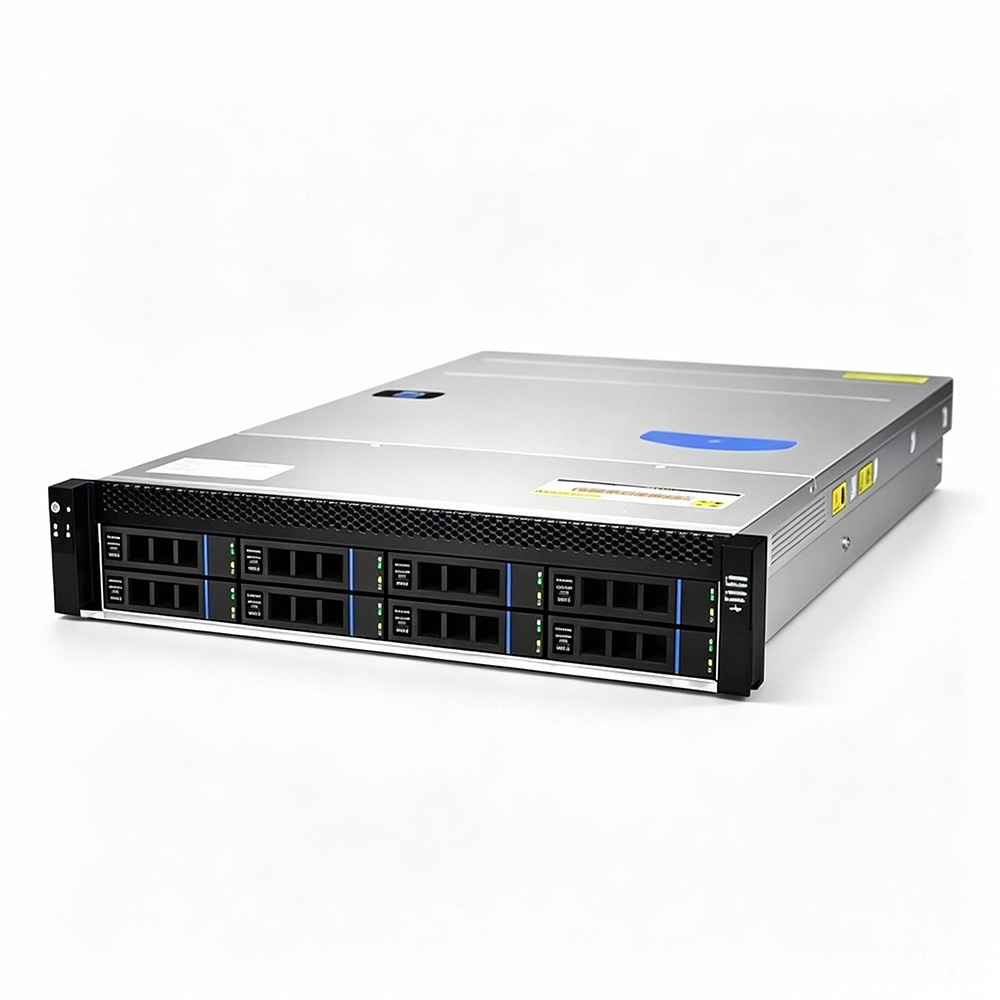
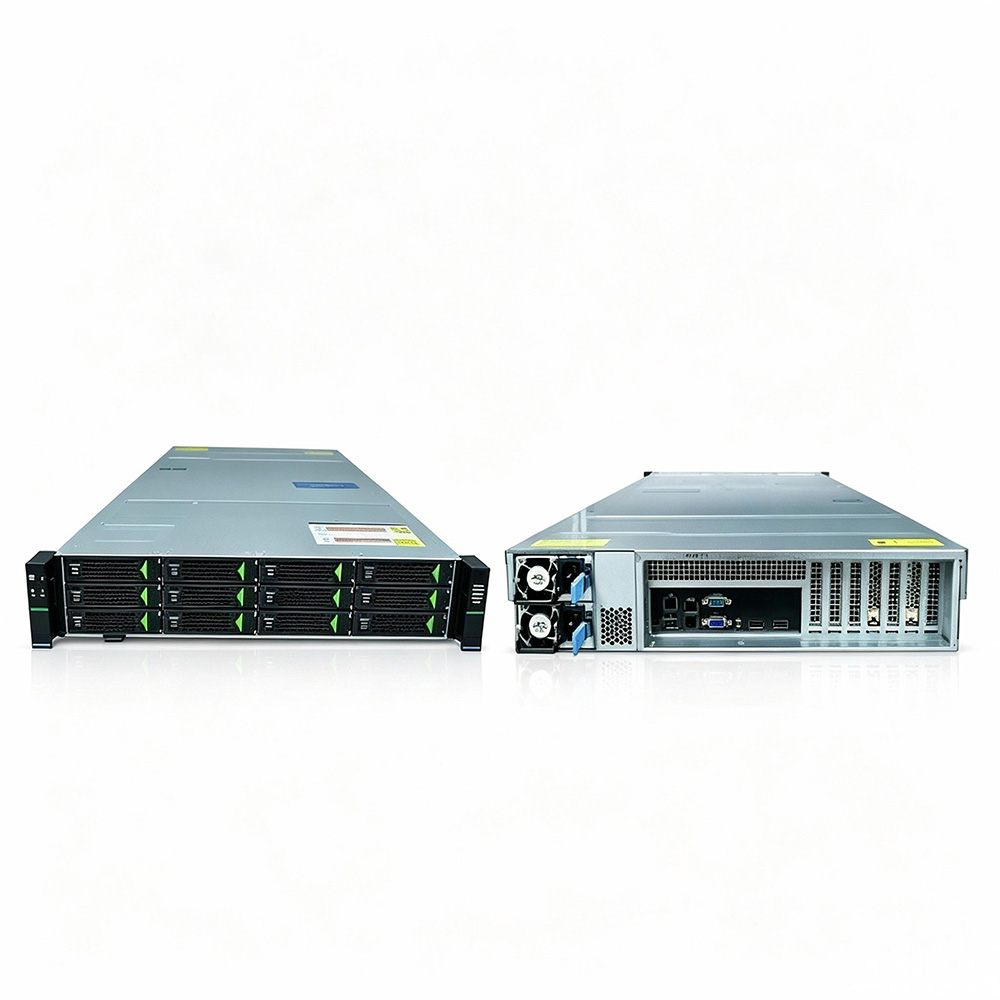
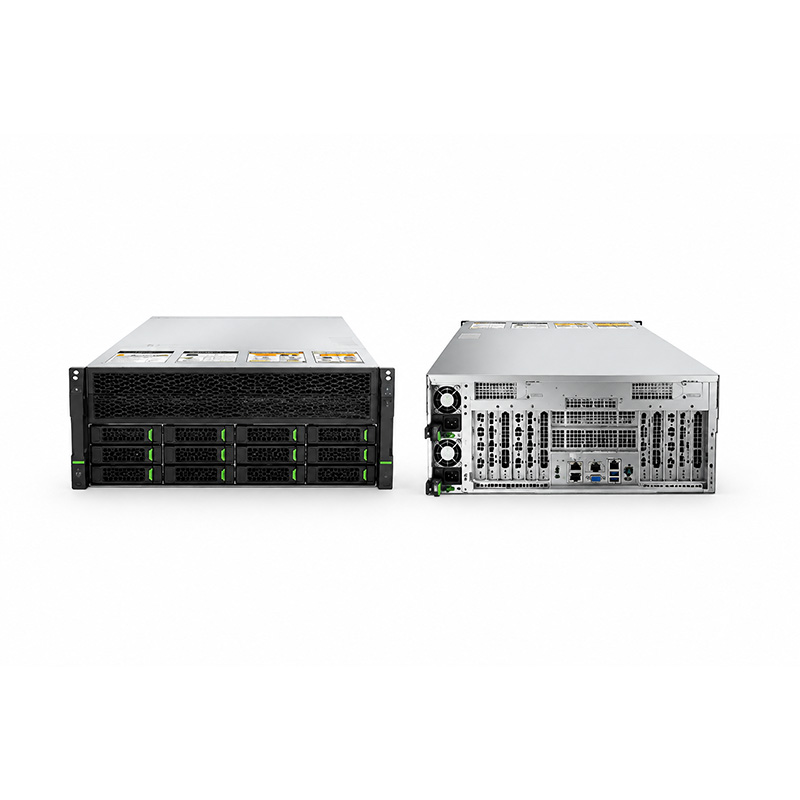
Clarifying technical trade-offs, deployment architectures, and management mechanisms for harsh operational deployments.
While standard industrial PCs (IPCs) provide ruggedized field housing for individual automated tasks, they lack centralized management toolsets, redundant computational bandwidth, and out-of-band enterprise recovery protocols. A Managed Dedicated Server provides data-center-grade compute capacity (such as multi-core AMD EPYC or Intel Xeon processors, multi-terabyte ECC memory, and hardware RAID controllers) coupled with end-to-end operational management. Managed dedicated services oversee continuous thermal monitoring, operating system patch orchestration, remote hypervisor deployment, and pro-active hardware replacement before critical component failures occur.
Industrial edge servers utilize structural dampening assemblies, including silicone drive sled isolators, mechanically braced PCIe expansion retainers, and locking internal power and data cables. For extreme physical vibration (such as on-board rolling rail stock or mining excavators), traditional spinning HDDs are replaced entirely with solid-state NVMe or industrial SAS SSDs, eliminating mechanical read/write head instabilities and offering structural shock resistance exceeding 30G.
Yes. A fundamental tenet of edge computing architecture is deterministic operational autonomy. The dedicated server executes machine learning inferencing models, historian data logging, and PLC telemetry aggregation completely on-premise without requiring real-time internet connectivity. Management telemetry, centralized log synching, and cloud synchronization resume automatically through queuing buffers once public or private wide-area connectivity is restored.