Leave Your Message
In the era of Industry 4.0 and hyper-connected smart infrastructures, the legacy paradigm of "air-gapped" isolation in industrial control networks has completely evaporated. The convergence of Information Technology (IT) and Operational Technology (OT) has accelerated data interchange from shop-floor Programmable Logic Controllers (PLCs) up to hybrid-cloud analytics suites. However, this hyper-connectivity introduces critical vulnerabilities across supervisory control and data acquisition (SCADA) fabrics, Distributed Control Systems (DCS), and cyber-physical production lines.
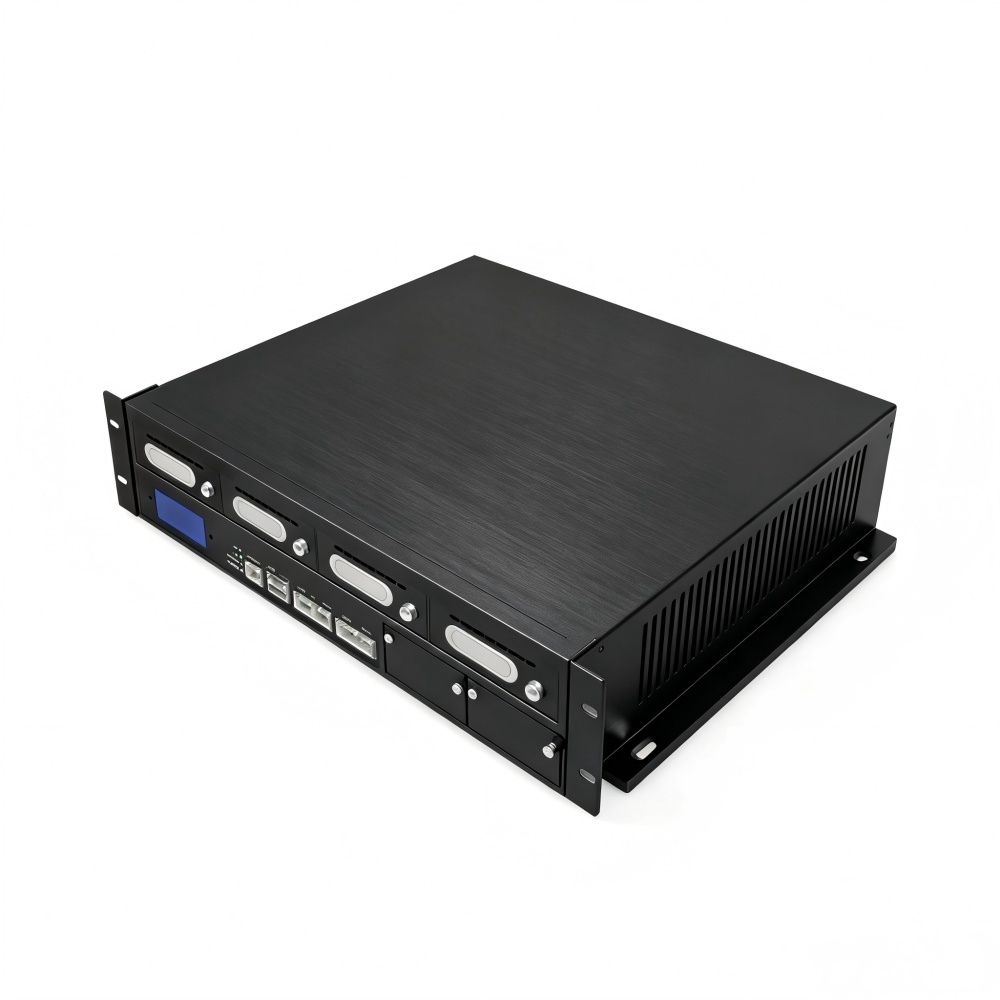
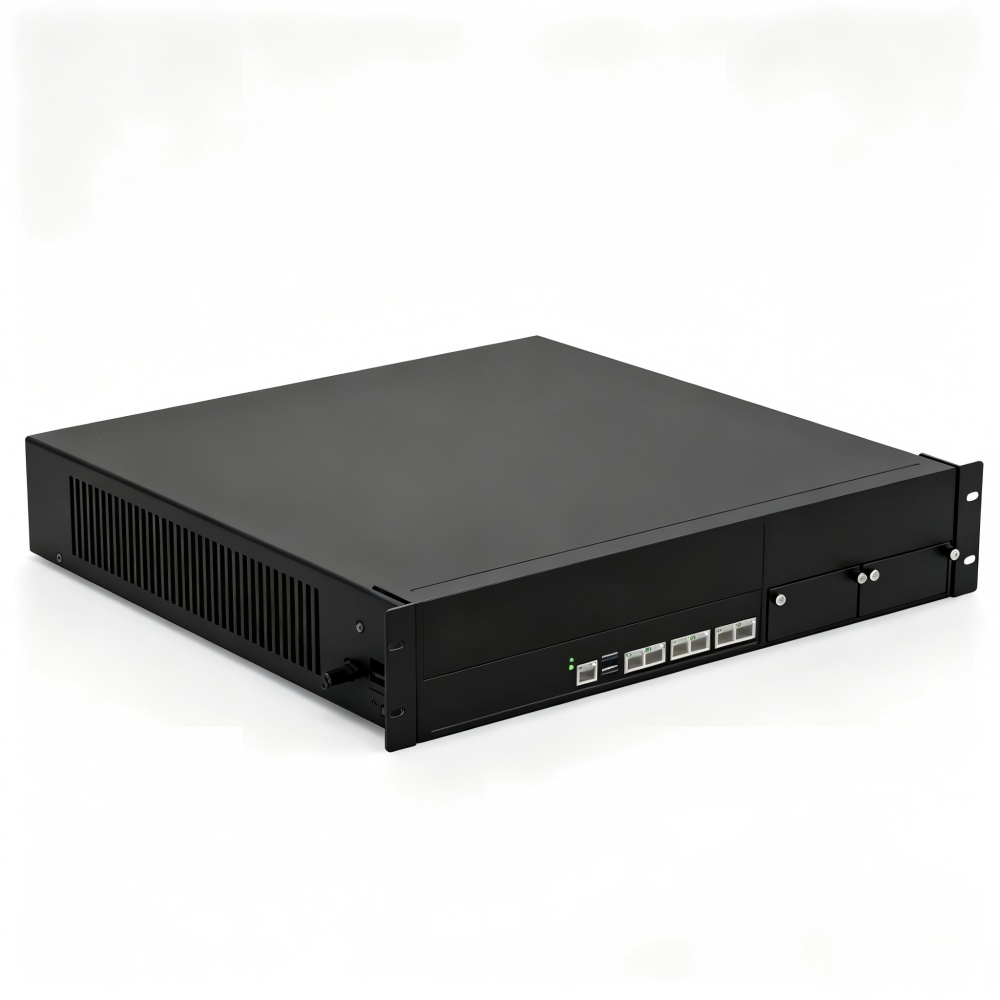
Deploying an Industrial Panel PC for network security, firewall, and routing hardware deployment addresses a paramount commercial challenge: modern industrial networks cannot rely on delicate commercial-grade 19-inch rack-mounted appliances exposed directly to abrasive manufacturing floors, petrochemical refineries, remote energy substations, and vibration-heavy transportation corridors.
System integrators and industrial cybersecurity engineers require edge-deployed hardware architectures capable of running sophisticated Unified Threat Management (UTM), Next-Generation Firewalls (NGFW), Intrusion Detection/Prevention Systems (IDS/IPS), and virtualized routing protocols (such as BGP, OSPF, and SD-WAN) directly within control cabinets. Simultaneously, on-site field engineers require real-time Human-Machine Interface (HMI) visual interaction, diagnostic status monitoring, and instantaneous cryptographic credential provisioning at the edge.
Segregates Purdue Model Layer 1, 2, and 3 networks with strict packet filtering, ensuring malware or lateral threats cannot traverse between shop-floor automation and corporate clouds.
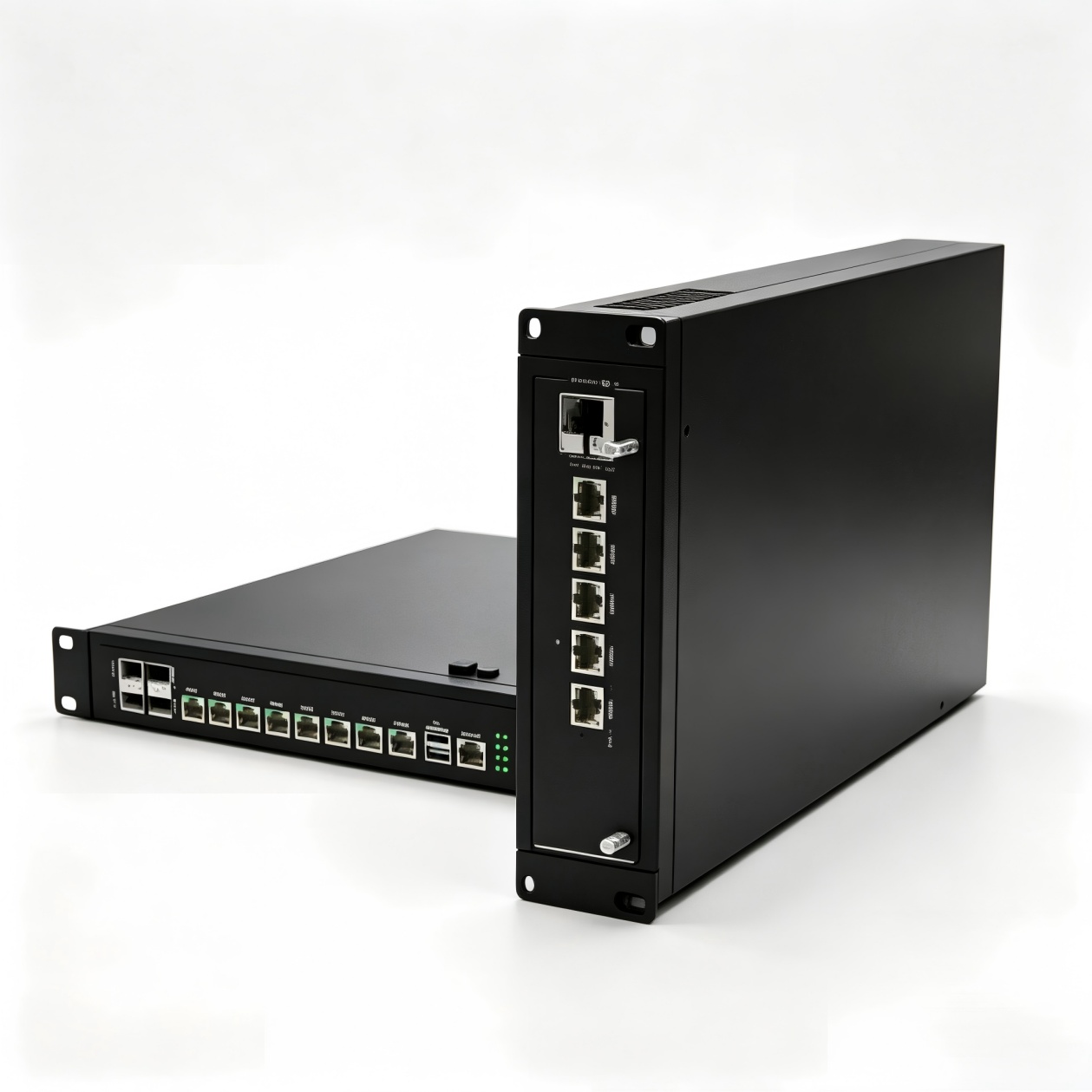
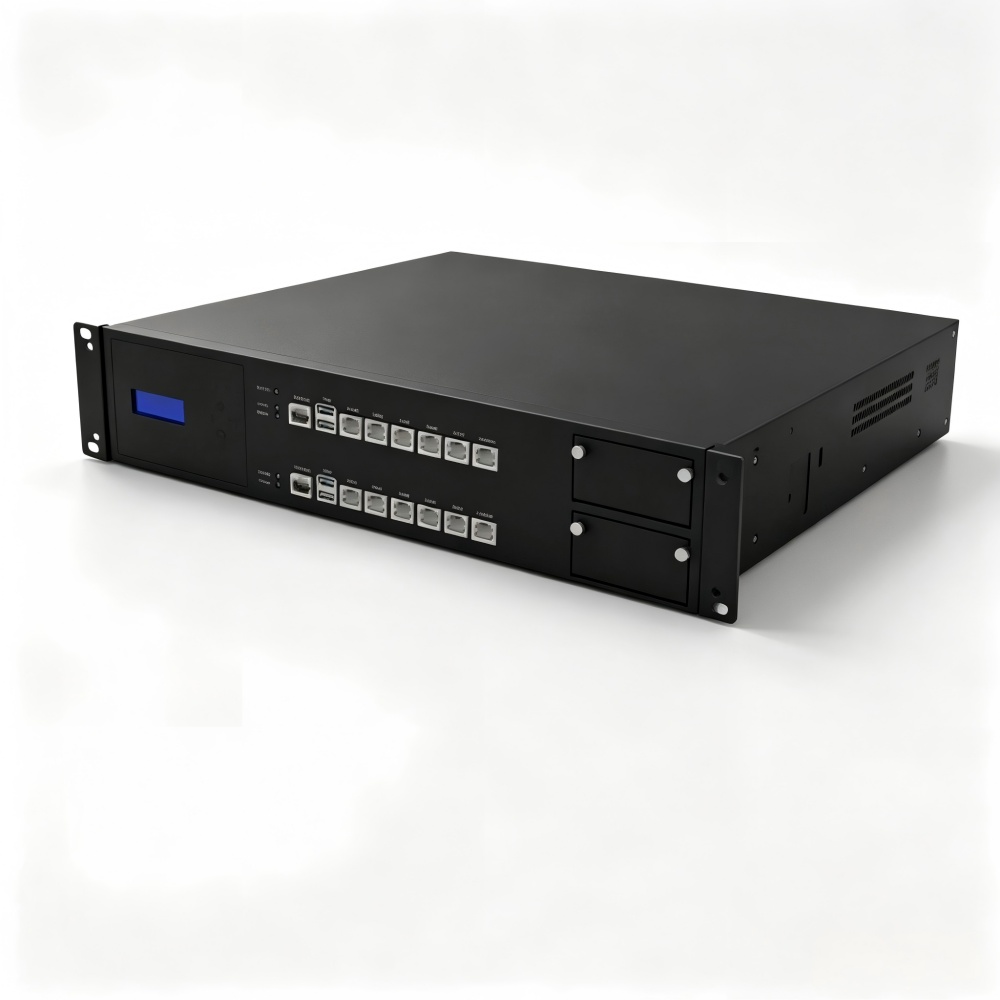
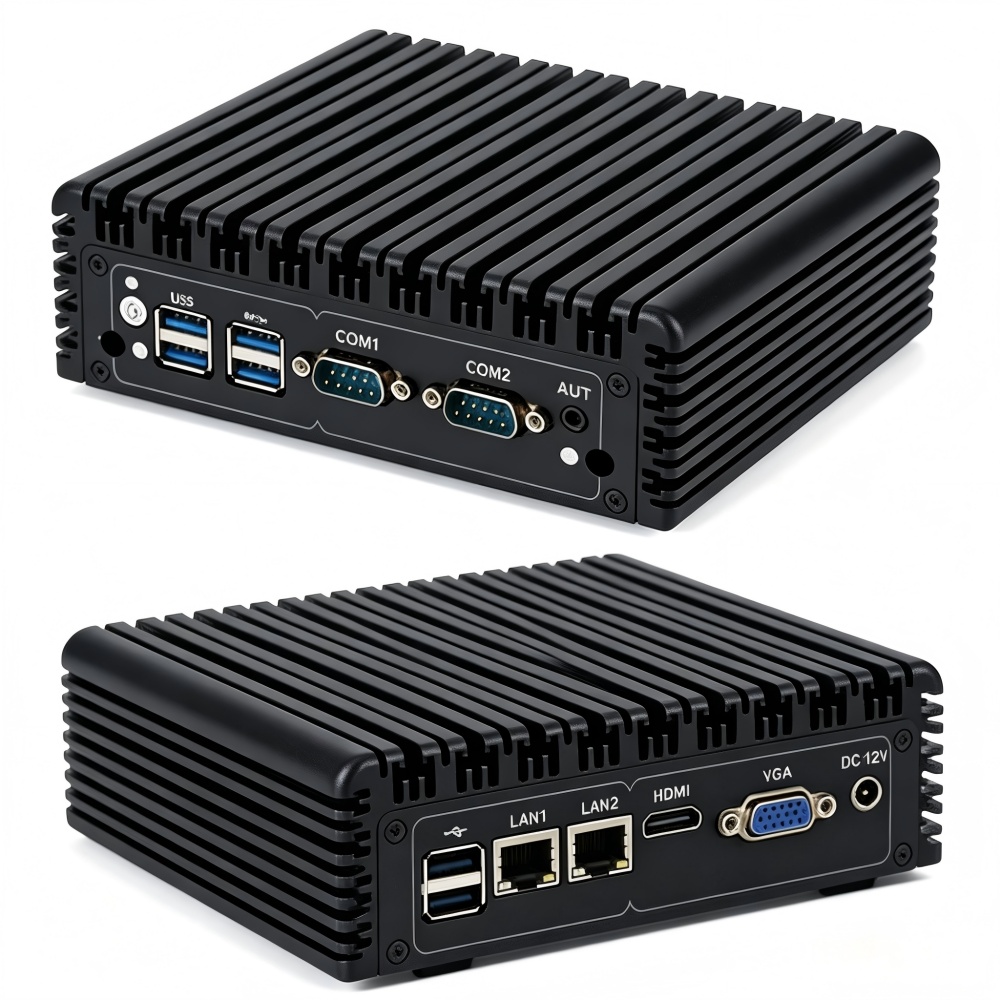
Equipped with up to 6 or more high-speed Intel i210/i225/i226 Gigabit and 2.5GbE Ethernet controllers, supporting LAN bypass failover, dynamic routing, and wire-speed packet switching.
Merges a ruggedized IP65 front panel touchscreen with x86 multi-core computing power, eliminating the cost and failure points of deploying separate firewall boxes and control monitors.
Conventional commercial routers and firewall hardware suffer catastrophic failure rates when installed outside climate-controlled server rooms. In factory automation cells, outdoor utility installations, and transportation hubs, computational appliances are continually bombarded by extreme thermal cycling (-20°C to +70°C), conductive particulate matter, electromagnetic radiation from high-voltage switchgear, and relentless mechanical vibration.
To serve reliably as an enterprise-grade perimeter defender and routing gateway, an Industrial Panel PC integrates specialized hardware paradigms:
Leveraging Intel Core (11th/12th Gen) and dedicated ARM SoCs supporting Intel AES-NI, Intel QuickAssist Technology (QAT), and ARM TrustZone, the system executes real-time OpenVPN, IPsec, and WireGuard tunneling without choking CPU cores allocated to SCADA processes or touchscreen responsiveness.
Critical routing points incorporate optical or copper Ethernet LAN bypass mechanisms. In the event of catastrophic software lockup or electrical power disruption, internal relays automatically bridge critical network ports, preserving physical link continuity and avoiding blackouts in downstream automated assembly sequences.
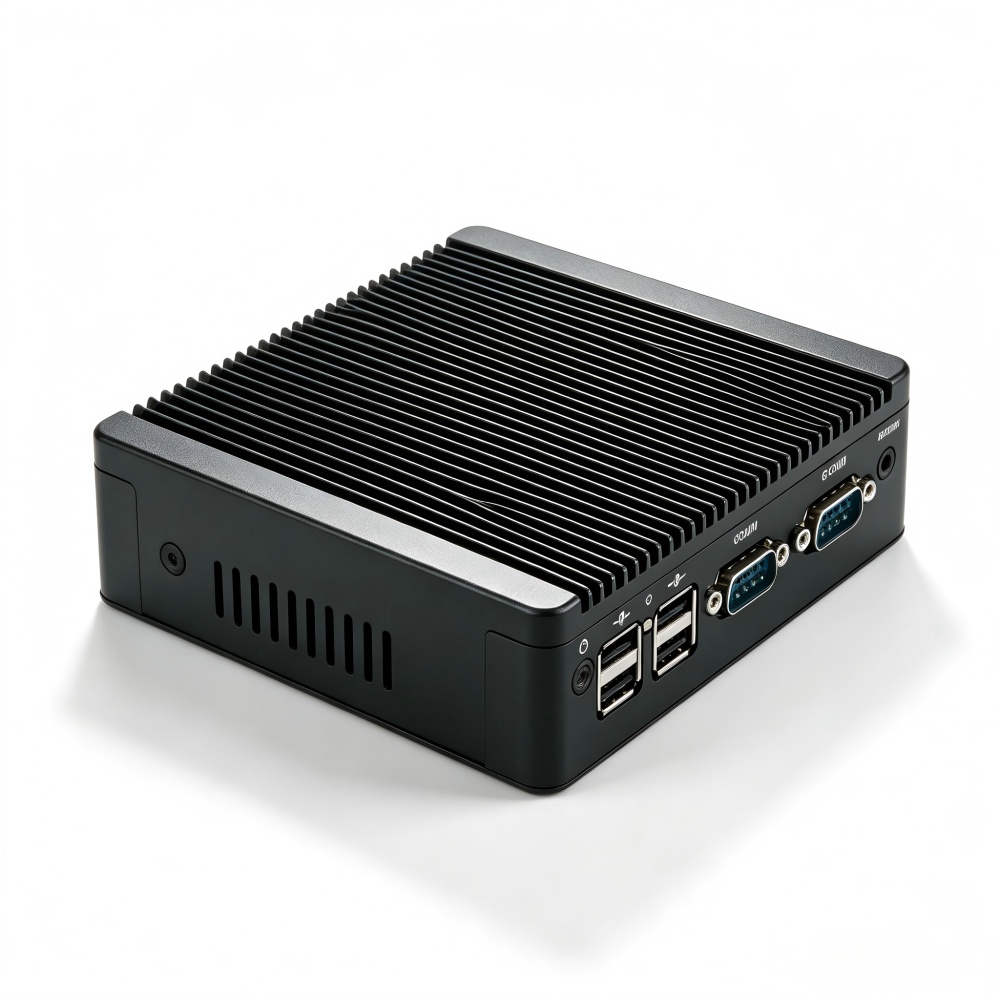
Beyond multiple independent RJ45 and SFP optical ports, these machines support galvanic isolation on RS-232/422/485 COM ports, CAN bus channels, and optoisolated GPIOs, preventing catastrophic ground loops from damaging the CPU during electrical spikes in motor drives or relay switching.
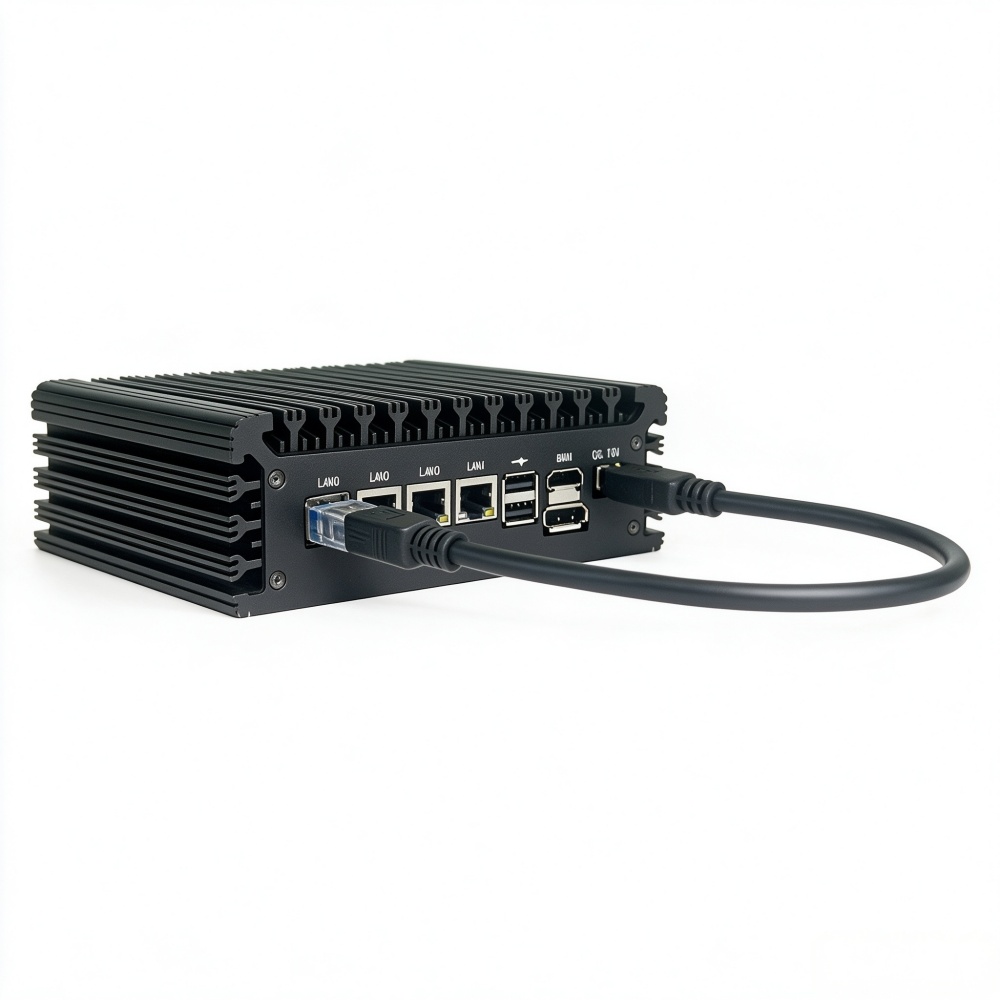
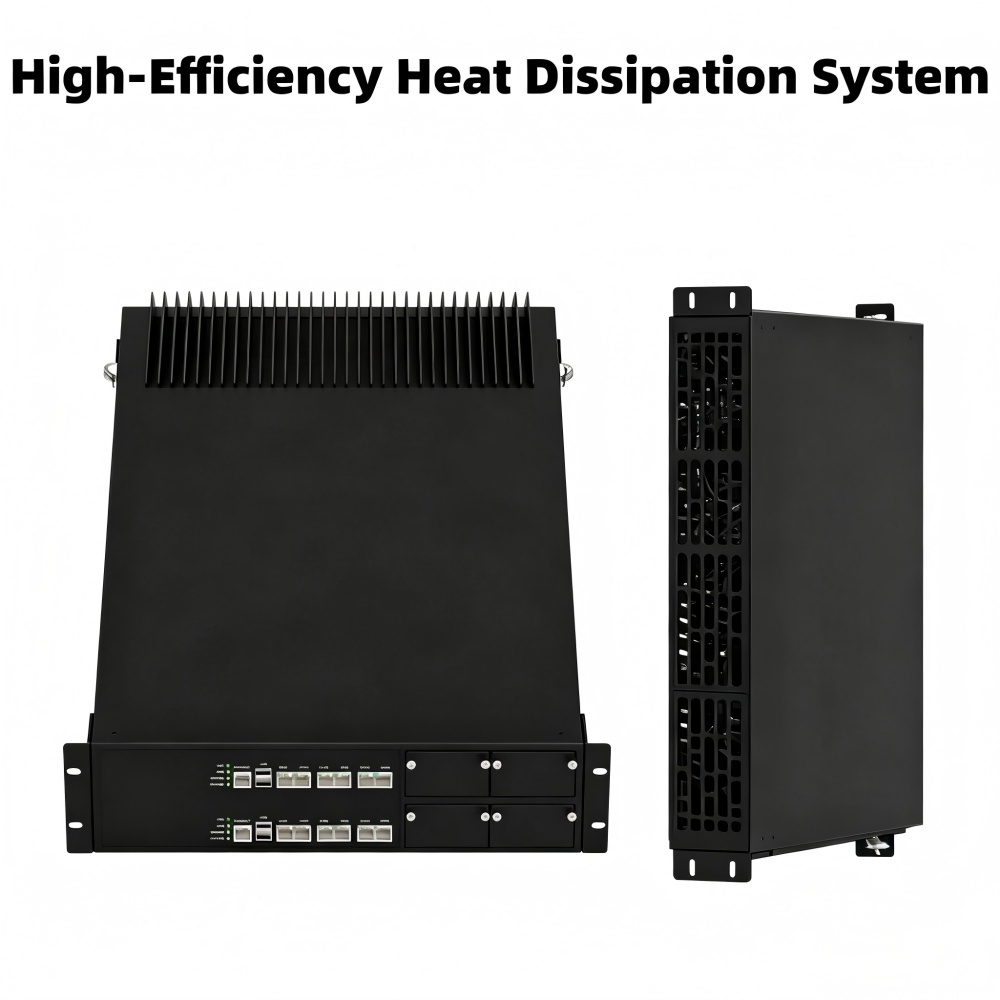
Eliminating cooling fans removes the single most frequent mechanical point of hardware failure. Custom extruded aluminum finned chassis act as direct heatsinks, dispersing thermal energy generated by multi-core x86 processors under 100% throughput loads without drawing airborne oil mists or dust inside the enclosure.
The front panel resists high-pressure water jets, caustic chemical wipe-downs, and industrial solvents. Optically bonded capacitive or 5-wire resistive touch panels eliminate internal condensation, allowing operators wearing industrial safety gloves to interact flawlessly in high-humidity or sub-zero facilities.
Integrated wide-input DC power boards (9V to 36V DC) withstand massive voltage surges, reverse polarity connections, and transient drops during heavy motor start-ups, ensuring network routing uninterrupted operation without reboots.
Modern electrical power substations deploying IEC 61850 protocol standards require strict segregation between GOOSE (Generic Object Oriented Substation Events), Sampled Measured Values (SMV), and supervisory MMS traffic. An industrial panel PC mounted onto the high-voltage substation switchgear door serves as the station-level routing engine and stateful firewall. It isolates substation local area networks from remote utility operations centers while providing electrical engineers an on-site, touch-enabled visual console to monitor firewall logs, configure secure VPN tunnels, and detect unauthenticated protocol injection in real time.
Automotive assembly plants and semiconductor fabrication facilities establish an Industrial Demilitarized Zone (IDMZ) to buffer ERP/MES networks from lower-tier robotic cells. Industrial panel PCs equipped with dual-SIM 5G/4G LTE failover and six independent Ethernet ports function as the boundary gateway. Running Linux-based firewall distributions (such as pfSense, OPNsense, or proprietary custom Linux OS), the appliance enforces strict protocol whitelisting (Modbus TCP, EtherNet/IP, PROFINET) while allowing production managers to view line-level OEE analytics and network health on the built-in display.
In railway signaling, highway tunnel monitoring, and intelligent toll systems, computational units must withstand continuous vibration, shock, and electromagnetic noise complying with EN 50155 standards. Deploying an embedded fanless industrial computing unit with integrated display allows transport engineers to route onboard CCTV streams, passenger Wi-Fi telemetry, and train control commands across isolated VLANs. Built-in hardware firewalls prevent cross-contamination between infotainment networks and safety-critical brake/signaling systems.
Water treatment facilities encompass widely distributed pumping stations connected over long-distance fiber rings or cellular telemetry. Industrial panel PCs installed on NEMA 4X / IP66 outdoor cabinets execute distributed micro-firewall duties, inspecting all inbound commands against known SCADA vulnerability signatures. Simultaneously, local plant technicians use the touchscreen to calibrate chemical dosing pumps and acknowledge security alarms without introducing external laptops that could carry ransomware into the OT network.
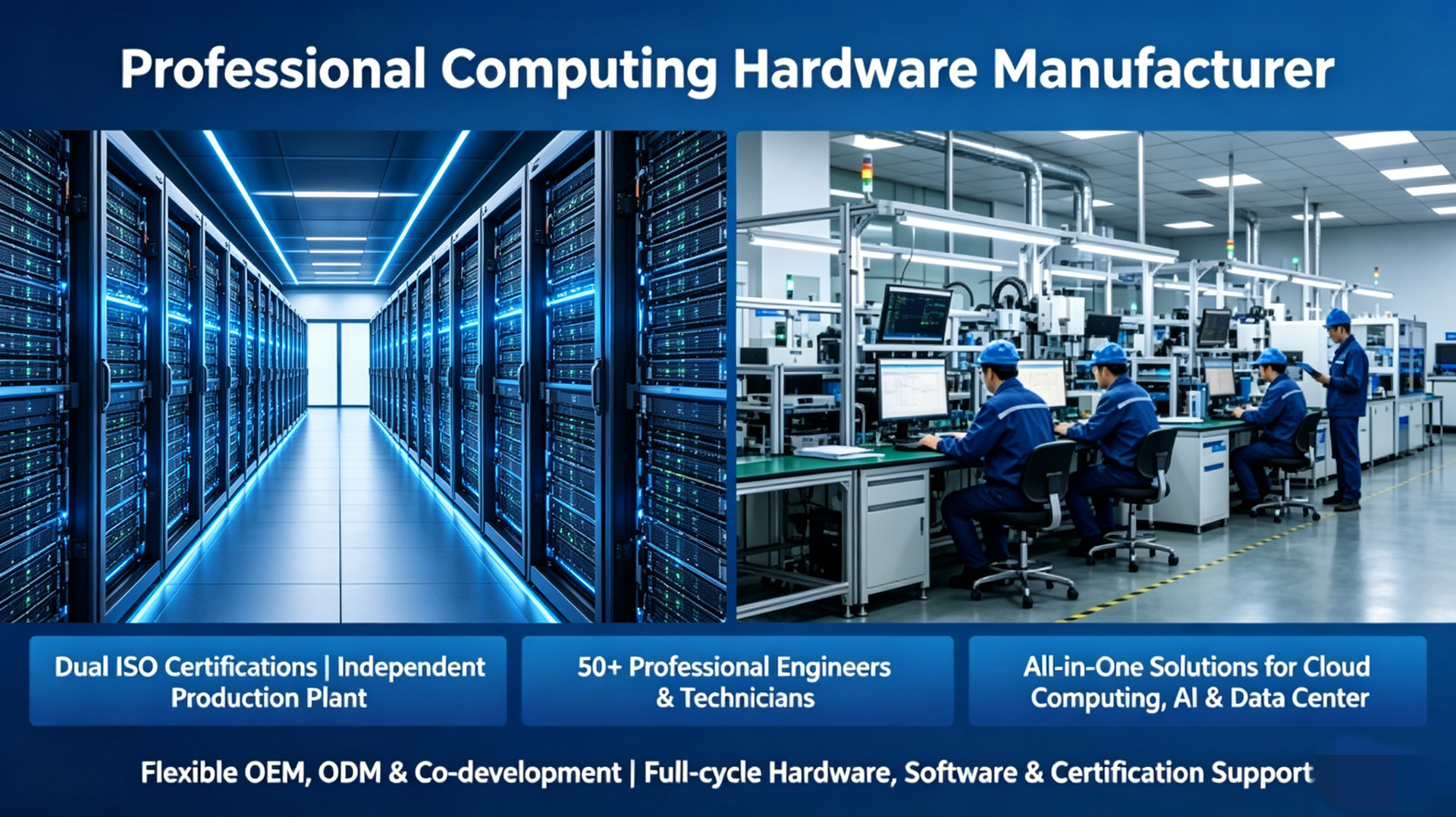
Zhouzhen Intelligent Co., Ltd. is located in Shenzhen, China. We are a professional hardware solution manufacturer integrating independent R&D, production and global sales.
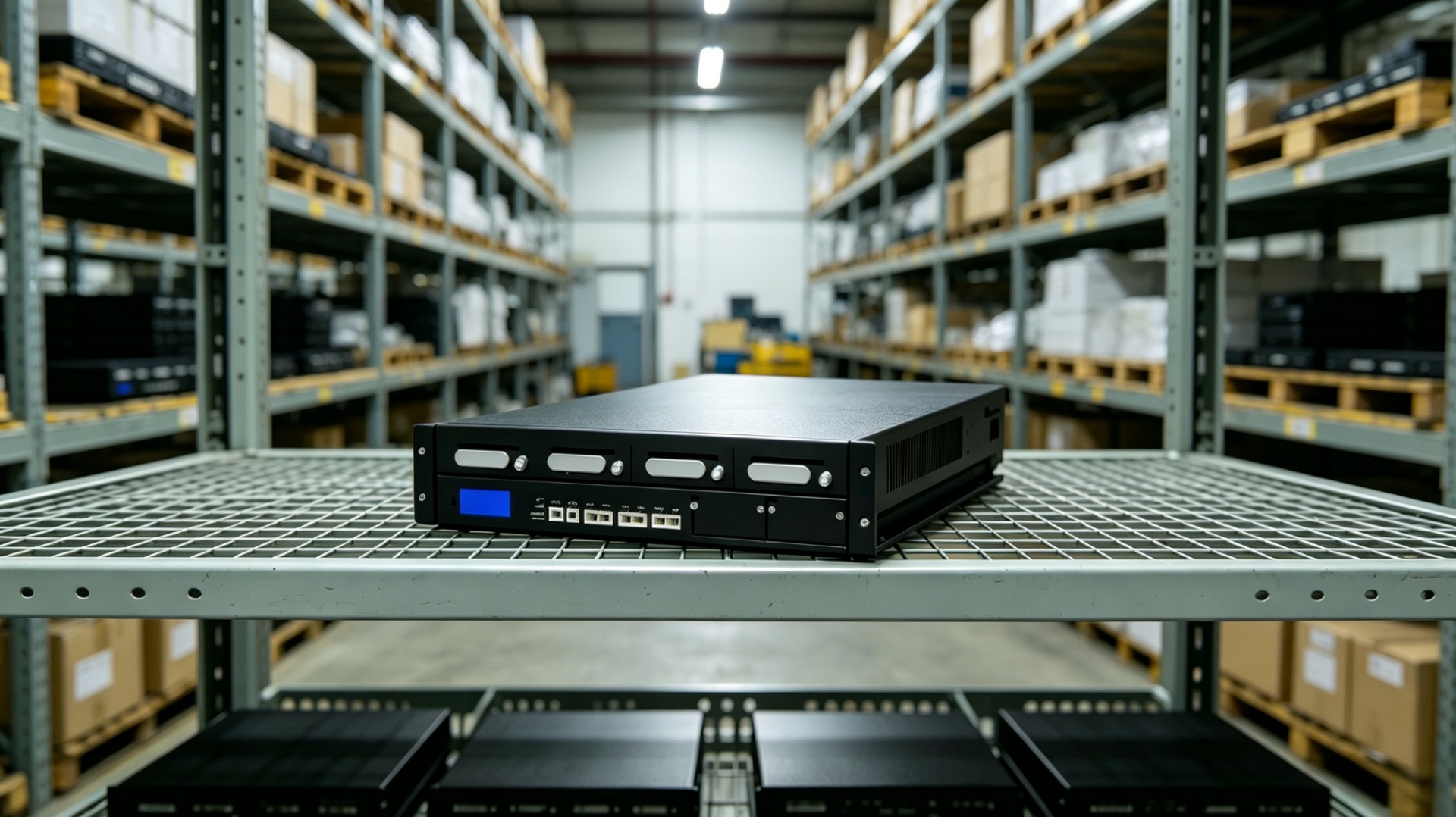
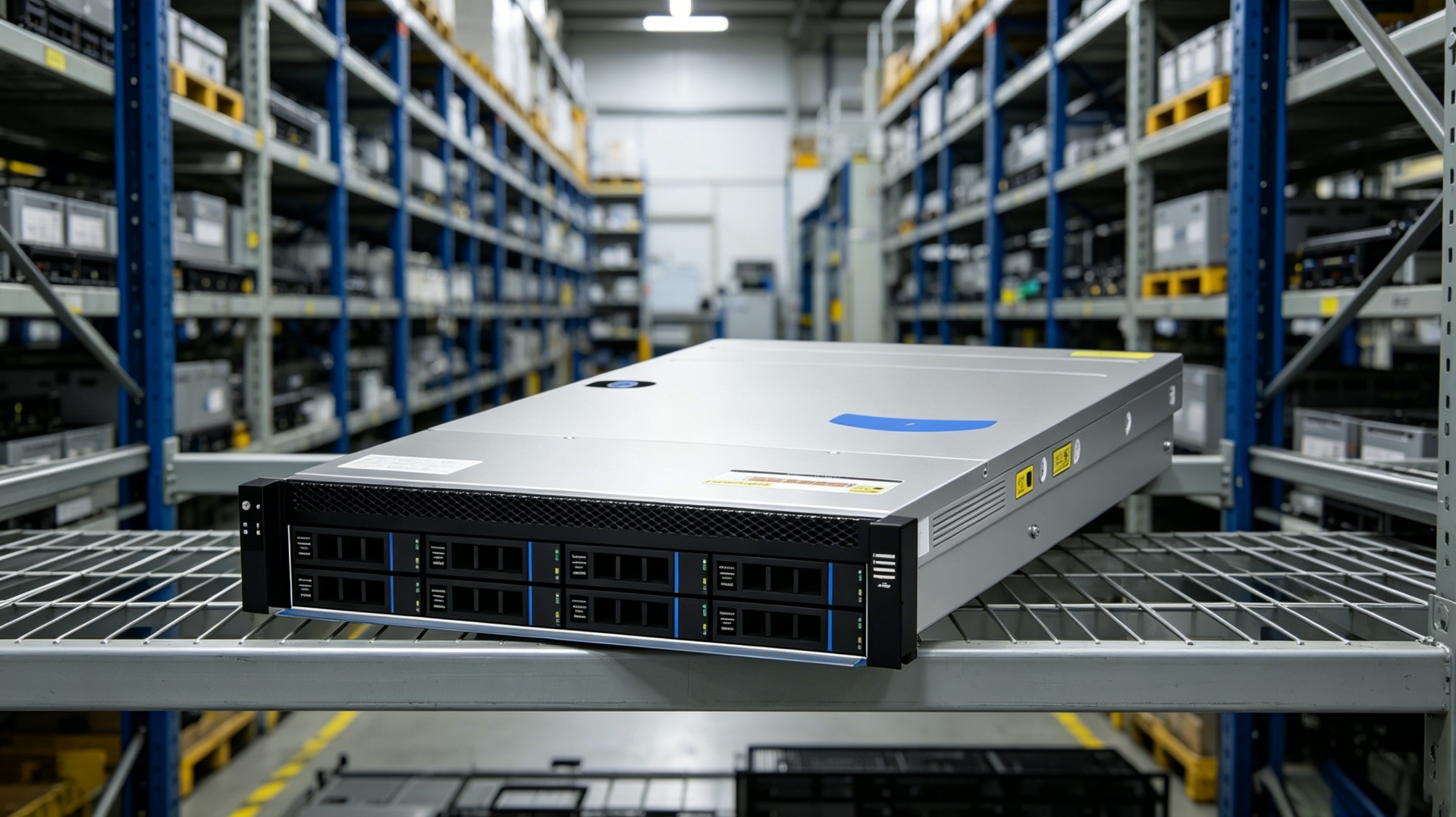
Our main products include rack servers, industrial control computers, mini PCs, network accessories and customized storage hardware. We provide one-stop OEM/ODM customization services covering hardware, software, complete machine testing and product certification.
Our equipment is widely applied in industries such as AI cloud computing, artificial intelligence, data centers, education, radio & television, and AI data inference.
Traditional industrial firewalls rely heavily on static signature databases that struggle against zero-day exploits and polymorphic malware. The future of industrial panel PC firewalls incorporates dedicated Neural Processing Units (NPUs) and edge GPUs (such as integrated Intel Iris Xe or ARM NPU blocks). This computational headroom allows machine learning models to analyze packet timing, payload entropy, and behavioral anomalies directly at line rates, identifying rogue command injections into Modbus or CIP communication flows before physical actuators can be compromised.
The paradigm of perimeter-only defense is being replaced by micro-perimeter Zero Trust frameworks on the factory floor. Every PLC, robotic arm, and sensor must undergo continuous mutual authentication. Future industrial panel computers act as localized Policy Enforcement Points (PEP) within Secure Access Service Edge (SASE) frameworks, verifying digital certificates stored inside onboard TPM 2.0 (Trusted Platform Module) cryptographic chips and managing encrypted ephemeral sessions without backhauling all telemetry to central data centers.
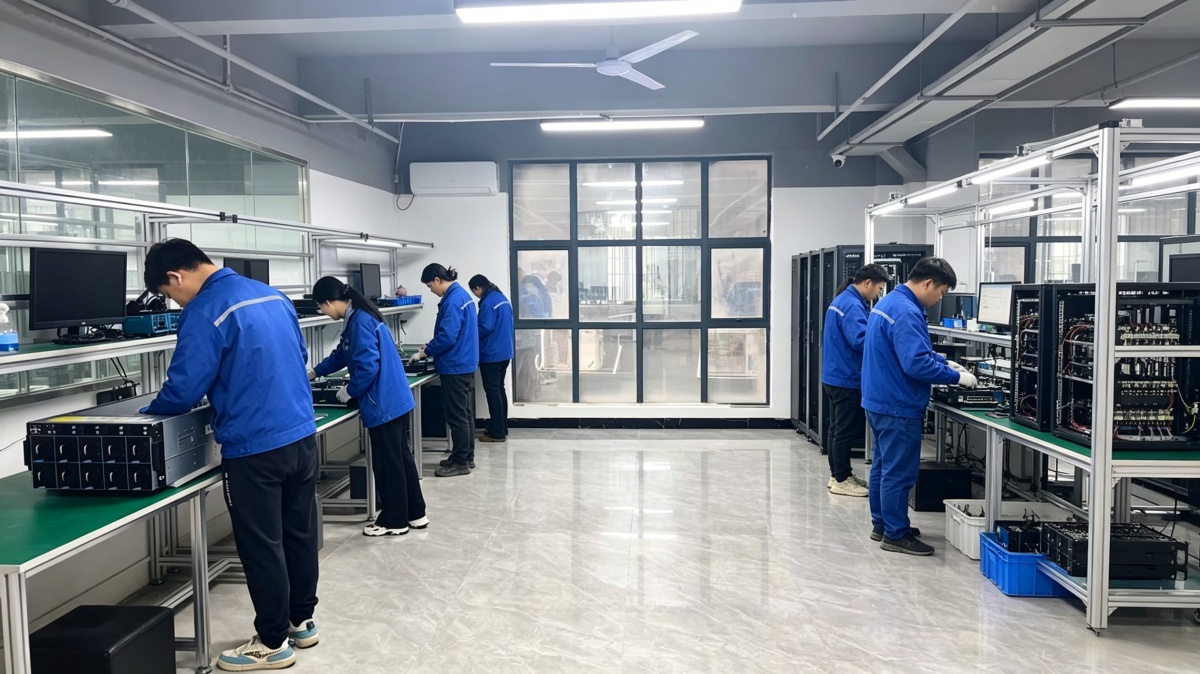
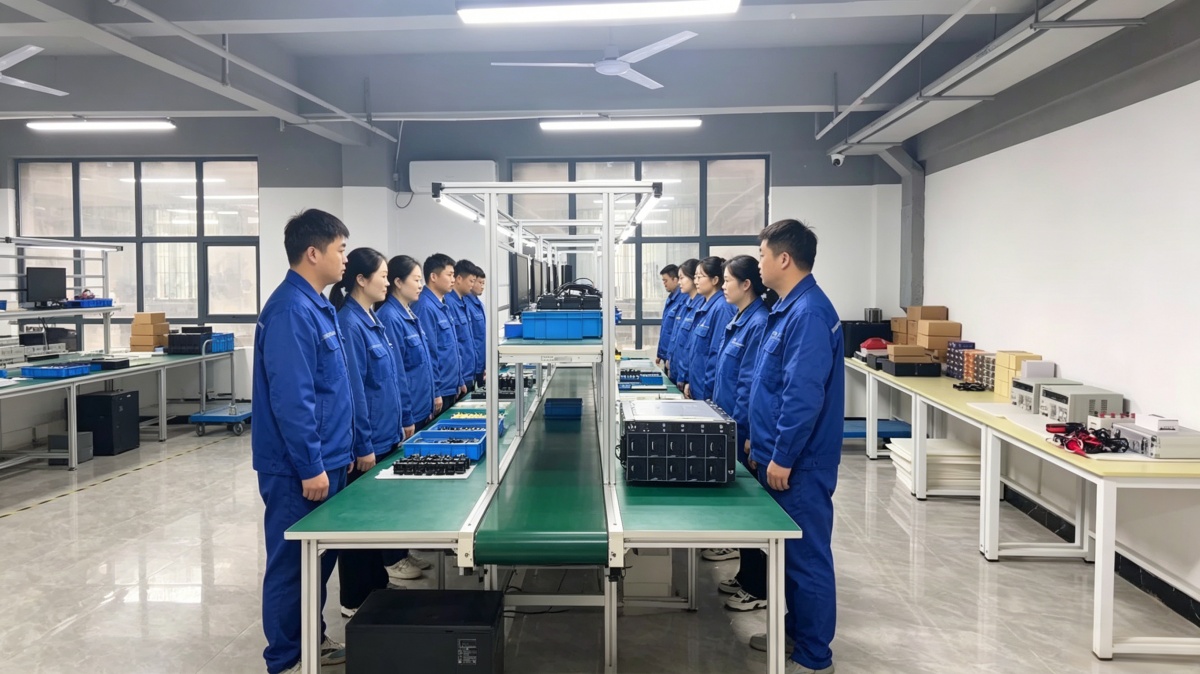
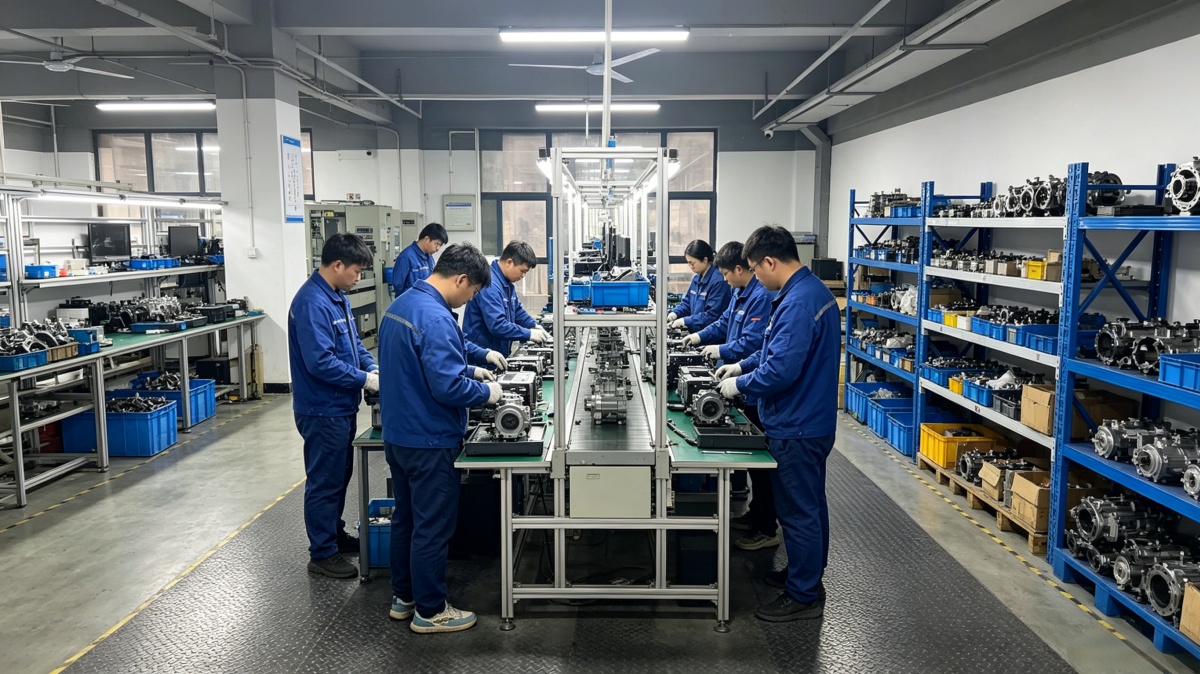
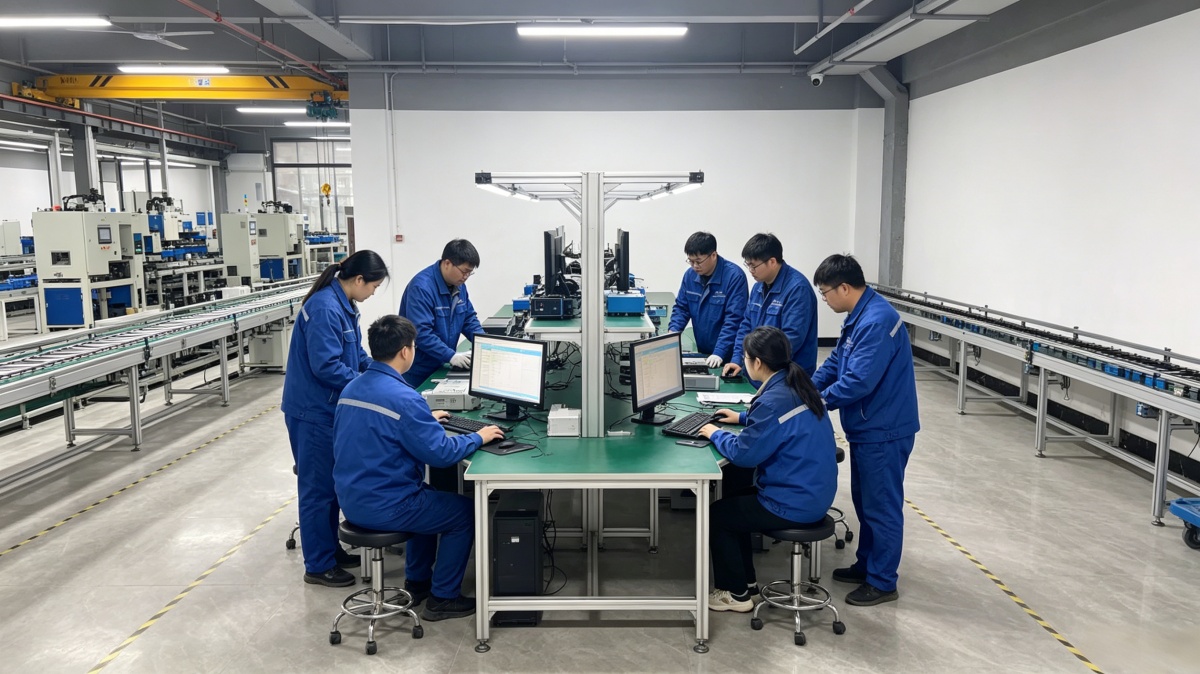
To become the most trustworthy one-stop manufacturer of customized industrial computing hardware for global commercial data scenarios. We will continue to increase investment in R&D and quality control, continuously upgrade our full-process OEM/ODM customization capabilities, and deliver stable and efficient hardware solutions. We aim to help global clients expand their business footprint in the fields of cloud storage, computing power operation, and cybersecurity.