Leave Your Message
Explore turnkey computing nodes, uncompressed multi-channel playout systems, and high-density transcoders designed to handle demanding digital radio, live DVB-T2/ATSC 3.0, and 4K HDR television streaming.
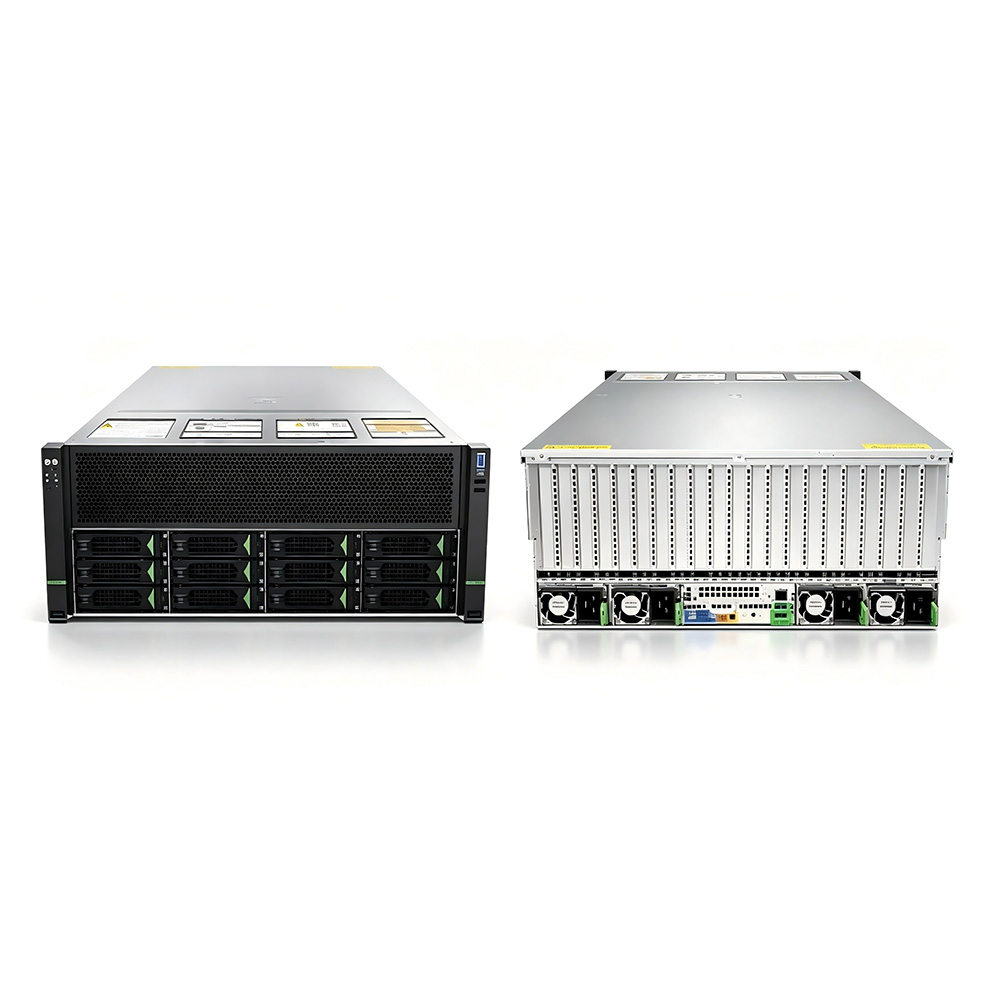
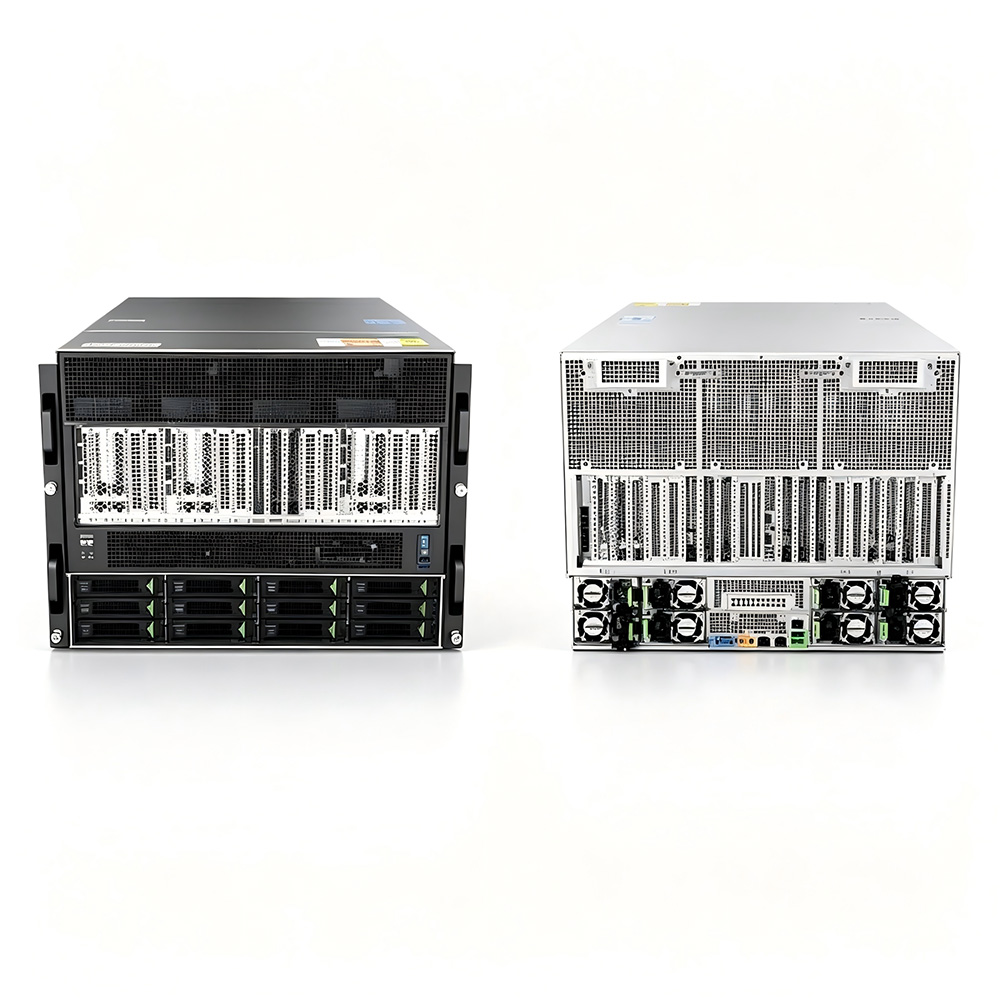
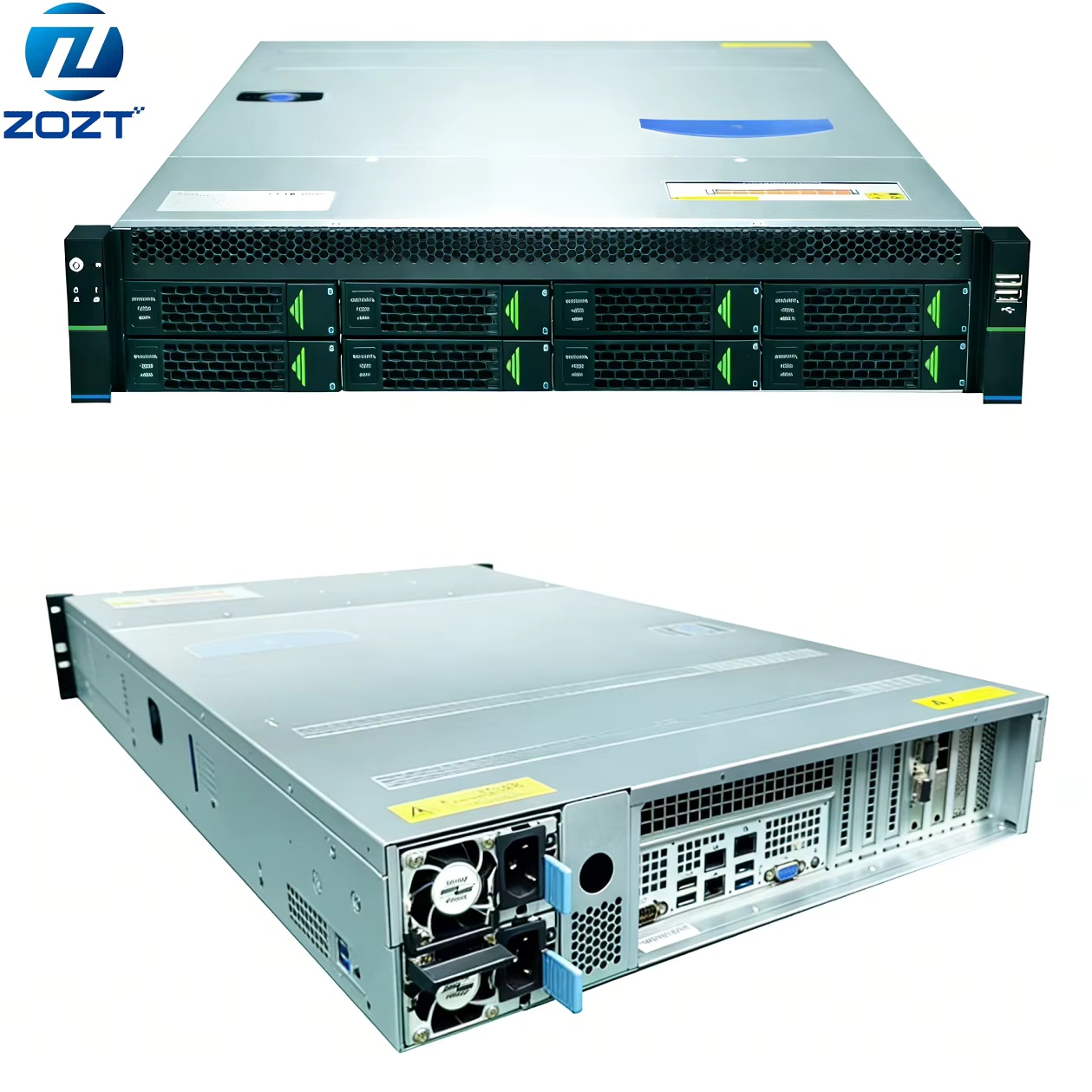
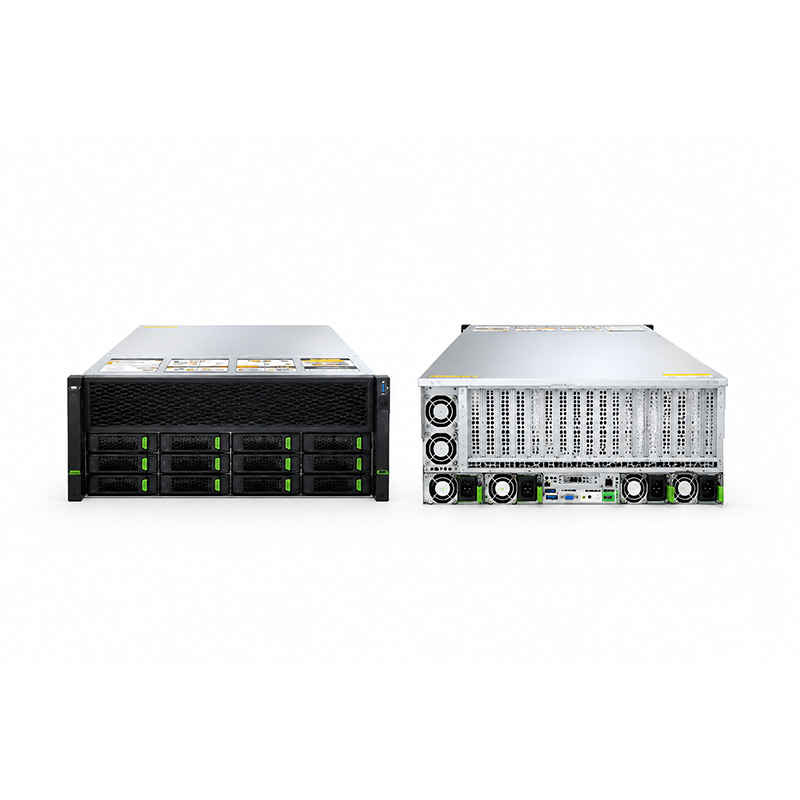
From monolithic baseband SDI master control rooms to decentralized, bare-metal IP clusters running uncompressed SMPTE ST 2110 streams and real-time AI metadata engines.
Shared virtualized instances induce jitter and uncoordinated CPU cycle stealing. Dedicated bare-metal servers eliminate hypervisor virtualization overhead, securing predictable millisecond-accurate frame synchronization essential for DVB, ATSC, and OTT transport stream muxing.
Bare-metal broadcast servers allow direct kernel and bare-metal access to 12G-SDI frame grabbers, Blackmagic DeckLink cards, FPGA ingest accelerators, and NVIDIA BlueField DPUs running hardware-timestamped PTP (Precision Time Protocol IEEE 1588).
Live UHD 4K/8K AVC/HEVC/AV1 encoding demands continuous GPU rasterization without thermal or bus throttling. Dedicated multi-GPU nodes facilitate massive concurrent OTT profile generation (1080p, 720p, 480p) across HLS, DASH, and WebRTC ladders.
The global broadcasting industry—spanning linear television networks, national public radio transmitters, digital DAB+ arrays, satellite uplinks, and hyper-scale OTT live streaming services—is undergoing an epochal architectural paradigm shift. Historically, television production and master control rooms (MCR) relied on vendor-locked, proprietary hardware appliances linked through dense matrices of coaxial BNC cabling transmitting serial digital interfaces (SDI). Today, media enterprises are migrating towards Commercial-Off-The-Shelf (COTS) high-performance dedicated servers engineered with high-throughput PCIe buses, carrier-grade network interface cards (NICs), and GPU compute acceleration.
Hosting a dedicated server for broadcast environments is fundamentally distinct from hosting standard web applications or transactional databases. Media delivery pipelines operate on relentless real-time constraints: an audio buffer underrun of merely 15 milliseconds triggers audible silence or acoustic pops over radio transmitters, while dropped video frames cause immediate visual tearing, macroblocking, and severe regulatory broadcast non-compliance. In this high-stakes ecosystem, public multi-tenant cloud virtual machines often present unpredictable latency spikes caused by CPU oversubscription, noisy neighbors, and volatile networking routes. Bare-metal dedicated server hosting restores absolute hardware control, sustained thermal stability, and clock-level determinism directly to broadcast engineers.
For analog FM, HD Radio, and DAB+ systems, dedicated servers host centralized audio automation suites (e.g., Dalet, RCS Zetta, WideOrbit). Integrated low-latency ASIO soundcard drivers and AoIP protocols like Dante, AES67, and Livewire run continuously on real-time Linux or Windows Server kernels, managing audio playout, dynamic RDS/RBDS metadata, voice tracking, and automated regional advertising insertion without software dropouts.
For multi-camera live television and remote sports production (REMI), dedicated computing platforms ingest uncompressed high-bitrate feeds over SMPTE ST 2110-20 (Video), ST 2110-30 (PCM Audio), and ST 2110-40 (Ancillary Data). With dual 100GbE QSFP28 interfaces, our servers process uncompressed 4K 60fps raster data directly into GPU framebuffers using GPUDirect Storage and NVIDIA Rivermax technology.
To understand why enterprise media organizations deploy high-density bare-metal servers, one must examine the specific computing topologies required across modern production, playout, and distribution chains:
1. Live Cloud Playout and Master Control Automation: Broadcasters are replacing traditional physical transmission equipment with software-defined playout engines running on dedicated rackmount servers. These systems combine automated graphics rendering (lower thirds, channel bugs, real-time social media ticker integration), emergency alert system (EAS) routing, secondary audio programming (SAP), and video server storage management. With dual redundant hot-swappable power supplies and SAS-3 hardware RAID configurations, dedicated servers deliver the five-nines (99.999%) uptime required to keep high-value television networks on air without interruption.
2. High-Density Live Transcoding & OTT Edge Encoding: Modern viewers consume broadcast feeds across an array of consumer devices—from 85-inch 8K smart TVs to mobile phones on unstable 4G/5G connections. Dedicated transcode clusters process incoming mezzanine contribution streams (such as uncompressed SDI, SMPTE ST 2022-6, or SRT feeds) and convert them concurrently into adaptive bitrate (ABR) ladders utilizing modern codecs such as HEVC/H.265, VP9, and royalty-free AV1. By offloading video filtering, scaling, deinterlacing, and rate control to dedicated AMD or NVIDIA GPU architectures, media companies drastically lower power consumption per channel while ensuring razor-sharp picture quality.
3. AI-Driven Live Media Processing & Automated Metadata Extraction: The convergence of artificial intelligence with media infrastructure has spawned powerful new server requirements. Modern broadcast pipelines utilize deep learning neural networks directly inside playout servers to execute real-time speech-to-text subtitling, multi-language translation, automatic content recognition (ACR) for copyright enforcement, automated highlight reel clipping for live sports, and computer vision-based content moderation. Dedicated GPU servers, such as the ZSGS-04390 and ZSGS-03702, provide the massive FP16/INT8 tensor throughput required to execute these multi-model inference tasks simultaneously during live broadcasts.
4. Centralized Digital Asset Management (DAM) and Production Archive: Broadcast facilities generate petabytes of uncompressed video during daily studio production. Dedicated storage server chassis equipped with hot-plug SATA/SAS drive bays, 10GbE/40GbE network switches, and high-speed PCIe NVMe cache pools serve as the central backbone for media asset management (MAM) software. They allow dozens of non-linear video editing (NLE) workstations to scrub, edit, and render ProRes 422 HQ, Avid DNxHR, or uncompressed RAW footage directly over the local network without bottlenecking the central SAN/NAS infrastructure.
Zhouzhen Intelligent Co., Ltd. is located in Shenzhen, China. We are a professional hardware solution manufacturer integrating independent R&D, production and global sales.
Our main products include rack servers, industrial control computers, mini PCs, network accessories and customized storage hardware. We provide one-stop OEM/ODM customization services covering hardware, software, complete machine testing and product certification.
Our equipment is widely applied in industries such as AI cloud computing, artificial intelligence, data centers, education, radio & television, and AI data inference.
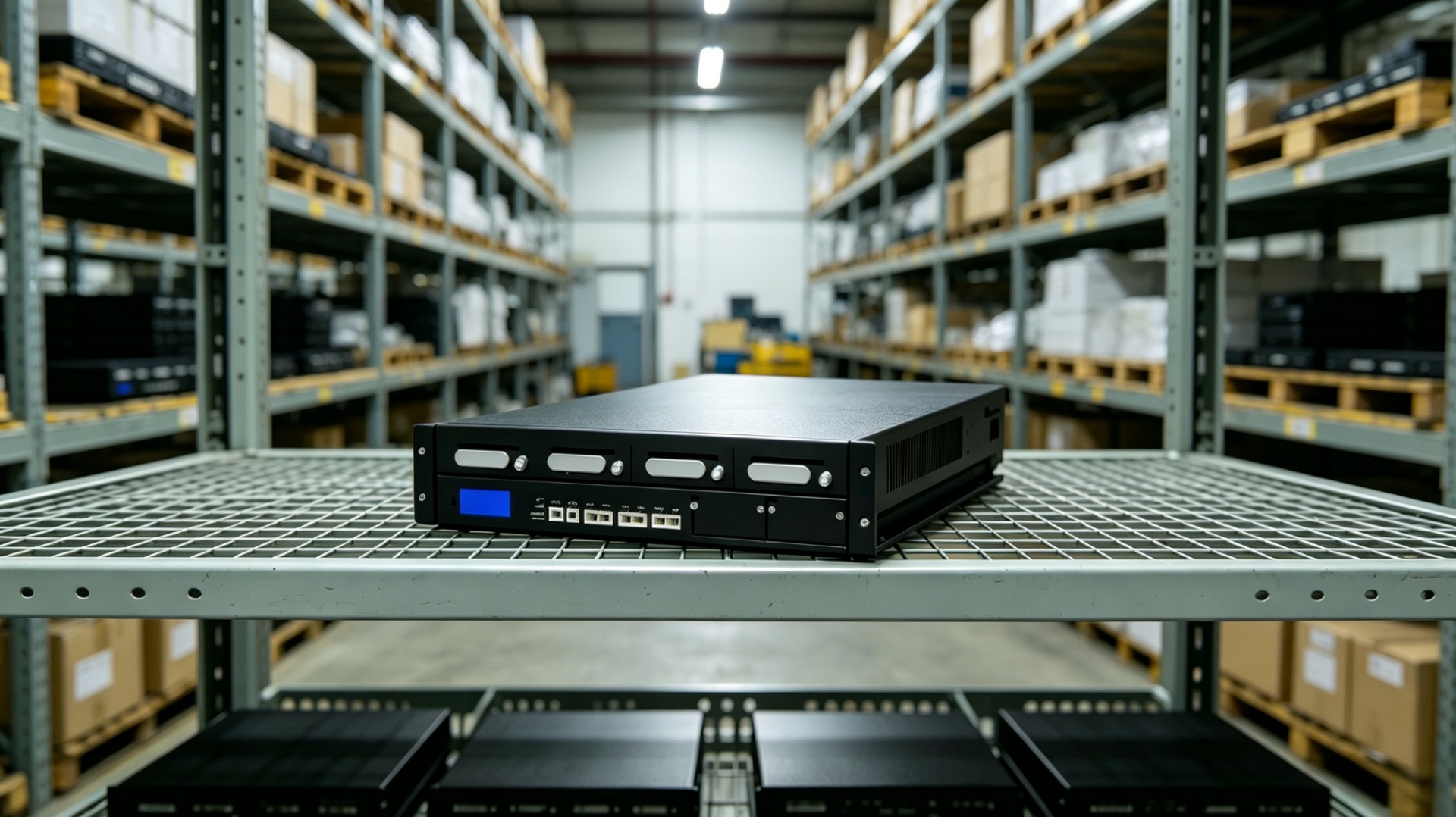
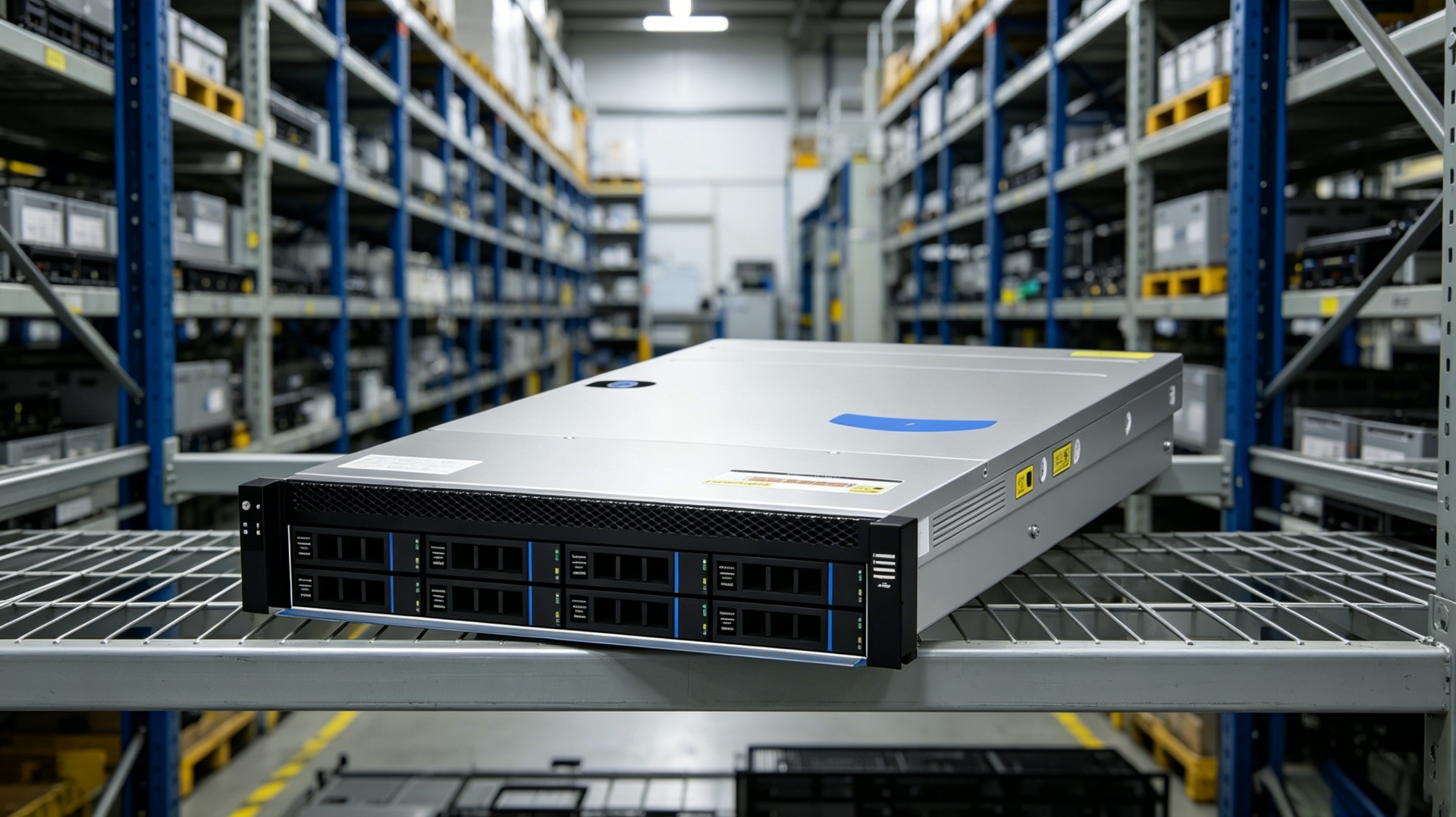
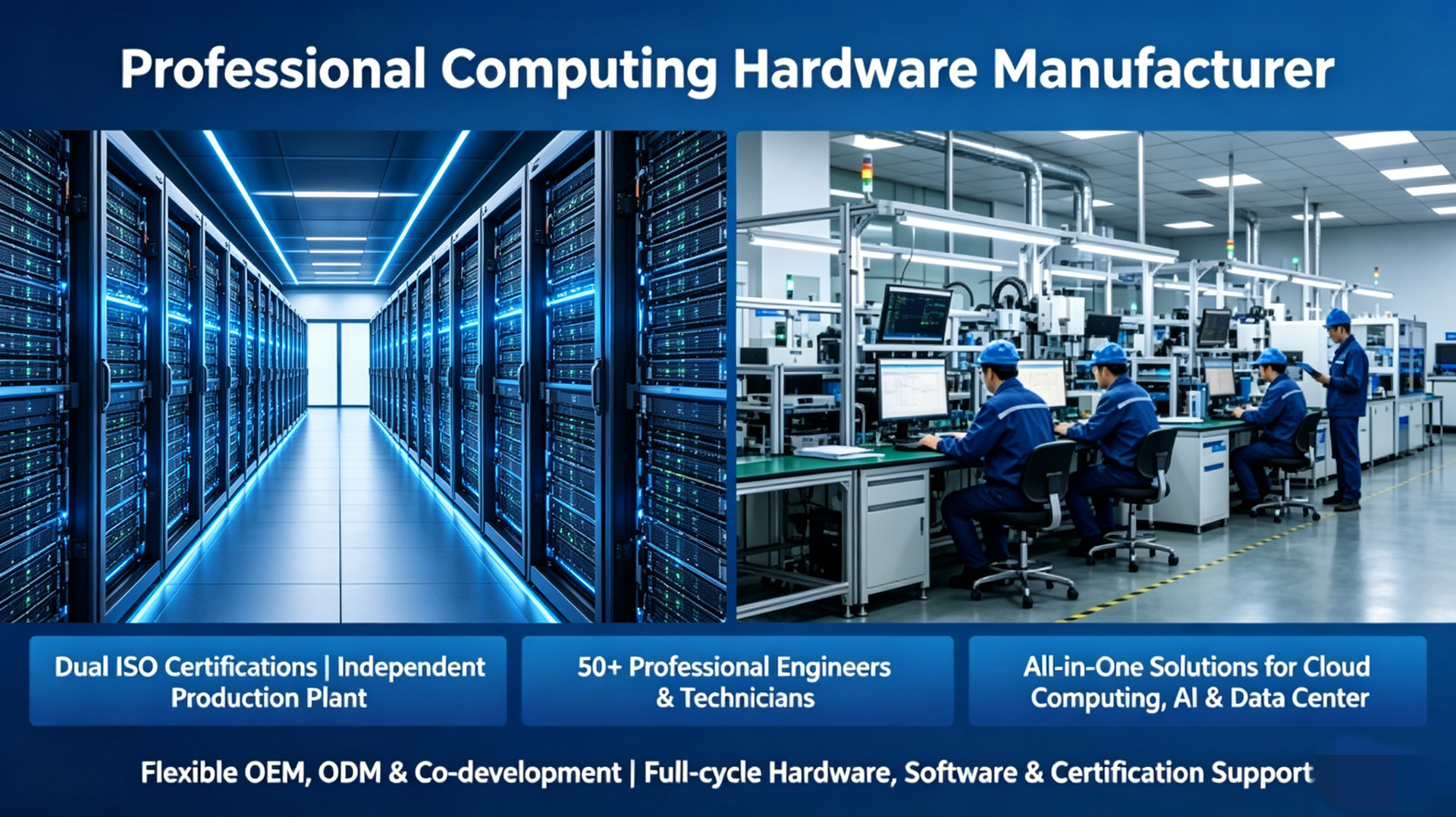
By maintaining end-to-end control across our manufacturing infrastructure, Zhouzhen Intelligent ensures every broadcast server meets the rigorous quality benchmarks demanded by international radio and television networks.
Deep-rooted hardware engineering expertise dedicated to accelerating global computing, edge broadcast distribution, and enterprise digital media transmission.
ZOZT (Zhouzhen Intelligent) is rooted in Shenzhen, the core city of China’s electronic industry, founded by a team of senior hardware engineers with a shared industry vision.
Driven by the continuously growing global demand for customized servers and industrial computer hardware, our team has built our own production factory, independent R&D laboratories and professional testing workshops.
Starting as a small professional R&D team focusing on data computing and storage hardware, we have gradually established a complete industrial chain covering sheet metal processing, finished product assembly and full-process quality inspection.
Our core mission is to provide global partners with durable, cost-effective customized hardware, together with comprehensive and transparent technical support services.
Our business has grown from small-batch customized sampling to long-term bulk cooperation with global system integrators. We keep optimizing our production procedures and personalized customization services year by year.
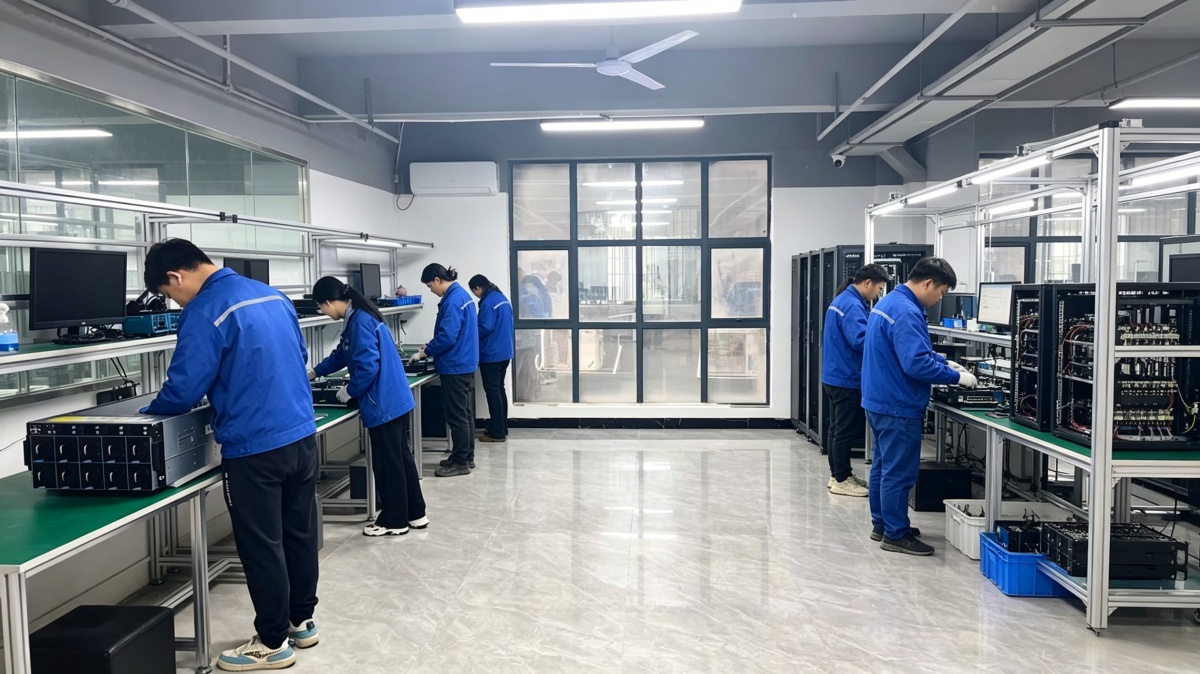
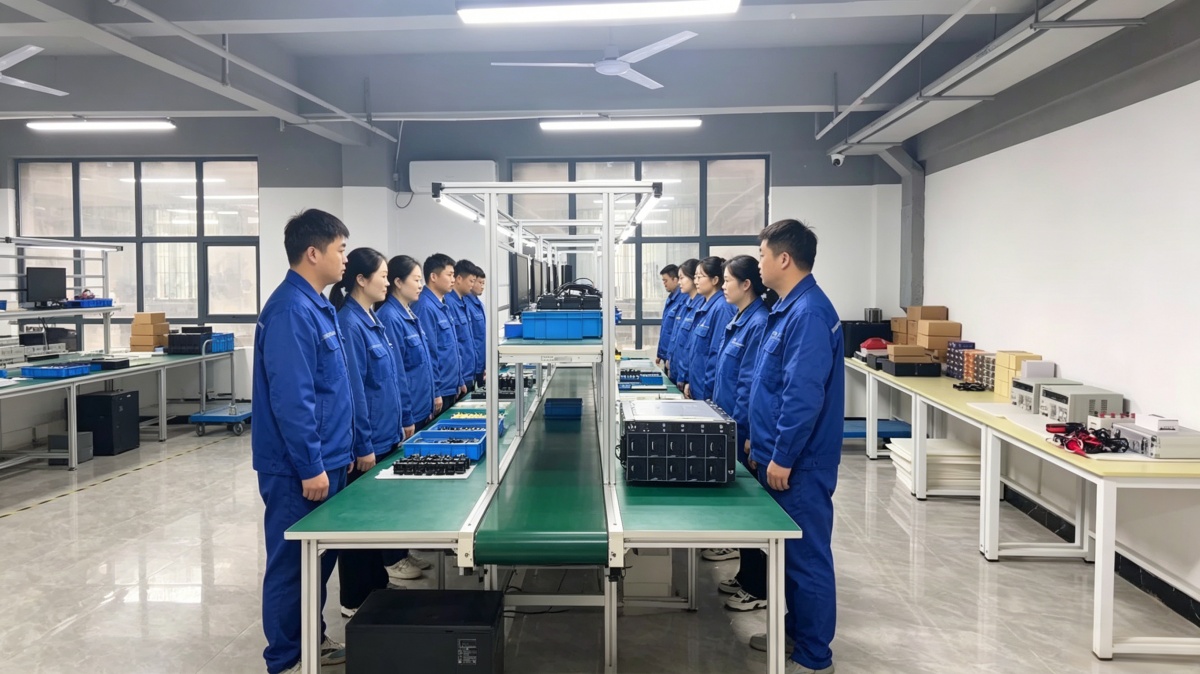
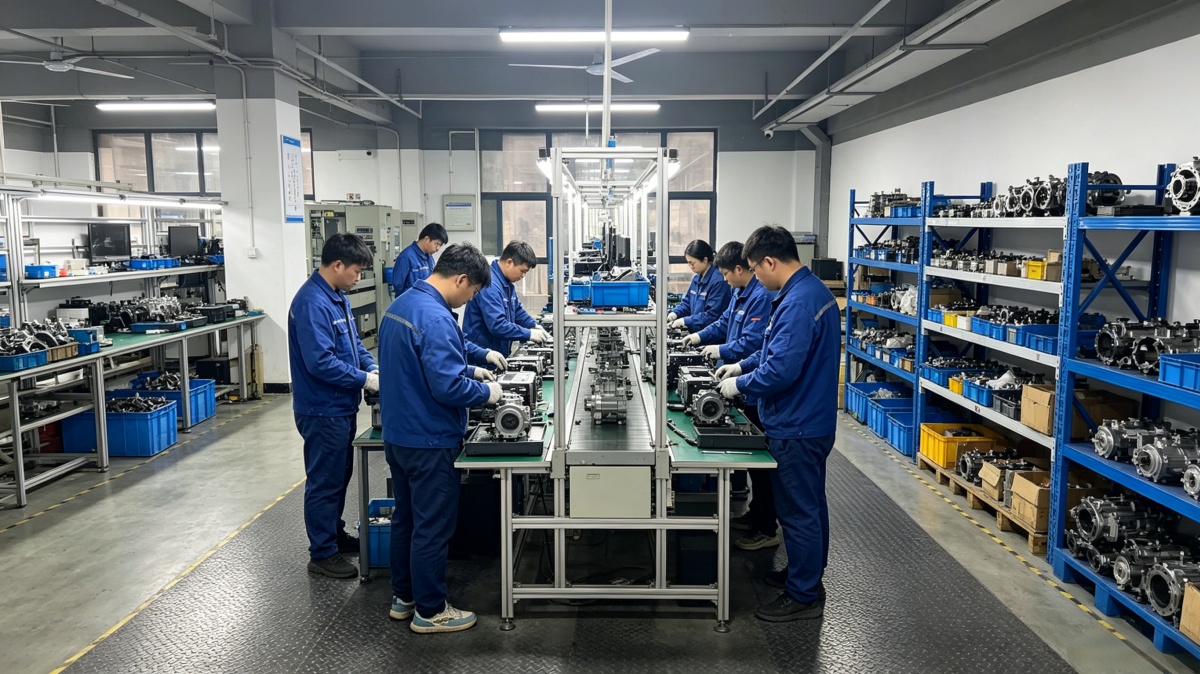
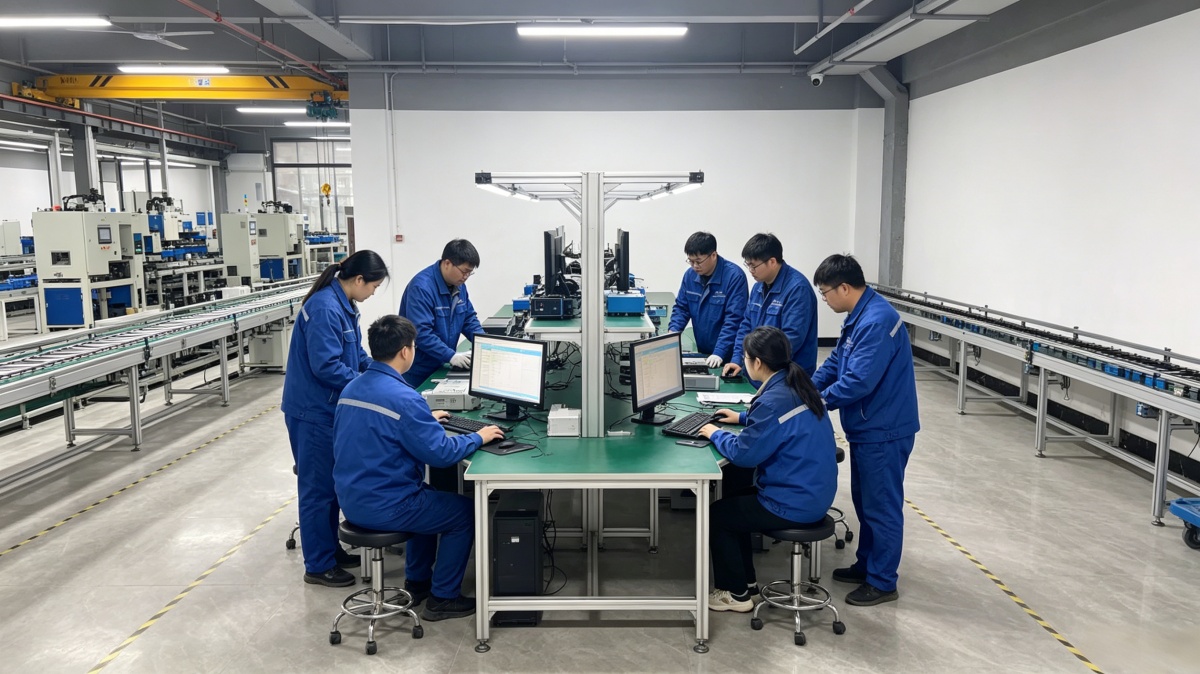
To become the most trustworthy one-stop manufacturer of customized industrial computing hardware for global commercial data scenarios. We will continue to increase investment in R&D and quality control, continuously upgrade our full-process OEM/ODM customization capabilities, and deliver stable and efficient hardware solutions. We aim to help global clients expand their business footprint in the fields of cloud storage, computing power operation, and cybersecurity.
From custom chassis backplanes supporting SDI/NDI cards to optimized fan curves engineered for studio silence, our OEM/ODM teams customize server topology to your exact broadcast telemetry requirements.

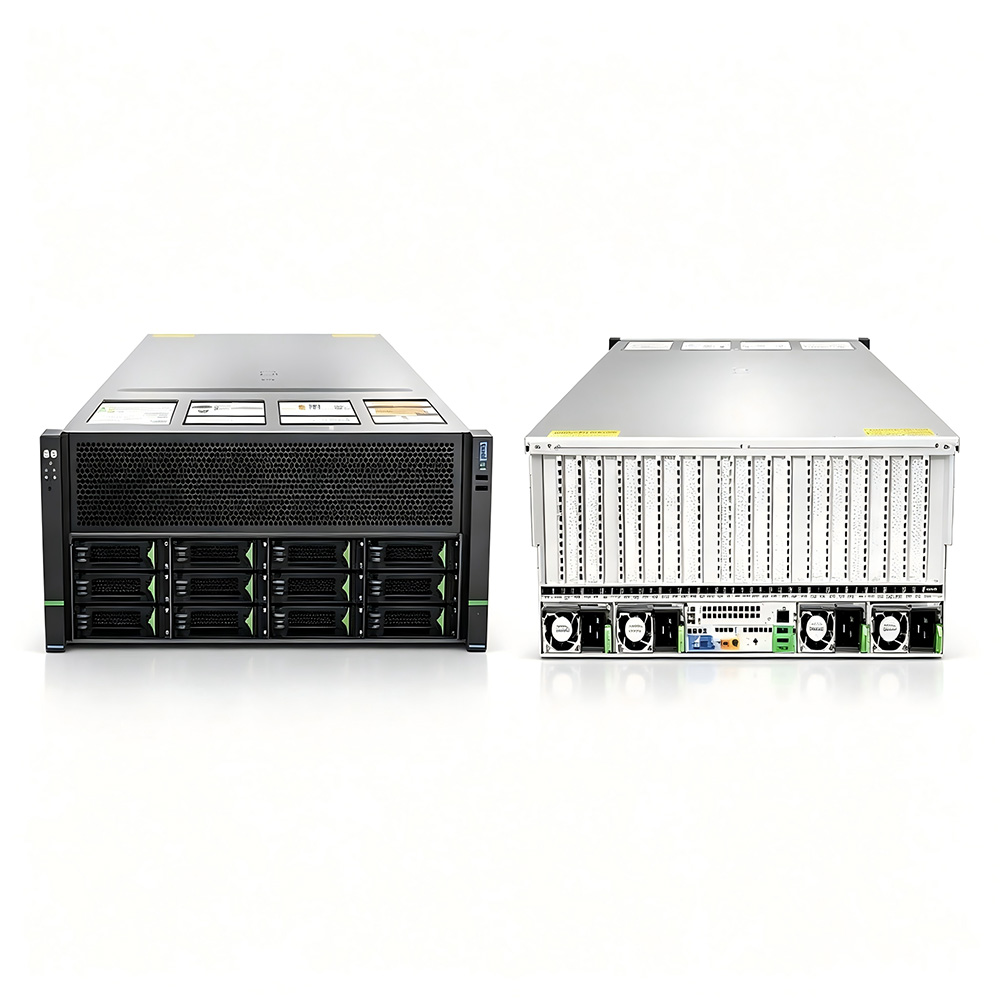
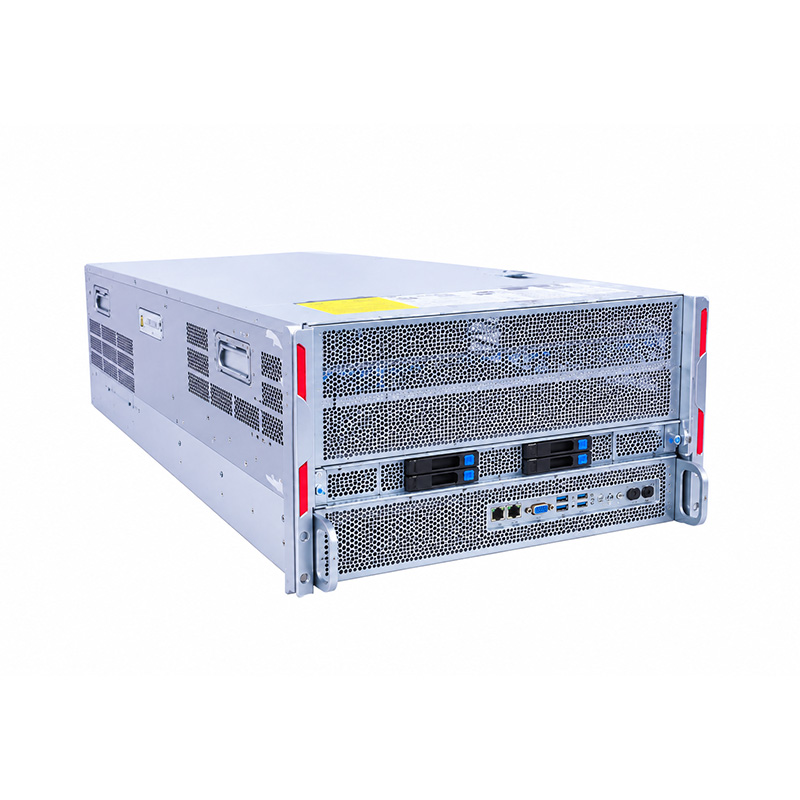
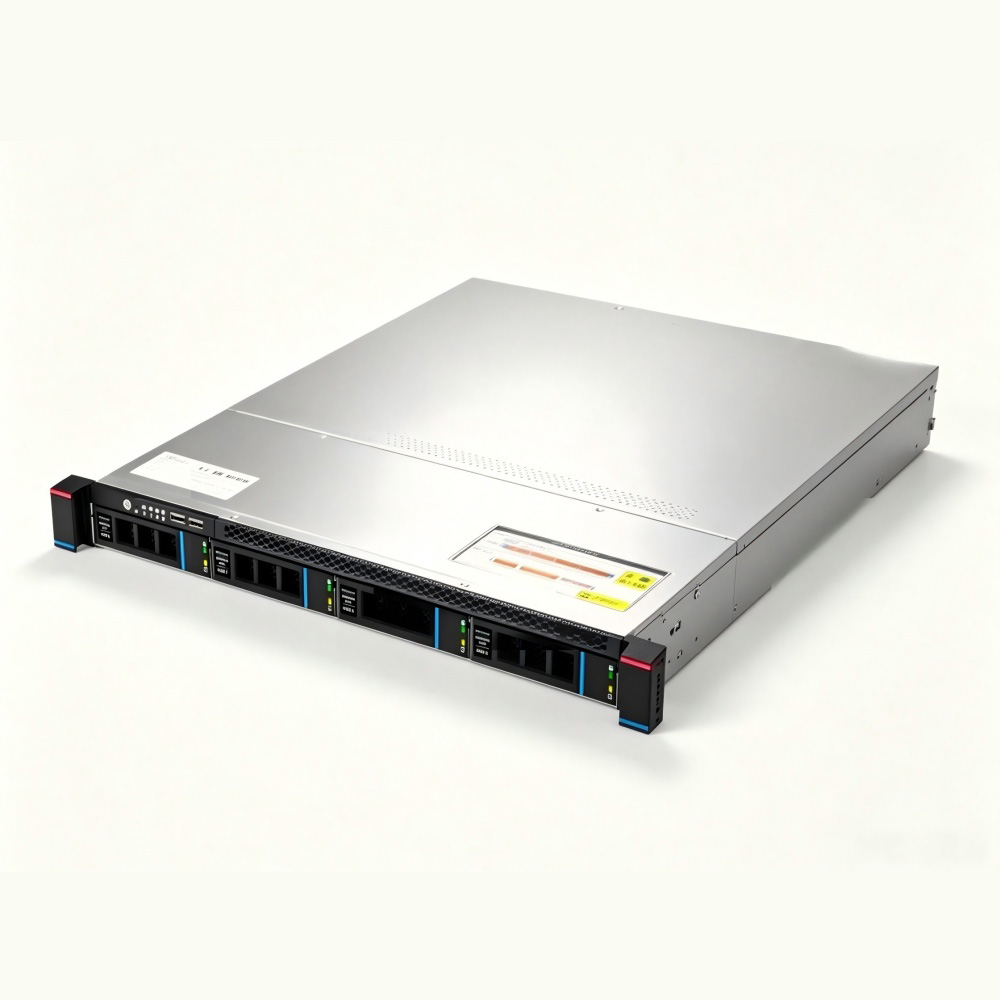
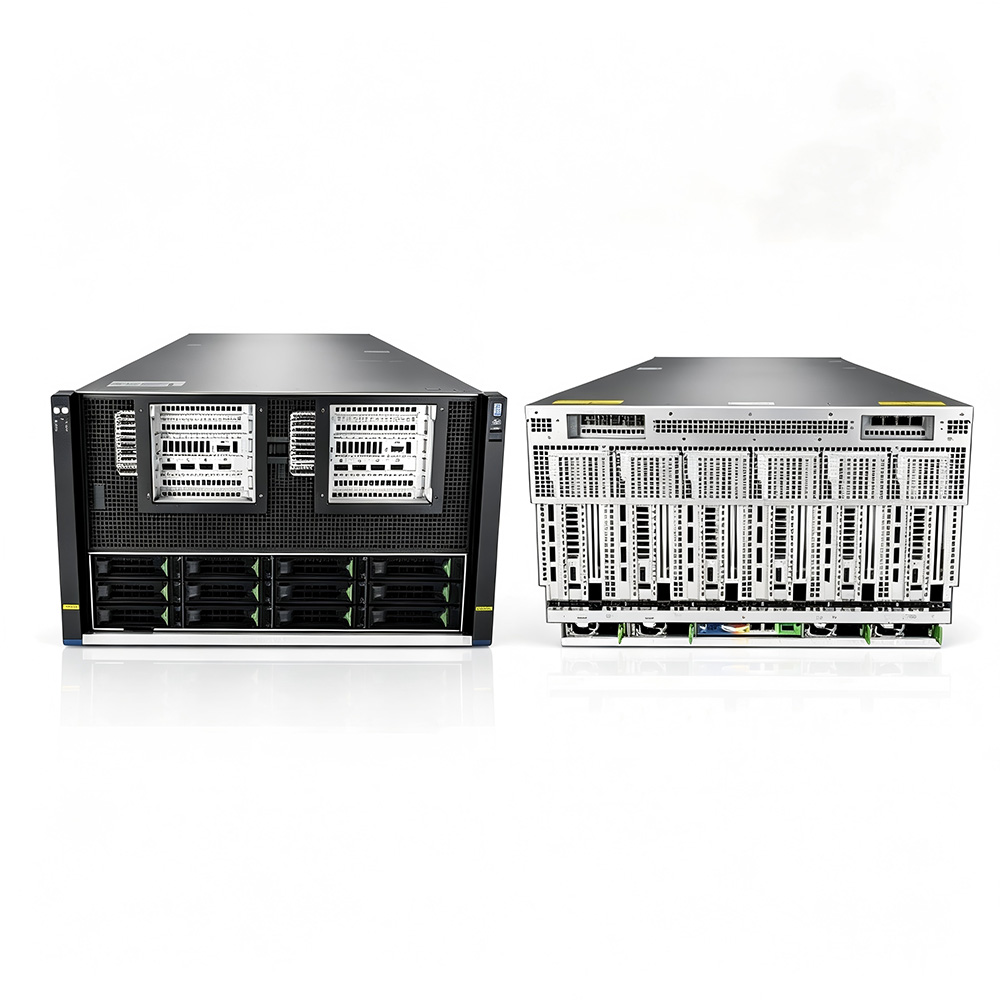
Comprehensive portfolio of rackmount compute nodes, GPU powerhouses, and high-density storage chassis engineered for 24/7 radio automation, DVB transmission, and live cloud playout.