Leave Your Message
The global telecommunications and media broadcasting arena is undergoing its most profound structural metamorphosis since the historic migration from analogue frequencies to digital transmission. Today, traditional monolithic hardware suites—characterized by dedicated baseband SDI routers, immovable satellite uplinks, and power-hungry terrestrial distribution stacks—are actively yielding to agile, software-defined IP architectures. Within this modern dynamic, the concept of a free cloud server for radio, television, and media broadcasting systems has evolved from an entry-level development novelty into an influential catalyst for architectural modernization, rapid prototyping, and hybrid deployment planning across major networks and independent content syndicators alike.
Broadcasting organizations are no longer solely bounded by capital expenditure (CapEx) investments in high-cost regional server rooms. Instead, software-defined media workflows leverage free cloud compute tiers offered by global hyper-scalers (including AWS Free Tier, Google Cloud Platform Free Tier, Oracle Cloud Infrastructure Always Free, and Microsoft Azure for Startups) alongside specialized open-source media compute frameworks. Broadcasters capitalize on these zero-marginal-cost virtual machines to establish staging environments, audio-over-IP (AoIP) experimental conduits, automated podcast syndication daemons, real-time subtitle translation engines, and emergency disaster recovery (DR) micro-playout systems without burning substantial budgetary reserves.
However, running carrier-grade, 24/7 mission-critical operations necessitates a deep engineering comprehension of what free cloud server tiers can reliably deliver—and where their computational, architectural, and input/output (I/O) boundaries lie. A robust television playout requires ultra-low deterministic latency, zero dropped frames, uncompressed SMPTE ST 2110 IP encapsulation, and sustained multi-gigabit throughput. By deploying free cloud servers as nimble orchestrators, auxiliary metadata extractors, and edge signaling controllers linked harmoniously with dedicated bare-metal GPU computing servers on-premise or in private co-locations, broadcast systems engineers achieve unmatched economic agility alongside five-nines (99.999%) operational reliability.
Instantly deploy agile linear TV playout loops, automated OTT feeds, and streaming audio nodes using always-free cloud instances without upfront hardware outlays.
Utilize distributed free-tier cloud points of presence (PoPs) to ingest SRT/RIST contribution streams and minimize cross-continental transmission jitter.
Connect cloud servers to automated speech-to-text, live automated caption generation, and multi-lingual audio dubbing pipelines at zero base operational licensing.
The contemporary broadcast landscape is bisected by two distinct technological imperatives: maximizing agility while strictly controlling content delivery expenditures. The commercial reality of free cloud servers in media infrastructure reveals clear use-case segmentations. Free-tier cloud instances are remarkably efficient for handling control-plane operations, such as scheduling playlists, maintaining database catalogs, executing electronic program guides (EPG), running lightweight signaling servers for WebRTC audio feedback, and serving micro-APIs. Because these operations consume modest bandwidth and predictable CPU cycles, engineering departments can permanently offload these tasks to cost-free cloud topologies.
Conversely, raw multi-camera live video processing, ultra-high-definition (4K/8K HDR) HEVC/AV1 encoding, and high-bitrate multiplexing quickly overwhelm free cloud bandwidth allocations and burst-limited CPU quotas. Egress bandwidth penalties from public cloud providers can become prohibitive once streaming audiences reach thousands of concurrent viewers. Hence, the prevailing commercial standard among forward-thinking television networks and radio syndicates is a Hybrid Cloud Architecture. In this model, free cloud servers oversee API integration, content discovery, orchestration, and intermittent transcoding workloads, while robust private GPU compute arrays handle continuous 24/7/365 master control playout and high-density encoding.
To maximize the operational utility of a free cloud server for radio, television, and media broadcasting systems, broadcast network architects must align specific functional tiers with the corresponding system capabilities. Below is an exhaustive breakdown of core deployment scenarios currently operating across modern digital broadcast environments.
Traditional radio stations were historically anchored to physical broadcast consoles and coaxial transmission lines. By utilizing cloud compute instances (such as a 2 vCPU, 4GB RAM instance available within standard developer free programs), radio networks can configure completely autonomous software-defined internet radio stations running Icecast, Shoutcast, or open-source Liquidsoap daemons. Liquidsoap acts as an intelligent media scheduler, pulling scheduled audio assets, station IDs, dynamic programmatic advertisements, and live host feeds into an uninterrupted, synchronized MP3/AAC audio stream.
Because audio bitrates (typically 64 kbps to 320 kbps) are gentle on bandwidth limits, an organization can host primary internet radio channels, continuous thematic sub-channels, and automated podcast RSS generator feeds within free cloud allotments. Coupled with open-source audio processing suites like Stereo Tool or dynamic loudness normalization algorithms complying with ITU-R BS.1770-4 / EBU R128 standards, community radio and public broadcasters maintain broadcast-grade loudness compliance and pristine acoustic dynamics without incurring recurring monthly server hosting invoices.
In modern television engineering, launching a temporary FAST (Free Ad-supported Streaming TV) channel or regional pop-up event channel typically incurred months of engineering procurement. Free cloud computing instances empower station operators to spin up containerized playout microservices utilizing open-source broadcast playout automation engines such as CasparCG, OBS Studio Headless, or FFMPEG-driven RTMP/SRT pipelines. These instances ingest scheduled video blocks from decentralized cloud storage, burn in channel watermarks (DOG - Digital On-screen Graphic), render lower-third dynamic graphics via HTML5 overlays, and pipe the linear stream out to YouTube Live, Twitch, and private content delivery network (CDN) ingests.
Furthermore, television networks utilize free cloud servers as cold-standby disaster recovery systems. In the event that a catastrophic storm, regional power outage, or optical fiber sever knocks out an on-premise Master Control Room (MCR), an automated watchdog script switches primary DNS and streaming ingest endpoints over to the cloud playout server, ensuring uninterrupted broadcast continuity with zero signal interruption.
Live remote broadcasting from news field units and sports events often encounters unreliable public cellular or satellite uplinks. Field crews transmit high-bitrate video feeds via SRT (Secure Reliable Transport) or RIST (Reliable Internet Stream Transport) protocols, which mitigate packet loss and jitter over unpredictable public networks. Free cloud server instances deployed at geographically adjacent cloud data centers serve as ideal edge transit proxies and stream repackagers.
An edge cloud instance running an SRT relay receives the high-bitrate contribution feed from field reporters, performs packet recovery via dynamic ARQ (Automatic Repeat reQuest), and securely fans out the stream simultaneously to the studio production switcher, remote commentary monitors, and internal multi-viewers. By leveraging free cloud locations across different continents, television newsrooms dramatically minimize trans-oceanic latency while insulating their core studio network from direct exposure to the public internet.
Broadcast assets gain exponential value when swiftly repurposed for social video feeds, VOD libraries, and digital archives. When integrated into media production workflows, cloud servers run lightweight background worker queues (such as Celery or RabbitMQ) that listen for live program markers. The moment a news segment concludes, the cloud server automatically extracts the segment, calls local or free-tier cloud AI APIs for speech-to-text transcription, produces synchronized VTT subtitle files, generates multilingual translations, creates vertical video crops (9:16) for mobile syndication, and publishes the finished package directly to content management systems (CMS)—all executed autonomously without manual editor intervention.
While free cloud servers deliver unprecedented agility for metadata management, web scheduling, stream distribution proxies, and auxiliary processing, the high computational throughput demands of heavy production remain firmly anchored to dedicated hardware. Real-time multi-stream uncompressed UHD video encoding, 8K HDR rendering, AI vision processing, and deep neural voice cloning demand compute densities that far exceed the capabilities of free virtualized CPU slices.
The diagram below highlights the architectural symbiosis between cloud-hosted orchestration and high-density, rackmount hardware solutions manufactured by specialized industry providers like Zhouzhen Intelligent (ZOZT):
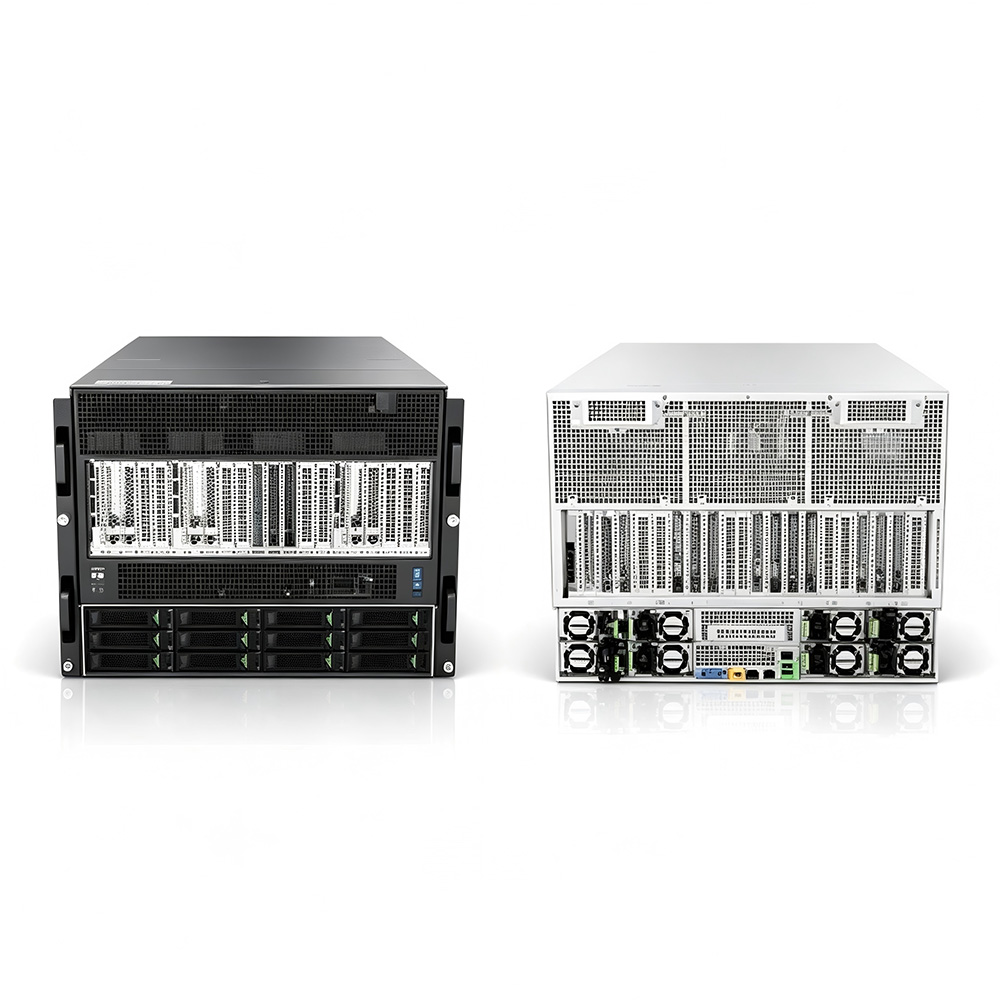
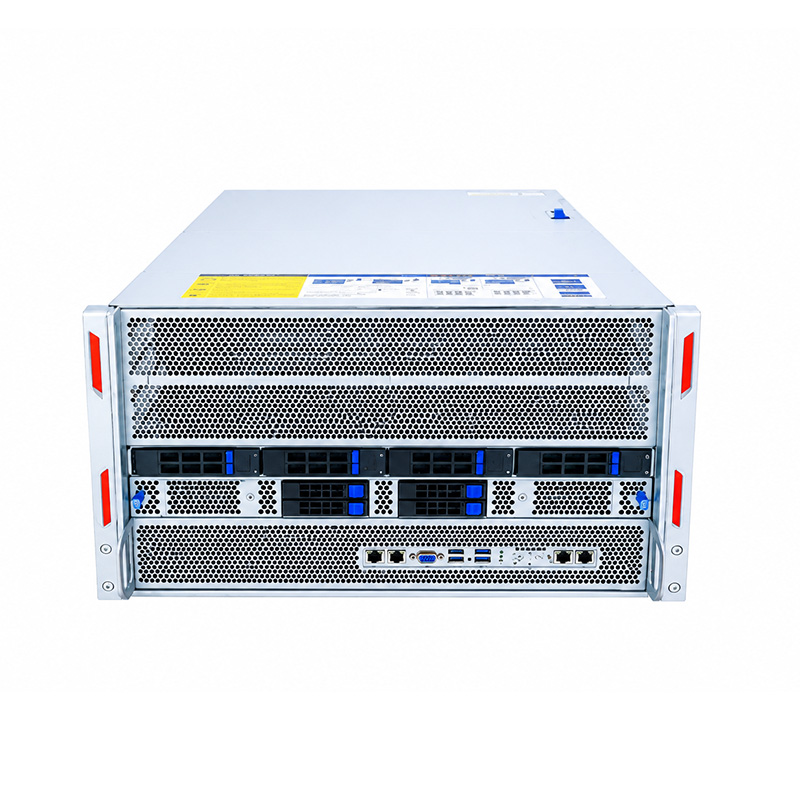
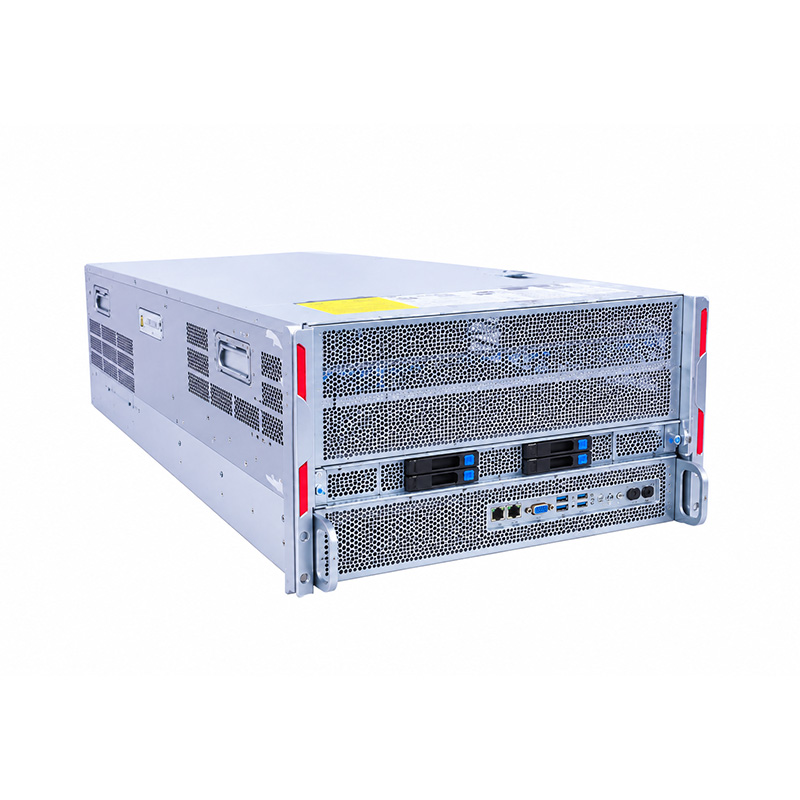
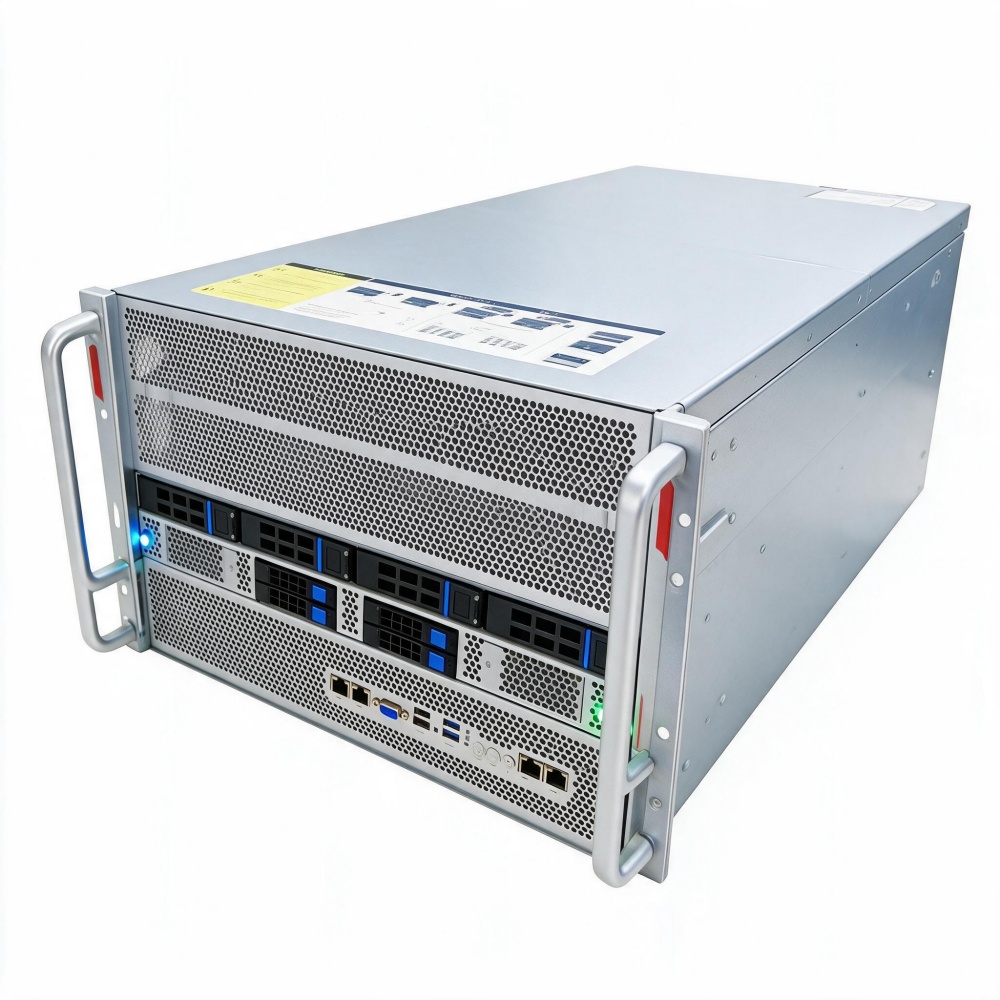
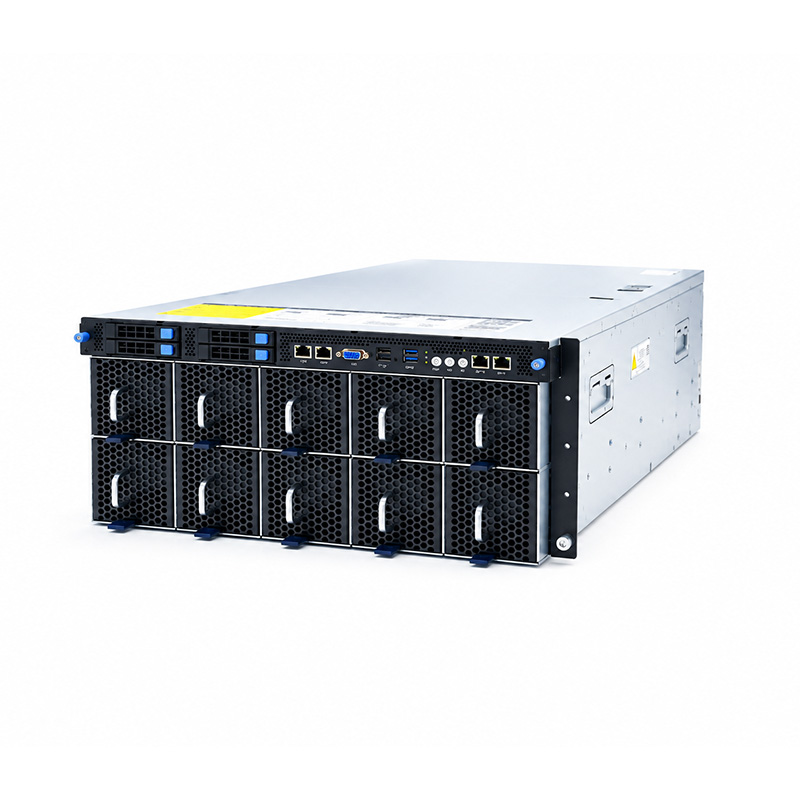
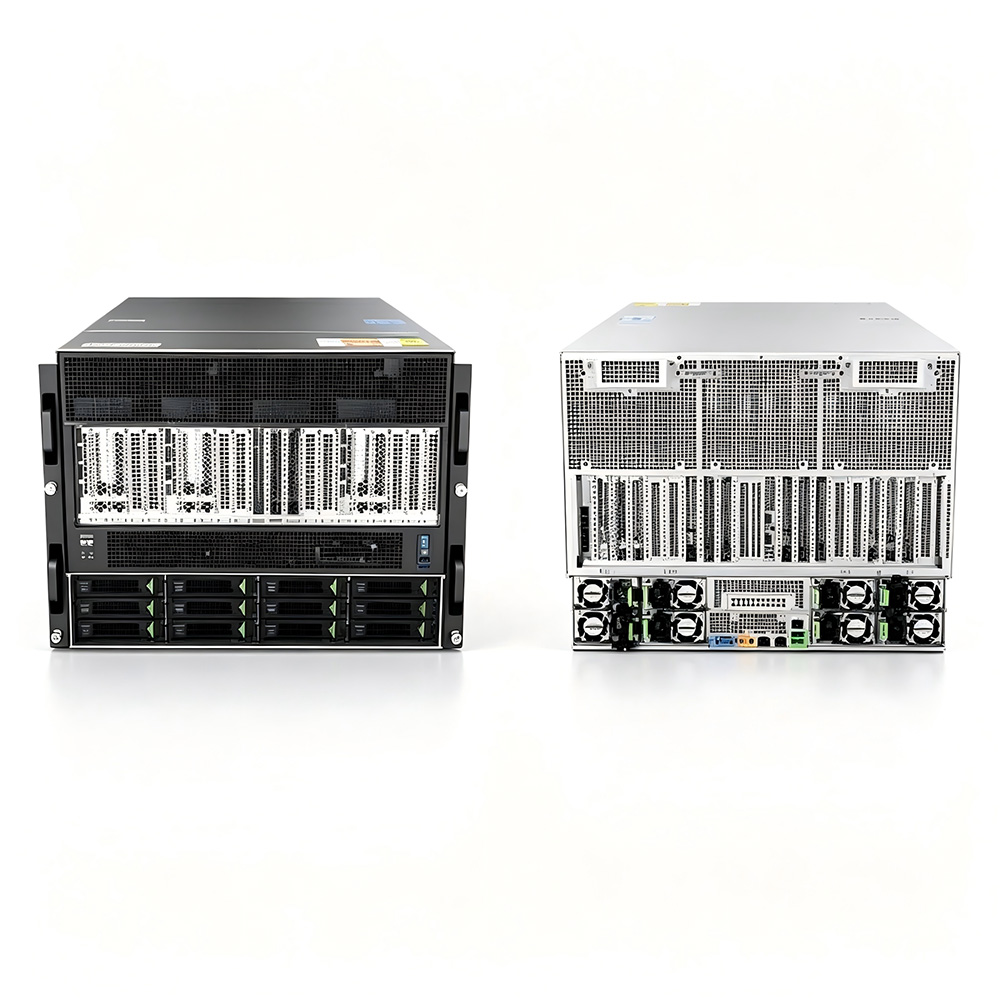
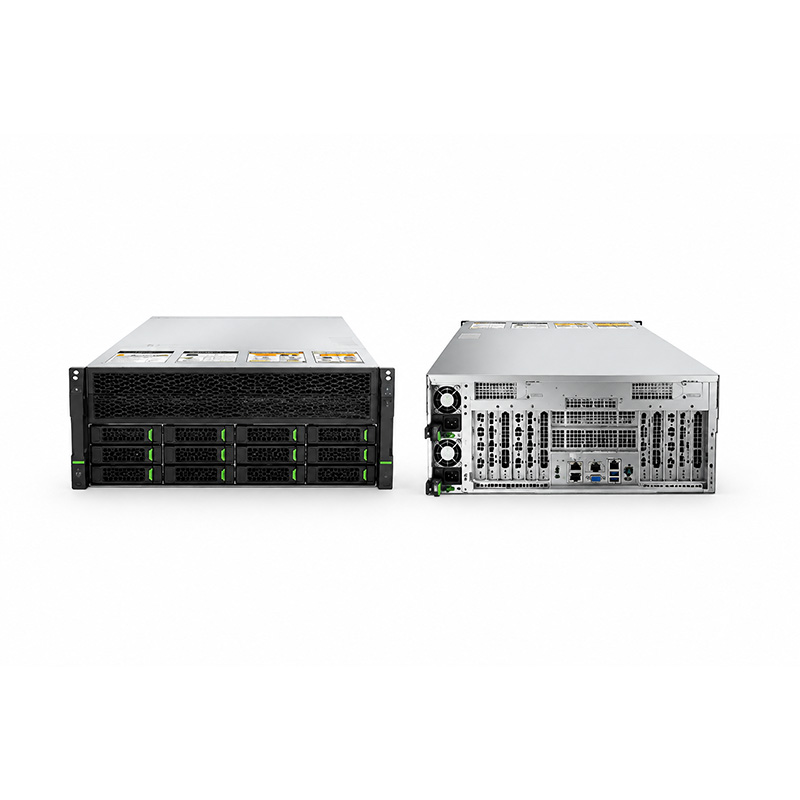
By delegating the outer perimeter and orchestration tasks to free cloud environments, engineering teams eliminate edge-facing attack surfaces, ensure worldwide availability for administrative dashboards, and offer content viewers geographically optimized low-latency streaming endpoints. Concurrently, the central processing core—anchored by 4U, 7U, and 8U multi-GPU high-density computing servers—processes massive raster data matrices, delivers hardware-accelerated NVENC/QuickSync encoding cycles, and safeguards multi-channel transmission feeds against arbitrary cloud throttling.
Zhouzhen Intelligent Co., Ltd. is located in Shenzhen, China. We are a professional hardware solution manufacturer integrating independent R&D, production, and global sales.
Our main products include rack servers, industrial control computers, mini PCs, network accessories, and customized storage hardware. We provide one-stop OEM/ODM customization services covering hardware, software, complete machine testing, and product certification. Our equipment is widely applied in industries such as AI cloud computing, artificial intelligence, data centers, education, radio & television, and AI data inference.
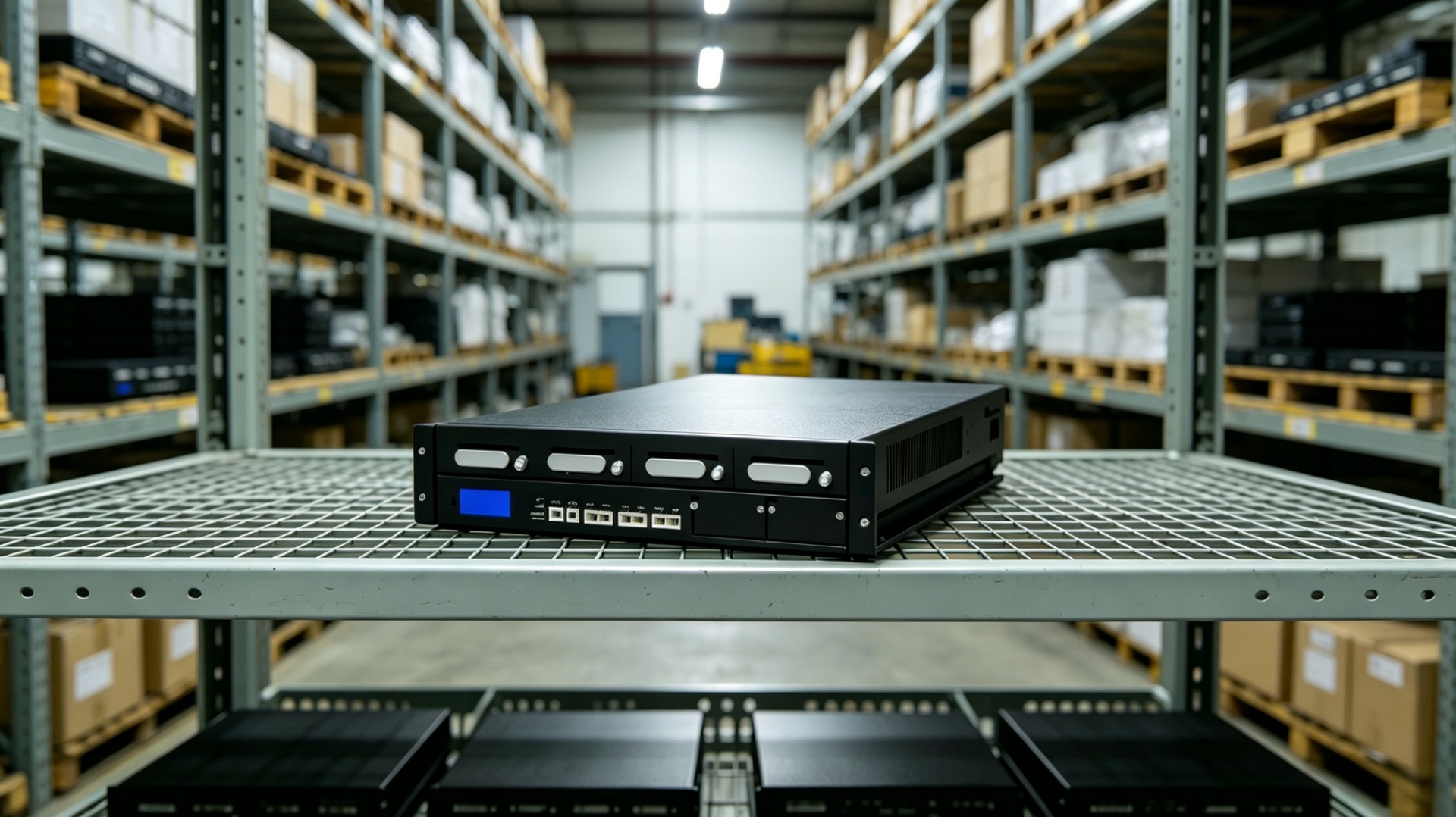
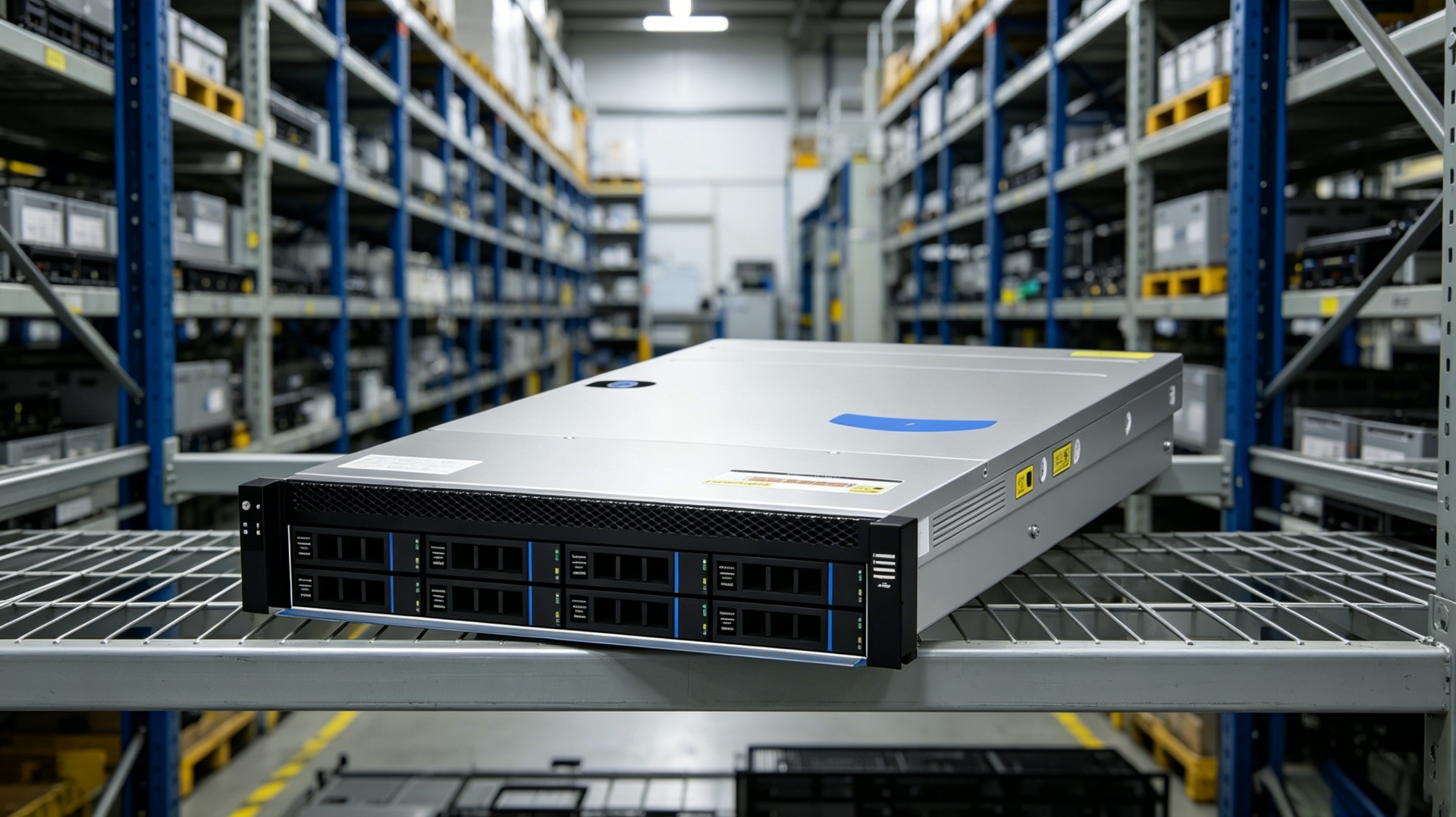
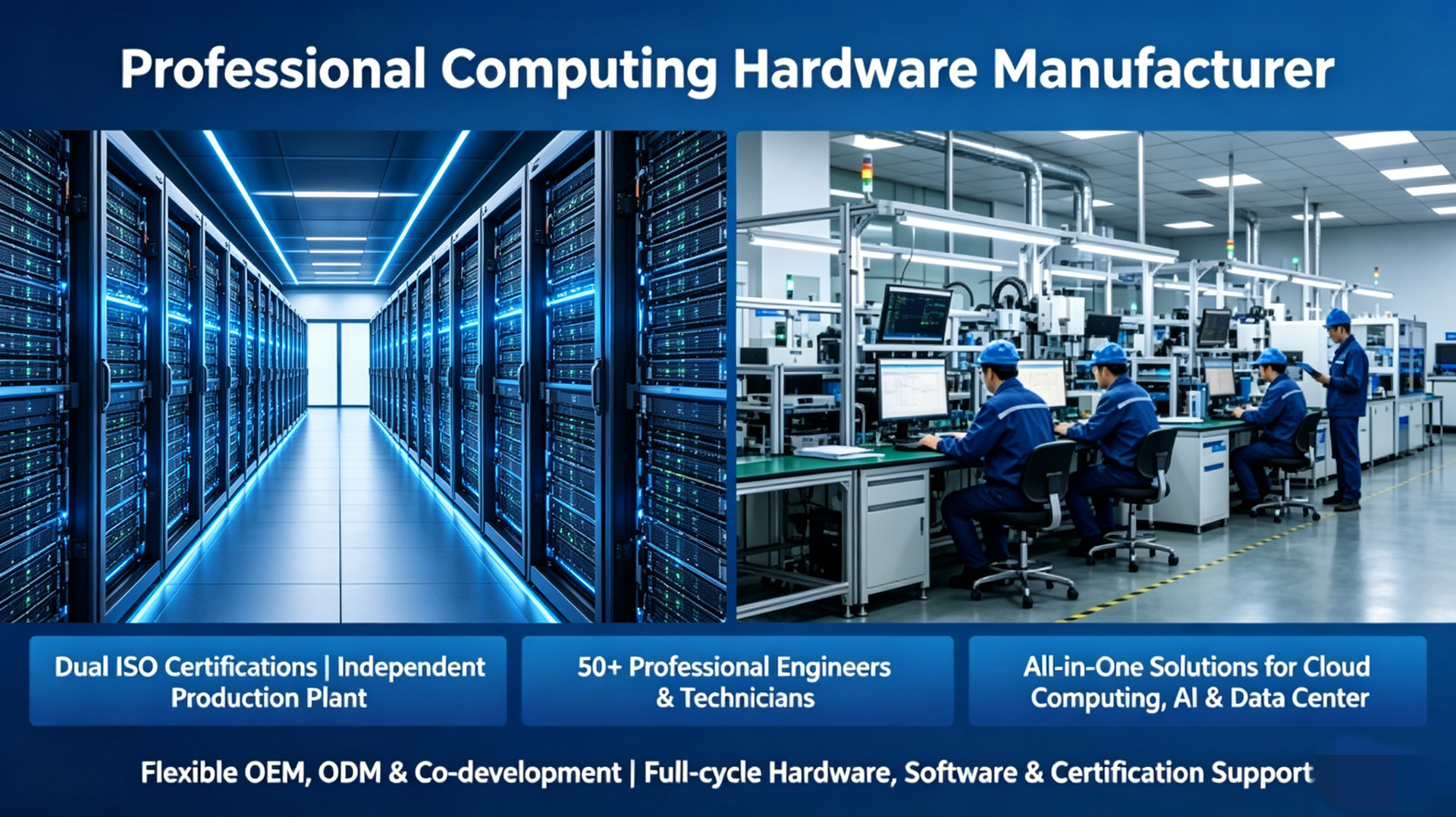
ZOZT (Zhouzhen Intelligent) is rooted in Shenzhen, the core city of China’s electronics industry, founded by a team of senior hardware engineers with a shared industry vision.
Driven by the continuously growing global demand for customized servers and industrial computer hardware, our team has built our own production factory, independent R&D laboratories, and professional testing workshops. Starting as a small professional R&D team focusing on data computing and storage hardware, we have gradually established a complete industrial chain covering sheet metal processing, finished product assembly, and full-process quality inspection.
Our core mission is to provide global partners with durable, cost-effective customized hardware, together with comprehensive and transparent technical support services. Our business has grown from small-batch customized sampling to long-term bulk cooperation with global system integrators. We keep optimizing our production procedures and personalized customization services year by year.
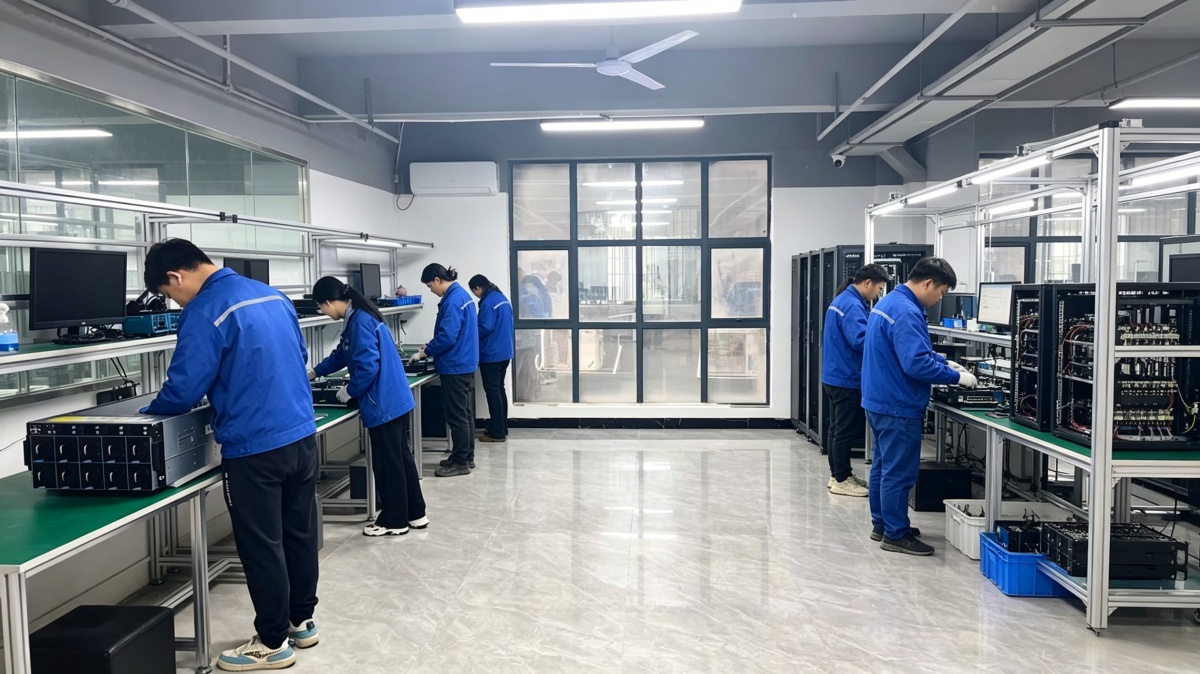
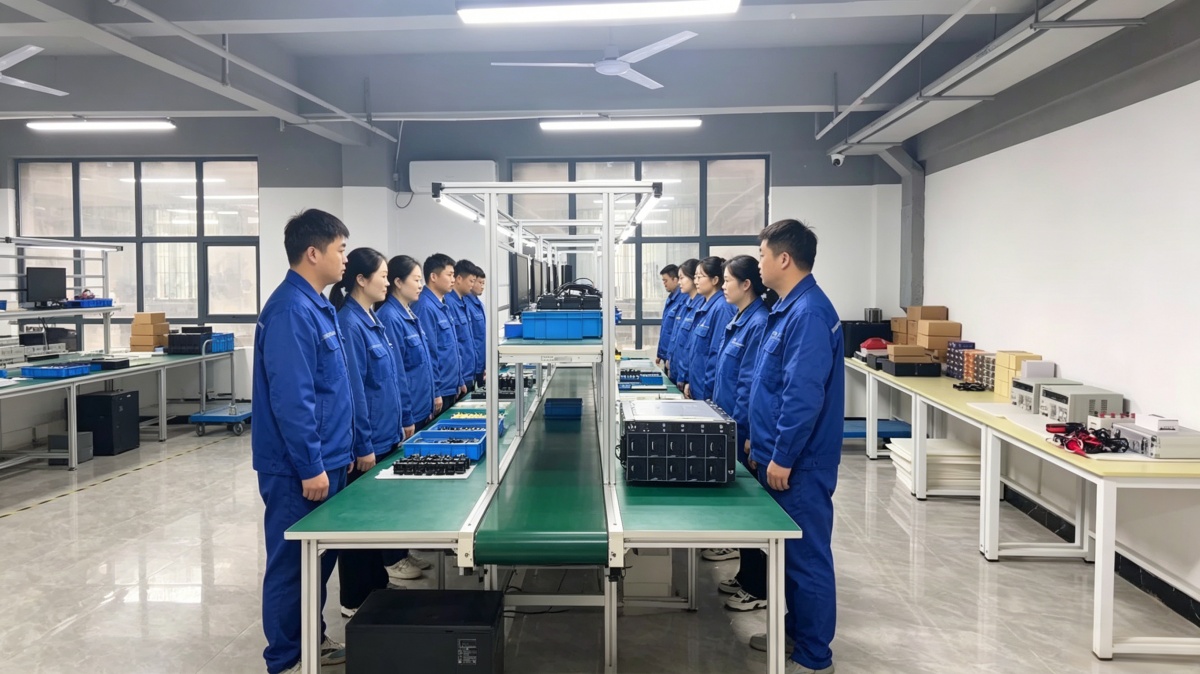
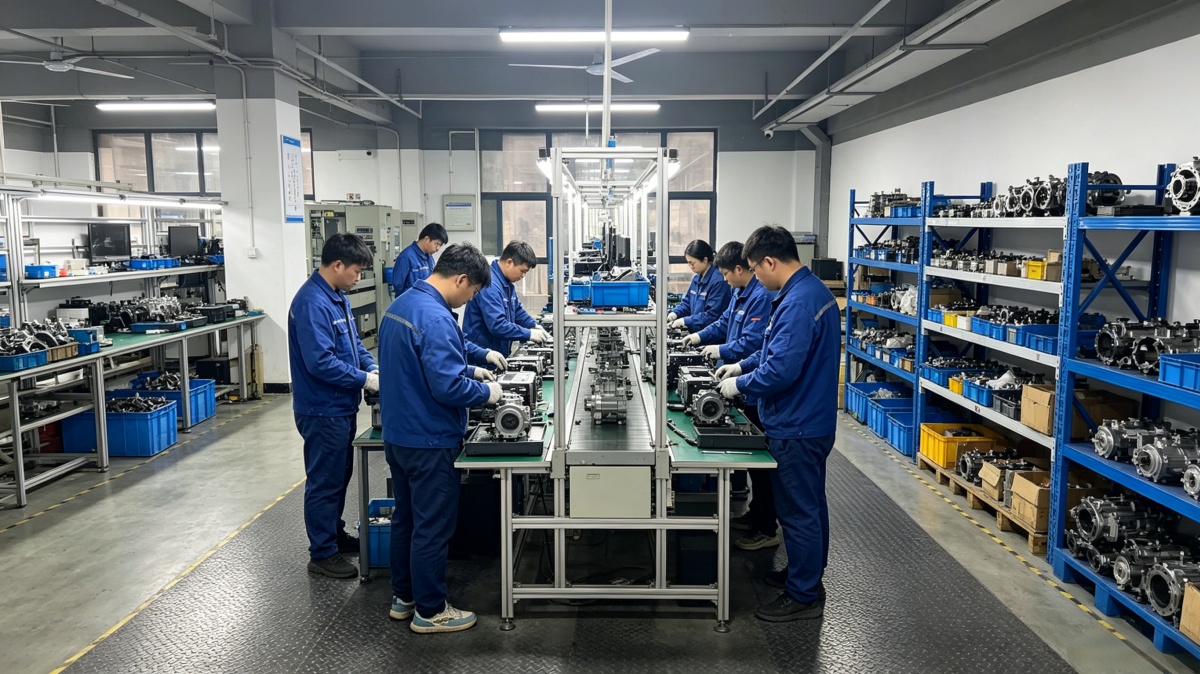
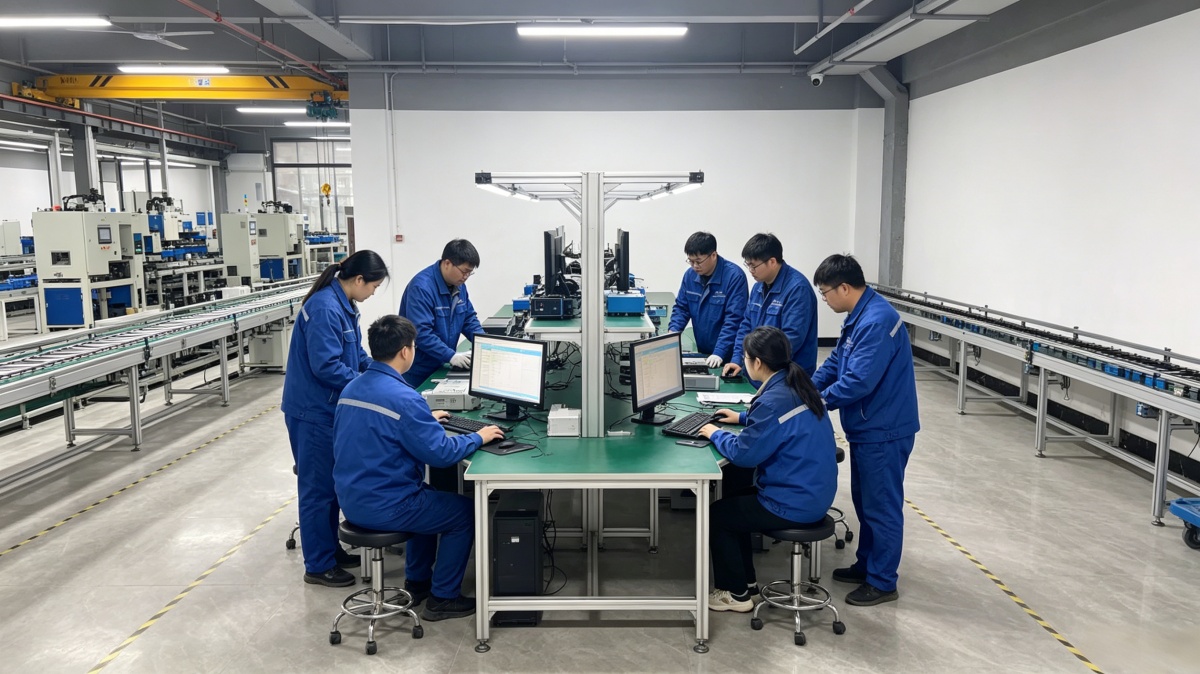

To become the most trustworthy one-stop manufacturer of customized industrial computing hardware for global commercial data scenarios. We will continue to increase investment in R&D and quality control, continuously upgrade our full-process OEM/ODM customization capabilities, and deliver stable and efficient hardware solutions. We aim to help global clients expand their business footprint in the fields of cloud storage, computing power operation, and cybersecurity.
As the broadcast industry moves closer to universal adoption of full-IP workflows, emerging technologies are redefining the utility of free and open cloud servers in media creation. Several prominent technological currents will govern the next decade of radio and television distribution:
The convergence of real-time computer graphics, neural radiance fields (NeRFs), and generative AI audio models is transforming television production studios into dynamic virtual stages. Free cloud servers are frequently harnessed to orchestrate generative AI prompt pipelines, feeding real-time digital backdrop alterations and live synthetic avatars directly into broadcast mixers. Broadcasters can run lightweight API proxies on cloud tiers that query large language models for instant fact-checking, automated script drafting, and dynamic audience sentiment analysis displayed live during news broadcasts.
Bandwidth remains one of the largest single recurring operating expenses for streaming media and television transmission. The transition toward AV1 and Versatile Video Coding (VVC / H.266) promises up to a 40% reduction in bitrate requirements compared to HEVC (H.265) at equivalent perceptual visual quality. However, AV1 and VVC encoding demand significantly higher computational horsepower per frame. Broadcast engineers increasingly leverage cloud servers for distributed chunk-based video encoding (orchestrating multiple micro-instances to encode distinct slices of content concurrently), dramatically reducing total encoding durations before final transmission multiplexing.
With IP networks replacing isolated baseband cables, television and radio networks face unprecedented cybersecurity threats, including unauthorized signal hijacking, DDoS disruptions, and intellectual property theft. Modern broadcast server deployments implement Zero Trust Architecture (ZTA). Edge cloud servers act as hardened reverse proxies equipped with automated TLS/mTLS mutual authentication, dynamic tokenized stream encryption (AES-128/FairPlay/Widevine), and IP whitelisting. By ensuring that incoming media contribution feeds from field journalists are authenticated and decrypted at the edge cloud server before entering internal network matrices, broadcast operations preserve system integrity and signal sanctity.
Sustainability is no longer an afterthought in broadcast procurement. Traditional master control rooms running hundreds of legacy rack units around the clock consume enormous amounts of electricity and cooling energy. Migrating non-linear orchestration, scheduling, and preview services to dynamic cloud server environments significantly reduces on-premise power draw. When paired with high-efficiency titanium-grade power supplies and high-density multi-GPU chassis designed by specialized manufacturers, media houses achieve their corporate carbon neutrality goals while optimizing total cost of ownership (TCO).