Leave Your Message
High-throughput rackmount computing platforms engineered for multi-gigabit stateful firewalling, wire-speed packet inspection, and edge SD-WAN orchestrations.
How cutting-edge enterprises decouple network telemetry from physical packet inspection to optimize operational cost, low-latency performance, and threat neutralization.
Decouple management planes into zero-cost cloud servers while routing actual data plane traffic through ultra-fast on-premise hardware appliances, ensuring zero egress penalty and deterministic latencies.
Deploy enterprise routing daemons (BGP, OSPF, WireGuard) on ruggedized 1U/2U/4U servers coordinated by cloud signaling nodes, creating a resilient, self-healing software-defined wide area network.
Bypass kernel overheads via dedicated DPDK and SR-IOV network interfaces on our custom industrial platforms, scaling stateful inspection throughput to 40Gbps, 100Gbps, and beyond.
In modern enterprise cybersecurity, the dichotomy between pure cloud virtualized networks and dedicated on-premises hardware has dissolved. Industry leaders are increasingly adopting a hybrid convergence model: using free cloud server tiers (available through major cloud hyper-scalers or open-source community VPS networks) to host central telemetry, orchestration, zero-trust identity verification, and dynamic configuration engines, while executing heavy line-rate packet filtering, stateful firewall inspection, and cryptographic routing on dedicated bare-metal network appliances.
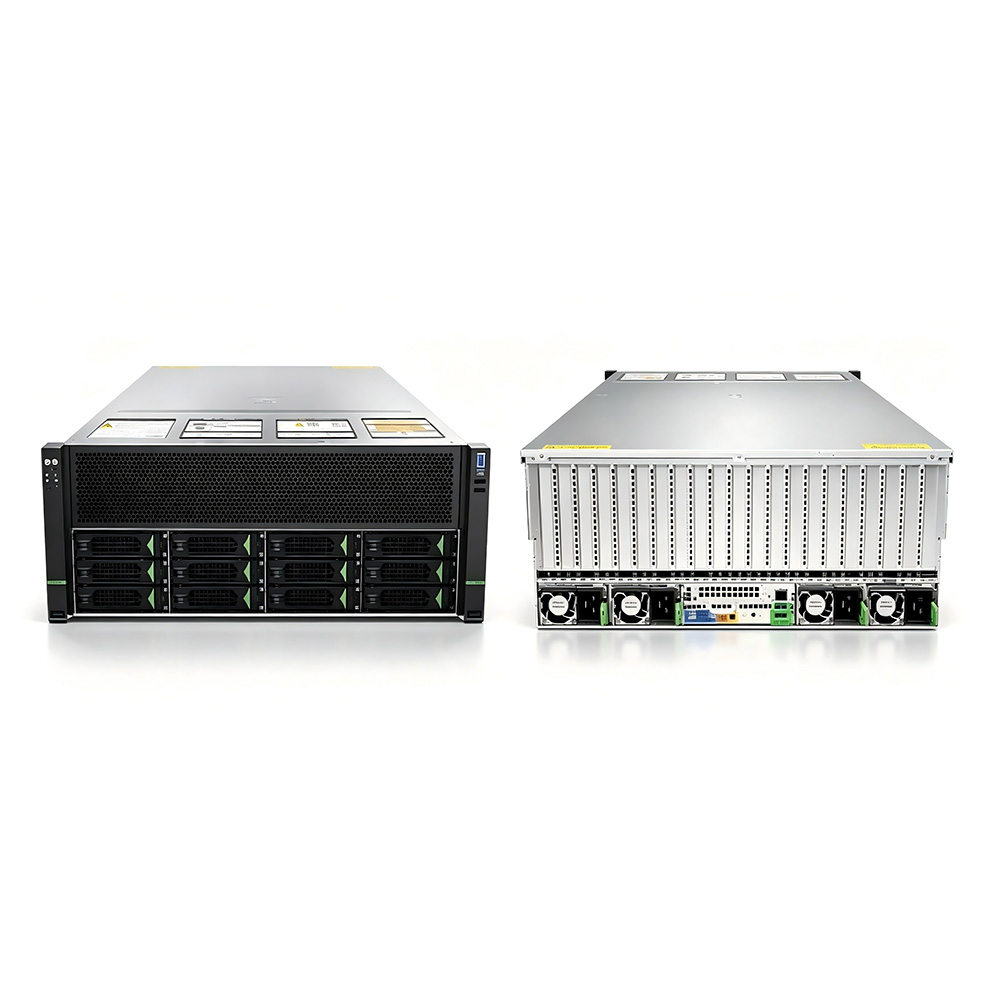
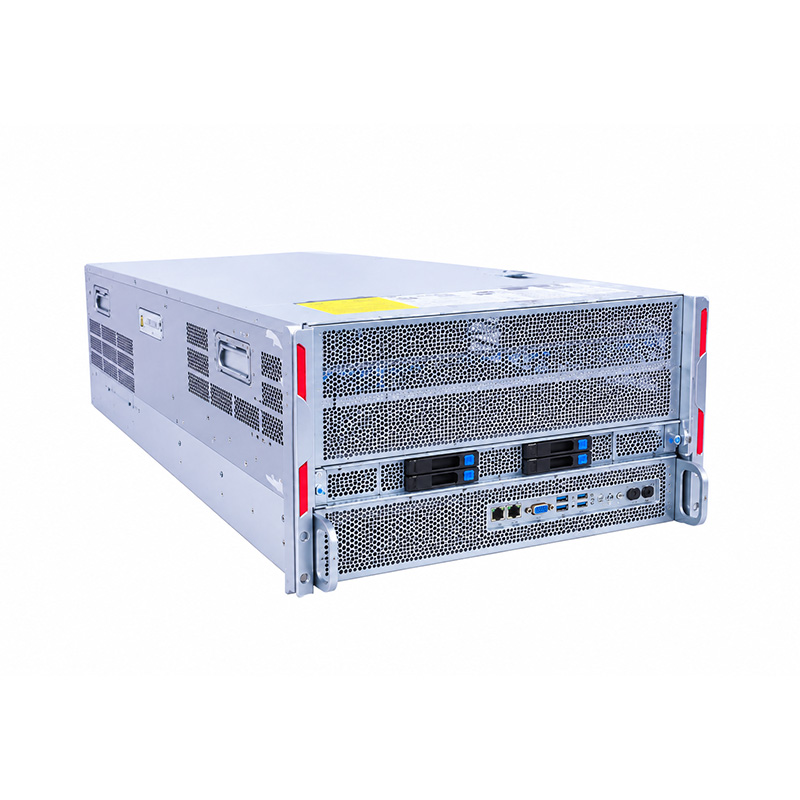
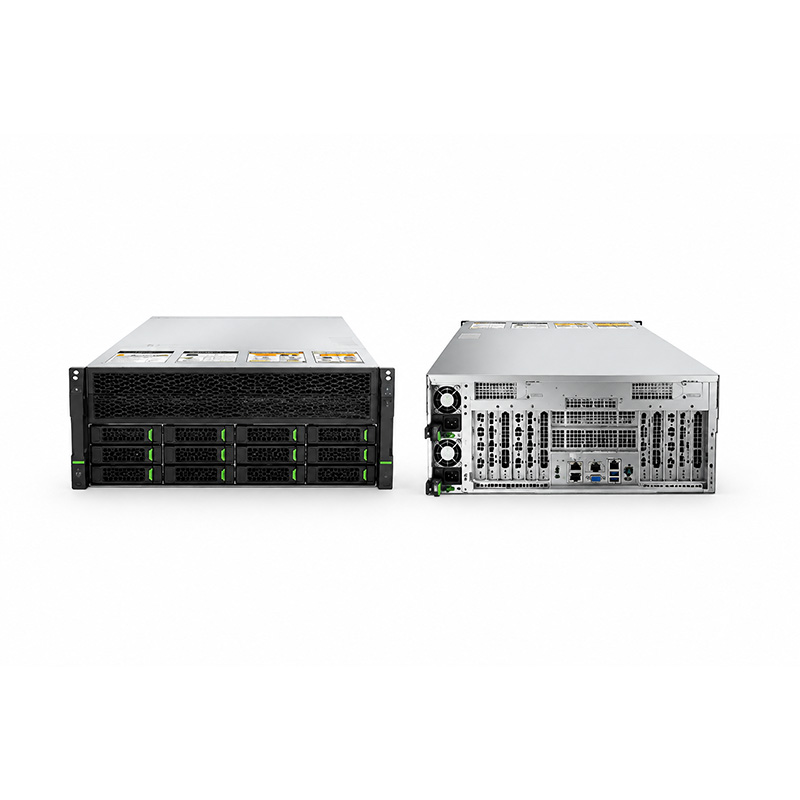
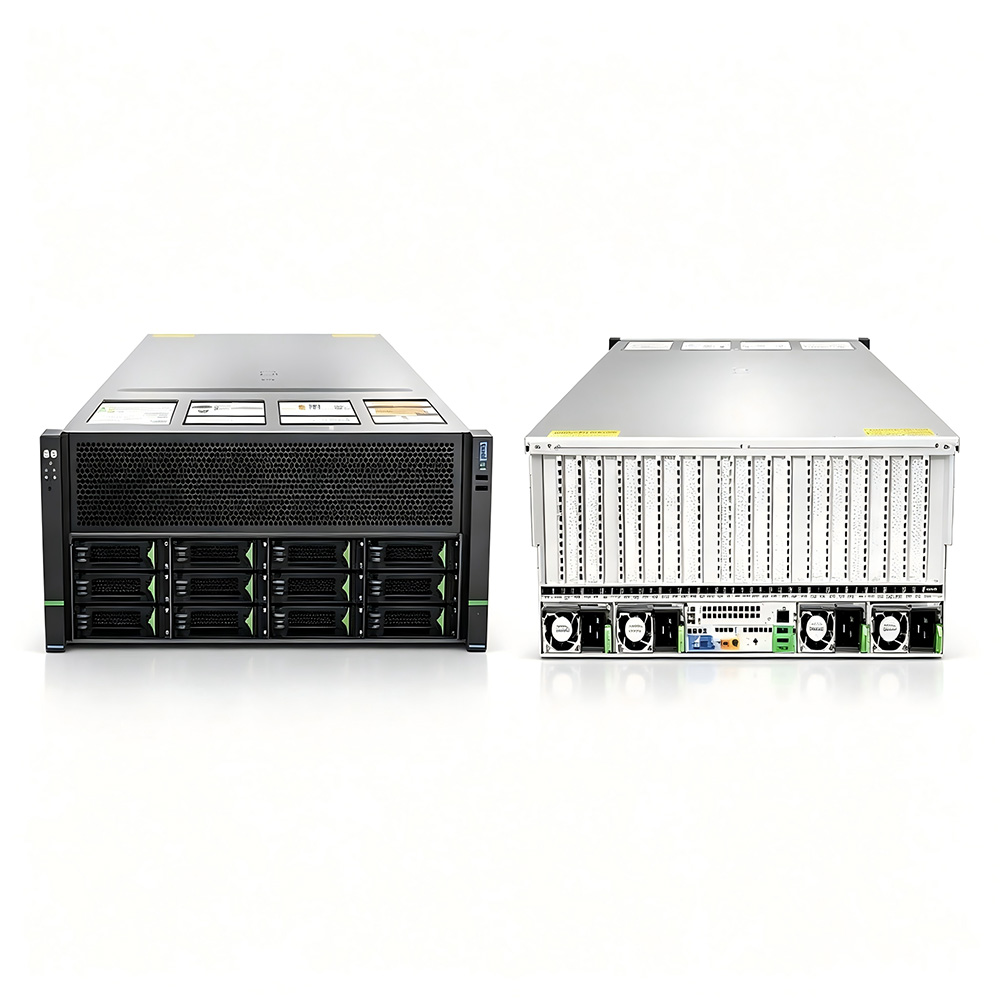
The strategic advantage is straightforward: public cloud bandwidth and egress pricing models present significant cost escalations when routing massive volumes of north-south and east-west traffic through cloud-native firewalls. In contrast, running high-performance hardware servers (such as rackmount 2U, 4U, or 5U GPU-accelerated computing nodes) within local data centers, enterprise edge points, or co-location facilities allows organizations to process gigabits of unconstrained traffic without recurring per-gigabyte bandwidth penalties.
Network security hardware requirements have evolved drastically over the past five years. Traditional ASIC-based proprietary appliances are no longer flexible enough to adapt to emerging zero-day vulnerabilities, protocol mutability, and AI-driven cyber threats. The industry has decisively pivoted toward white-box x86/AMD-based server hardware running software-defined network (SDN) operating systems, such as pfSense, OPNsense, VyOS, OpenWrt x86, FreeRouter, and containerized cloud-native network functions (CNFs).
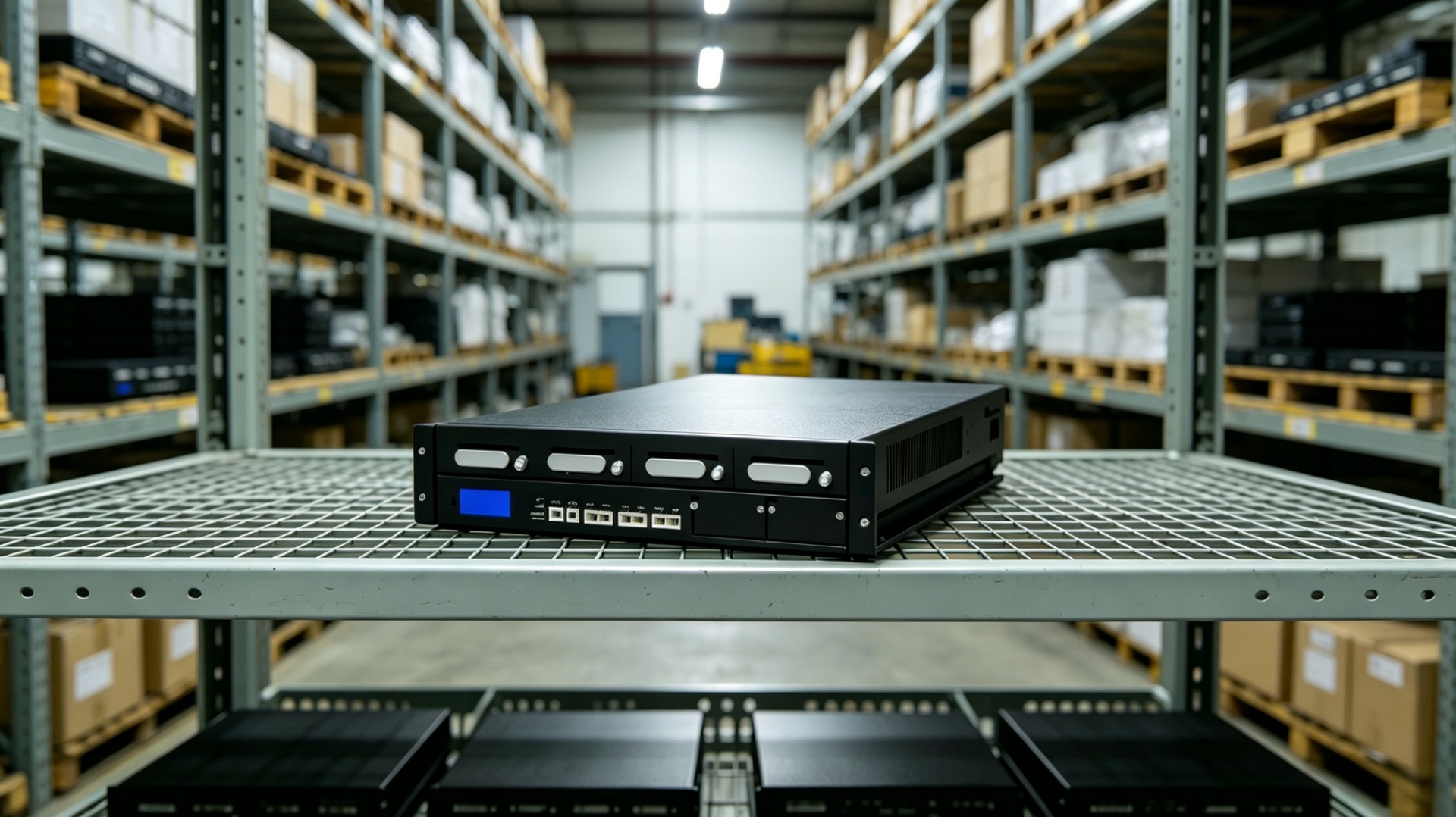
Implementing a high-availability network security architecture using a free cloud server instance alongside physical server hardware involves several core technical phases:
A lightweight cloud instance (such as Oracle Cloud Free Tier, AWS Free Tier, Google Cloud e2-micro, or Azure Free services) is configured as the central coordination hub. This server runs an open-source orchestration suite like Headscale (self-hosted Tailscale control server), Netmaker, or a central Ansible / Terraform execution node. Because the server only transfers metadata, configuration diffs, and small keep-alive heartbeats, it operates comfortably within free-tier compute and network limits.
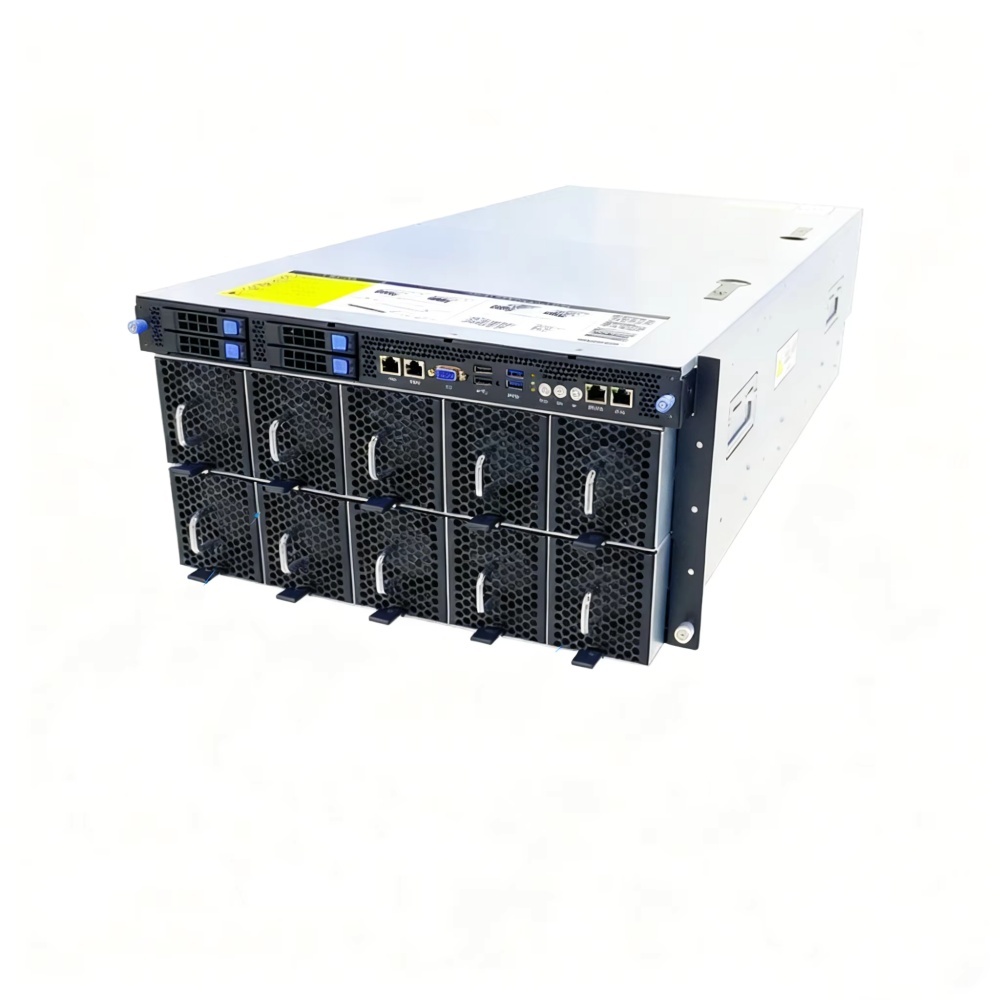
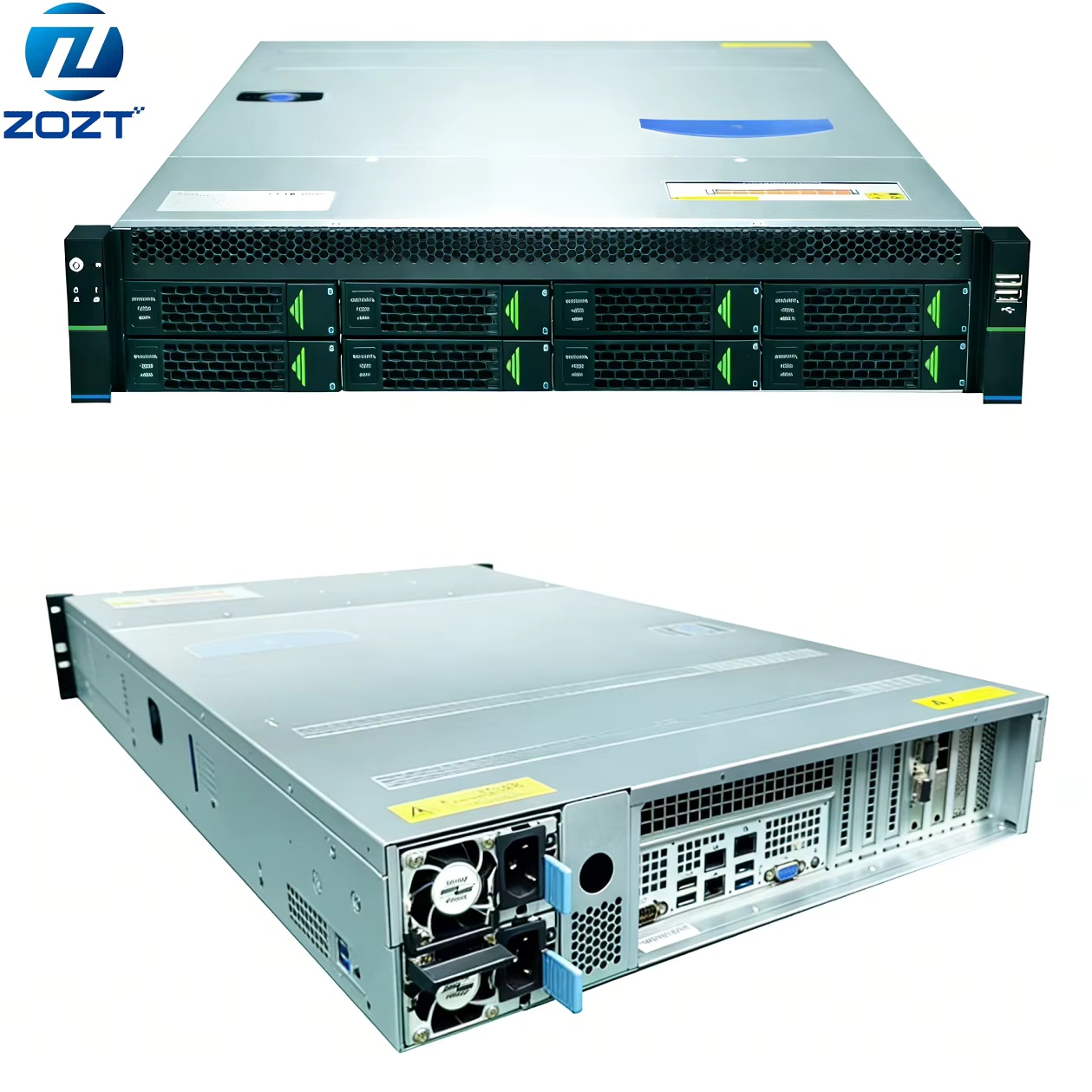
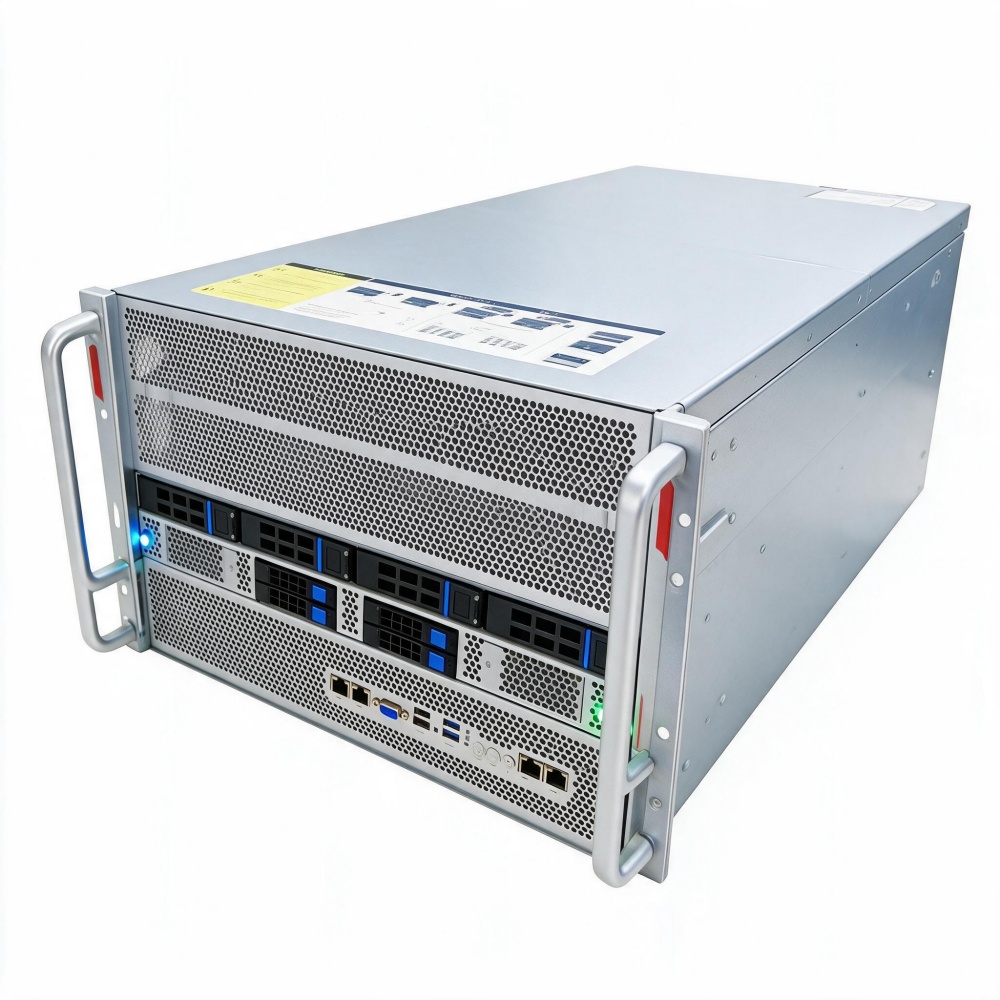
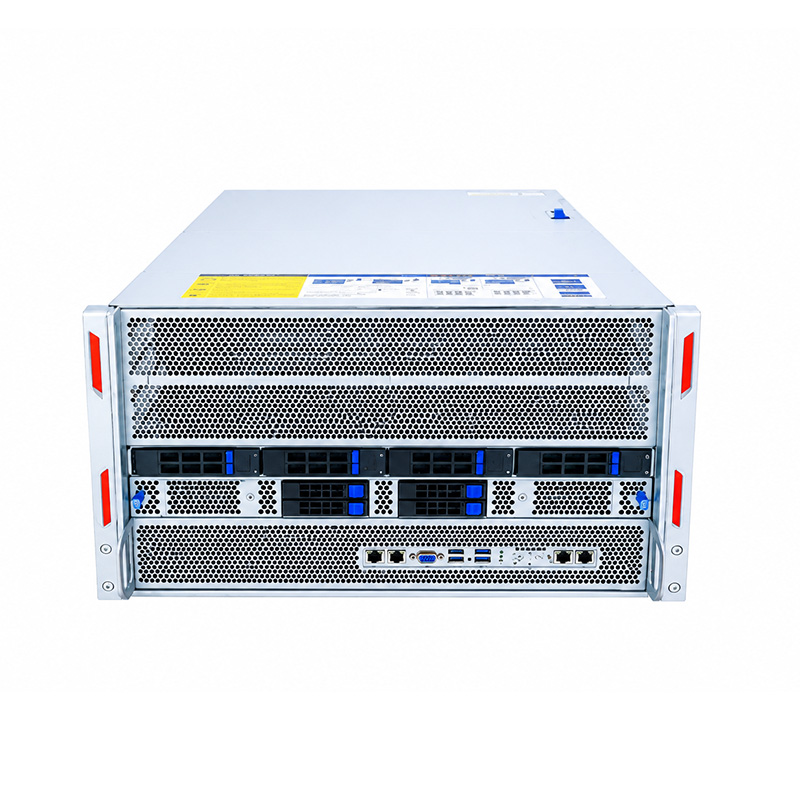
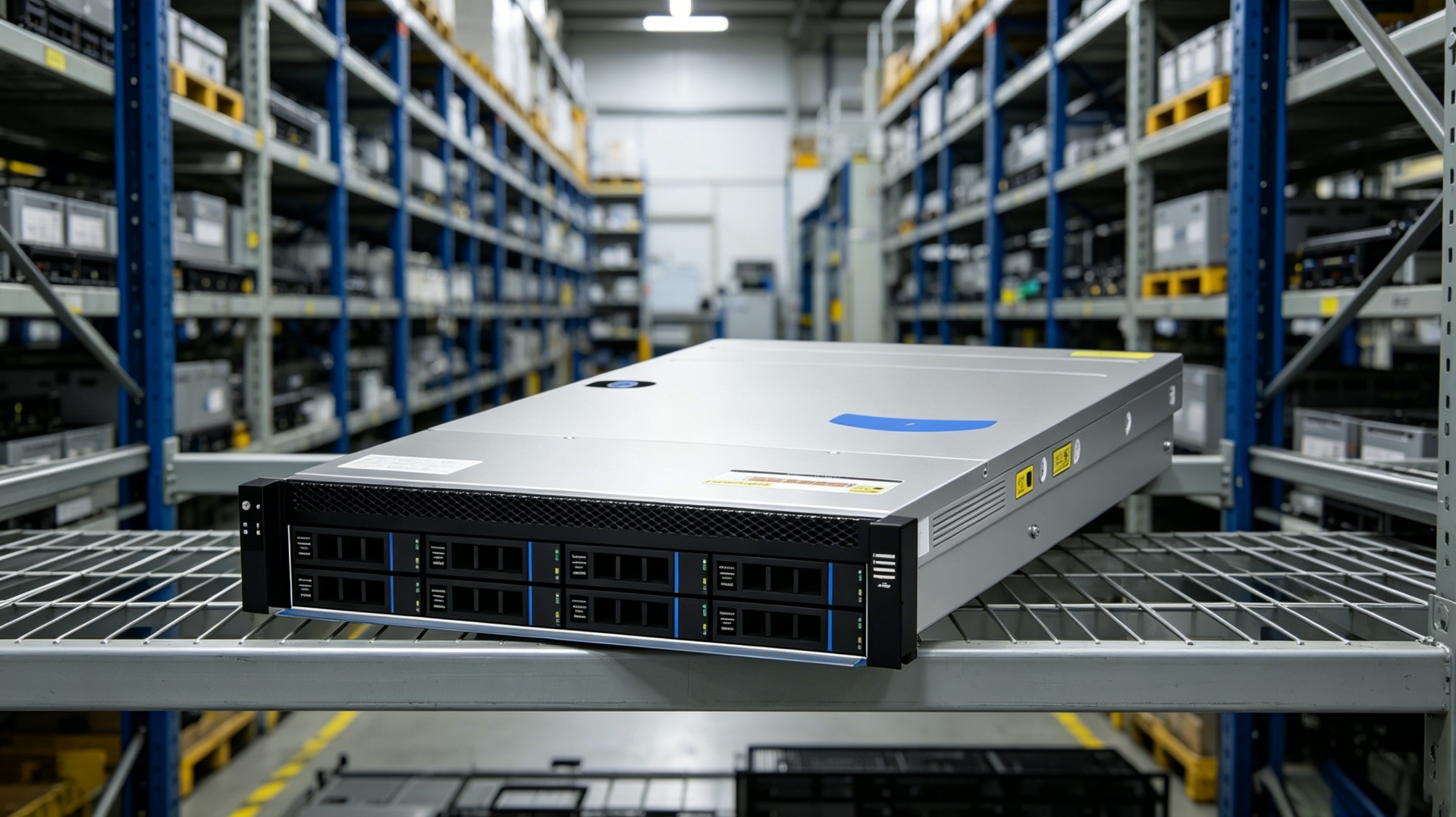
On-premises or edge locations are equipped with high-durability bare-metal servers, such as ZSGS-04370 4U AMD GPU Servers or 2U Rackmount PowerEdge R340 appliances. These machines run specialized Linux network kernels optimized with Data Plane Development Kit (DPDK) or eBPF (Extended Berkeley Packet Filter) drivers. These software stacks bypass the standard operating system network stack to poll packets directly from NIC ring buffers, achieving near-zero packet drop rates at multi-million packets-per-second (Mpps) loads.
While the physical hardware inspects packets locally, summarized metadata (NetFlow/IPFIX logs, TLS fingerprint hashes, and unusual connection attempts) are encrypted and streamed to the free cloud logging node or distributed Elasticsearch clusters. If an external IP segment initiates a distributed brute-force or DDoS attack, the cloud orchestrator pushes updated BGP blackhole routes or dynamic nftables firewall drops down to all physical hardware nodes across global data branches in sub-second timeframes.
Empowering global system integrators and enterprises with robust, customized server hardware solutions.
Zhouzhen Intelligent Co., Ltd. is located in Shenzhen, China. We are a professional hardware solution manufacturer integrating independent R&D, production and global sales.
Our main products include rack servers, industrial control computers, mini PCs, network accessories and customized storage hardware. We provide one-stop OEM/ODM customization services covering hardware, software, complete machine testing and product certification.
Our equipment is widely applied in industries such as AI cloud computing, artificial intelligence, data centers, education, radio & television, and AI data inference.
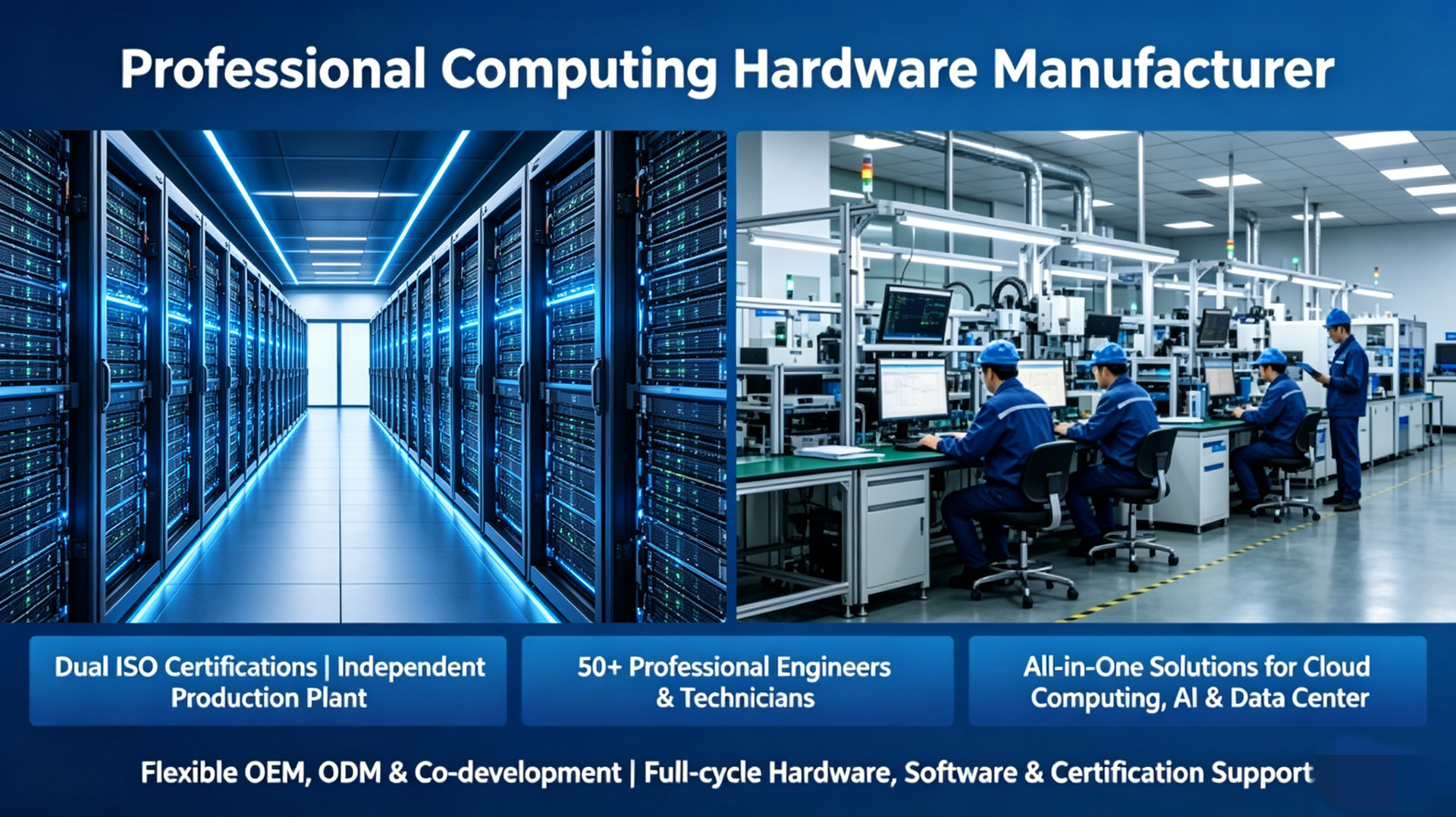
From a dedicated engineering laboratory in Shenzhen to a trusted global hardware manufacturing partner.
ZOZT (Zhouzhen Intelligent) is rooted in Shenzhen, the core city of China’s electronic industry, founded by a team of senior hardware engineers with a shared industry vision.
Driven by the continuously growing global demand for customized servers and industrial computer hardware, our team has built our own production factory, independent R&D laboratories and professional testing workshops.
Starting as a small professional R&D team focusing on data computing and storage hardware, we have gradually established a complete industrial chain covering sheet metal processing, finished product assembly and full-process quality inspection.
Our core mission is to provide global partners with durable, cost-effective customized hardware, together with comprehensive and transparent technical support services. Our business has grown from small-batch customized sampling to long-term bulk cooperation with global system integrators. We keep optimizing our production procedures and personalized customization services year by year.
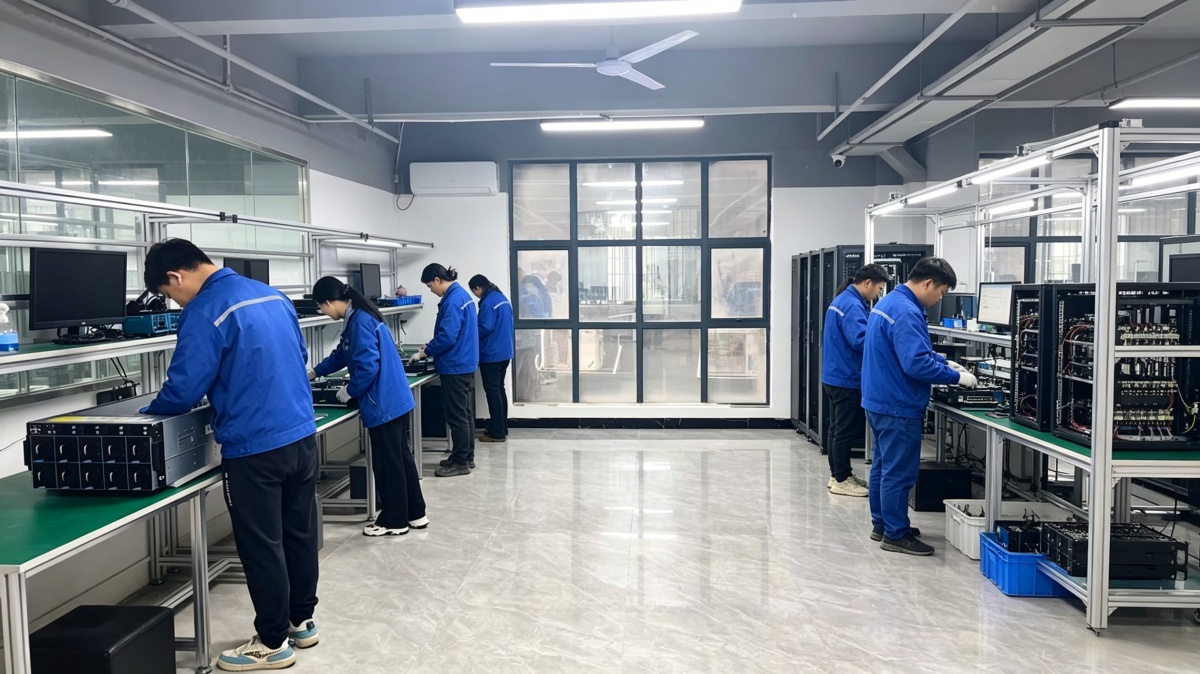
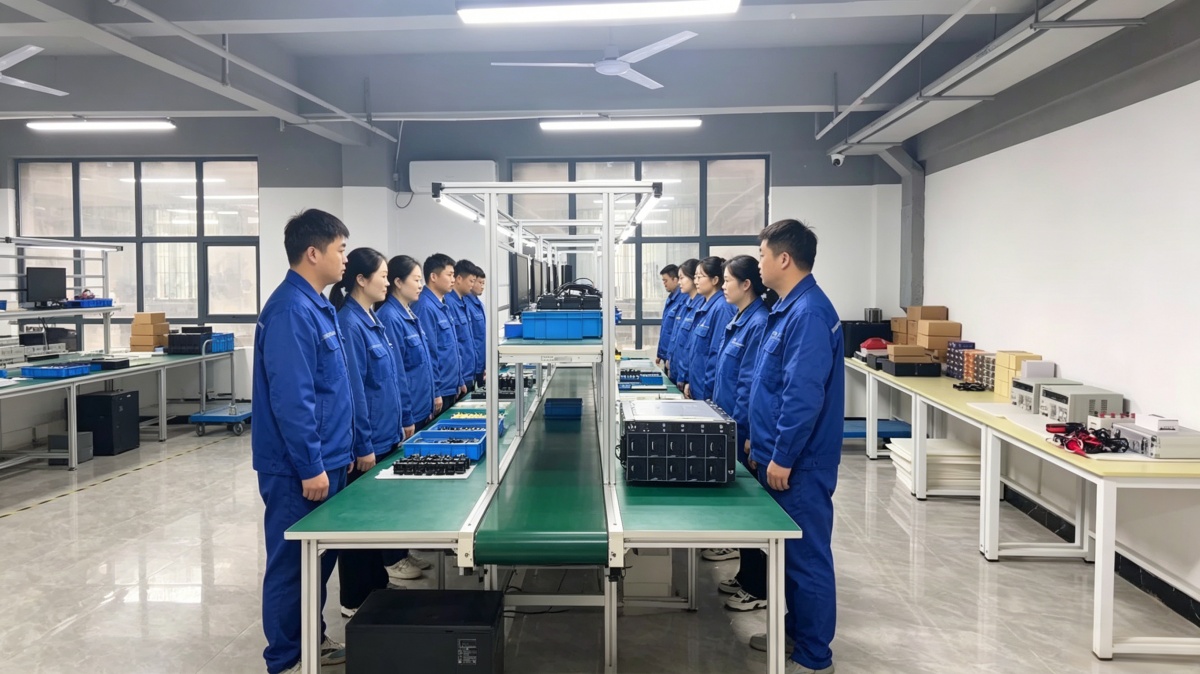
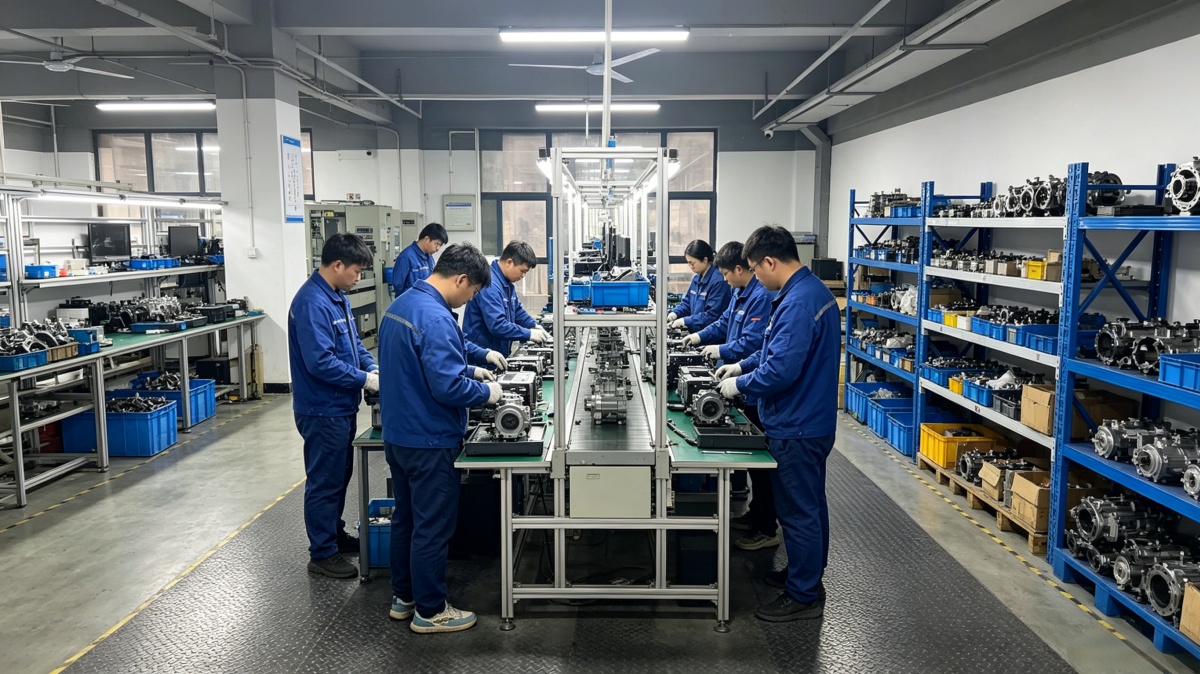
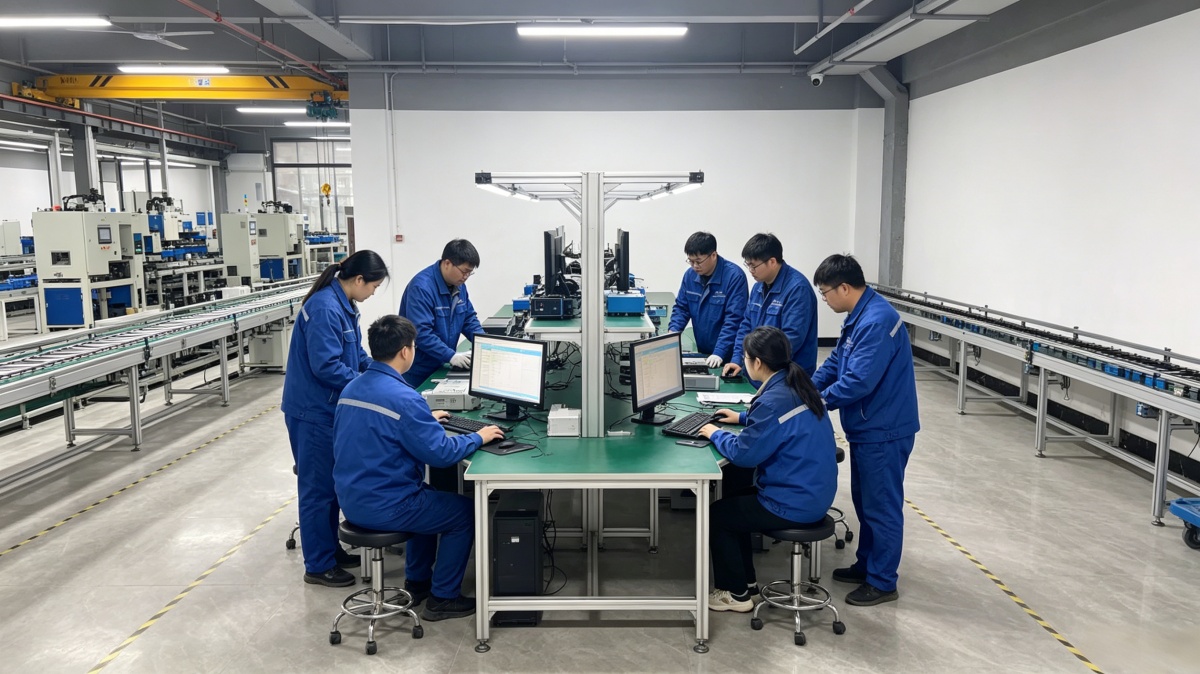
To become the most trustworthy one-stop manufacturer of customized industrial computing hardware for global commercial data scenarios. We will continue to increase investment in R&D and quality control, continuously upgrade our full-process OEM/ODM customization capabilities, and deliver stable and efficient hardware solutions.
We aim to help global clients expand their business footprint in the fields of cloud storage, computing power operation, and cybersecurity.

Selecting the appropriate chassis, processor architecture, and network interface cards is critical to avoiding packet starvation in intensive network environments:
Modern encryption algorithms (such as AES-GCM for IPsec and ChaCha20-Poly1305 for WireGuard) are computationally demanding. Deploying servers with Intel QuickAssist Technology (QAT) or AMD EPYC processors equipped with hardware cryptographic accelerators ensures that encrypted VPN tunnels can saturate 10Gbps to 40Gbps uplinks without overwhelming CPU registers.
Enterprise routing servers must provide sufficient PCIe Gen4 or Gen5 lanes directly attached to the CPU sockets. This architecture prevents bottlenecking when installing dual-port or quad-port 100GbE QSFP28 network interface adapters, FPGA filtering accelerators, or NVMe storage pools used for full-packet capture (PCAP) forensic auditing.
Continuous uptime is mandatory for perimeter security devices. Industrial server solutions featuring redundant hot-swappable 1+1 or 4+1 power supply modules, combined with high-CFM counter-rotating fan systems, protect physical firewalls against component failure and thermal throttling under sustained peak traffic.
Typically, no. Free cloud server tiers provide limited vCPU cores and capped network bandwidth. The recommended best practice is to utilize the free cloud server as a lightweight control plane (managing routing tables, dynamic DNS, SSL certificate management, and threat intelligence updates) while using high-performance on-premise hardware servers to process actual physical network packets at line rate.
Our server hardware platforms feature open x86/AMD architectures compatible with enterprise and open-source network software, including pfSense Plus, OPNsense, VyOS, OpenWrt, Red Hat Enterprise Linux (RHEL), Ubuntu Server, Proxmox VE, VMware ESXi, and customized Kubernetes container platforms running Cilium or Calico.
Hardware-based DPI leverages direct kernel-bypass drivers (such as DPDK) and hardware acceleration (such as GPU tensor cores or FPGA match engines) to inspect payload content at microsecond latencies. Virtualized firewalls on shared cloud instances often suffer from jitter, unpredictable noisy-neighbor latencies, and hypervisor context-switching delays.
Yes. ZOZT offers complete OEM/ODM customization services. We provide tailor-made front/rear I/O panel arrangements, customized sheet metal chassis design, bespoke motherboard silkscreens, custom BIOS/UEFI boot branding, and full international certification testing (CE, FCC, RoHS, ISO9001/14001) for global partners.
Explore our complete line of industrial computing appliances, rack servers, and GPU processing platforms designed for seamless integration with modern cloud-orchestrated network architectures.