Leave Your Message
Engineered for extreme parallel workloads, low-latency automated optical inspection, and seamless synchronization with cloud management planes.
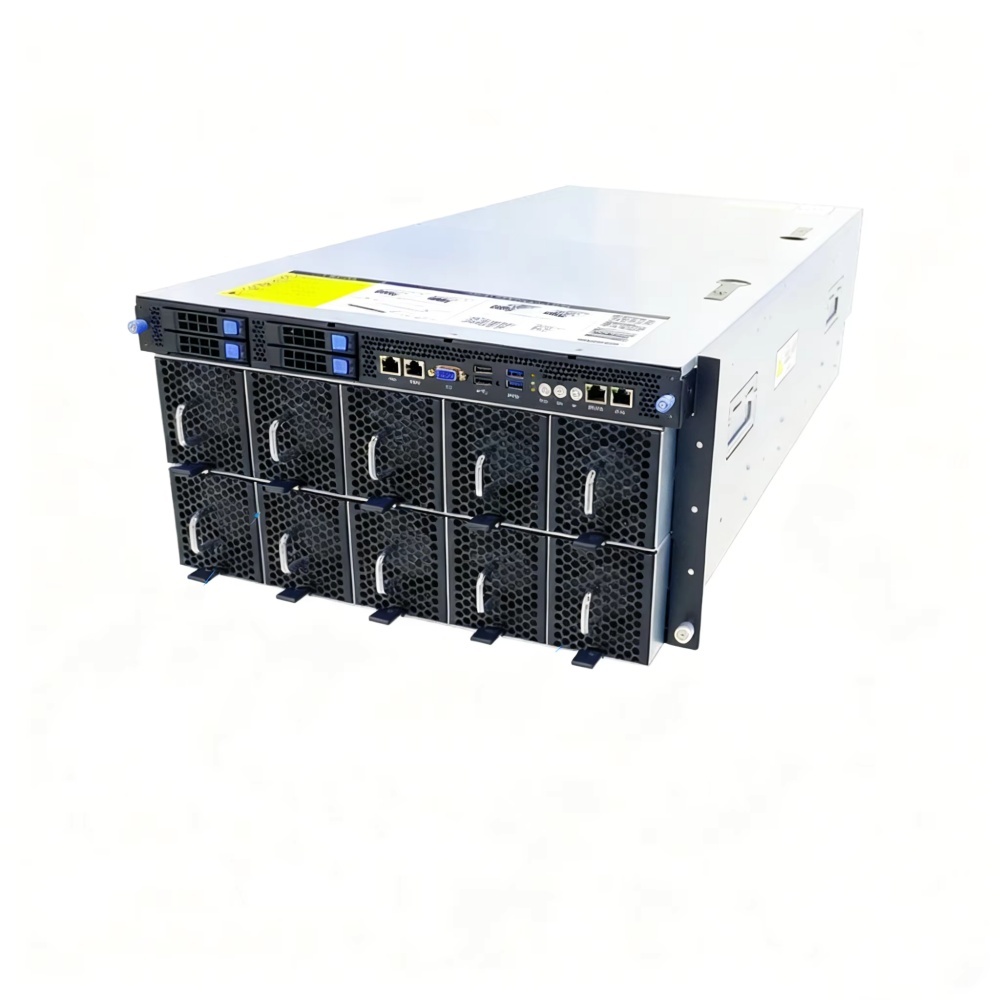
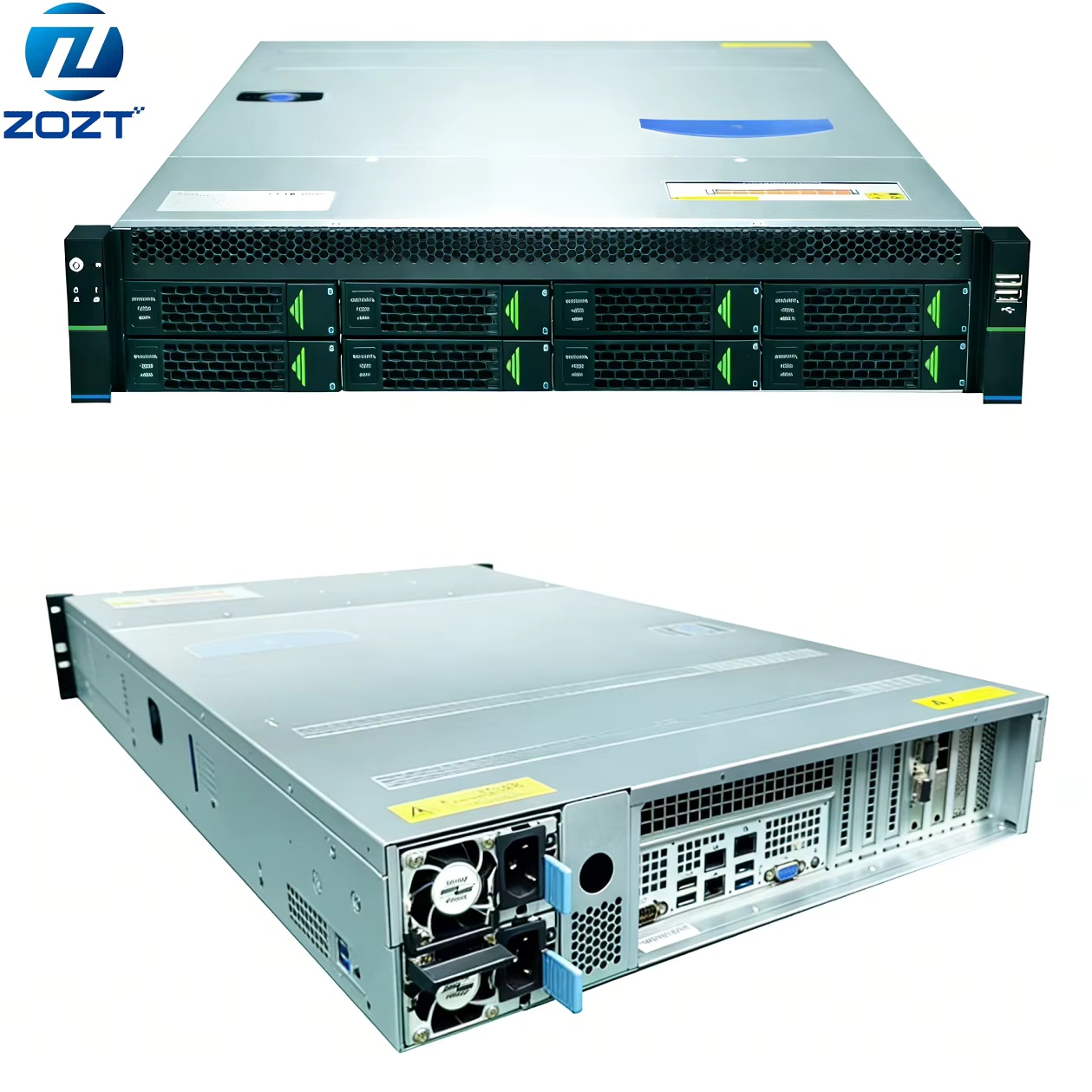
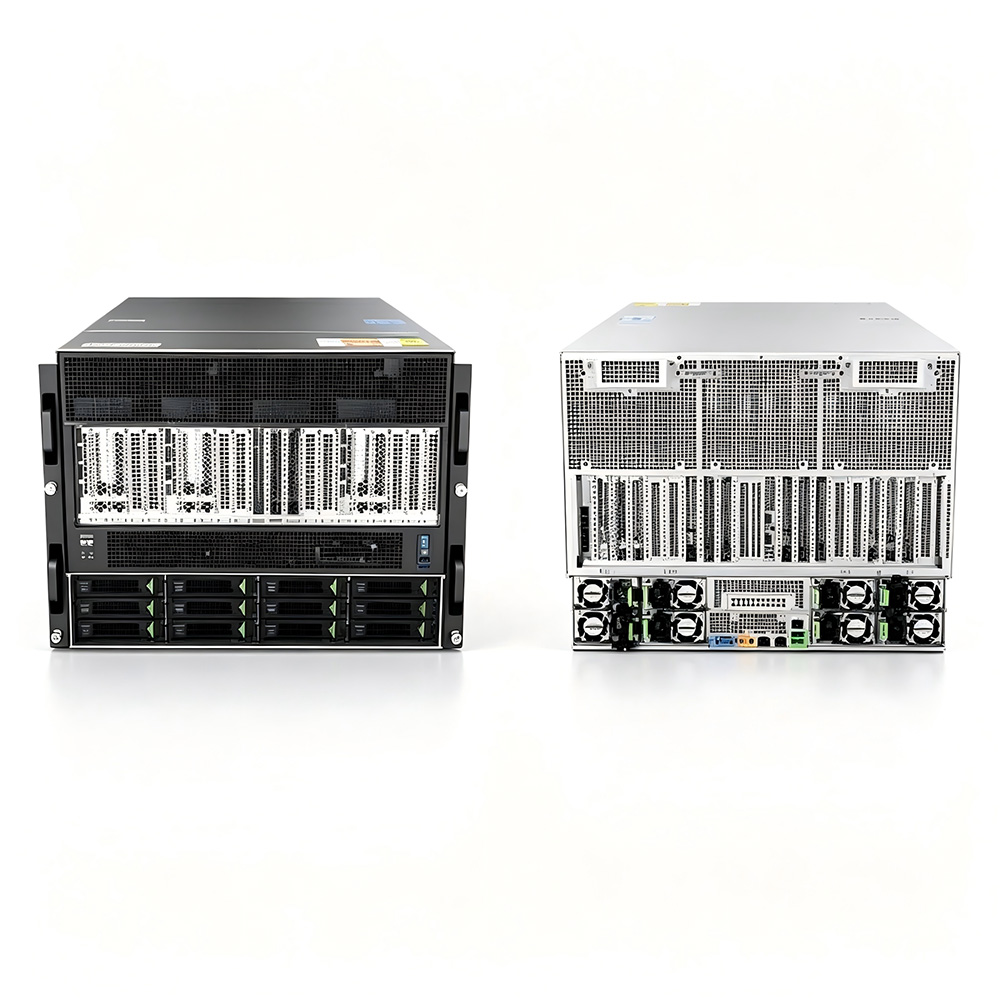
The modern paradigm of industrial automation, smart robotics, and high-precision visual inspection has revealed a fundamental architectural truth: pure cloud infrastructure is inadequate for zero-latency machine vision execution, while unmanaged standalone edge devices create operational silos. In response to this challenge, the concept of utilizing a free cloud server for edge AI data inference and machine vision deployment has emerged as an indispensable operational blueprint for developers, startups, system integrators, and Fortune 500 manufacturing plants alike.
In this distributed schema, developers exploit free cloud server instances—such as AWS Free Tier, Google Cloud Platform Free Tier, Oracle Cloud Infrastructure (OCI) Always Free shapes, and Microsoft Azure student/starter accounts—as lightweight, zero-overhead orchestrators. These complimentary cloud environments house the control plane, artifact repositories, continuous integration/continuous deployment (CI/CD) pipelines, telemetry collectors, and global model registries. Meanwhile, the actual computation-heavy, deterministic, microsecond-critical machine vision tasks are executed on localized, high-performance edge inference hardware designed by specialized hardware manufacturers like Zhouzhen Intelligent (ZOZT).
High-speed manufacturing sorting belts process anywhere from 20 to 120 items per second. Transmitting multi-channel 4K video feeds over commercial WAN backbones incurs latency penalties ranging from 50ms to 400ms, accompanied by severe jitter. Localized edge servers equipped with dedicated GPU and NPU accelerators deliver predictable inferencing latencies below 8 milliseconds, ensuring that reject gates and robotic pickers operate without failure.
A single 8-camera GigE Vision system operating at 60 FPS generates over 1.2 GB of raw image data per second. Continuous cloud streaming across an entire factory floor would consume thousands of petabytes per month, resulting in crippling egress bandwidth fees. By executing inference on on-premise hardware and using free cloud instances solely for synchronization, telemetry, and periodic weights deployment, operational expenditure is slashed by over 92%.
Deploying computer vision workloads at scale demands an orchestrated synergy between cloud management tiers and ruggedized factory-floor edge systems. Below is an engineering overview of how free cloud tiers coalesce with localized inference clusters:
| Functional Tier | Resource Allocation | Primary Workload & Responsibilities | Target Hardware / Infrastructure |
|---|---|---|---|
| Cloud Control Plane | Free Cloud Server (e.g., OCI Ampere A1, AWS t4g.micro) | Docker Registry, ONNX Model Catalog, Fleet Health Telemetry, API Gateway | Virtual CPU, 1-4 GB RAM, 50 GB Cloud Block Storage |
| Model Optimization | Hybrid / Cloud Bursting Sandbox | Quantization (FP32 to INT8), Pruning, TensorRT Engine Generation | Remote Cloud Node or Dedicated Staging GPU Workstation |
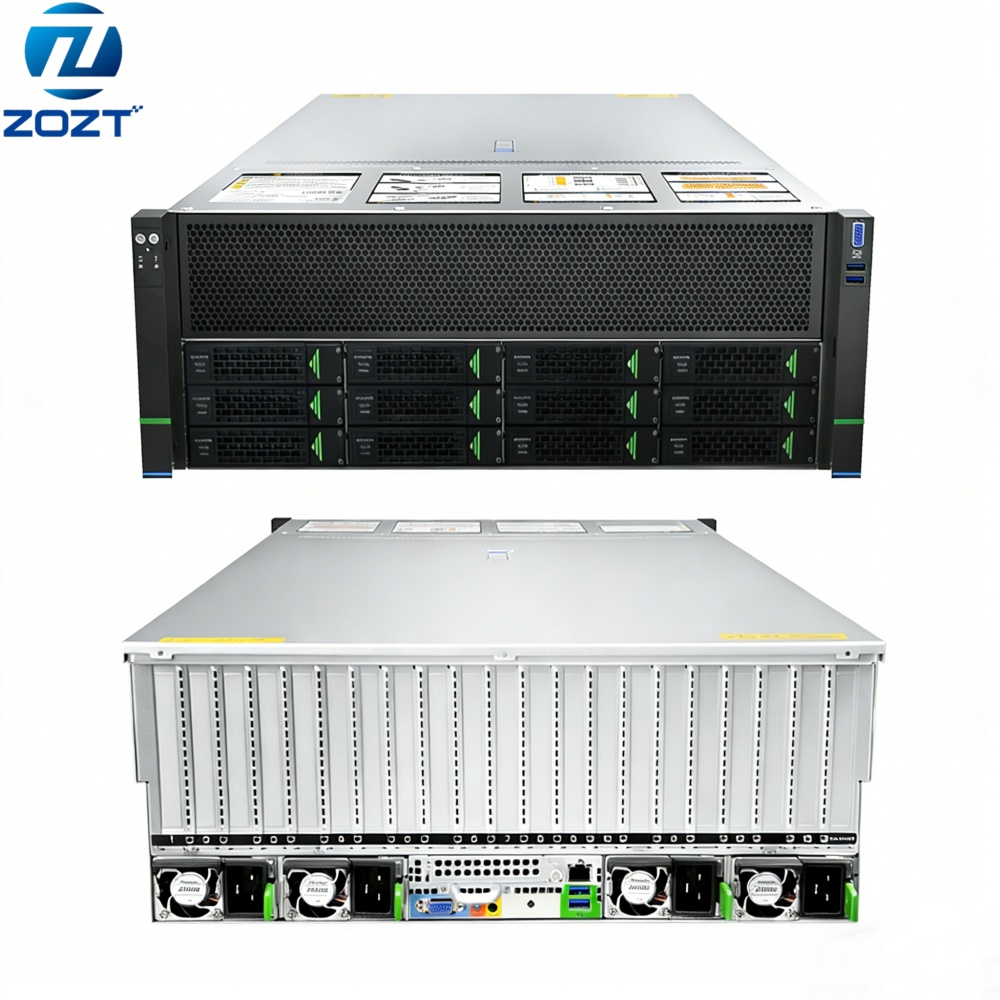
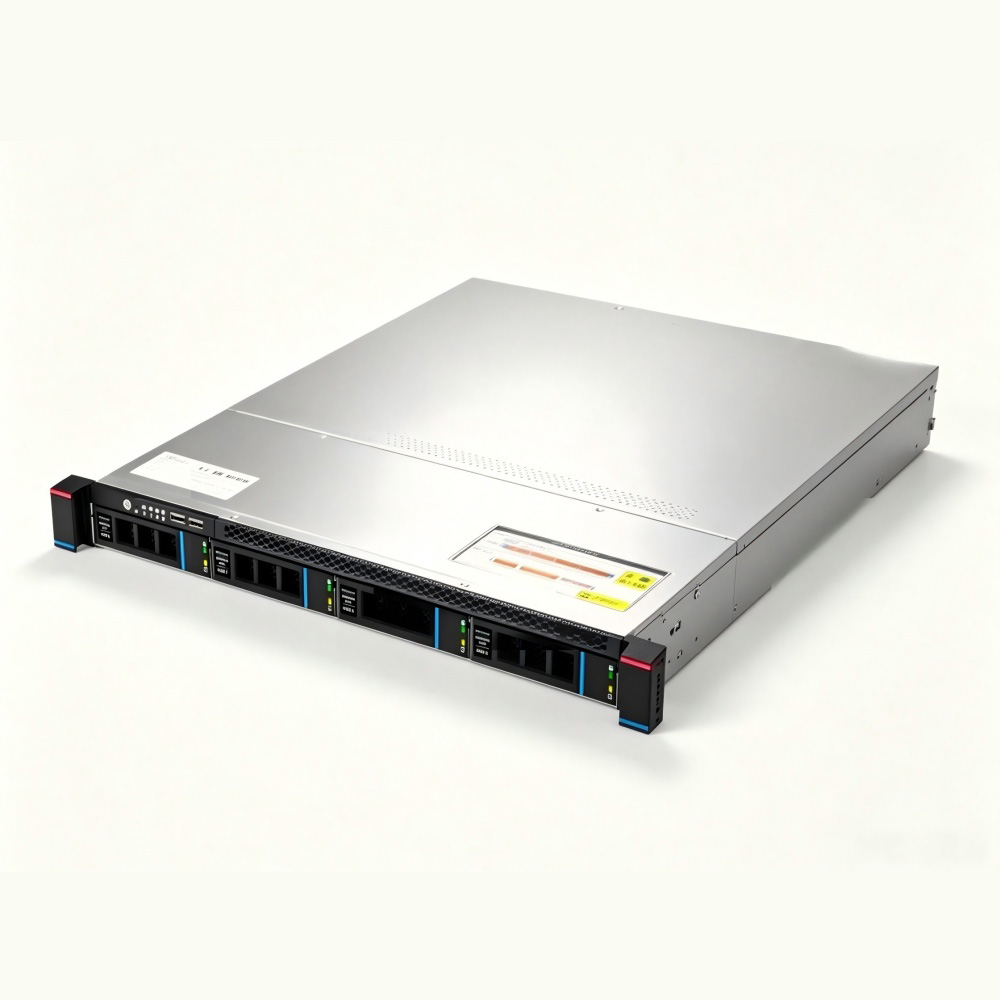
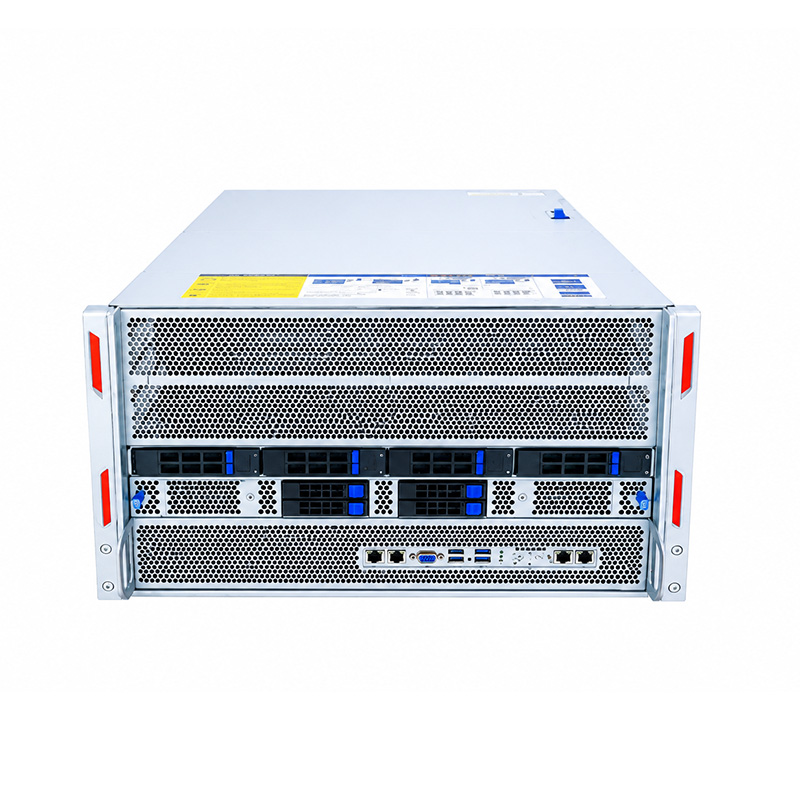
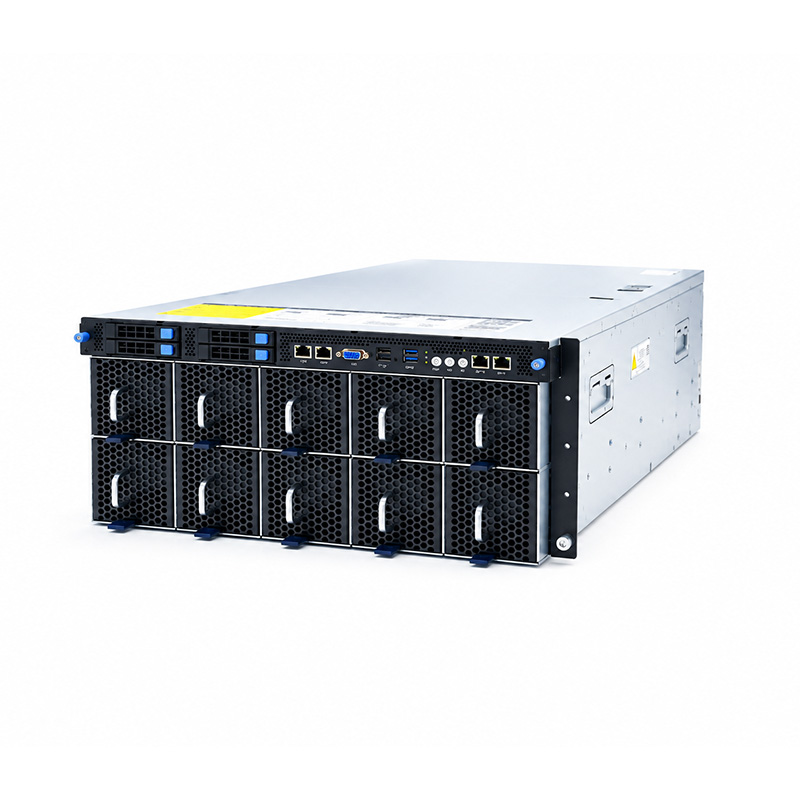
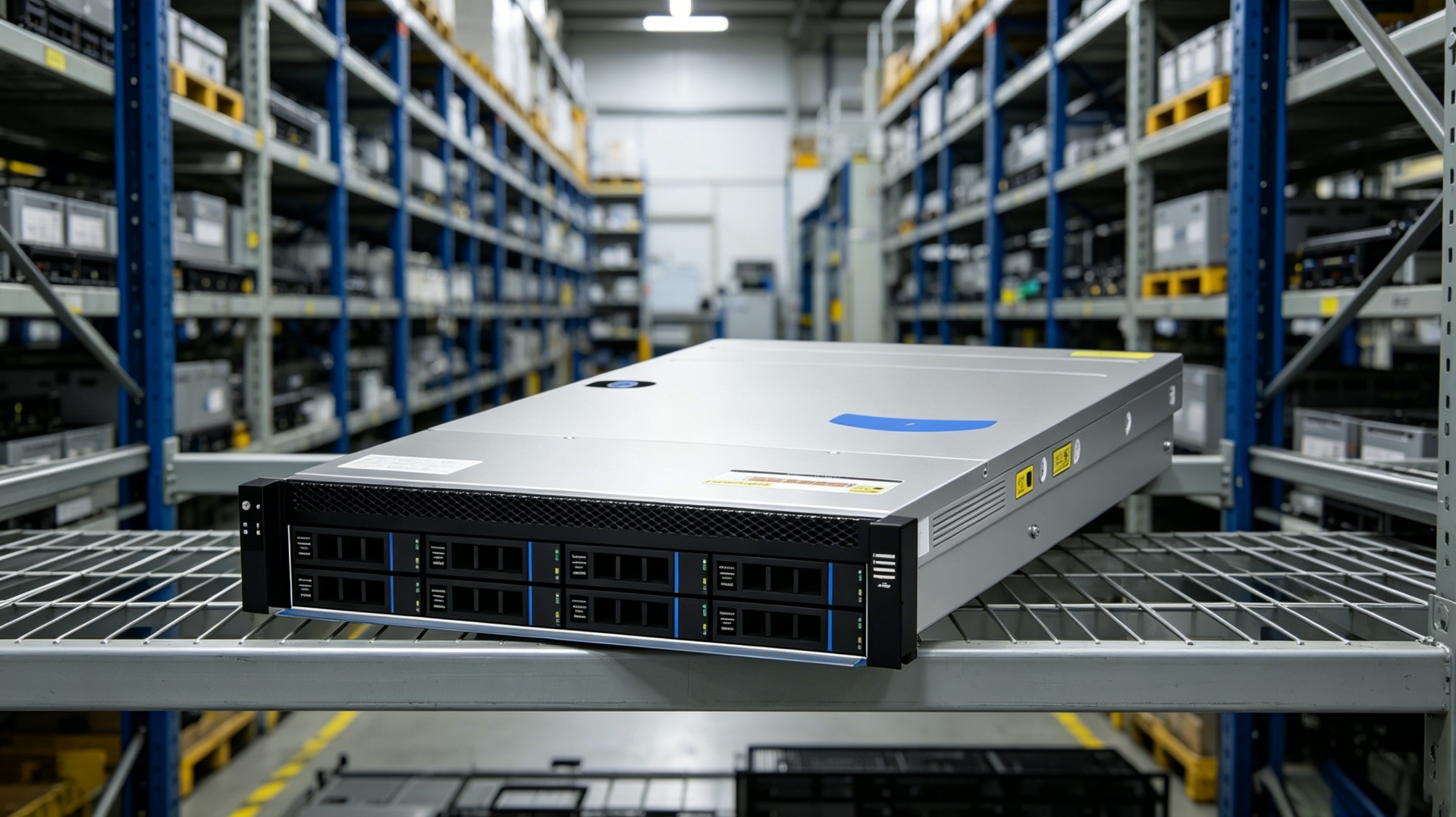
| Edge Inference Gateway | On-Premises Industrial Server | Camera Frame Capture, Pre-Processing, Object Detection (YOLOv8/v10) | 2U-8U Industrial Rackmount Servers, PCIe 4.0/5.0 GPU Rigs |
| Actuation & Control | Embedded Sub-system | PLC Triggering, Sorting Arm Actuation, Optical Alarm Display | Industrial PCs, Isolated CAN bus, Modbus TCP Interfaces |
Deploying edge AI vision inference is no longer an experimental pursuit; it is a mission-critical imperative across diverse global verticals. When tied together with a lightweight cloud management node, enterprises achieve high reliability, strict data compliance, and operational resilience.
In microelectronics fabrication, silicon wafers and printed circuit board assemblies (PCBAs) must undergo real-time surface anomaly detection at sub-micron resolutions. Defect patterns such as bridging, tombstoning, and hairline cracks must be identified in single-digit milliseconds. High-density GPU rack servers execute custom convolutional networks (CNNs) directly interfacing with high-speed Area Scan cameras. Defect bounding boxes and confidence scores are logged locally, while lightweight metadata summaries are asynchronously pushed to the free cloud dashboard for yield-rate aggregation and statistical process control (SPC).
Modern distribution warehouses rely on fleets of autonomous forklifts and automated guided vehicles (AGVs) navigating dynamic environments alongside human operators. Edge AI servers positioned at charging hubs and localized warehouse edge nodes run SLAM (Simultaneous Localization and Mapping) updates, 3D LiDAR point cloud semantic segmentation, and human pose estimation. The cloud layer, operating on zero-cost free cloud servers, performs fleet dispatching, path optimization scheduling, and global map synchronization without incurring substantial recurring overhead.
Edge inferencing boxes deployed in trackside or roadside cabinets ingest multi-spectral RTSP video feeds from traffic monitoring cameras. Deep learning models simultaneously process license plate recognition (ALPR), vehicle classification, pedestrian safety monitoring, and collision risk projection under adverse weather conditions. Critical telemetry is pushed to city municipal cloud backbones via secure MQTT over TLS, ensuring privacy compliance because raw biometric video streams never leave the physical edge perimeter.
In surgical suites and clinical pathology labs, latency and patient privacy laws (HIPAA/GDPR) preclude the continuous streaming of diagnostic feeds over external networks. High-performance dual-socket edge servers run high-throughput volumetric segmentation on endoscopic feeds, MRI slices, and digital pathology slides in real time. The free cloud layer maintains compliance auditing logs, model provenance records, and license provisioning tokens while the confidential clinical data stays firmly behind hospital firewalls.
As the sector matures, several technological trajectories are reshaping how machine vision infrastructure is conceptualized and maintained:
Zhouzhen Intelligent Co., Ltd. is located in Shenzhen, China. We are a professional hardware solution manufacturer integrating independent R&D, production and global sales.
Our main products include rack servers, industrial control computers, mini PCs, network accessories and customized storage hardware. We provide one-stop OEM/ODM customization services covering hardware, software, complete machine testing and product certification.
Our equipment is widely applied in industries such as AI cloud computing, artificial intelligence, data centers, education, radio & television, and AI data inference.
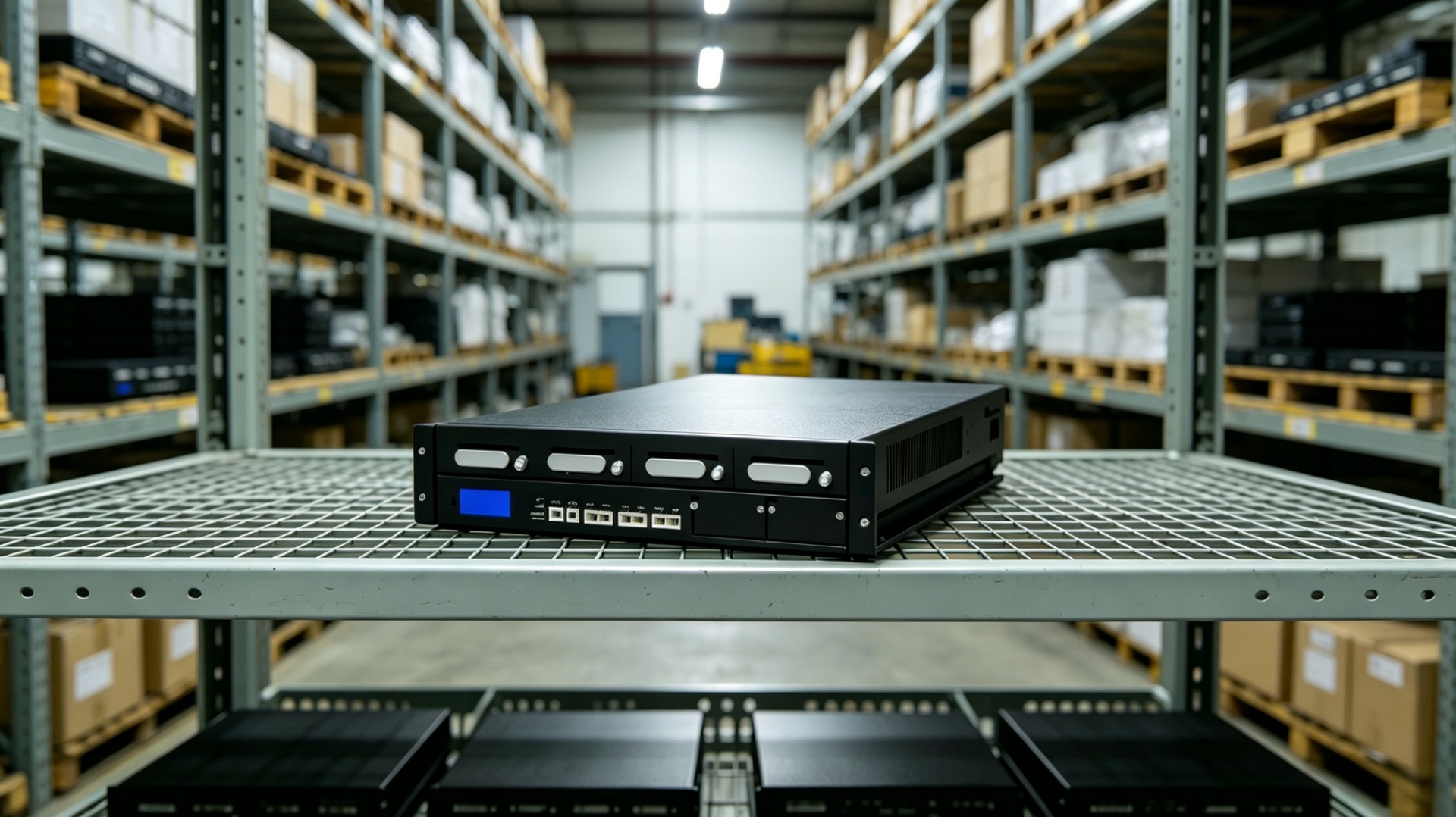
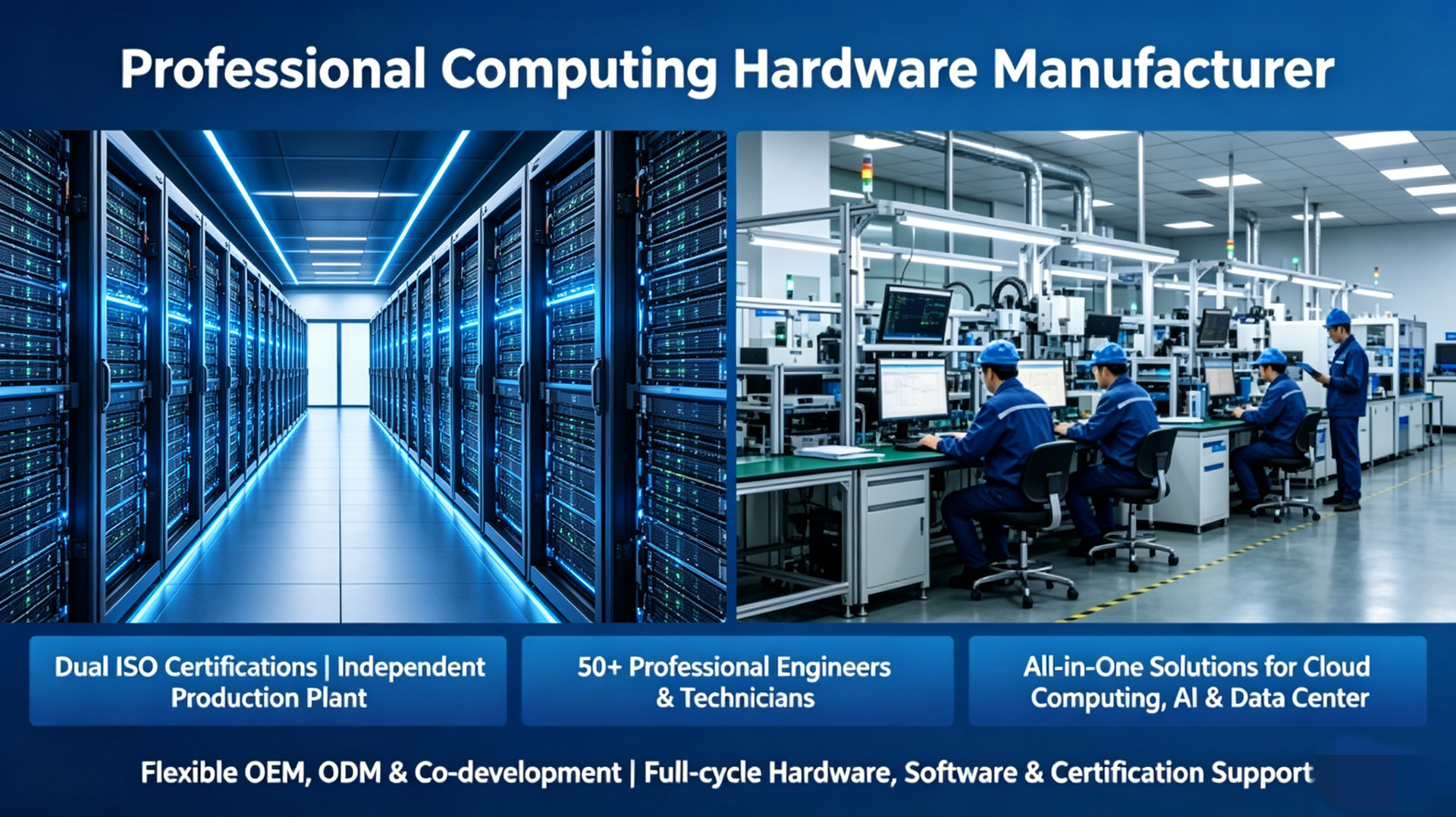
ZOZT (Zhouzhen Intelligent) is rooted in Shenzhen, the core city of China’s electronic industry, founded by a team of senior hardware engineers with a shared industry vision.
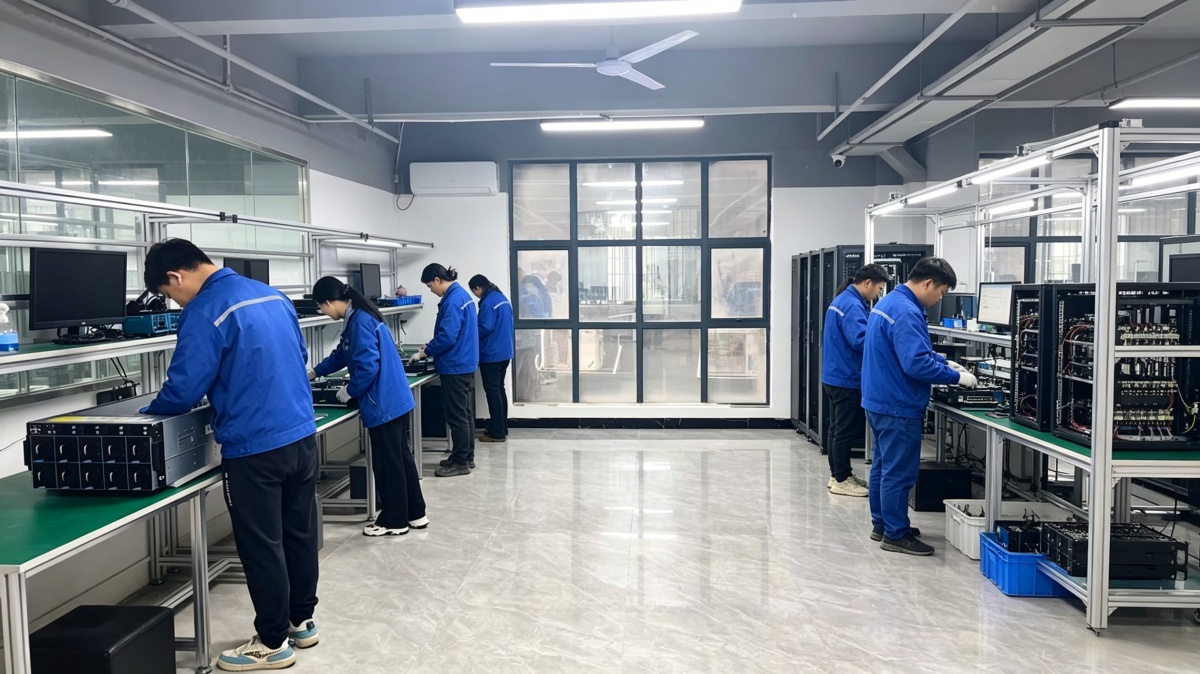
Driven by the continuously growing global demand for customized servers and industrial computer hardware, our team has built our own production factory, independent R&D laboratories and professional testing workshops.
Starting as a small professional R&D team focusing on data computing and storage hardware, we have gradually established a complete industrial chain covering sheet metal processing, finished product assembly and full-process quality inspection.
Our core mission is to provide global partners with durable, cost-effective customized hardware, together with comprehensive and transparent technical support services.
Our business has grown from small-batch customized sampling to long-term bulk cooperation with global system integrators. We keep optimizing our production procedures and personalized customization services year by year.
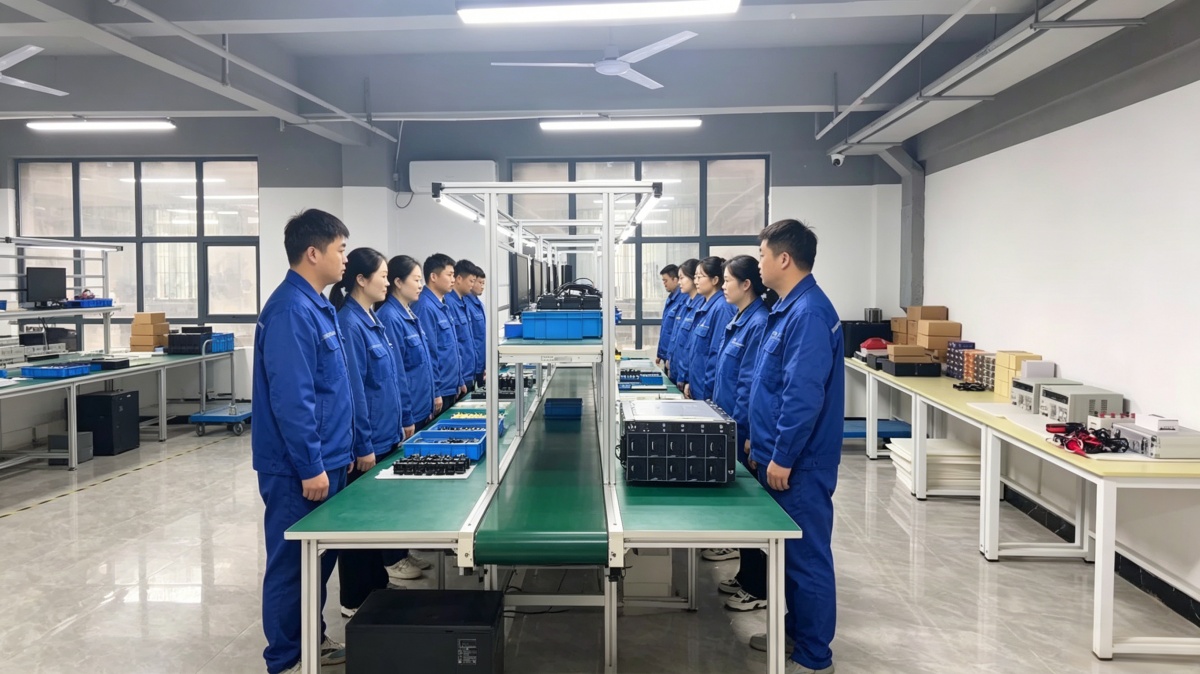
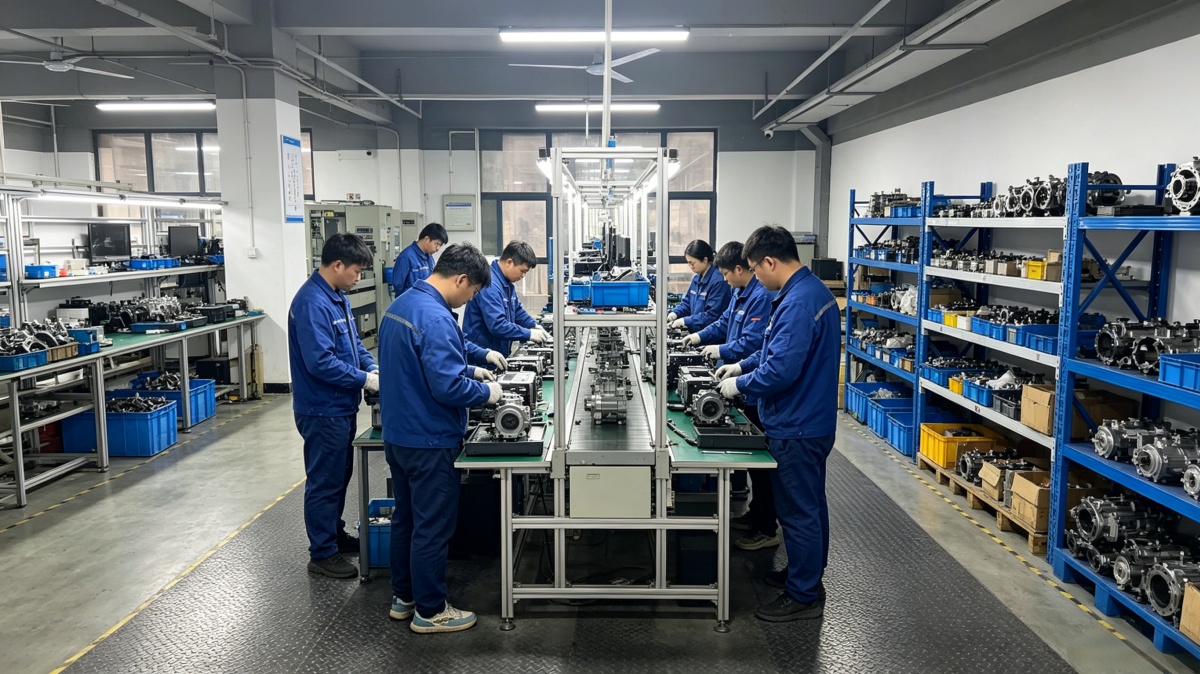
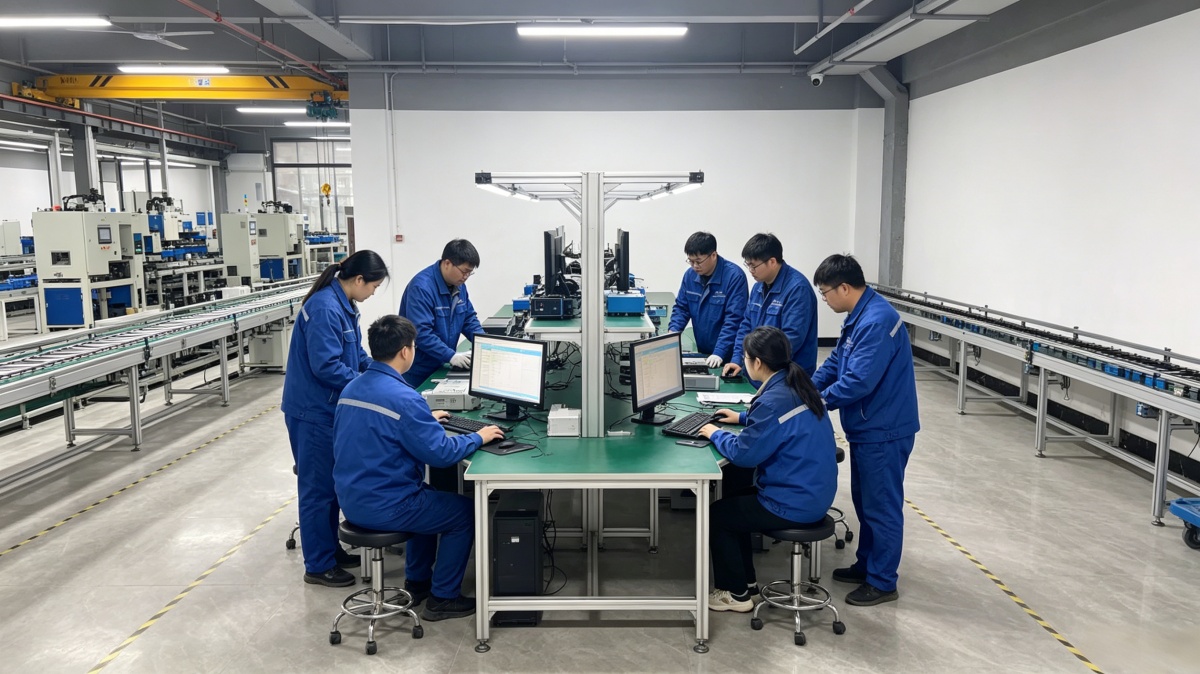
To become the most trustworthy one-stop manufacturer of customized industrial computing hardware for global commercial data scenarios.
We will continue to increase investment in R&D and quality control, continuously upgrade our full-process OEM/ODM customization capabilities, and deliver stable and efficient hardware solutions.
We aim to help global clients expand their business footprint in the fields of cloud storage, computing power operation, and cybersecurity.

Clear answers on how enterprises balance zero-cost cloud servers with high-performance physical hardware.
Typically, no. Free cloud server instances offer shared vCPUs and minimal RAM (often without dedicated high-compute GPUs), which cannot sustain multi-camera video decoding at 30-120 FPS. The recommended industrial best practice is using the free cloud tier as the control plane (CI/CD, model distribution, telemetry metrics, and API orchestration) while offloading the actual compute-intensive deep learning inferencing onto dedicated on-premises rack servers such as ZOZT's multi-GPU platforms.
NVIDIA TensorRT, ONNX Runtime, OpenVINO, and PyTorch C++ (LibTorch) are widely utilized. Deploying models quantized to FP16 or INT8 formats delivers optimal throughput and drastically minimizes tensor engine latency on physical rack hardware.
ZOZT provides full turnkey hardware manufacturing: from customized chassis sheet metal fabrication, PCB backplane design, redundant power integration (such as 4+1 modules), thermal acoustic simulation, customized BIOS firmware flashing, to CE/FCC/RoHS certification and drop-shipping support worldwide.
Edge clusters typically leverage dual 10GbE SFP+ optical ports for local low-latency camera ingestion, alongside dedicated Gigabit RJ45 management ports utilizing WireGuard, IPSec, or MQTT over TLS to maintain continuous, secure communication with remote cloud nodes.
Certified carrier-grade GPU computing platforms, rackmount servers, and high-density storage chassis ready for edge inference integration.