Leave Your Message
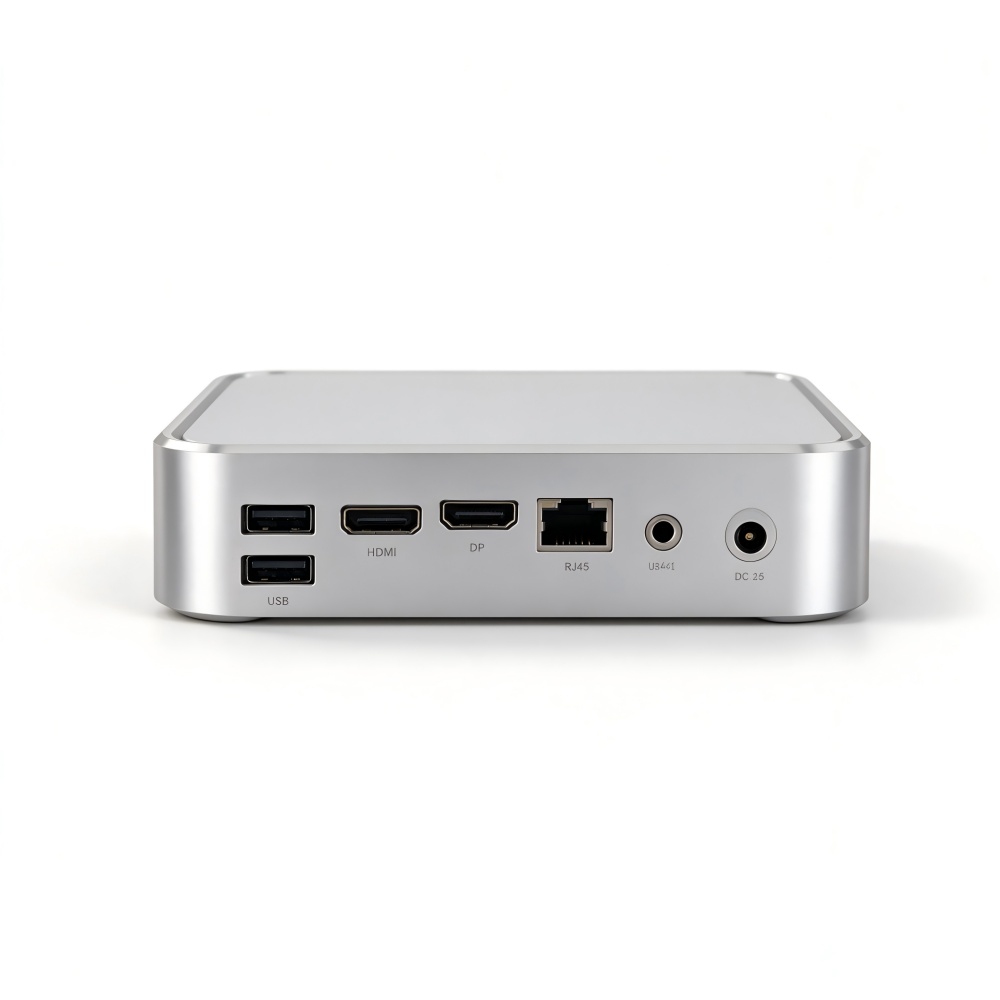
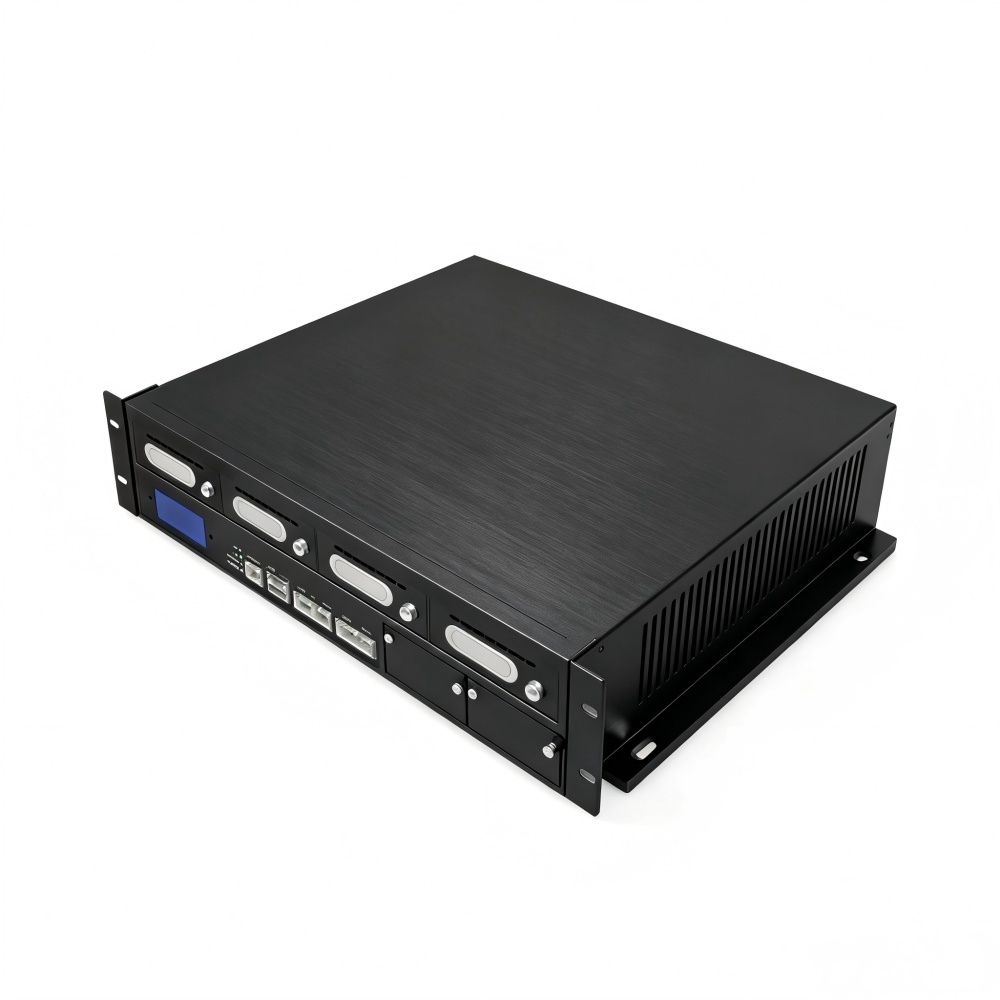
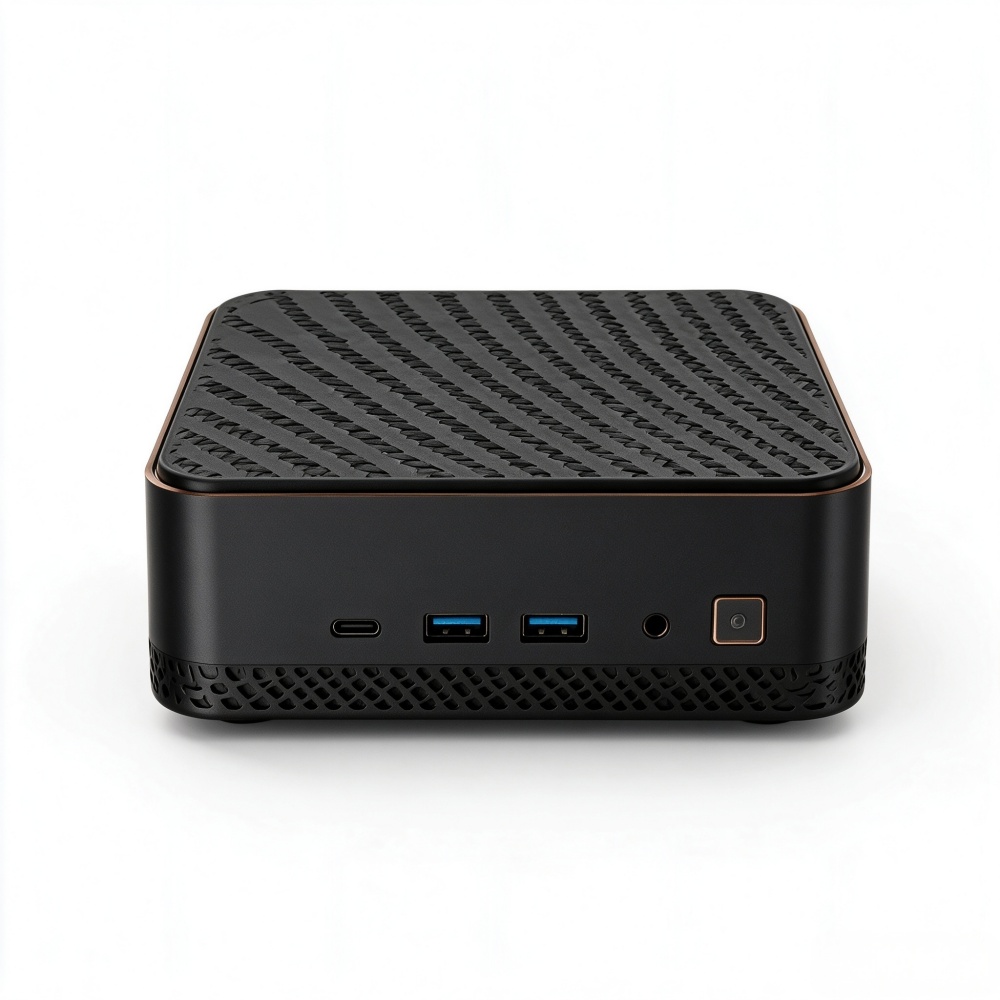
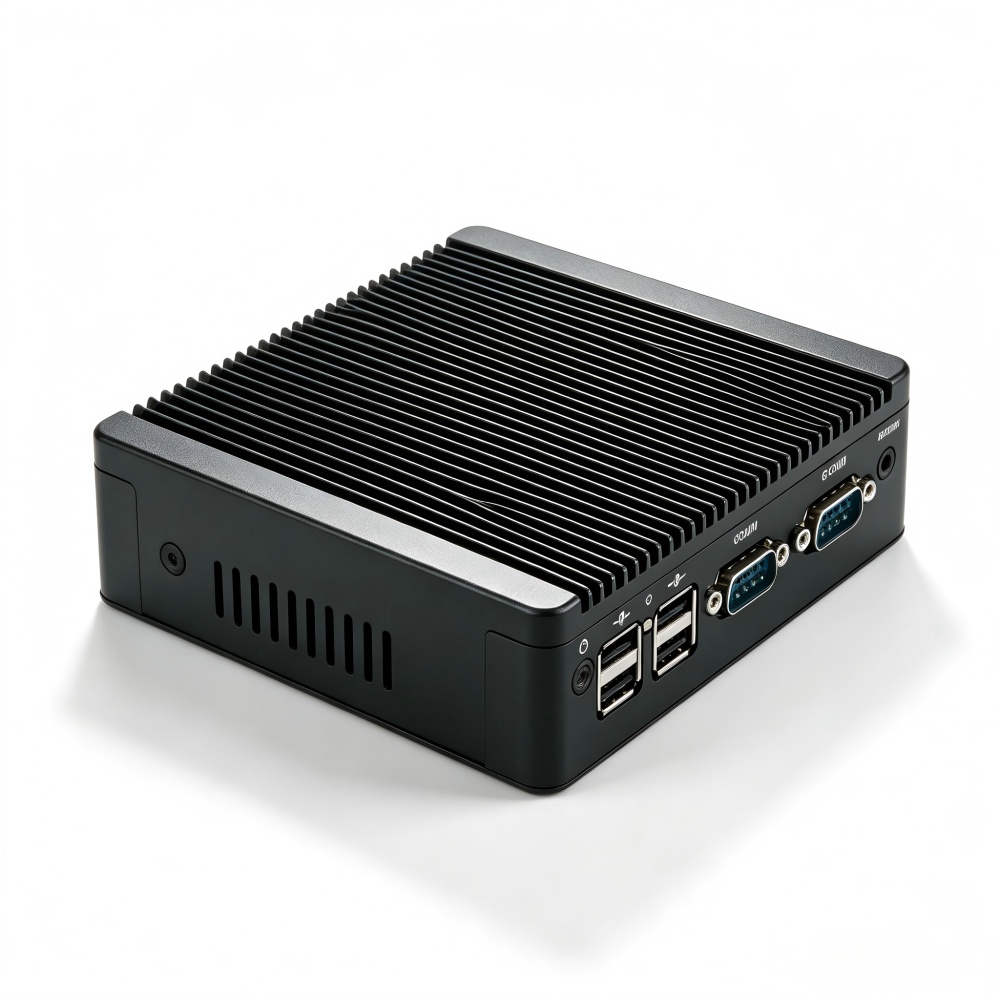
The industrial landscape is undergoing a massive paradigm shift. Historically dominated by power-hungry legacy x86 architectures, modern factories are increasingly turning to ARM-based mini PCs to run their automated production lines, data aggregation schemes, and smart factory control systems. This transition is driven by the urgent industrial demand for energy-efficient, highly reliable, and compact computing units that can operate 24/7 in harsh, unventilated environments.
ARM architecture, celebrated for its RISC (Reduced Instruction Set Computer) design, provides an exceptional performance-per-watt ratio. In an era where carbon footprint reduction and operational cost efficiency are major KPIs, deploying hundreds of low-power ARM nodes instead of high-thermal x86 systems leads to massive energy savings. Furthermore, the low heat dissipation of ARM processors allows for genuinely fanless hardware designs, eliminating the single most common failure point in industrial environments: the cooling fan.
Industrial applications demand longevity, stability, and ruggedness. ARM-based solutions excel in these domains by offering:
The deployment of ARM-based mini PCs goes far beyond simple data logging. Today, these compact systems act as the brain of decentralized factory ecosystems. Below, we explore the primary application scenarios where ARM computing is driving true industrial evolution.
In modern smart factories, machinery on the production floor speaks a multitude of protocols (Modbus, Profinet, EtherCAT). ARM-based mini PCs act as intelligent Industrial IoT (IIoT) gateways. They collect data from various PLCs and sensors, perform local filtering and aggregation at the edge, and securely transmit the clean data to cloud-based ERP systems via MQTT or OPC UA. This drastically reduces bandwidth consumption and ensures data integrity.
By leveraging integrated Neural Processing Units (NPUs) found in modern ARM chips like the RK3568, mini PCs are now capable of executing real-time machine vision tasks. Installed alongside high-speed cameras on assembly lines, they scan products for microscopic defects, verify labels, and perform optical character recognition (OCR) without needing a constant connection to a central server.
Human-Machine Interfaces (HMIs) require responsive, highly reliable, and visually rich displays. ARM-based mini computers with dual or triple display outputs (HDMI/DP) power high-definition interactive dashboards. Supporting touch interfaces and operating under Linux or Android 14, they allow machine operators to monitor telemetry, adjust parameters, and visualize real-time diagnostics smoothly.
Autonomous Mobile Robots (AMRs) and Automated Guided Vehicles (AGVs) require onboard computers that are lightweight, vibration-resistant, and highly power-efficient to maximize battery life. ARM mini PCs handle complex sensor fusion algorithms, localized SLAM (Simultaneous Localization and Mapping), and motion control commands, allowing robots to navigate complex factory floors seamlessly.
The global market for industrial computing is moving rapidly toward decentralized, intelligent edge nodes. Industry analysts predict that by 2030, over 60% of all new edge deployments on factory floors will be built on ARM-based architectures. This trend is accelerated by the rise of 5G connectivity, which allows ARM-based edge devices to communicate with ultra-low latency, enabling real-time collaborative robotics and cloud-synchronized production lines.
Another major trend is the convergence of AI and IoT (AIoT). As silicon manufacturers embed increasingly powerful NPUs into low-cost, low-power ARM SoCs, predictive maintenance is becoming standard. ARM-based mini PCs can analyze vibration, temperature, and acoustic signatures from heavy machinery in real-time, predicting failures before they occur and preventing costly unplanned downtime.
Zhouzhen Intelligent Co., Ltd. is located in Shenzhen, China. We are a professional hardware solution manufacturer integrating independent R&D, production and global sales.
Our main products include rack servers, industrial control computers, mini PCs, network accessories and customized storage hardware. We provide one-stop OEM/ODM customization services covering hardware, software, complete machine testing and product certification.
Our equipment is widely applied in industries such as AI cloud computing, artificial intelligence, data centers, education, radio & television, and AI data inference.
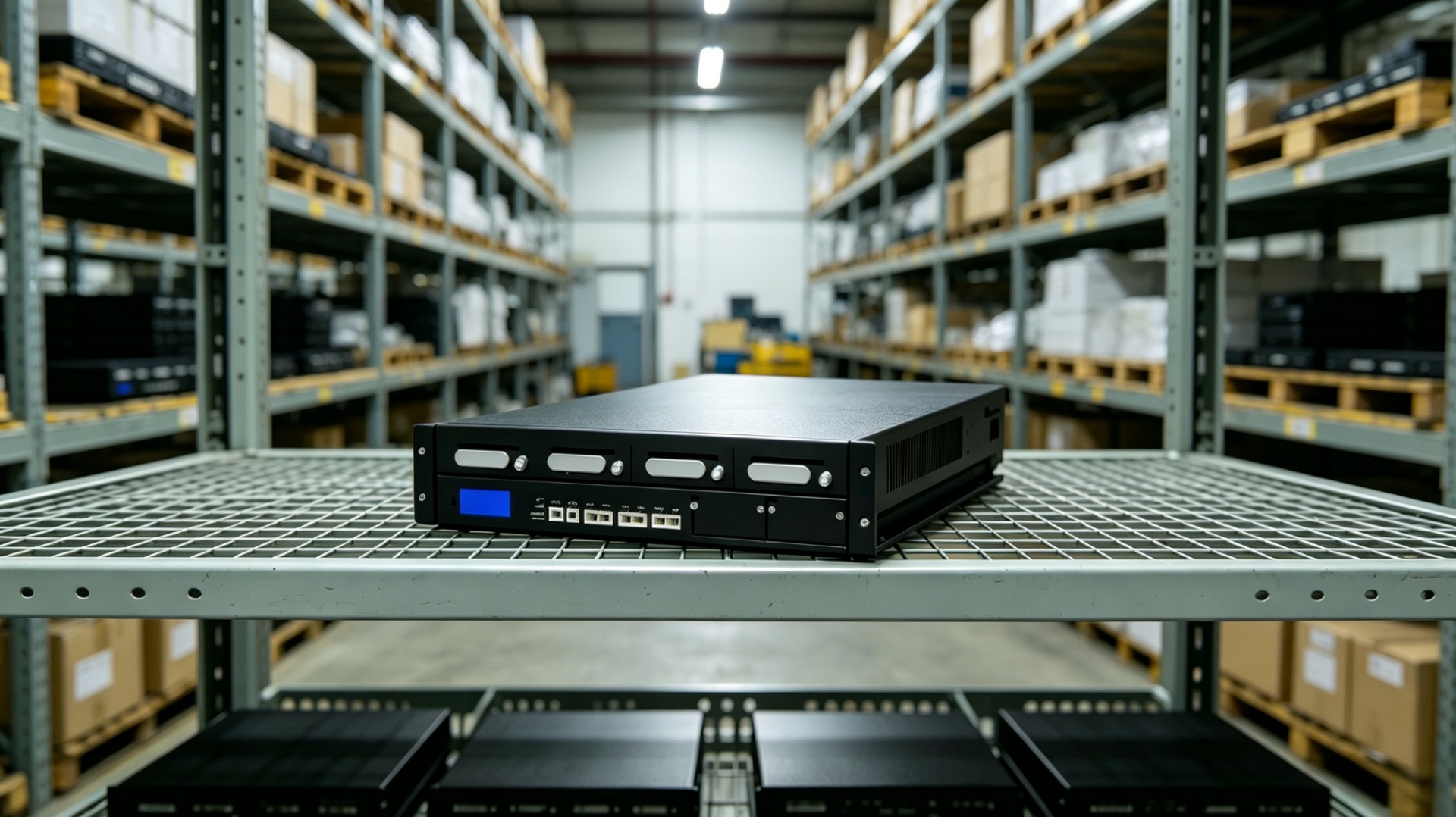
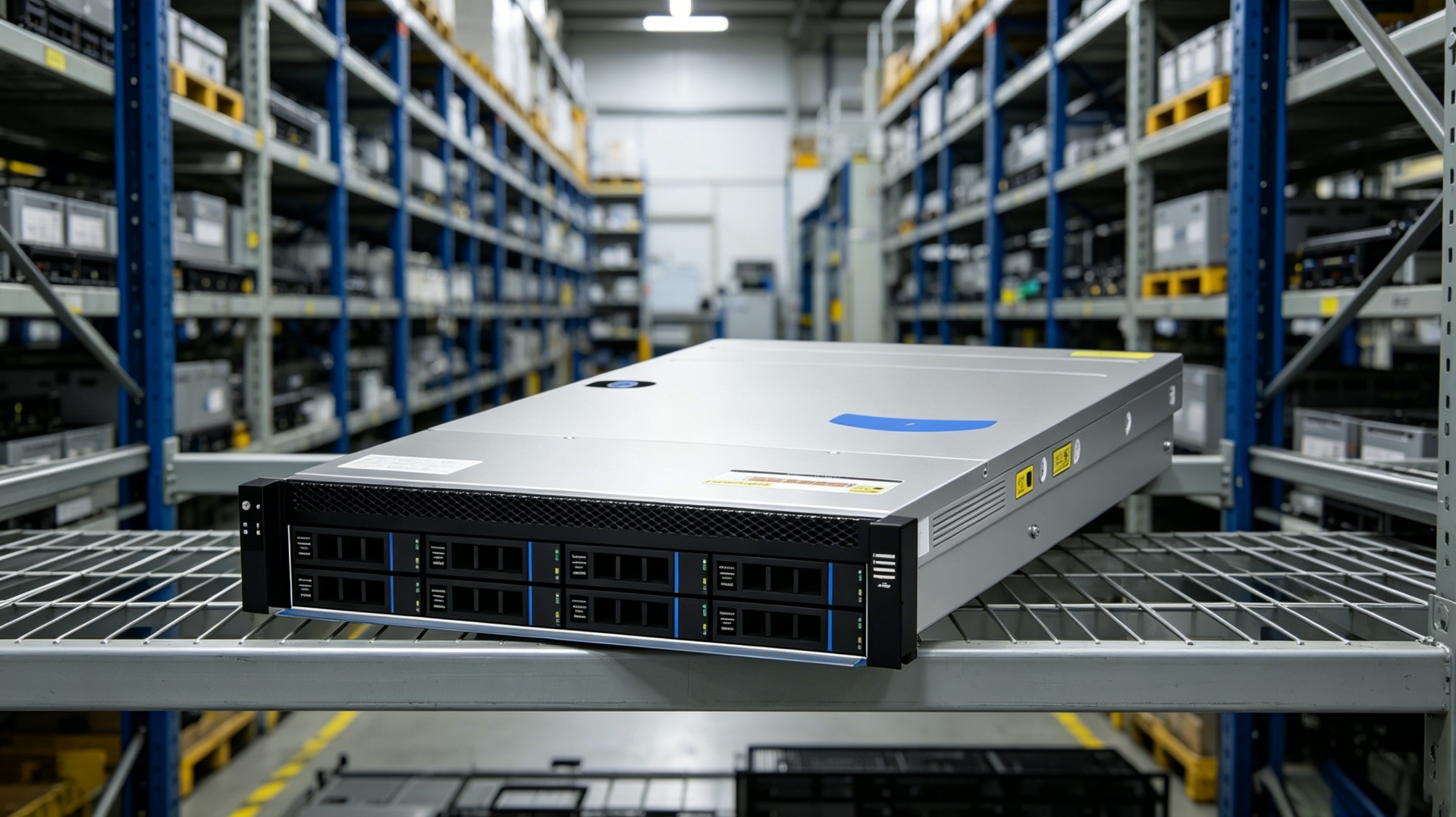
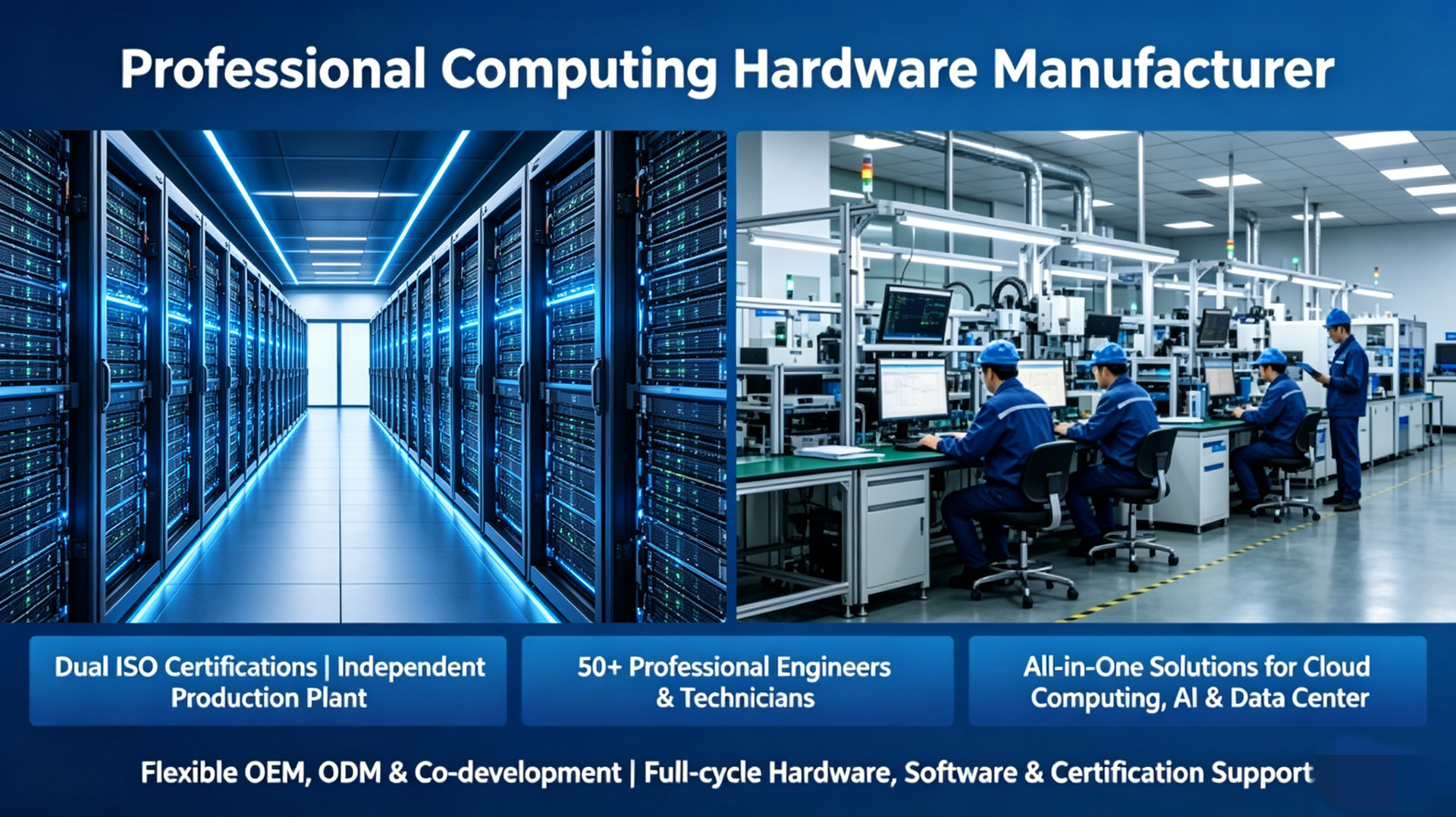
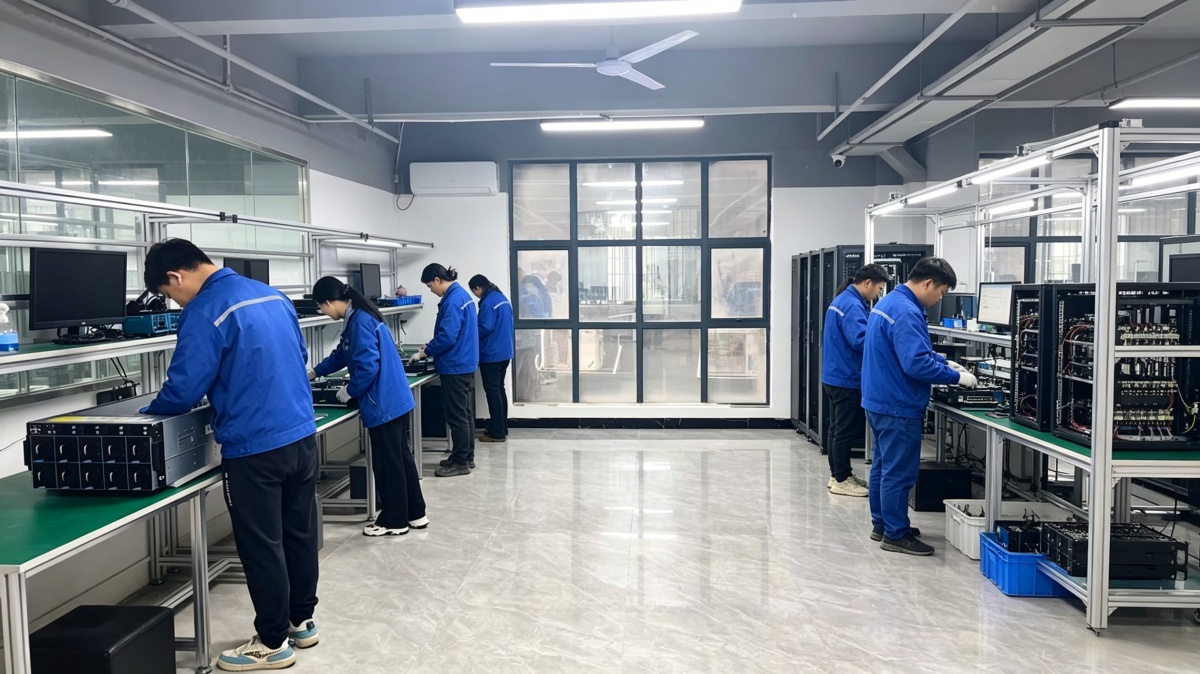
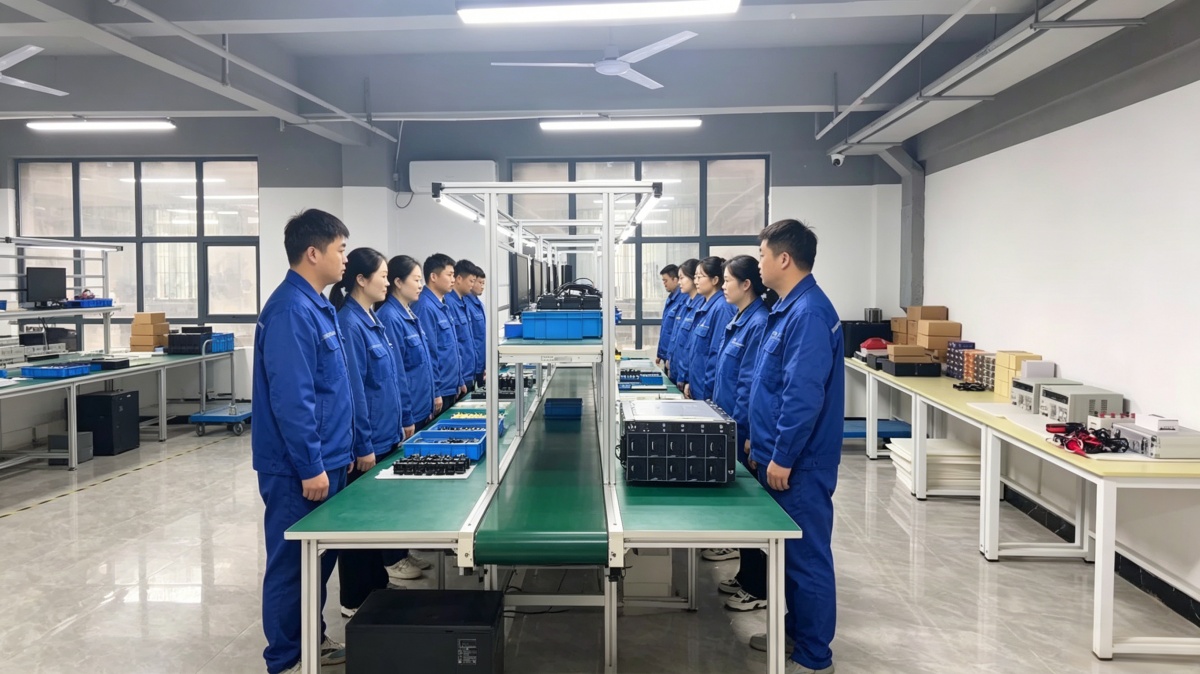
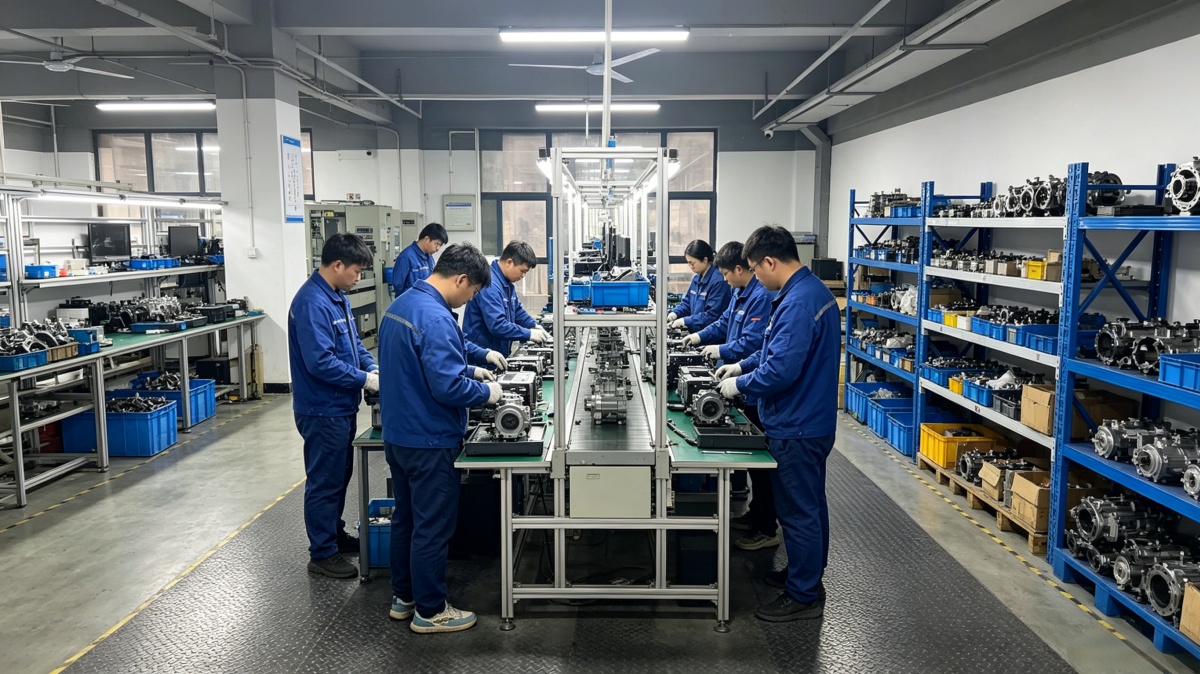
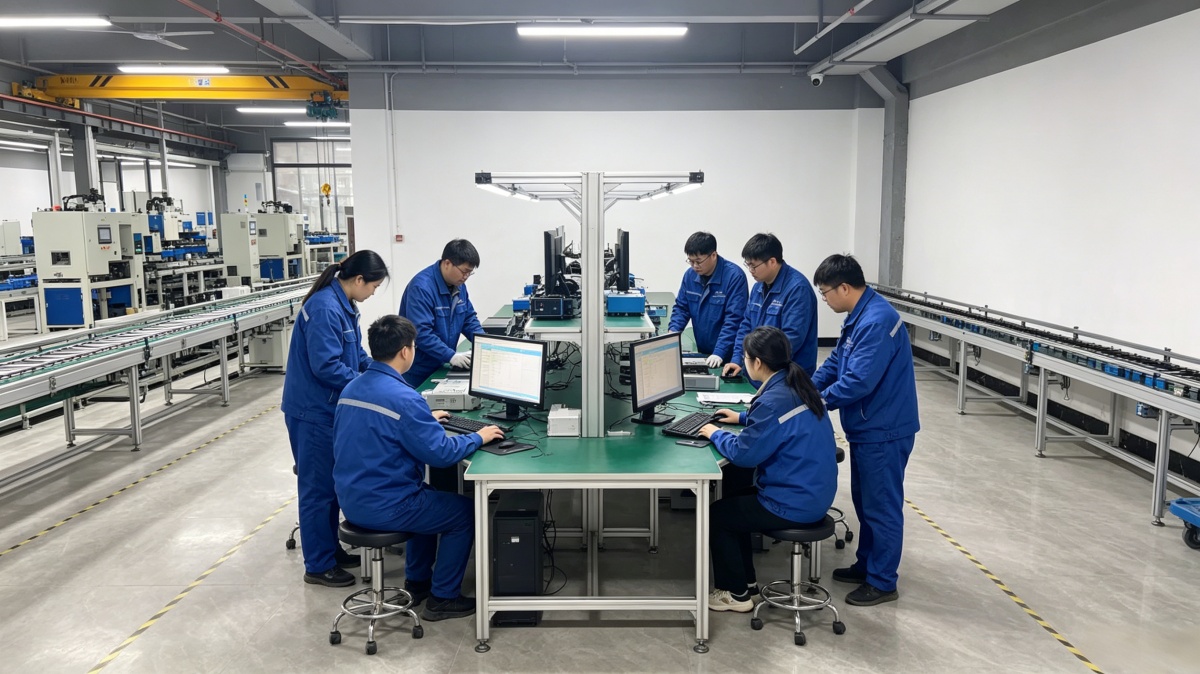
ZOZT (Zhouzhen Intelligent) is rooted in Shenzhen, the core city of China’s electronic industry, founded by a team of senior hardware engineers with a shared industry vision. Driven by the continuously growing global demand for customized servers and industrial computer hardware, our team has built our own production factory, independent R&D laboratories and professional testing workshops.
Starting as a small professional R&D team focusing on data computing and storage hardware, we have gradually established a complete industrial chain covering sheet metal processing, finished product assembly and full-process quality inspection. Our core mission is to provide global partners with durable, cost-effective customized hardware, together with comprehensive and transparent technical support services. Our business has grown from small-batch customized sampling to long-term bulk cooperation with global system integrators. We keep optimizing our production procedures and personalized customization services year by year.
"To become the most trustworthy one-stop manufacturer of customized industrial computing hardware for global commercial data scenarios. We will continue to increase investment in R&D and quality control, continuously upgrade our full-process OEM/ODM customization capabilities, and deliver stable and efficient hardware solutions. We aim to help global clients expand their business footprint in the fields of cloud storage, computing power operation, and cybersecurity."