Leave Your Message
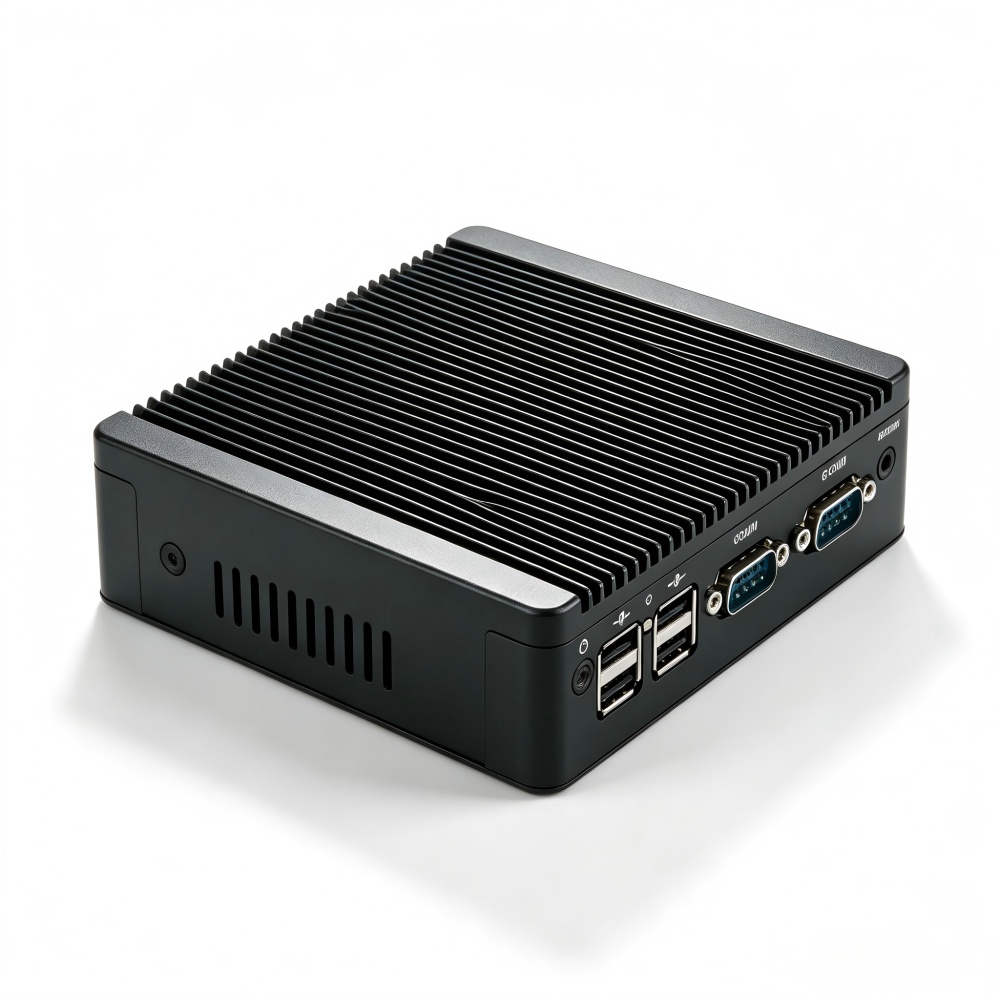
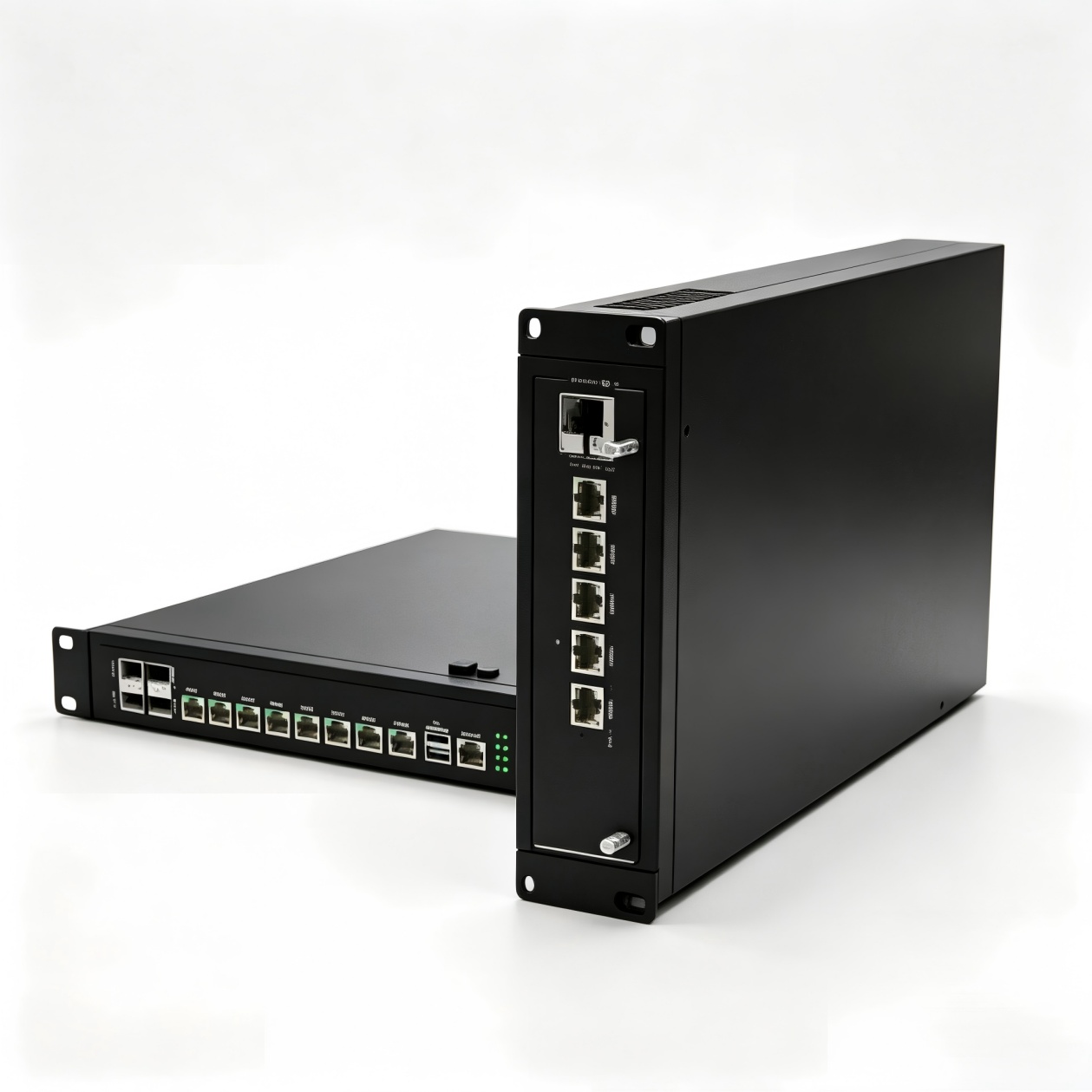
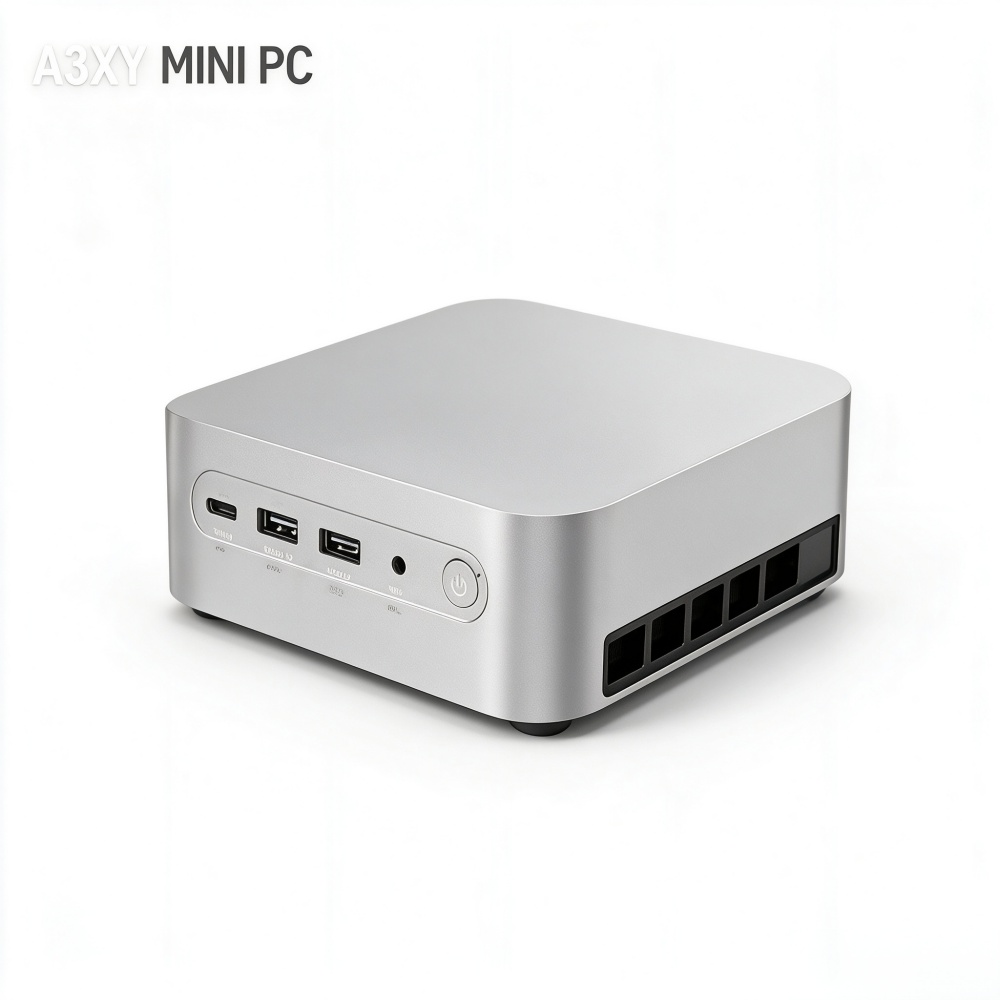
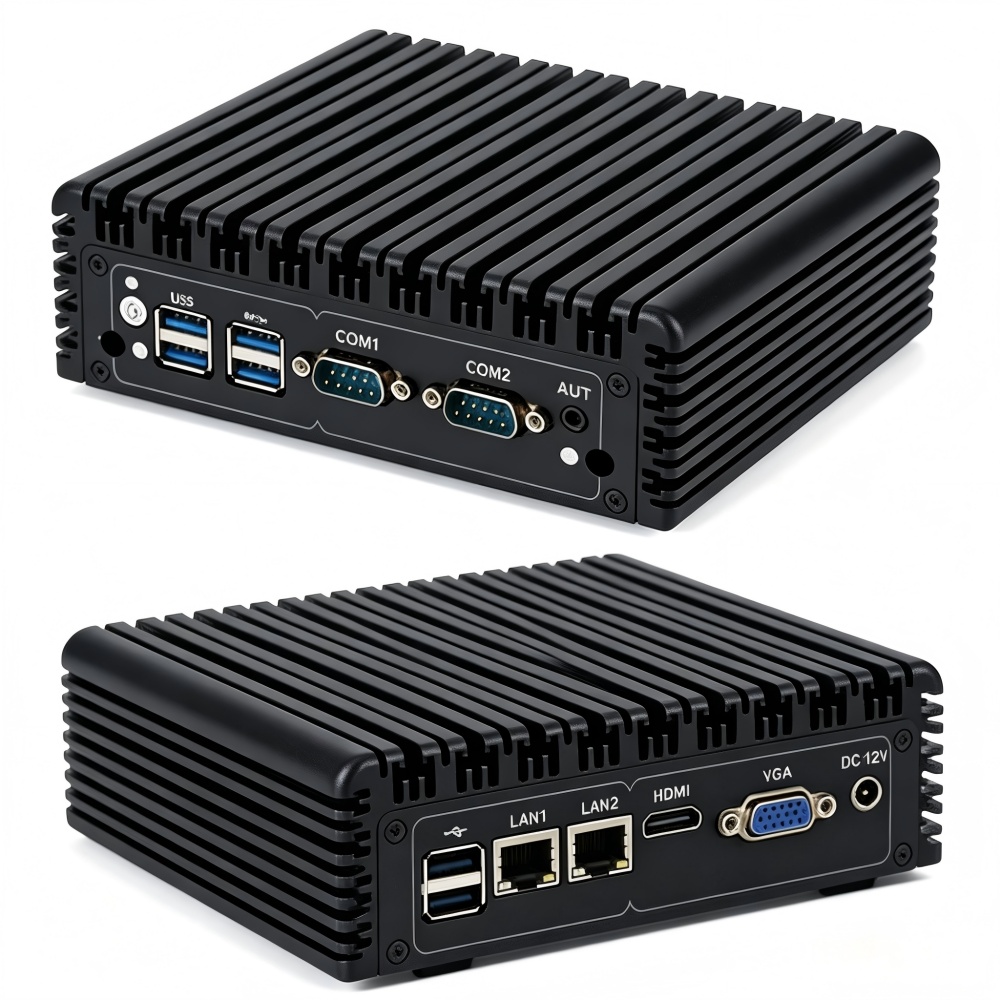
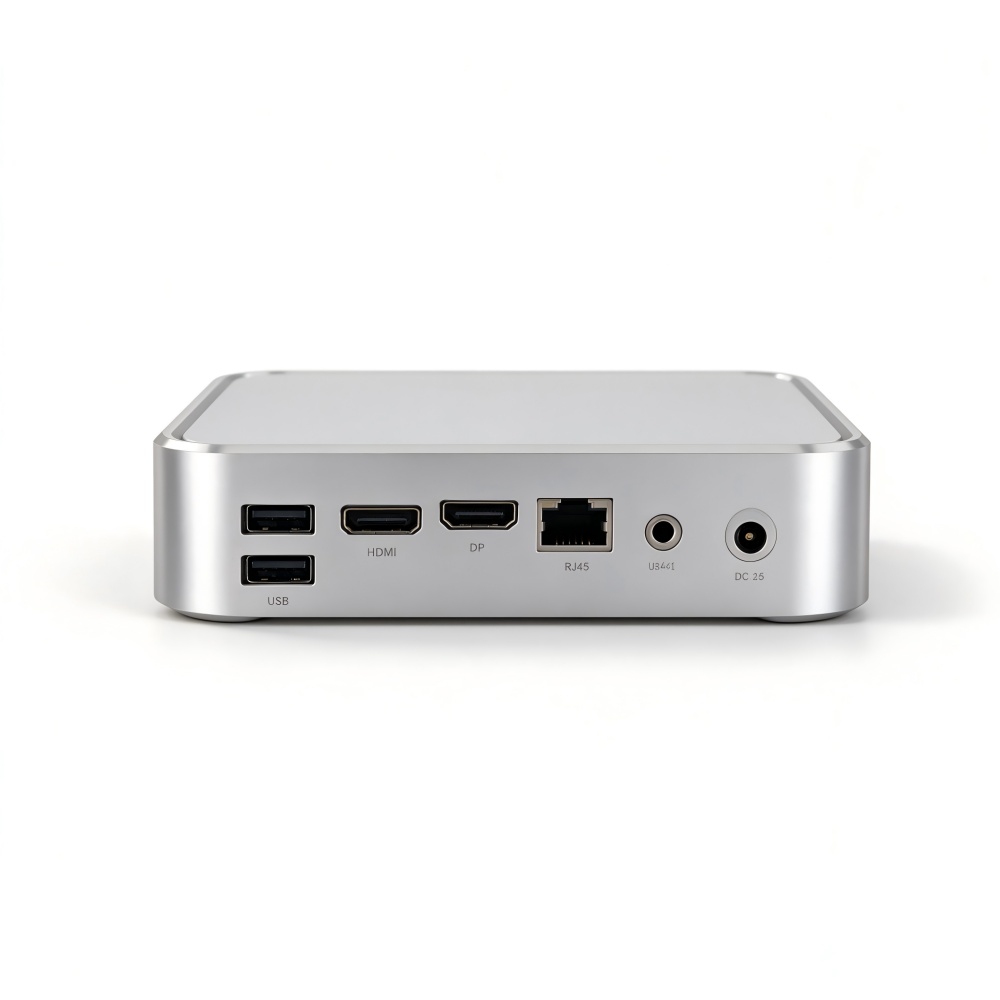
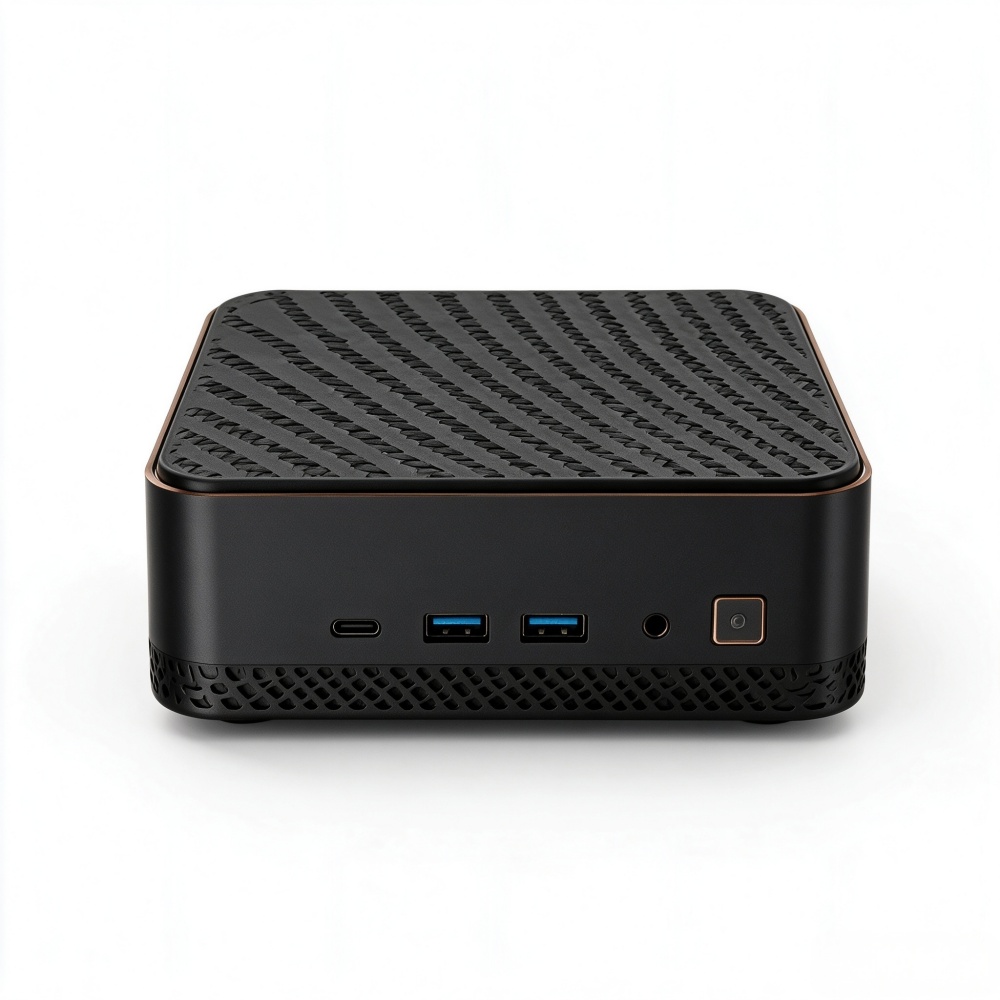
The global industrial computing ecosystem is undergoing a seismic transformation. As real-time data processing becomes mandatory for modern smart factories, autonomous robotics, and intelligent visual surveillance, legacy cloud-centric computing models are proving inadequate. High latency, massive bandwidth costs, network volatility, and stringent data privacy regulations have accelerated the adoption of Edge AI Data Inference. At the forefront of this revolution is the Arm-Based Mini PC, a compact yet robust computing engine engineered specifically to process complex deep learning models directly at the data source.
Unlike conventional x86 legacy architectures that consume significant power and generate substantial thermal energy, modern Arm-based Reduced Instruction Set Computer (RISC) architectures offer unprecedented power efficiency (Performance-per-Watt). By seamlessly integrating Multi-Core CPUs, high-throughput Neural Processing Units (NPUs), and dedicated Graphics Processing Units (GPUs) onto a unified System-on-Chip (SoC), Arm-based Mini PCs provide the precise computational density required to run modern deep neural networks (DNNs)—such as YOLOv8 for object detection, ResNet for image classification, and MobileNet for embedded vision—right at the physical edge.
Integrated hardware AI accelerators providing 2.4 TOPS up to 32 TOPS of INT8 computational performance for microsecond-level model inference.
Operating within 5W to 25W envelope, allowing 100% fanless, fully sealed industrial enclosures resistant to dust, vibration, and harsh thermal environments.
Direct MIPI-CSI, GigE Vision, and USB3.0 video ingress enabling real-time frame capture, hardware decoding, and instant inference processing.
The global market for Edge AI hardware is expanding at an exponential CAGR exceeding 26%. This surge is driven by the urgent commercial demand across discrete manufacturing, automotive assembly, logistics automation, and smart retail infrastructure. Traditional industrial controllers are no longer sufficient; enterprise operators require localized data intelligence capable of making autonomous, split-second decisions without reliance on remote cloud infrastructure.
In commercial deployments, Arm-based Mini PCs have disrupted the market by offering enterprise-class software stack compatibility—including Linux Ubuntu, Debian, Android 14, Yocto, OpenVINO, and TensorRT export frameworks. This software maturation enables AI engineers to train complex deep learning algorithms in cloud clusters (AWS, Azure, or private server arrays) and effortlessly deploy optimized, quantized models onto Arm edge platforms using ONNX Runtime or ARM NN.
In high-speed production lines—such as SMT electronics assembly, beverage bottling, or semiconductor packaging—inspecting thousands of items per minute requires instantaneous visual analysis. Arm-based Mini PCs connected to industrial GigE or MIPI cameras capture high-frame-rate images, perform image preprocessing, and execute convolutional neural network (CNN) inference in under 10 milliseconds. Defective components are immediately flagged and ejected via GPIO control, preventing downstream yield loss.
Modern automated warehouses rely on AGVs and AMRs for material handling. Arm-based Mini PCs serve as the central brain, executing Simultaneous Localization and Mapping (SLAM) algorithms while processing 3D LiDAR, ultrasonic sensor data, and stereo vision feeds. The low power consumption of Arm platforms preserves precious battery capacity, enabling longer vehicle operating shifts without thermal throttling inside compact chassis enclosures.
Deployed inside roadside control cabinets, Arm Mini PCs process multi-channel IP camera streams to perform License Plate Recognition (LPR), traffic density calculation, pedestrian collision avoidance, and vehicle classification. By processing heavy video analytics locally at the intersection, smart city operators save up to 95% of bandwidth costs compared to streaming raw HD video to central servers.
Next-generation retail spaces utilize edge video analytics to track customer foot traffic heatmaps, monitor shelf stock levels, and power self-checkout vision recognition systems. Arm Mini PCs running lightweight Linux or Android environments offer silent, discreet operational capabilities inside store fixtures while protecting customer privacy by analyzing video streams locally and discarding raw video data.
Zhouzhen Intelligent Co., Ltd. is located in Shenzhen, China. We are a professional hardware solution manufacturer integrating independent R&D, production and global sales.
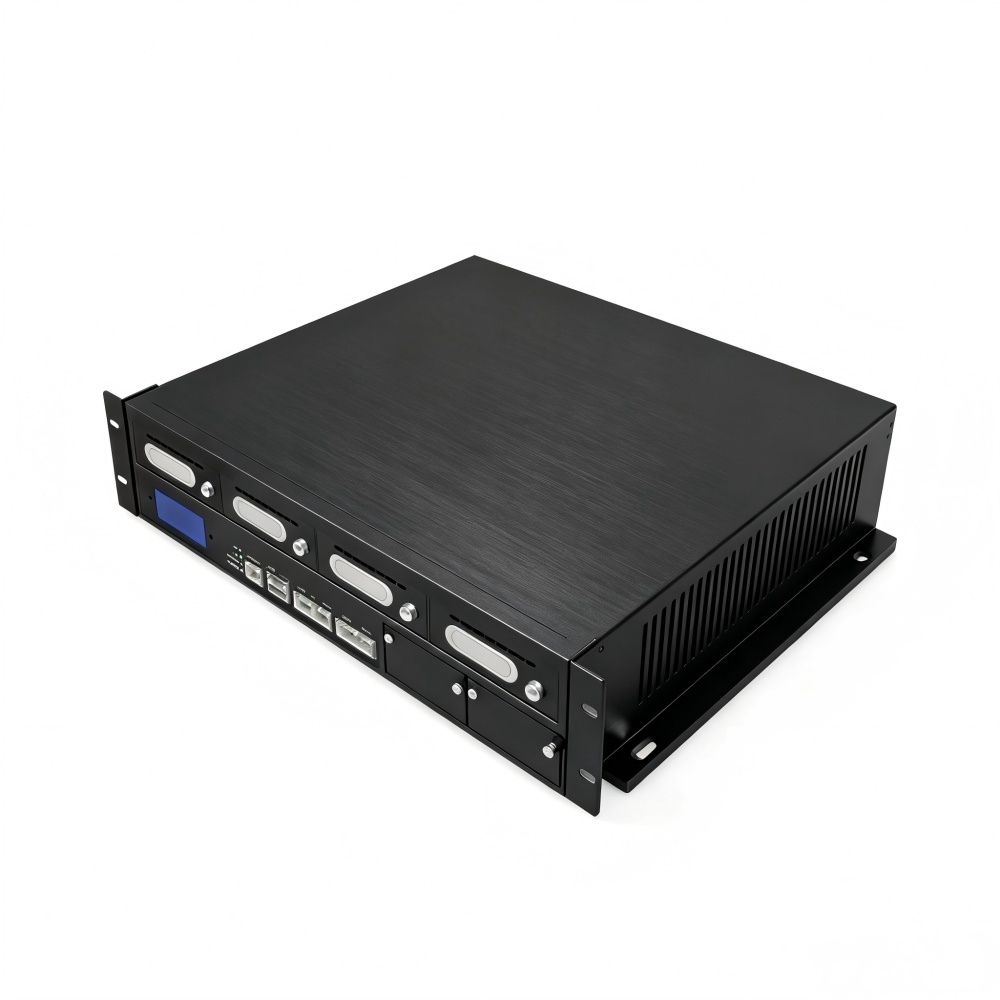
Our main products include rack servers, industrial control computers, mini PCs, network accessories and customized storage hardware. We provide one-stop OEM/ODM customization services covering hardware, software, complete machine testing and product certification.
Our equipment is widely applied in industries such as AI cloud computing, artificial intelligence, data centers, education, radio & television, and AI data inference.
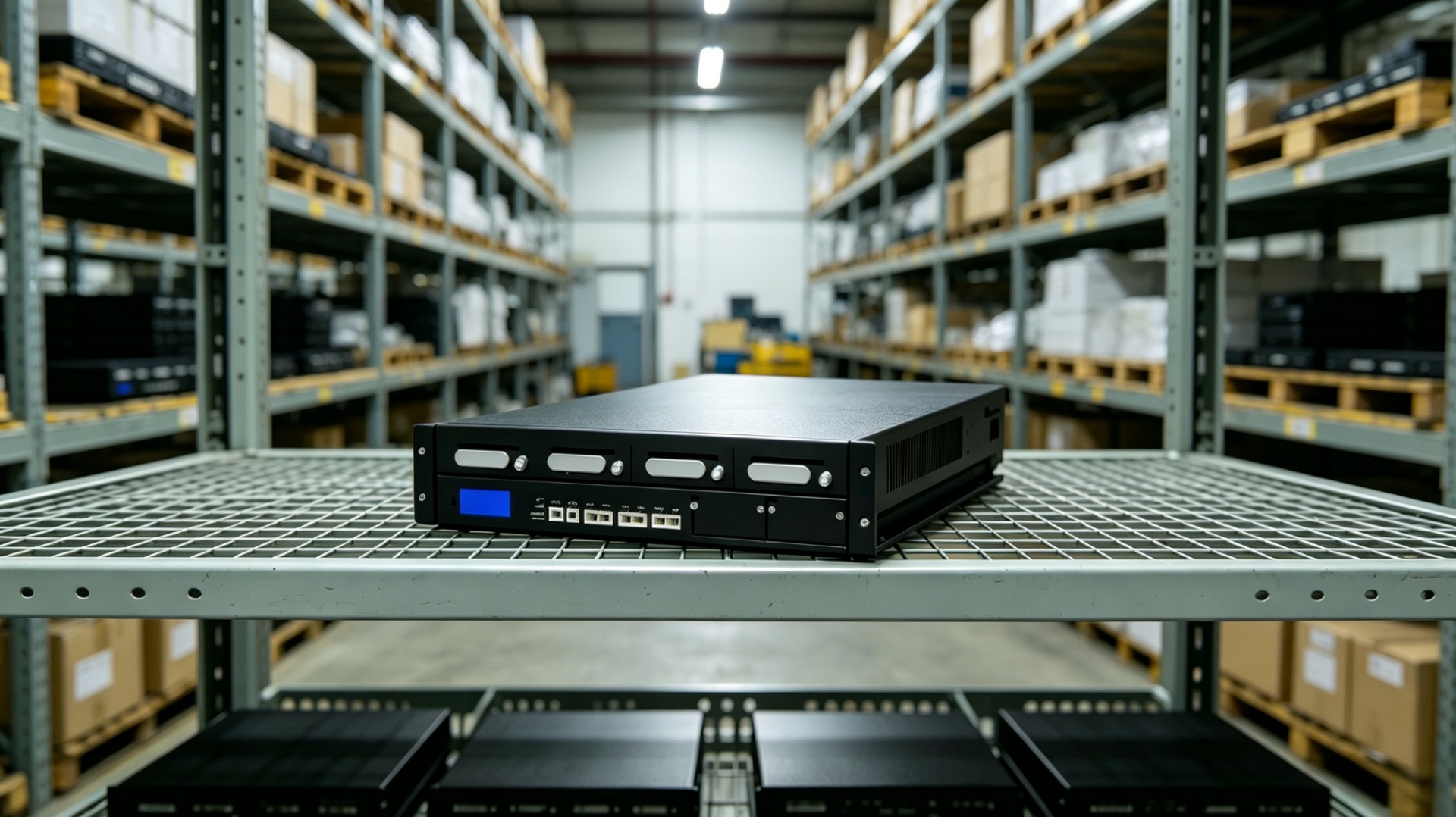
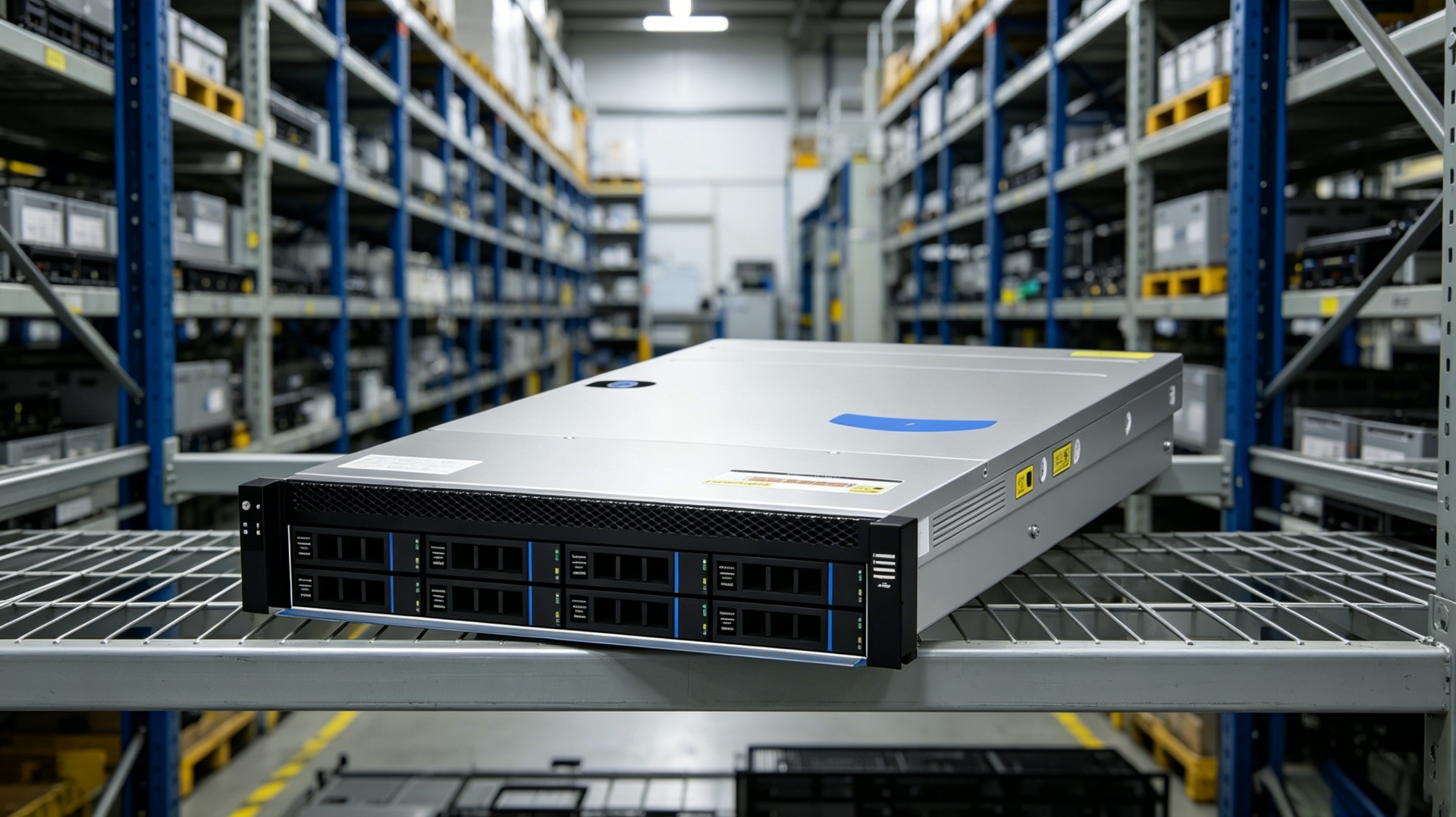
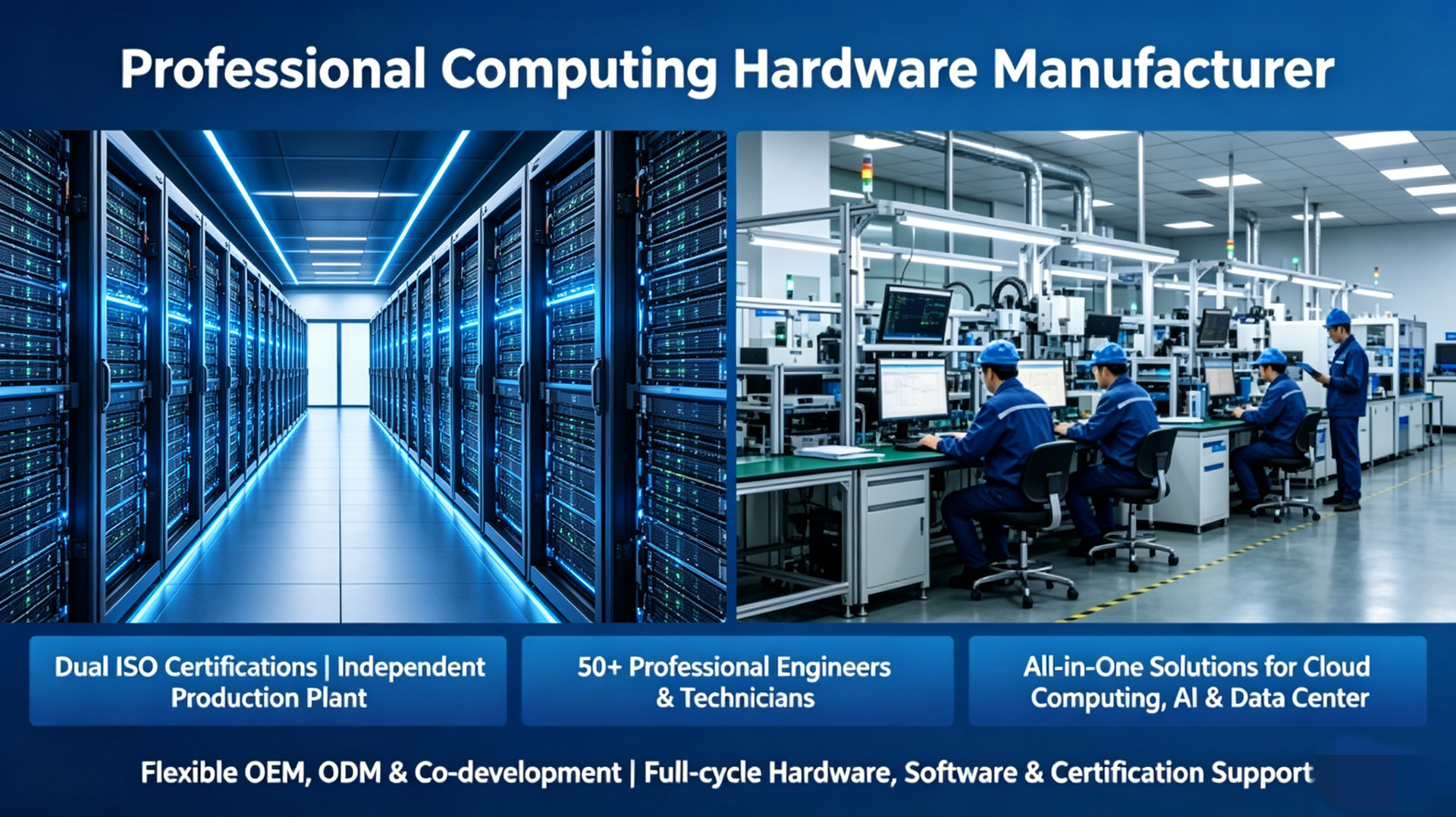
ZOZT (Zhouzhen Intelligent) is rooted in Shenzhen, the core city of China’s electronic industry, founded by a team of senior hardware engineers with a shared industry vision. Driven by the continuously growing global demand for customized servers and industrial computer hardware, our team has built our own production factory, independent R&D laboratories and professional testing workshops.
Starting as a small professional R&D team focusing on data computing and storage hardware, we have gradually established a complete industrial chain covering sheet metal processing, finished product assembly and full-process quality inspection. Our core mission is to provide global partners with durable, cost-effective customized hardware, together with comprehensive and transparent technical support services. Our business has grown from small-batch customized sampling to long-term bulk cooperation with global system integrators. We keep optimizing our production procedures and personalized customization services year by year.
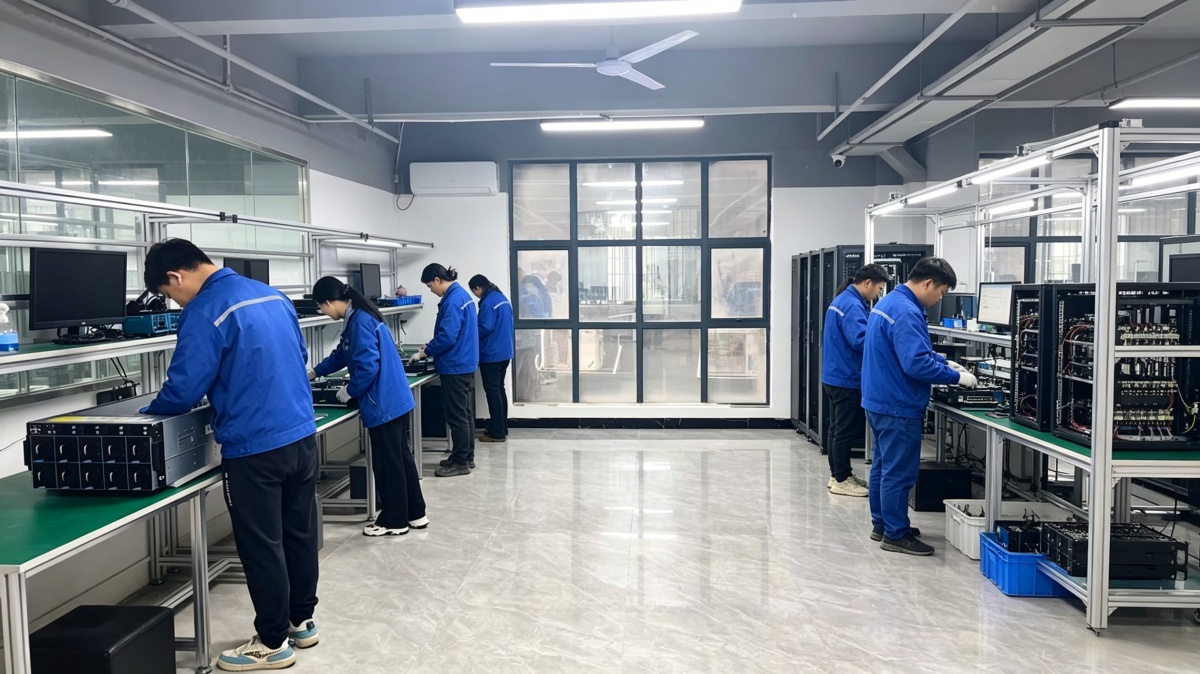
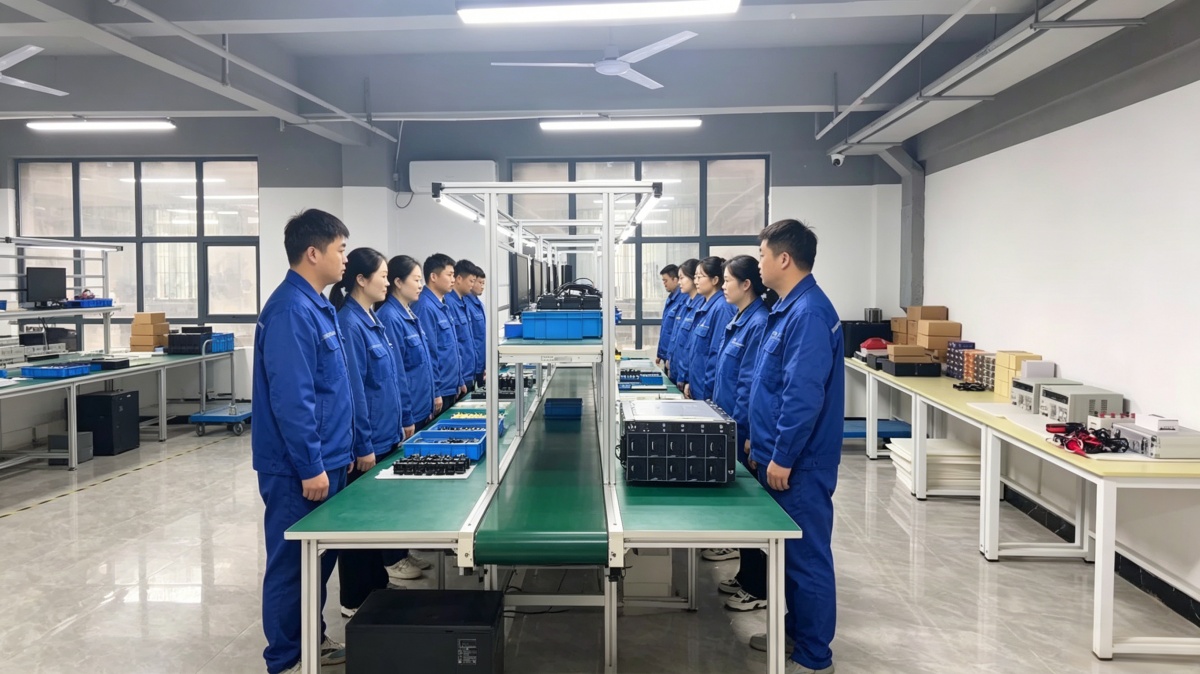
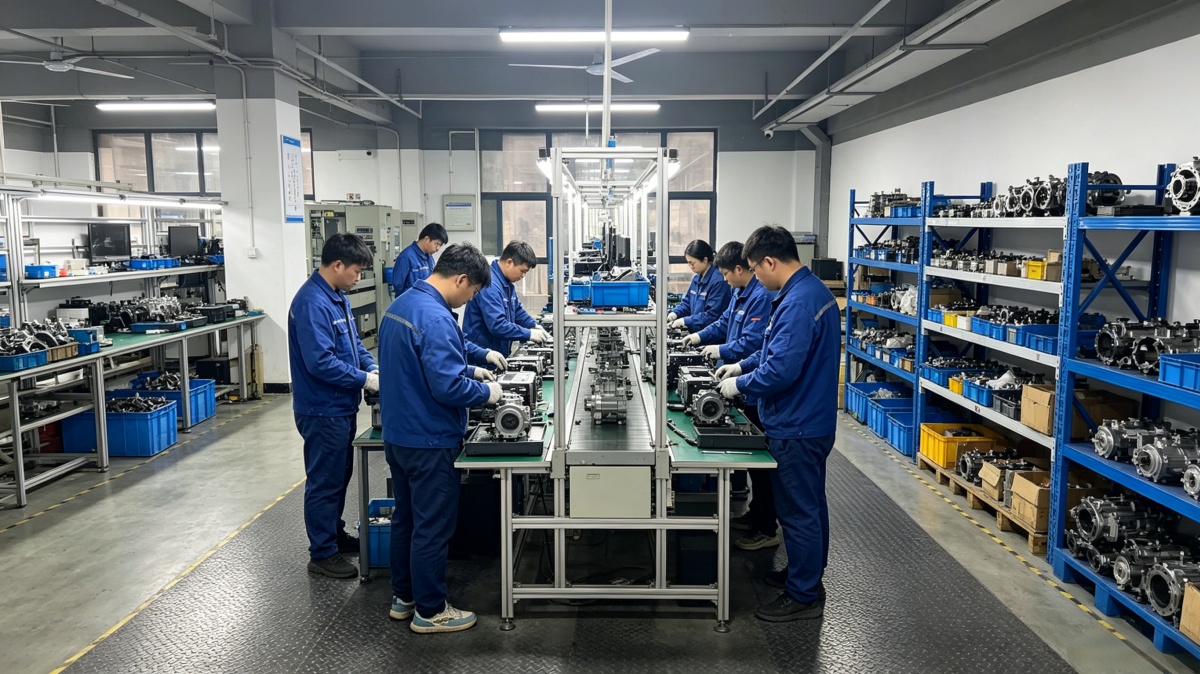
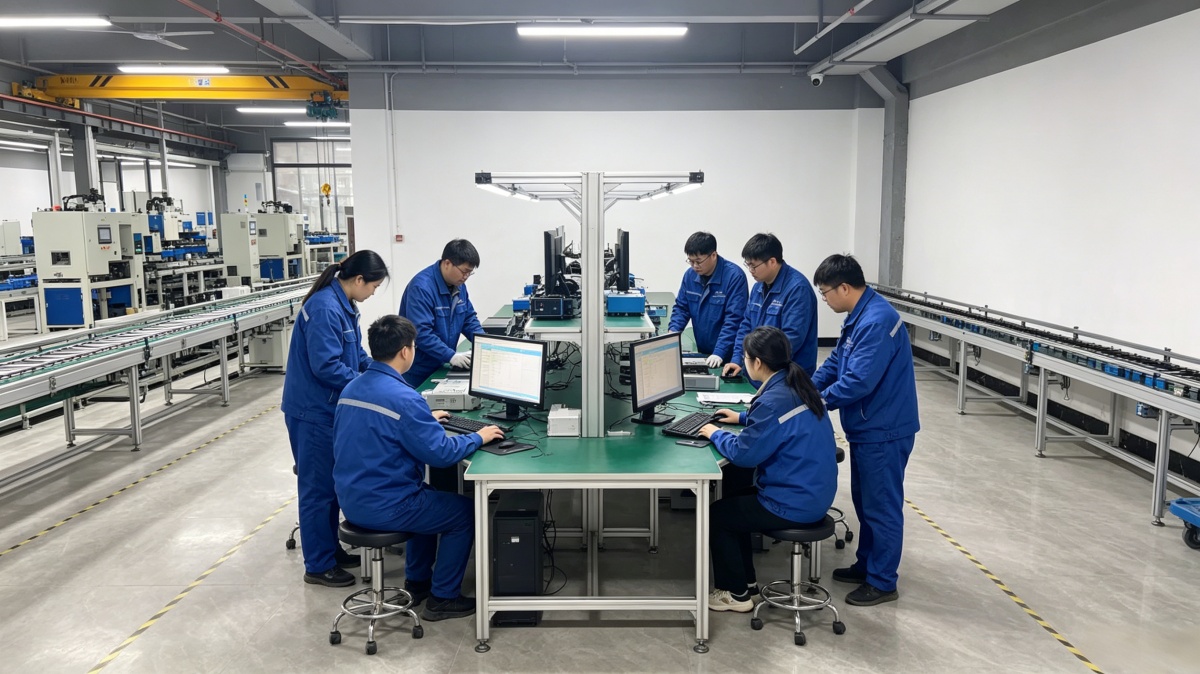
To become the most trustworthy one-stop manufacturer of customized industrial computing hardware for global commercial data scenarios. We will continue to increase investment in R&D and quality control, continuously upgrade our full-process OEM/ODM customization capabilities, and deliver stable and efficient hardware solutions. We aim to help global clients expand their business footprint in the fields of cloud storage, computing power operation, and cybersecurity.
When designing an embedded hardware architecture for machine vision or edge data inference, selecting between Arm and x86 architectures requires evaluating critical operational metrics. Below is a comparative breakdown of key hardware features:
Explore our full line of industrial fanless mini PCs, embedded computers, and deep learning acceleration hardware customizable to your precise project requirements.