Leave Your Message
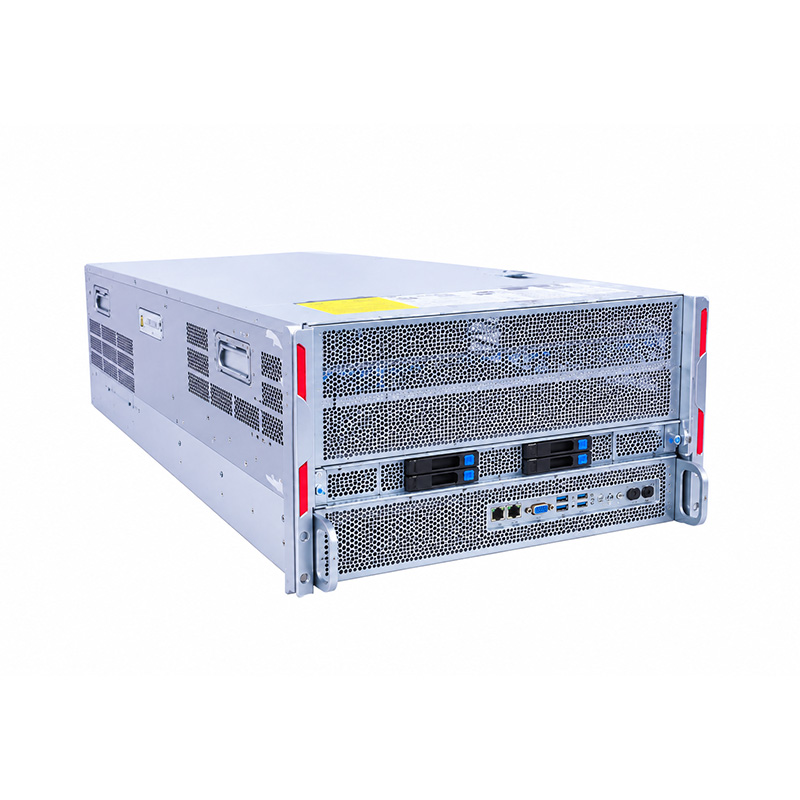
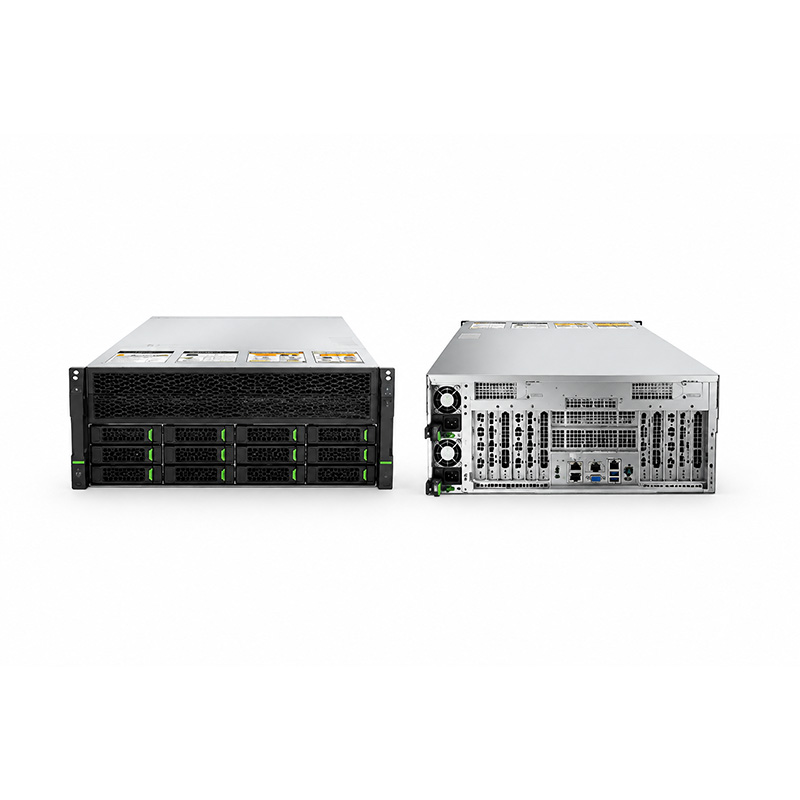
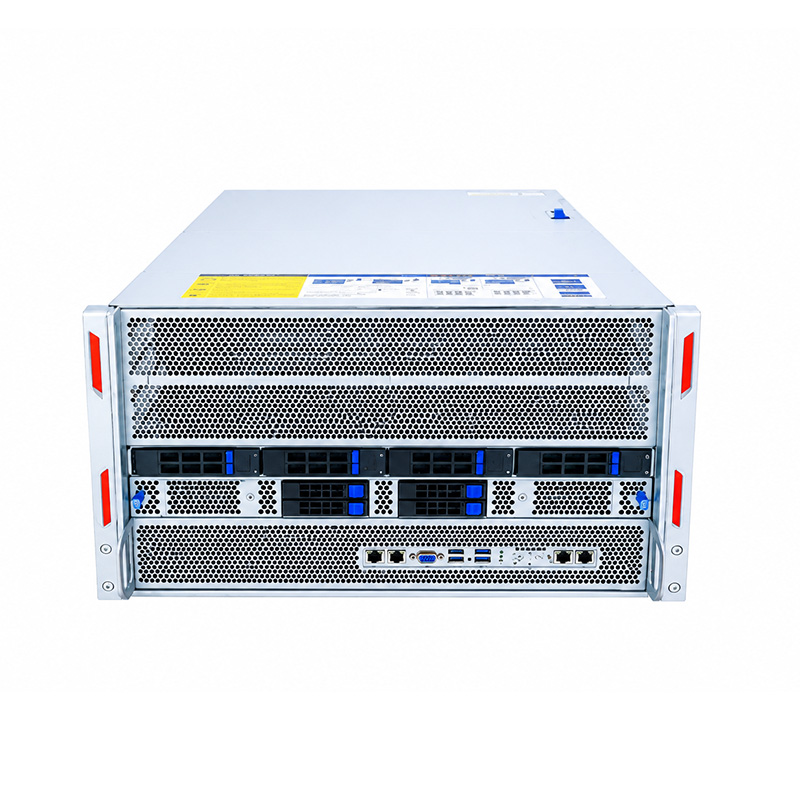
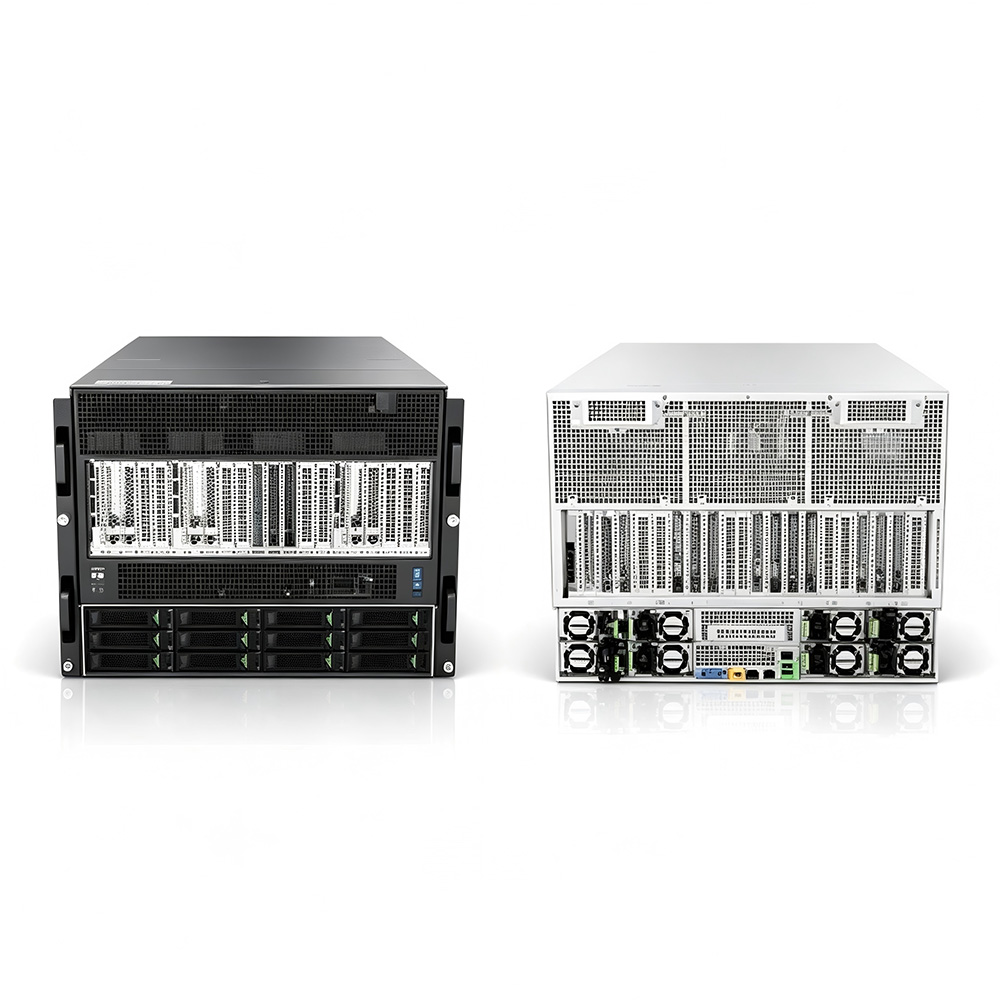
High-performance computing and hardware systems optimized for integration within 16U server racks and scalable data centers.
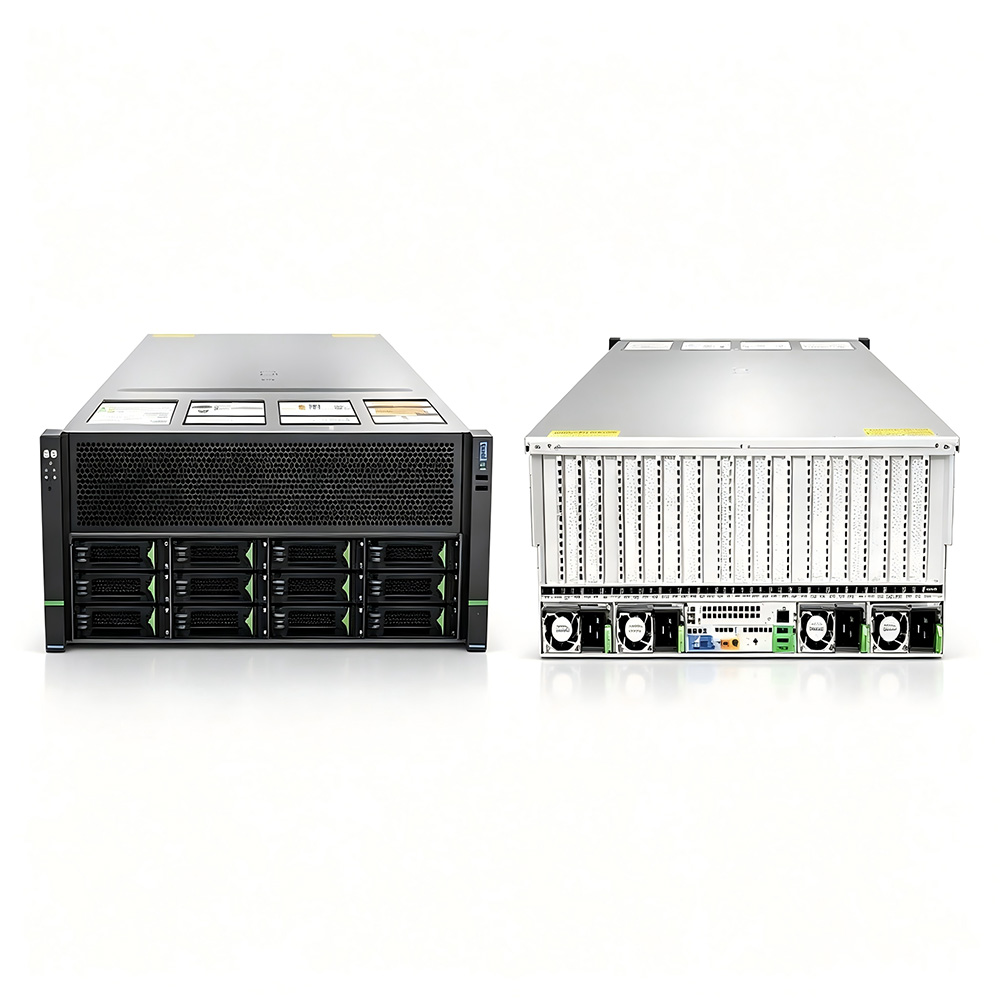
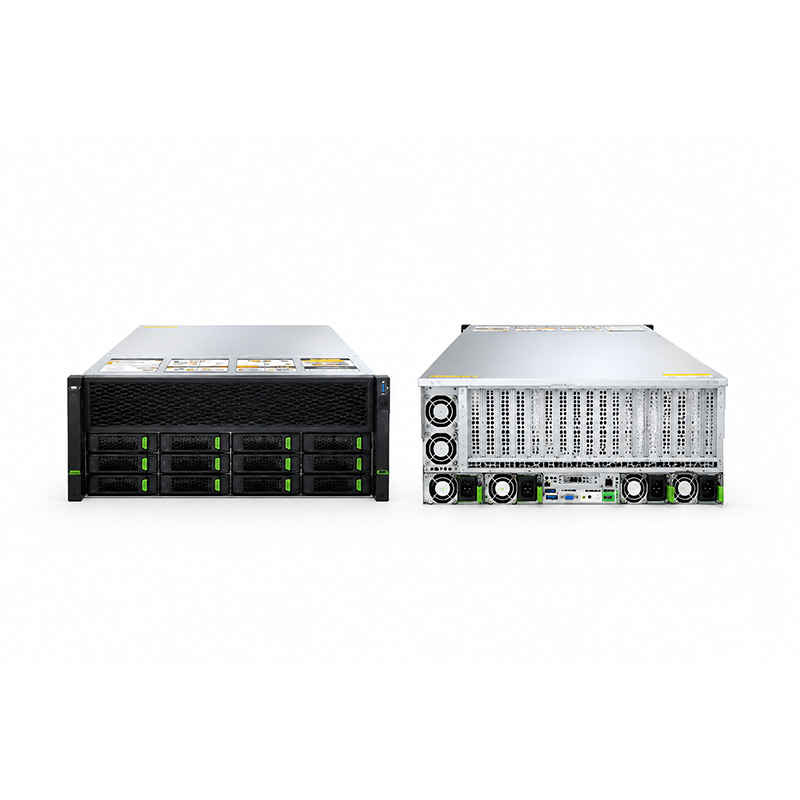
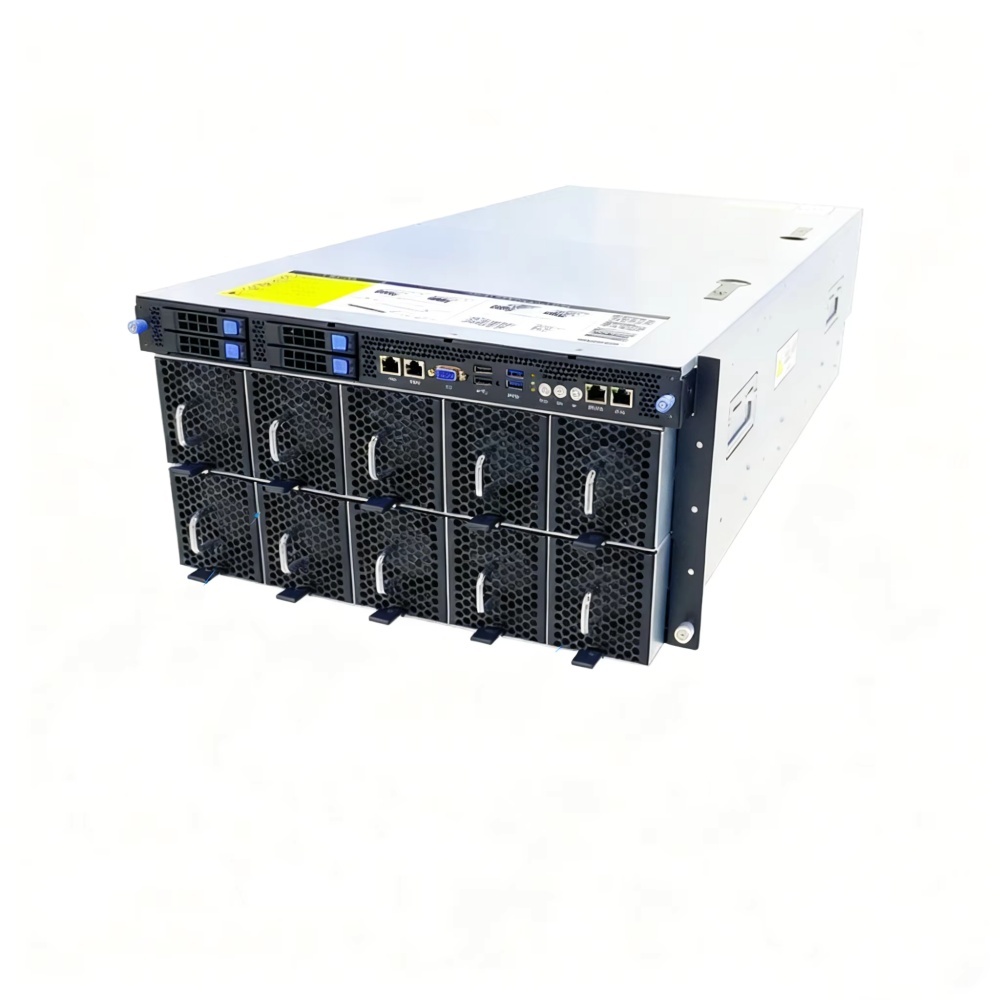
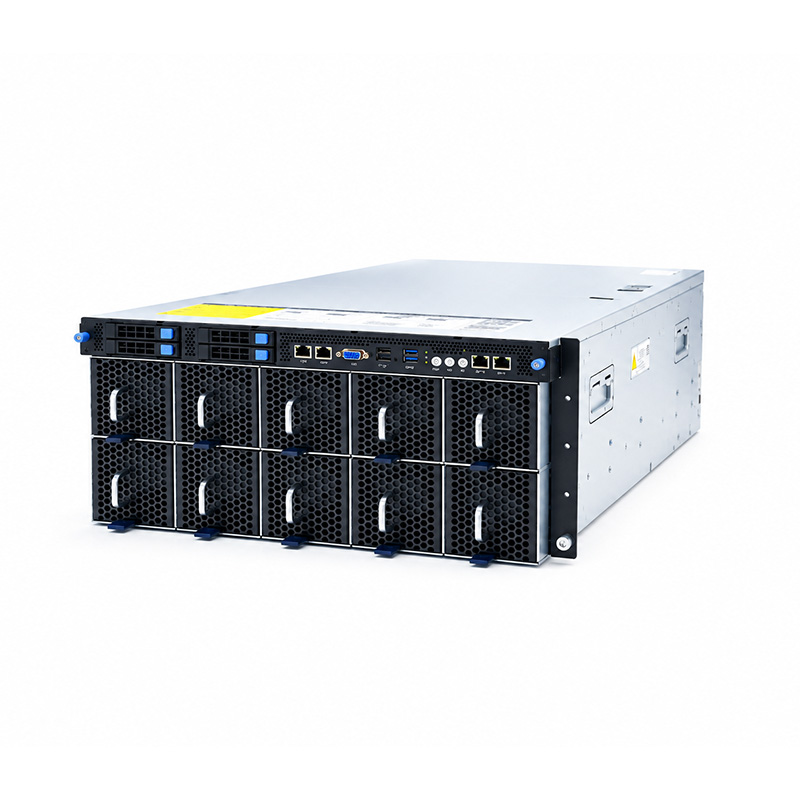
As enterprises globally navigate the demands of digital transformation, cloud migrations, and high-performance artificial intelligence (AI) workloads, their physical IT footprints are undergoing radical restructuring. Centralized mega-data centers remain critical, but there is an explosive surge in decentralized IT deployment. This shift has elevated the 16U server rack into a cornerstone component for enterprise IT infrastructure updates.
Historically, businesses chose between small, low-capacity wall-mount cabinets (typically 6U to 12U) for simple networking, or massive, full-height 42U frames designed for dedicated server rooms. However, today’s modern enterprise environments require a hybrid, highly versatile solution. The 16U server rack occupies the sweet spot of this spectrum. It offers substantial vertical capacity—sufficient to house multiple high-density 4U GPU computing nodes, storage arrays, uninterruptible power supplies (UPS), and core networking switches—while maintaining a compact, low-profile footprint that fits comfortably in branch offices, edge computing rooms, or modular manufacturing setups.
The rapid integration of AI and real-time data inference demands that computing power be positioned closer to the source of data generation. A 16U server rack configured with specialized 4U and 5U GPU servers allows enterprises to run heavy machine learning and analytics algorithms locally, minimizing latency and eliminating the massive bandwidth costs of raw data backhauling.
Furthermore, the rising thermal profiles of high-density computing server units mean that physical enclosures must be engineered with advanced airflow dynamics. Modern 16U server racks are no longer mere metal boxes; they are sophisticated thermal management systems. They feature heavy-duty perforated steel doors that ensure maximum static pressure dissipation, integrated cable routing pathways to prevent airflow blockages, and smart physical security integrations to protect sensitive enterprise IP.
Zhouzhen Intelligent Co., Ltd. is located in Shenzhen, China. We are a professional hardware solution manufacturer integrating independent R&D, production and global sales.
Our main products include rack servers, industrial control computers, mini PCs, network accessories and customized storage hardware. We provide one-stop OEM/ODM customization services covering hardware, software, complete machine testing and product certification.
Our equipment is widely applied in industries such as AI cloud computing, artificial intelligence, data centers, education, radio & television, and AI data inference.
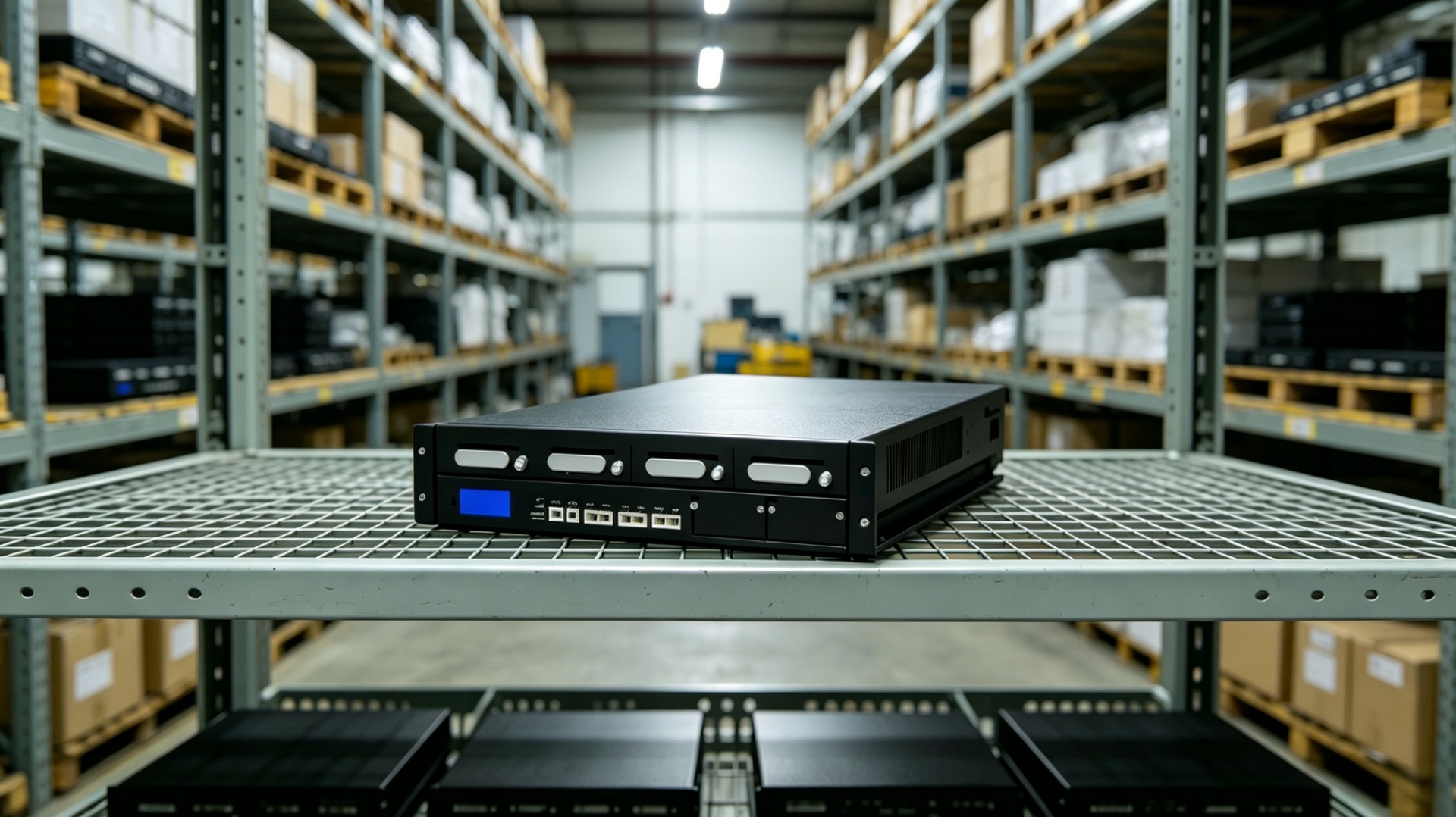
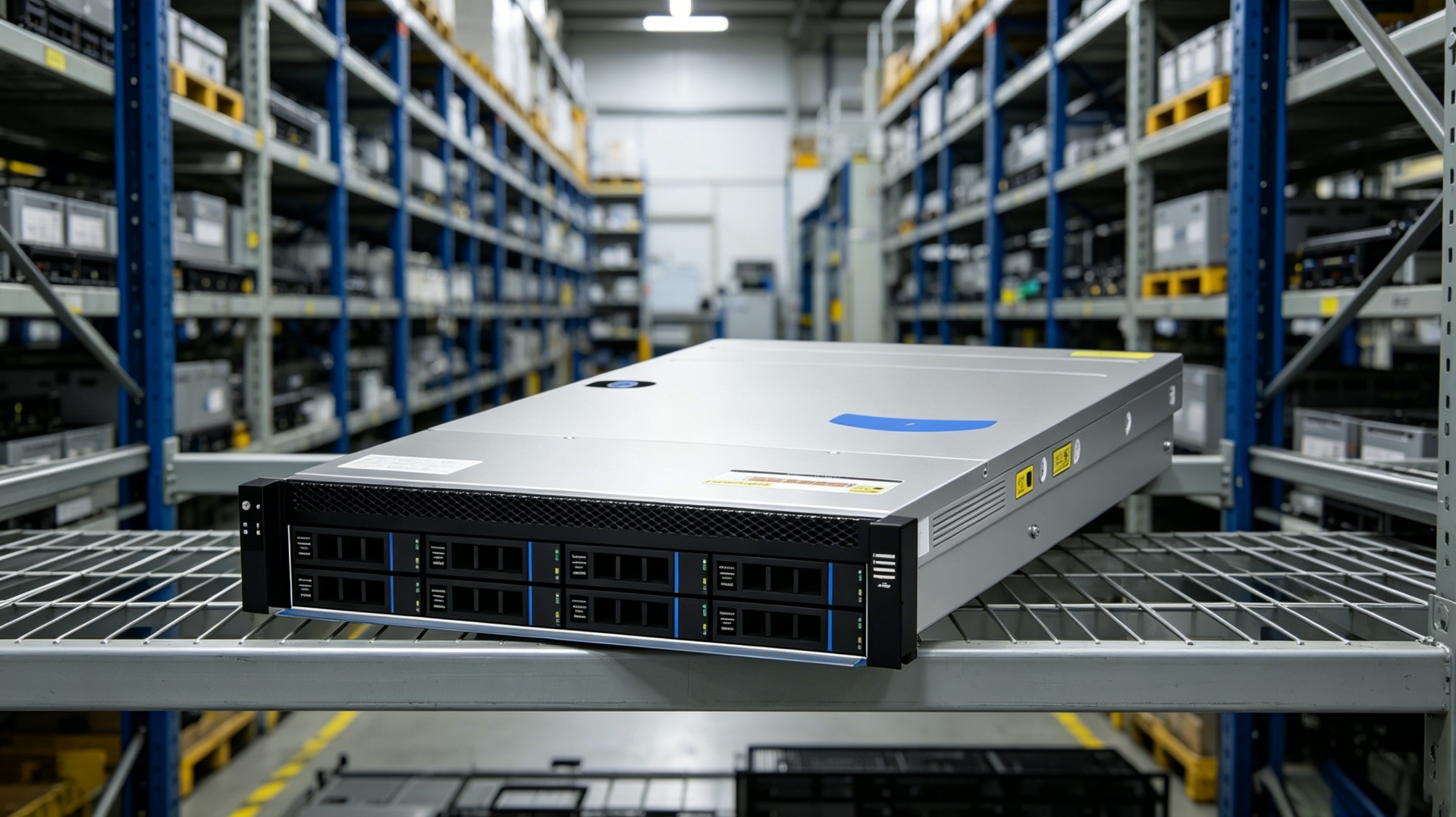
Deploying a 16U server rack is highly strategic, aligning perfectly with targeted industrial, scientific, and commercial setups where space, cooling, and extreme processing capabilities must coexist. Let us explore the primary scenarios where this framework excels:
By leveraging these targeted application profiles, IT administrators can systematically plan their hardware upgrades, ensuring that every rack unit (U) is fully optimized for performance, thermal efficiency, and physical space utilization.
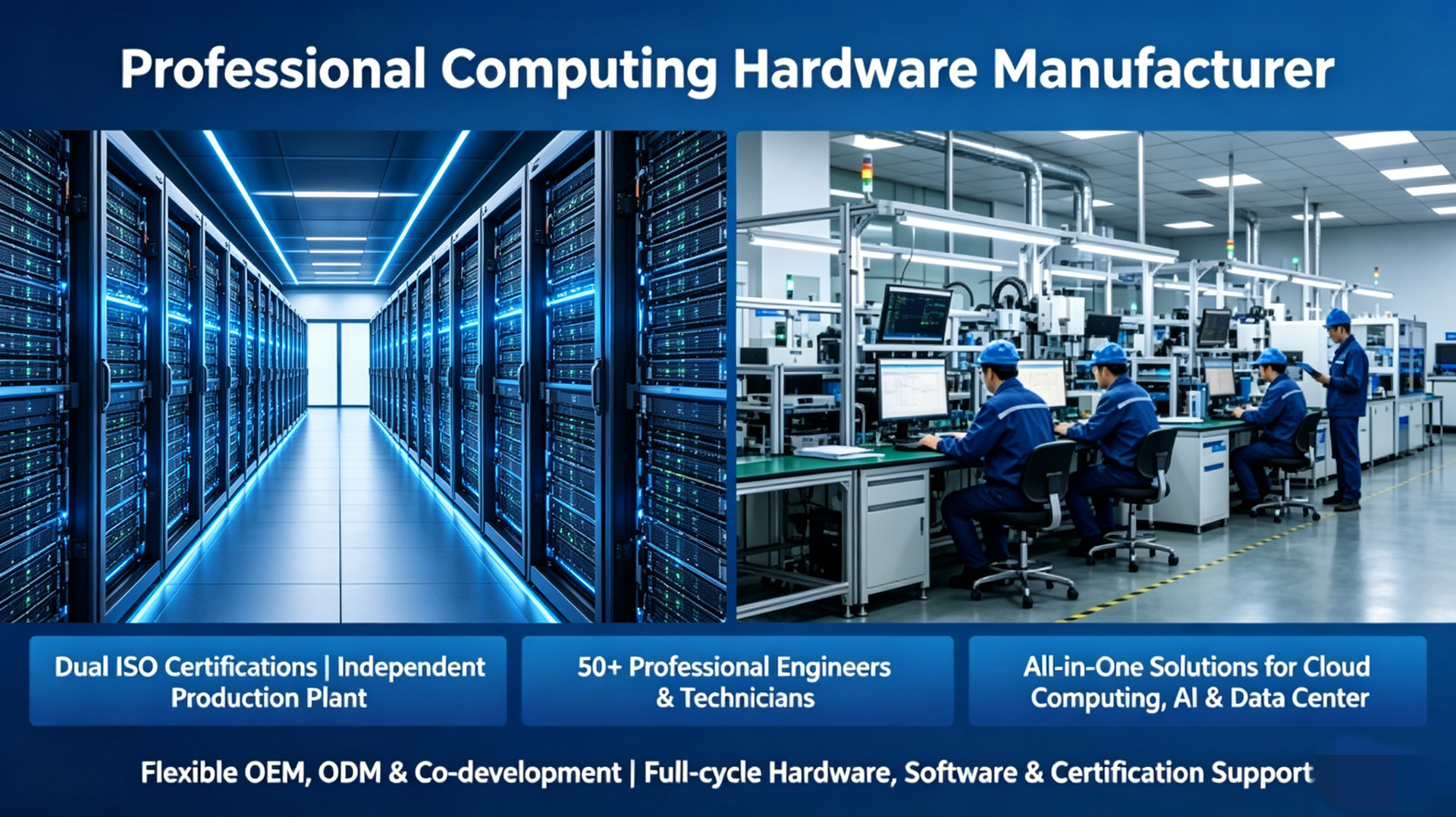
Upgrading your IT infrastructure with a 16U enterprise server rack requires careful consideration of structural, electrical, and thermal factors. To maximize hardware longevity and prevent unexpected downtime, keep these key engineering parameters in mind:
1. Weight Capacity and Structural Integrity: Enterprise-grade 4U GPU servers and storage nodes are heavy, often exceeding 35 kg (77 lbs) per unit when fully loaded with dual processors, multiple GPU cards, and redundant power supplies. A standard 16U rack must feature a robust, heavy-gauge cold-rolled steel frame capable of supporting a static load of at least 500 kg to 800 kg. High-quality mounting rails with depth-adjustable configurations are essential to distribute weight evenly across the vertical posts.
2. Advanced Airflow and Thermal Dissipation: High-density servers generate significant heat. In a 16U configuration, packing multiple 4U or 5U GPU systems together leaves little room for ambient heat dissipation. The rack must feature front and rear doors with at least an 80% perforation rate to facilitate unobstructed front-to-back airflow. Installing active top-mounted exhaust fan trays can further accelerate the removal of hot air from the cabinet.
3. Cable Organization and Power Distribution: With up to 16 rack units of equipment, cable management can quickly become chaotic, blocking exhaust ports and choking airflow. Implementing vertical cable managers alongside high-amperage, rackmount Power Distribution Units (PDUs)—ideally metered or switched PDUs—allows IT teams to monitor power consumption at the outlet level, balance loads, and power-cycle hung servers remotely.
When deploying a 16U server rack, always reserve 1U to 2U of space for patch panels and horizontal cable organizers. Clean cable routing not only makes maintenance easier but also ensures optimal airflow, reducing cooling costs by up to 15%.
Driven by innovation, rooted in Shenzhen, and dedicated to delivering robust hardware solutions to the global market.
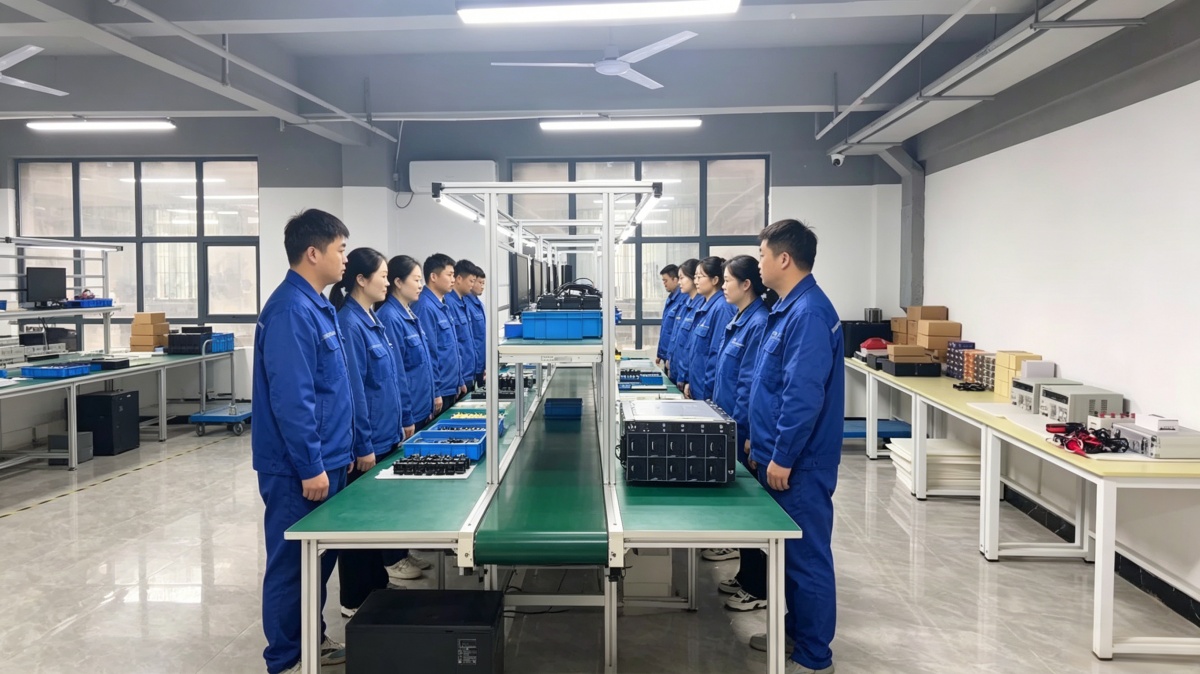
ZOZT (Zhouzhen Intelligent) is rooted in Shenzhen, the core city of China’s electronic industry, founded by a team of senior hardware engineers with a shared industry vision.
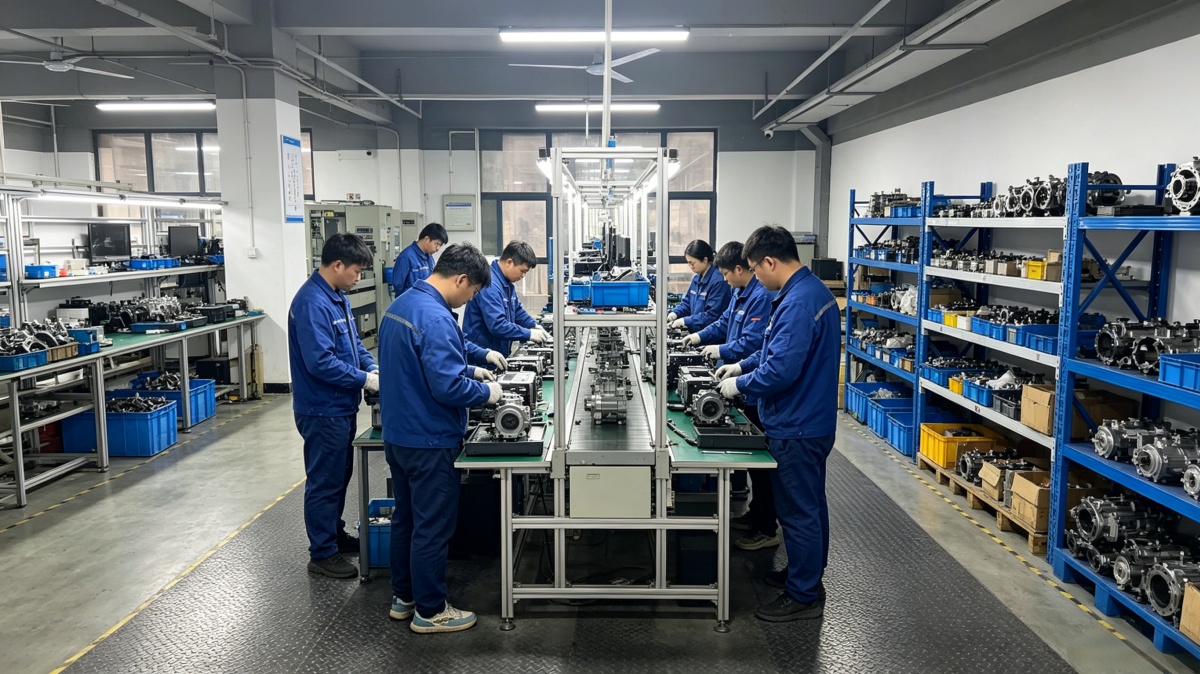
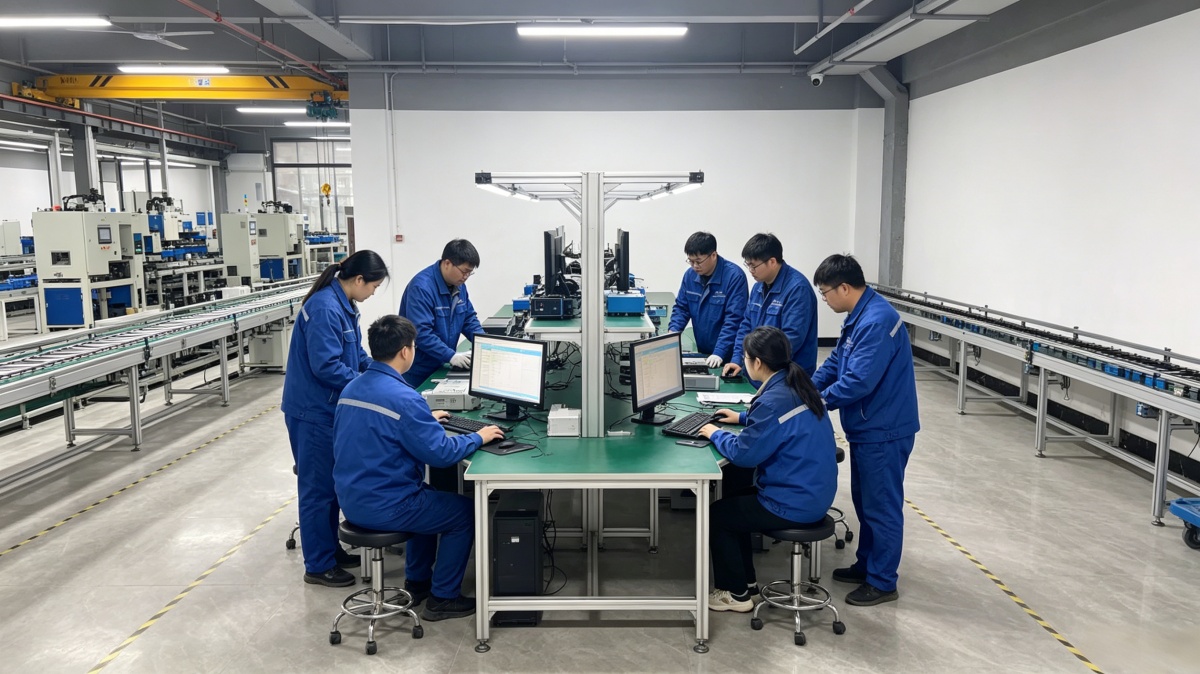
Driven by the continuously growing global demand for customized servers and industrial computer hardware, our team has built our own production factory, independent R&D laboratories and professional testing workshops.
Starting as a small professional R&D team focusing on data computing and storage hardware, we have gradually established a complete industrial chain covering sheet metal processing, finished product assembly and full-process quality inspection.
Our core mission is to provide global partners with durable, cost-effective customized hardware, together with comprehensive and transparent technical support services.
Our business has grown from small-batch customized sampling to long-term bulk cooperation with global system integrators. We keep optimizing our production procedures and personalized customization services year by year.
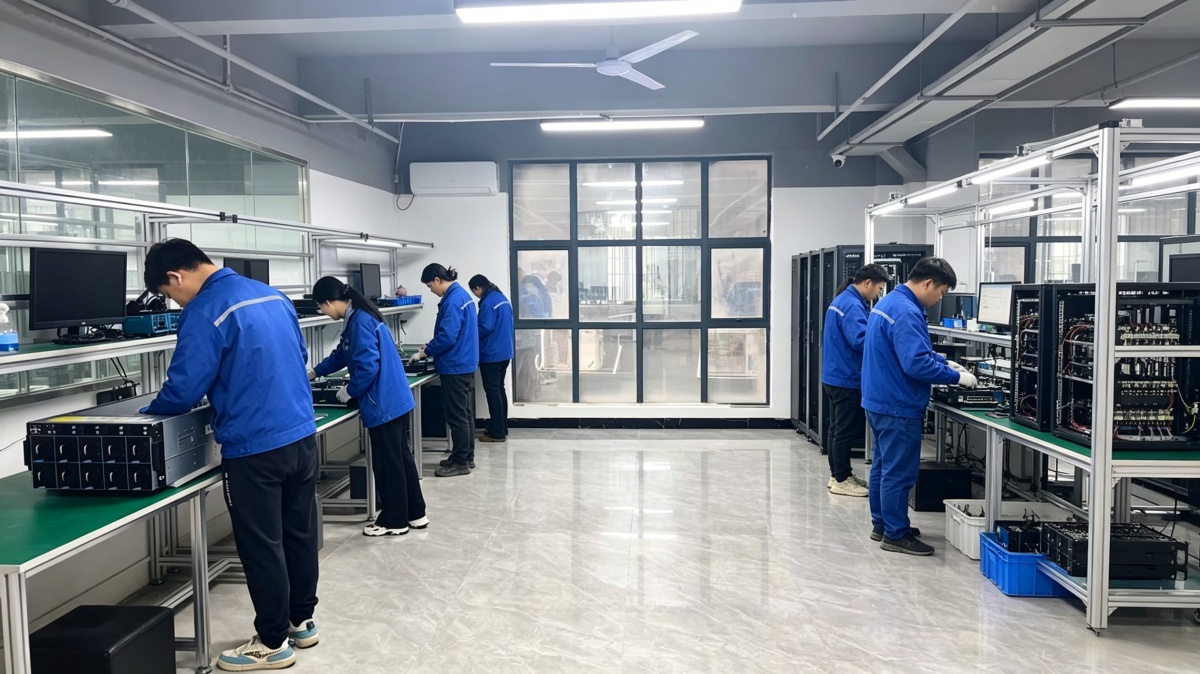
To become the most trustworthy one-stop manufacturer of customized industrial computing hardware for global commercial data scenarios.
We will continue to increase investment in R&D and quality control, continuously upgrade our full-process OEM/ODM customization capabilities, and deliver stable and efficient hardware solutions.
We aim to help global clients expand their business footprint in the fields of cloud storage, computing power operation, and cybersecurity.

Explore our full line of rackmount servers and high-density GPU chassis engineered to optimize space and maximize compute density.